

Last updated November 18, 2026
 Sliding glass doors
 Single hung
 Double hung
 Horizontal roller
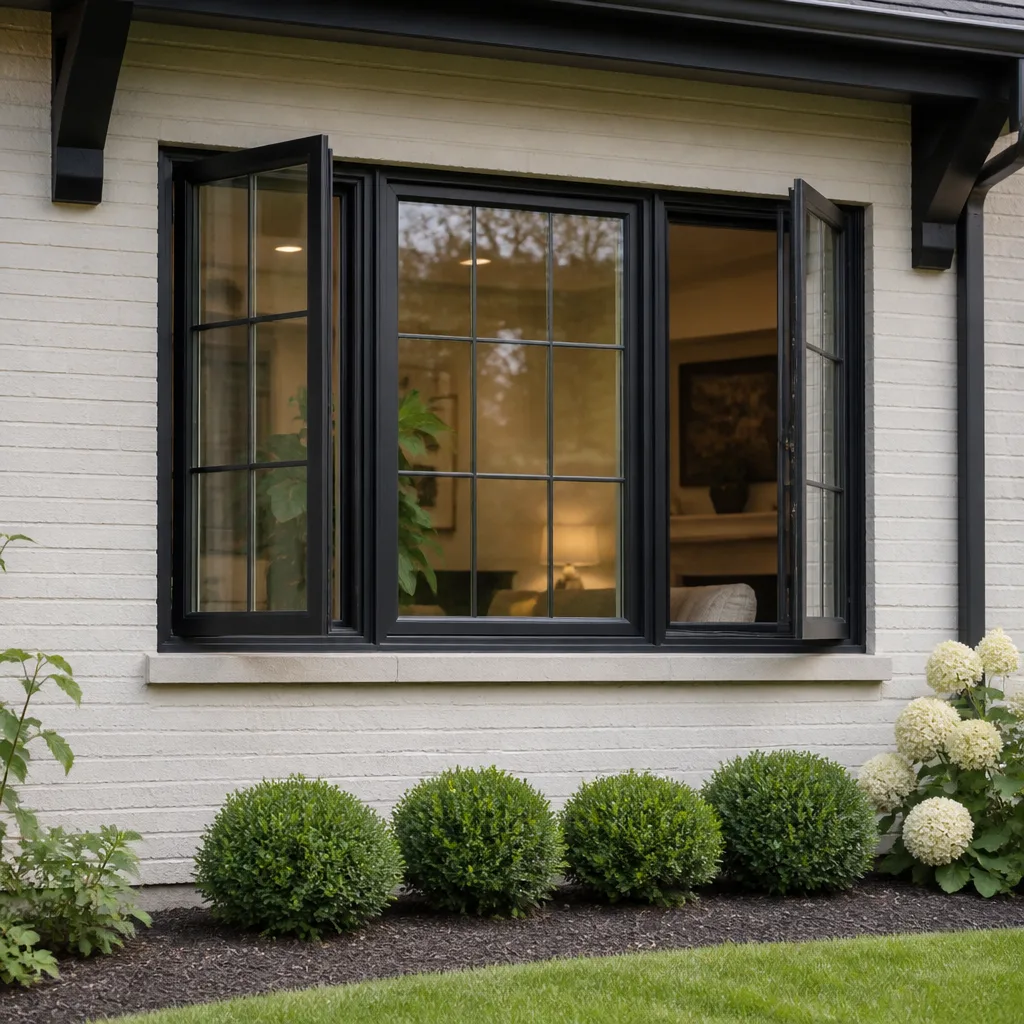 Casement
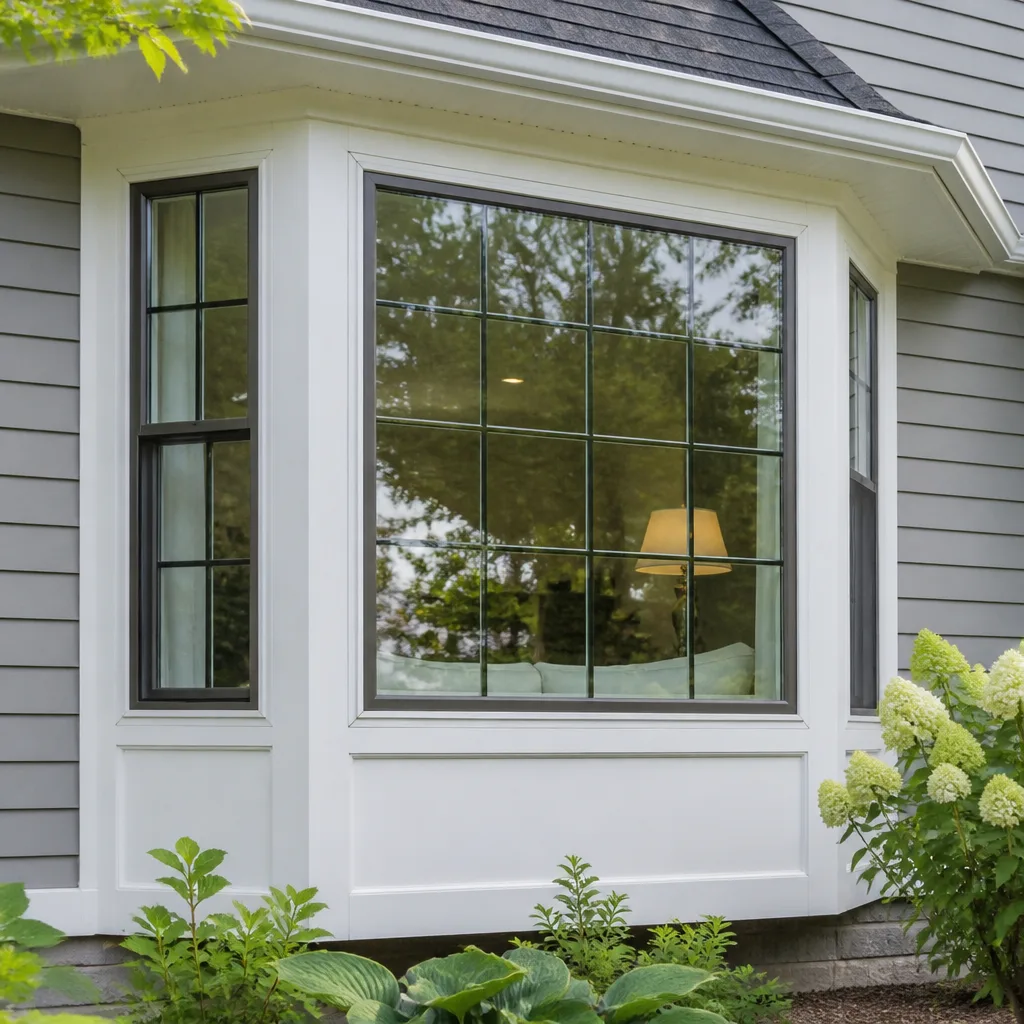 Bay & bow
 Entry doors
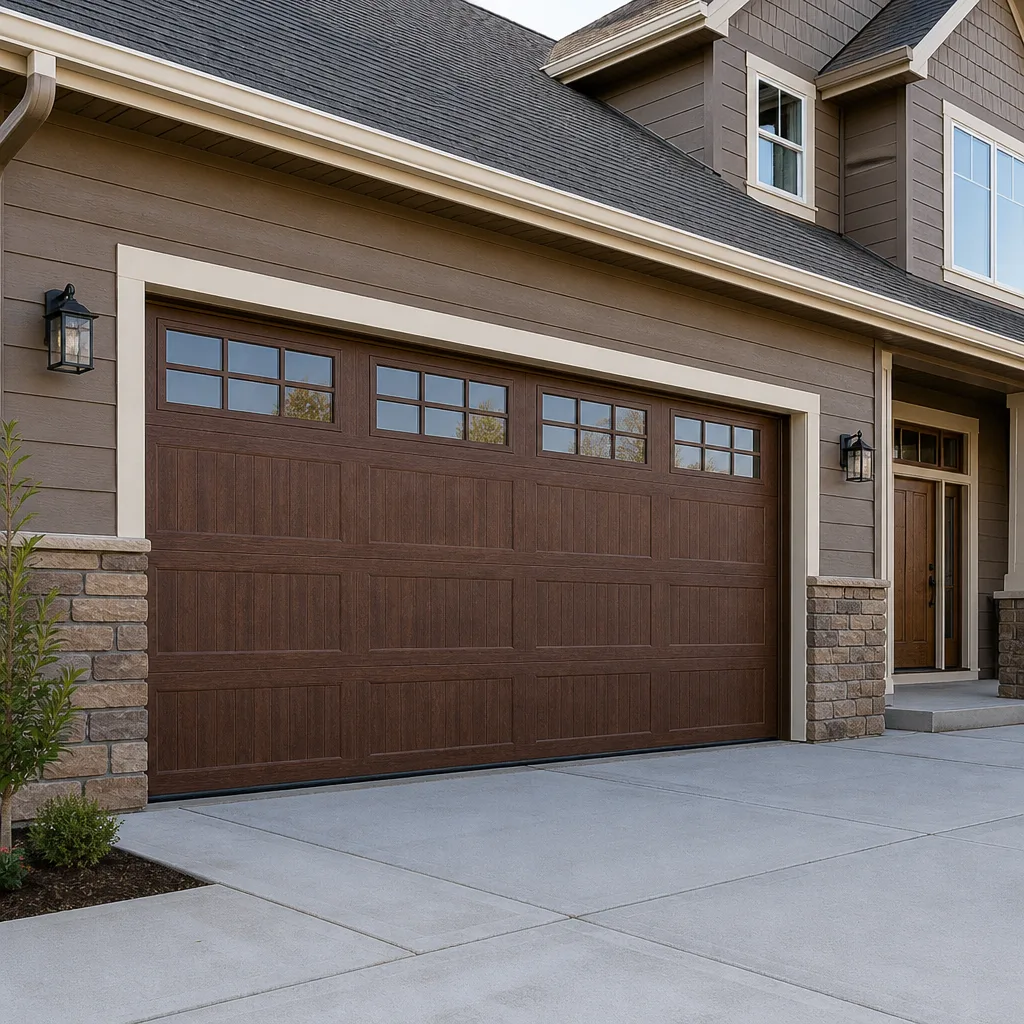 Impact garage doors
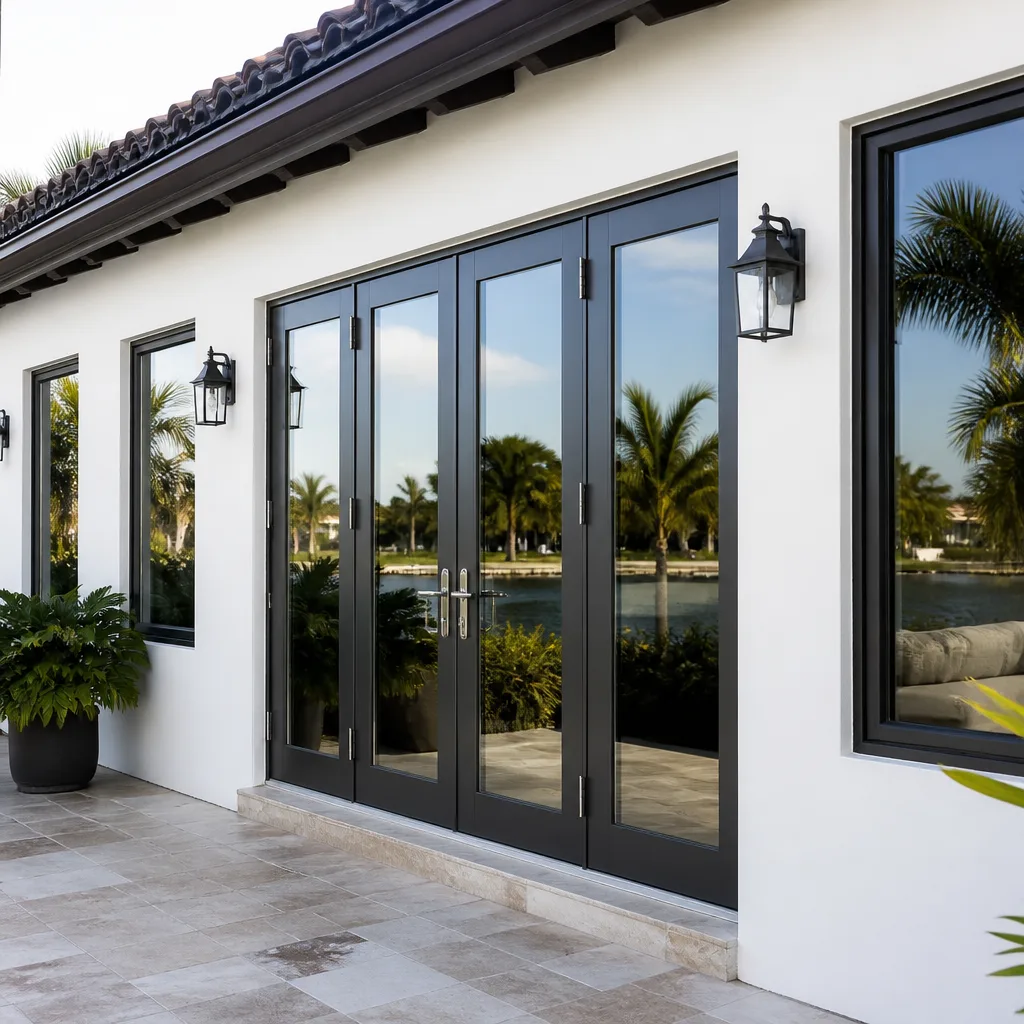 PGT
 CGI
Free in-home measure and quote - PGT, CGI and CWS impact lines compared on your actual openings, style by style
Get your free estimateDIY vs Professional Windows & Doors: The North Las Vegas Homeowner’s Decision Guide
Most window manufacturers void their installation warranty the moment a non-certified person installs the unit. That means a homeowner who spends $900 on a quality window and sets it in themselves may own a $900 piece of glass with no manufacturer backing it the first time it leaks. In a desert climate, that leak doesn’t wait. A failed seal in North Las Vegas lets 110-degree air push against an air-conditioned envelope, and the damage compounds in hours, not seasons. This guide walks through what a skilled homeowner can safely handle, what legally and practically belongs to a licensed pro, and how the stucco construction that dominates North Las Vegas changes the math on every opening.
Quick Answer
For North Las Vegas homeowners, the line falls on warranty and wall type. Weatherstripping, hardware swaps, and caulk refresh are legitimate DIY. Full window or door replacement in a stucco opening is a two-trade job that voids manufacturer warranties when done unlicensed, and the tool cost to do it correctly once usually exceeds the labor a professional charges.
Styles & brands we work with
- Single hung
- Double hung
- Horizontal roller
- Casement
- Bay & bow
- Sliding glass doors
- Entry doors
- Impact garage doors
- PGT
- CGI
Table of Contents
- What a Skilled Homeowner Can Actually Handle
- The Stucco Surround Problem in North Las Vegas
- The Real Tool and Skill Inventory for a Code-Compliant Install
- How Nevada Licensing Law Draws the Line
- The Warranty Math: When $400 Saved Becomes $1,200 Lost
- Why a Desert Envelope Fails Fast
- The Post-Installation Checklist That Defines “Done Correctly”
What a Skilled Homeowner Can Actually Handle
Not every window task requires a licensed crew, and pretending otherwise wastes money. Plenty of jobs around a North Las Vegas home are genuinely within reach for someone comfortable with a caulk gun and a screwdriver. Those jobs share one trait: they don’t touch the rough opening, the flashing, or the structural seal between the window and the wall.
Here’s where DIY makes honest sense:
- Weatherstripping replacement. Worn door sweeps and window gaskets are a $15 to $40 fix. In North Las Vegas, dust intrusion through failed weatherstripping is the number one complaint we hear after wind events, and swapping it is a same-afternoon job.
- Hardware replacement. Handles, locks, cranks, and rollers on sliding units. A ViewLux or Mr-Glass slider crank assembly can usually be matched at a local supplier and swapped with basic tools.
- Caulk refresh at the interior trim. A tube of paintable latex caulk and a putty knife handles interior gaps where the trim meets drywall. This is cosmetic and low-risk.
- Exterior caulk touch-up where the bead has failed but the flashing is intact. This is the gray zone. If you can see daylight or feel air movement, stop; that’s a seal failure, not a caulk job.
- Screen replacement and cleaning. Straightforward, and a good way to inspect the frame for movement or water staining before it becomes a real problem.
Where DIY stops: anything that requires removing the unit from the wall. On a Therma-Tru entry door, even hanging a pre-hung replacement touches the threshold, the sill pan, and the frame anchoring that ties to the wall structure. That’s the point where warranty coverage and code compliance start to matter, and where the stucco problem we cover next turns a weekend project into a two-trade job.
The Stucco Surround Problem in North Las Vegas
Most DIY window tutorials on YouTube were filmed on wood-frame homes in the Midwest or Pacific Northwest. They show you prying off interior trim, cutting the nail fin, and sliding the old unit out. That works on siding. It does not describe what happens when your exterior is three-coat stucco over wire lath, which is the dominant finish across North Las Vegas neighborhoods from Aliante to the older tracts near Cheyenne and Civic Center.
Removing a window from a stucco surround requires cutting back the stucco to expose the nailing flange, which means:
- Scoring the stucco cleanly around the opening to avoid spider-cracking the surrounding wall.
- Cutting through the wire lath without tearing it, because the lath is what holds the patch.
- Pulling the old unit without damaging the framing behind it.
- Installing new flashing tape in the correct shingle-lap sequence over the rough opening.
- Re-lathing and re-stuccoing the perimeter, then matching the finish texture.
- Letting the stucco cure before painting, in a climate where surface temps push past 140 degrees in direct July sun.
Steps one and five belong to a stucco mason, not a window installer. A good window crew works alongside a stucco trade or has one on the schedule, because a proper North Las Vegas reinstall is genuinely two trades cooperating on one opening. A DIYer attempting the whole sequence alone usually gets a functional window with a visible patch that fails the next monsoon season. If you want to see how a professional two-trade reinstall is sequenced on a North Las Vegas home, our window replacement in North Las Vegas page walks through the full process.
The Real Tool and Skill Inventory for a Code-Compliant Install
Before you decide DIY will save money, price the tools honestly. A single code-compliant install in a stucco opening requires equipment most homeowners don’t own and won’t use again:
- A rotary hammer or hammer drill with a masonry bit set for anchoring through stucco and concrete block. $180 to $400 for a decent one.
- A grinder or angle cutter with a masonry blade for scoring stucco cleanly. $80 to $200.
- An oscillating multi-tool for cutting lath and trim in tight spaces. $100 to $250.
- Flashing tape, sill pan, and a compatible sealant system matched to the window manufacturer’s spec sheet. $60 to $120 per opening, and the wrong product voids warranty the same as a bad install.
- A 4-foot spirit level and a laser level for plumb, level, and square. Older North Las Vegas homes are frequently out of square by half an inch across a rough opening, and shimming without a reference plane produces a window that binds.
- Ladders and fall protection for anything above the first floor.
Add it up honestly: a first-time DIYer doing one window faces $500 to $1,000 in tool acquisition plus a full weekend or two of work, before accounting for the stucco patch. That tool cost alone often exceeds a single professional installation labor charge. The math only flips toward DIY if you’re doing fifteen windows and can amortize the tools across all of them, which is exactly the situation where a warranty-voiding mistake costs the most. For a single-window job, the economics rarely work.
How Nevada Licensing Law Draws the Line
Nevada law allows a homeowner to perform work on their own primary residence without a contractor’s license. That allowance is real, and it’s why so many North Las Vegas homeowners reasonably assume they can install their own windows. What the law does not allow is paying an unlicensed person to do it, and it does not protect you from the consequences at resale.
Three things matter here:
- Permits. Many window and door replacements in North Las Vegas require a permit, and the permit inspection is what certifies the install met code. A DIY install without an inspection is a disclosure item when you sell.
- Resale disclosure. Nevada requires sellers to disclose unpermitted work. A buyer’s inspector who flags an unpermitted window replacement can turn a strong offer into a renegotiation.
- Insurance claims. If a self-installed window leaks and damages interior finishes, a homeowner’s policy may deny the resulting claim, since the damage traces to unpermitted or defective work.
That’s the legal shape of the decision. If you want the permit pulled and the inspection passed in your name, that path runs through a licensed contractor. The practical version of that guidance is available on our window installation in North Las Vegas page, which is written specifically for homeowners who want to understand what the permit process involves before they commit to anything.
The Warranty Math: When $400 Saved Becomes $1,200 Lost
This is the part most DIY guides skip. Every major window manufacturer, including the brands we carry such as ECO Window Systems and ViewLux, ties its product warranty to certified installation. Install it yourself and the glass and frame may still be covered against manufacturing defects, but the installation warranty, which is what actually protects you against leaks, air infiltration, and water intrusion, is void.
Run the numbers on a single mid-grade window in North Las Vegas:
- Window unit: roughly $600 to $1,100.
- Professional installation labor, one window: roughly $250 to $450.
- DIY savings if you handle it yourself: the labor difference, maybe $250 to $450, minus your tool cost and a stucco patch.
- Cost to repair a failed seal and interior water damage from a bad install: $400 to $1,200 once you include drywall repair, paint, and the re-install.
The break-even is one leak. One. And a desert monsoon season in North Las Vegas delivers the test with more force than most homeowners expect. When you buy a professionally installed window from us, the written price you receive before work starts is the number you pay, and it’s covered by the 365-Day Done Right Promise. If you want a sense of how that pricing works in practice, the Lightwell Windows & Doors North Las Vegas home page lays out the no-hassle upfront pricing model we run on every job.
Why a Desert Envelope Fails Fast
People assume desert climates are forgiving for construction because there’s no rain for months. The opposite is true for window installs. North Las Vegas cycles through extreme swings: summer surface temperatures on a west-facing stucco wall can hit 150 degrees, winter nights drop near freezing, and monsoon season delivers sideways rain under pressure that finds every gap in a bad seal.
That thermal cycling does two things to a window. It expands and contracts the frame, which works any insufficient sealant loose within a couple of seasons. And it stresses the seal between the stucco patch and the existing wall, which is where a DIY repair most often fails first. In our experience across North Las Vegas, the failure point is almost never the window itself. It’s the seam where the new work meets the old wall.
When you’re choosing a door instead of a window, the stakes are similar, though for slightly different reasons: a poorly sealed entry door in North Las Vegas leaks conditioned air year-round and can warp a Therma-Tru slab out of true within a single summer. Our door installation in North Las Vegas page covers the specific way we sequence a door reinstall to lock in the seal before the stucco patch sets.
The Post-Installation Checklist That Defines “Done Correctly”
Whether a professional installs your window or you do it yourself, use this checklist before you accept the work. A crew that knows what it’s doing will walk you through every item without being asked. If you’re going the DIY route, this is your self-inspection standard.
- Operate the window fully. Open and close it three times. It should move smoothly with no binding, and the lock should engage without force. A window that binds on the third cycle is out of square.
- Check the seal with a dollar bill. Close the window on a bill and try to pull it out. If it slides easily, the weatherstripping isn’t making contact. Repeat at four points around the sash.
- Look at the flashing sequence. The tape under the sill should lap under the side flashing, which laps under the head flashing. Water flows downhill, so every layer should shed onto the one below it.
- Inspect the stucco patch edges. The texture should match the surrounding wall, and there should be no crack where the patch meets the existing stucco. A hairline crack at the seam is a future leak.
- Confirm the interior trim is tight and level. Gaps at the drywall are cosmetic, but gaps at the frame suggest the trim is hiding a framing problem.
- Ask what the crew did with the old unit. A proper install includes haul-away unless you agreed otherwise. Nothing should be left on the side of the house.
- Confirm the permit sign-off. If a permit was pulled, you should have inspection paperwork in hand. No paperwork means no code verification.
That final step, having a photo of the clean-up and the inspection paperwork before the crew leaves, is a standing rule for us. We use the C.A.R.E. values on every visit: clean up like it’s our own home, ask before moving anything, respect the family’s quiet hours and sleep schedules, and explain the price before the work starts. Kids and pets are part of the job; pet-safe sealants where there’s a choice, quieter tools during nap time, drop cloths on the floors every time.
Common Mistakes to Avoid
- Assuming a Midwest DIY tutorial applies to a stucco wall. Stucco, lath, and flashing teamwork are a different job than cutting a nail fin on siding, and the tutorials don’t cover it.
- Buying the window before checking the rough opening. North Las Vegas homes built in the 1990s and 2000s frequently have rough openings off-square by half an inch. Measure before you buy, not after.
- Skipping the permit to save time. An unpermitted install becomes a resale disclosure item and can void a homeowner’s insurance claim later. Pulling the permit first is a cheap decision made early.
- Using the wrong sealant. Generic exterior silicone doesn’t meet the manufacturer’s spec on many units, which voids warranty even if the install itself was done well. Match the spec sheet.
- Re-installing a door slab out of level. A Therma-Tru entry door that isn’t shimmed plumb will warp and stick within one summer of North Las Vegas heat. Level is non-negotiable.
- Trusting a verbal price. Contractors who won’t put a price in writing before work starts sometimes hand you a bigger number at the end. The written quote protects you.
- Ignoring the interior finish plan. Even a perfect install leaves trim and paint work behind. If your installer doesn’t include it, budget for it before you commit.
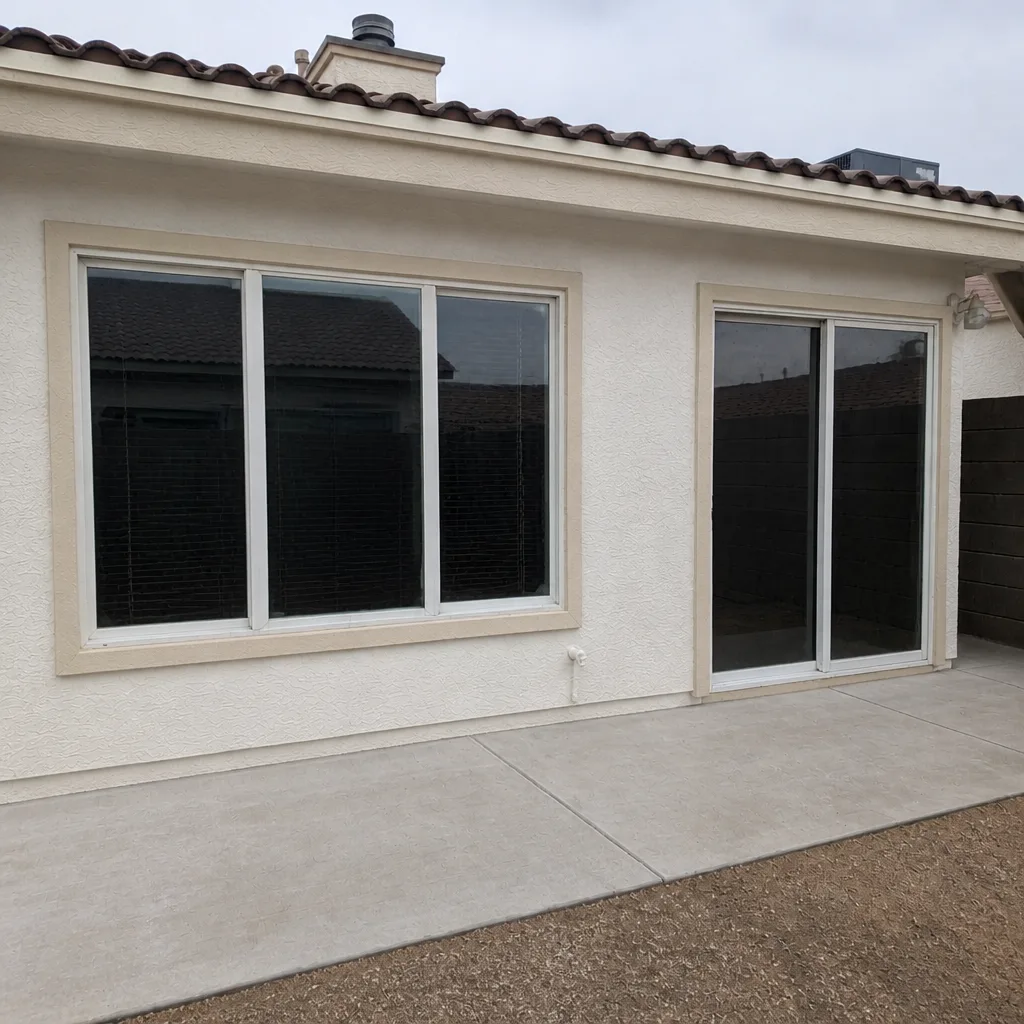
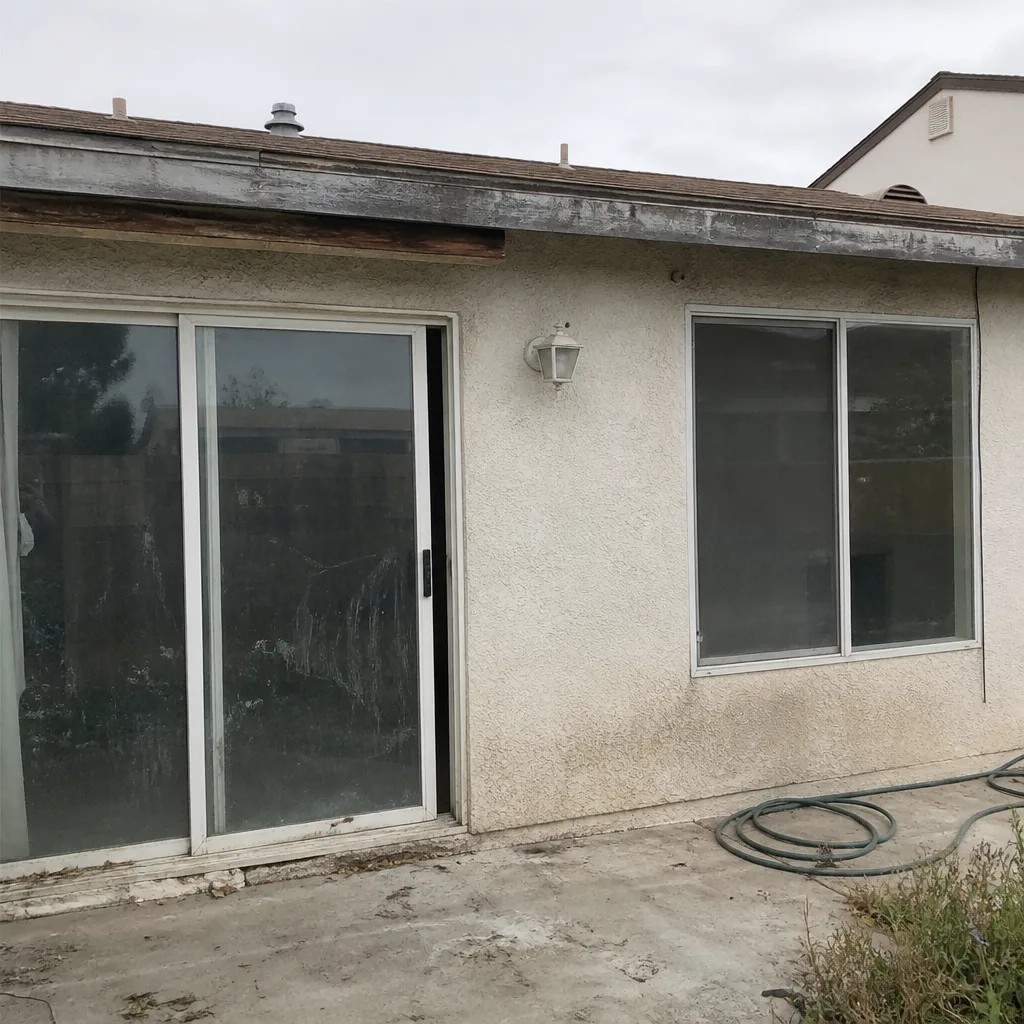
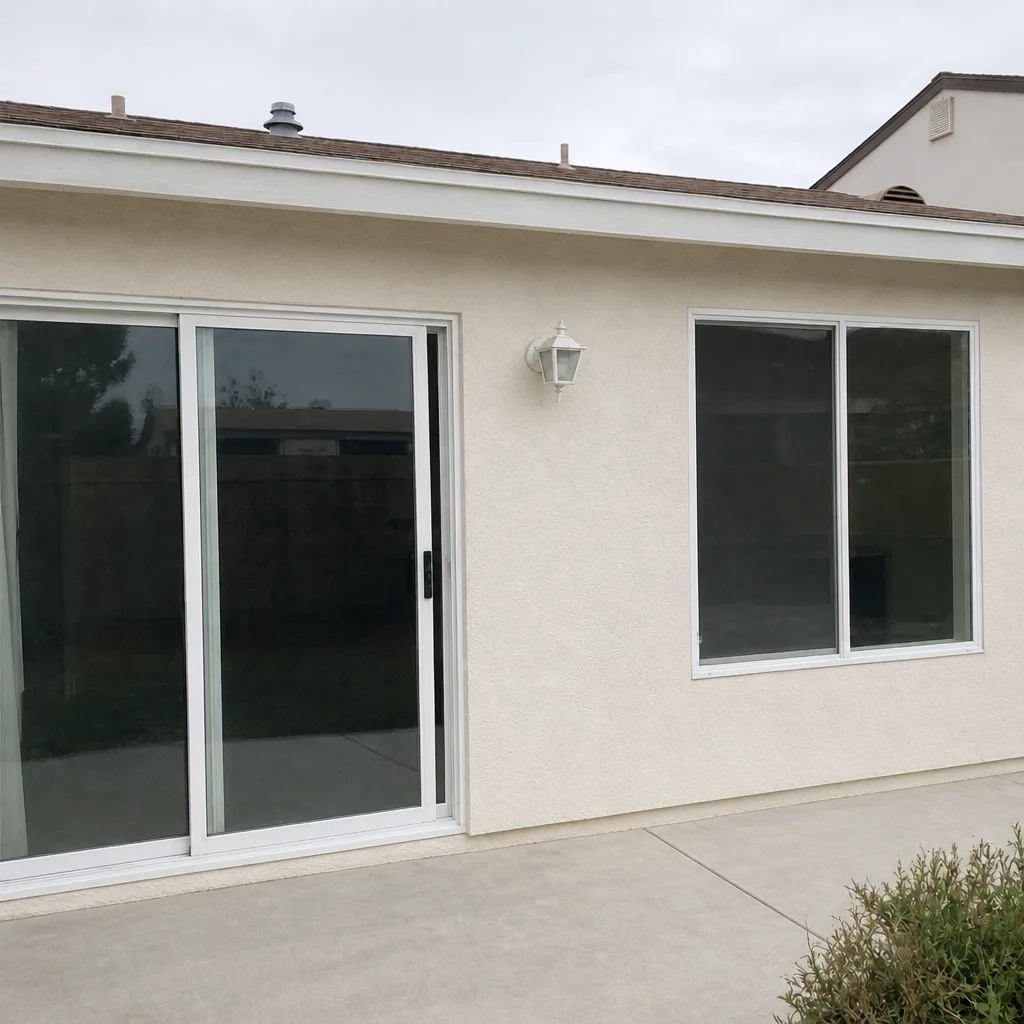
See the difference
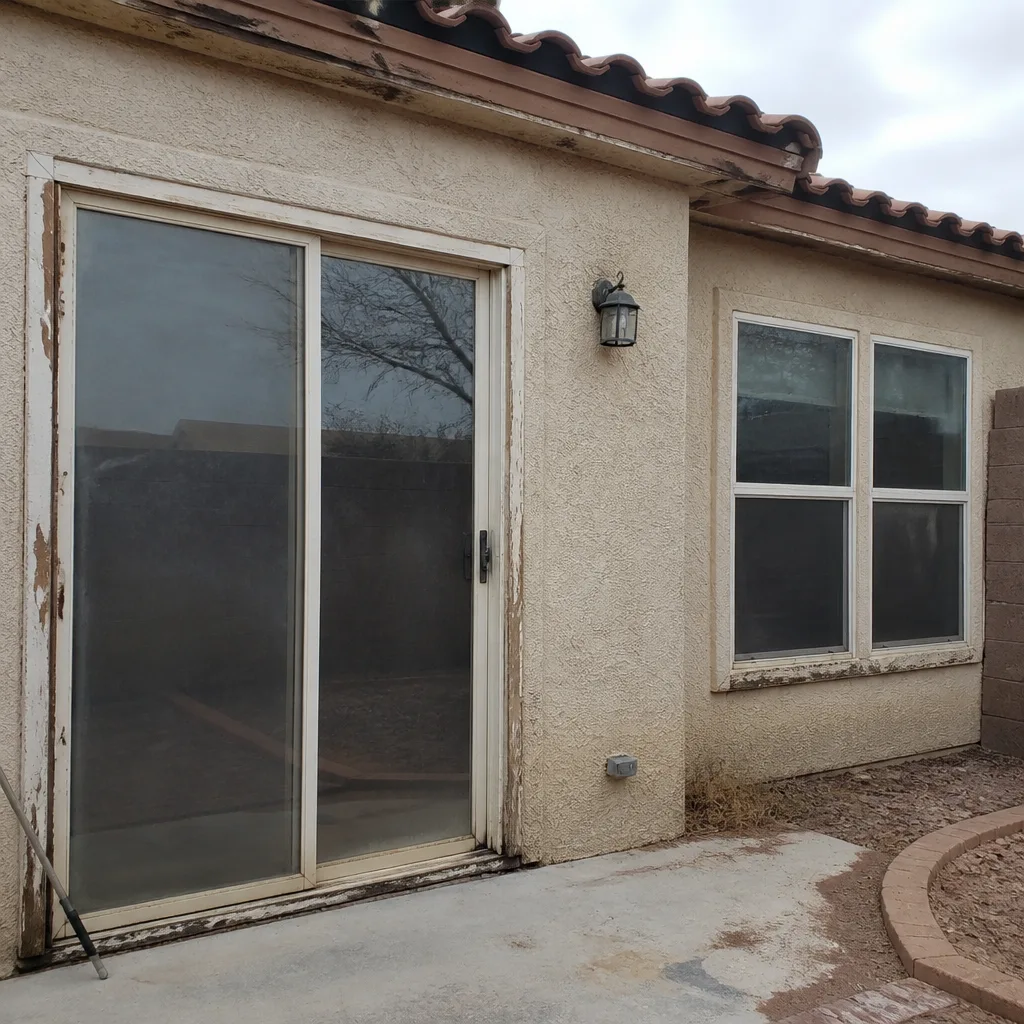 Before
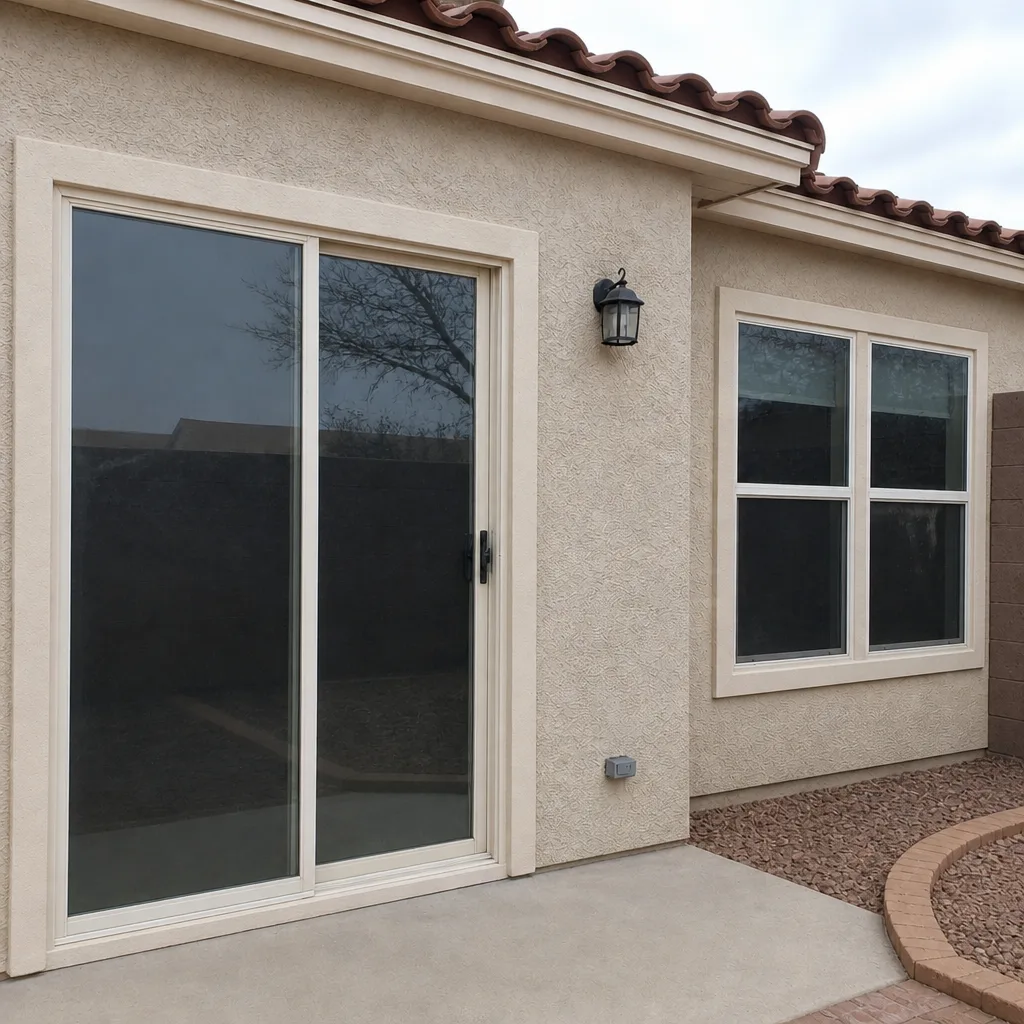 After
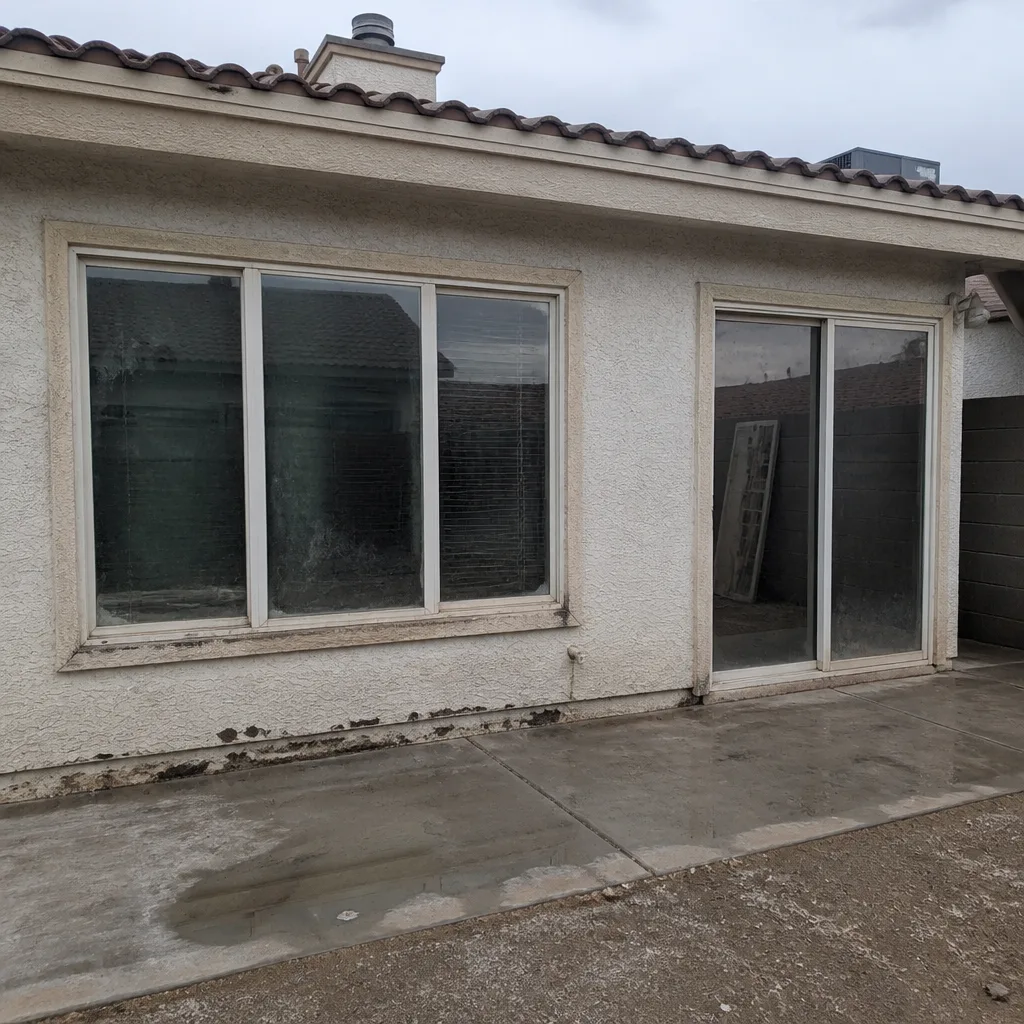 Before
 After
 Before
 After
When to Call a Professional
Call a licensed professional the moment your project touches the rough opening, the flashing, the stucco, or a permit. That covers full window replacement, entry door replacement, and any repair where you can see daylight or feel air moving through a seam. It also covers any job above the first floor, where fall risk outweighs any savings. If you own an older North Las Vegas home near Aliante or in the tracts off Craig Road, a professional inspection before you commit is genuinely worth the trip, because out-of-square openings in that housing stock are common enough to justify a measurement.
Lightwell Windows & Doors North Las Vegas offers free estimates in North Las Vegas. Call (877) 317-4920 to schedule yours, and we’ll walk through the opening, confirm the wall type, and hand you a written price before anyone touches the house.
Frequently Asked Questions
No. Every manufacturer we carry, including ECO Window Systems and ViewLux, ties its installation warranty to certified installation, so a homeowner install voids the warranty on the install itself. You may still have coverage on manufacturing defects in the glass or frame, but not on leaks or air infiltration. Call (877) 317-4920 for an exact quote on a certified install; estimates are free.
Professional installation labor on a single window in North Las Vegas typically runs $250 to $450, and a full window-and-install package commonly lands between $850 and $1,550 per opening depending on size and brand. The number depends on the wall type, the number of openings, and whether stucco patch work is required. Call (877) 317-4920 for a written, line-item quote specific to your home.
Many window and door replacements in North Las Vegas require a permit, and the inspection is what certifies the install met code. The exact requirement depends on the scope and the unit, so the safest move is to ask before work starts. A licensed contractor pulls the permit and passes the inspection on your behalf, and that paperwork is what you’ll want at resale.
Rarely. The tool cost to do one stucco opening correctly, including a rotary hammer, a grinder, flashing materials, and levels, usually runs $500 to $1,000 on its own, which typically exceeds professional labor for a single window. The math only flips toward DIY when you’re amortizing tools across many openings, which is exactly when a warranty-voiding mistake costs the most.
Operate every window three times and confirm the lock engages without force. Do the dollar-bill test on all four sides of the sash to confirm weatherstripping contact. Check the flashing sequence under the sill, the stucco patch seams for cracks, and confirm the crew left the permit paperwork and cleaned up before leaving.
It shouldn’t. At Lightwell, the written price you get before work starts is the number you pay, and that’s a standing rule on every job. If a contractor gives you a verbal estimate and reserves the right to adjust, that’s your warning sign to walk. Call (877) 317-4920 and we’ll send a written, no-hassle upfront price for your project.
The Bottom Line
The DIY-vs-pro question comes down to what happens when something goes wrong, because in North Las Vegas it will. Weatherstripping, hardware, and interior caulk are yours to handle. Anything that touches the rough opening, the flashing, the stucco patch, or a permit belongs to a licensed professional, and the warranty math makes that decision for you. One leak pays back the labor difference. Our technicians have up to 16 years of experience on North Las Vegas homes, backed by the Cedarwell Care Promise and the 365-Day Done Right Promise on every job. You’ll get a written price before anything starts, a photo of the clean-up when we’re done, and a real person on the phone if something needs attention afterward.
Call Lightwell Windows & Doors North Las Vegas at (877) 317-4920 to schedule your free estimate. We’ll look at the openings, confirm the wall type, and give you a written price you can plan around.
Written by the team at Lightwell Windows & Doors North Las Vegas.
Six Reasons Homeowners Choose Lightwell Windows & Doors North Las Vegas
Laminated glass and reinforced frames hold up to wind-driven rain, hail and flying debris, so your openings stay sealed when the weather turns.
Low-E insulated impact glass from our manufacturer lines commonly cuts monthly cooling bills 20-30%.
Laminated impact glass shuts out up to 40% of outside noise - traffic, neighbors, weather.
Monitoring services run $30-90 a month. Laminated impact glass resists forced entry around the clock, with no subscription.
Tighter seals and insulated glass even out hot and cold rooms and stop the drafts at the frame.
A full impact package upgrades curb appeal, buyer confidence and appraised value in one project.