
Last updated November 18, 2026
 Single hung
 Double hung
 Horizontal roller
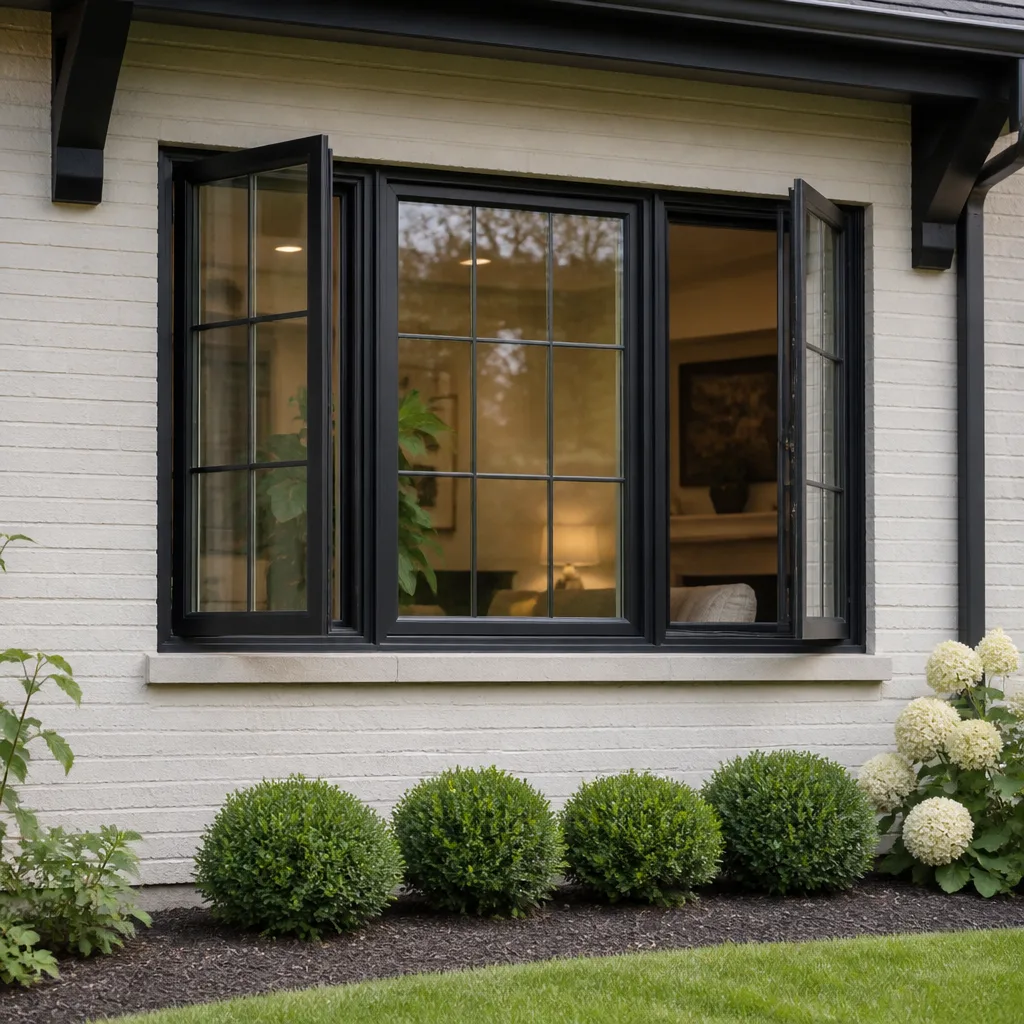 Casement
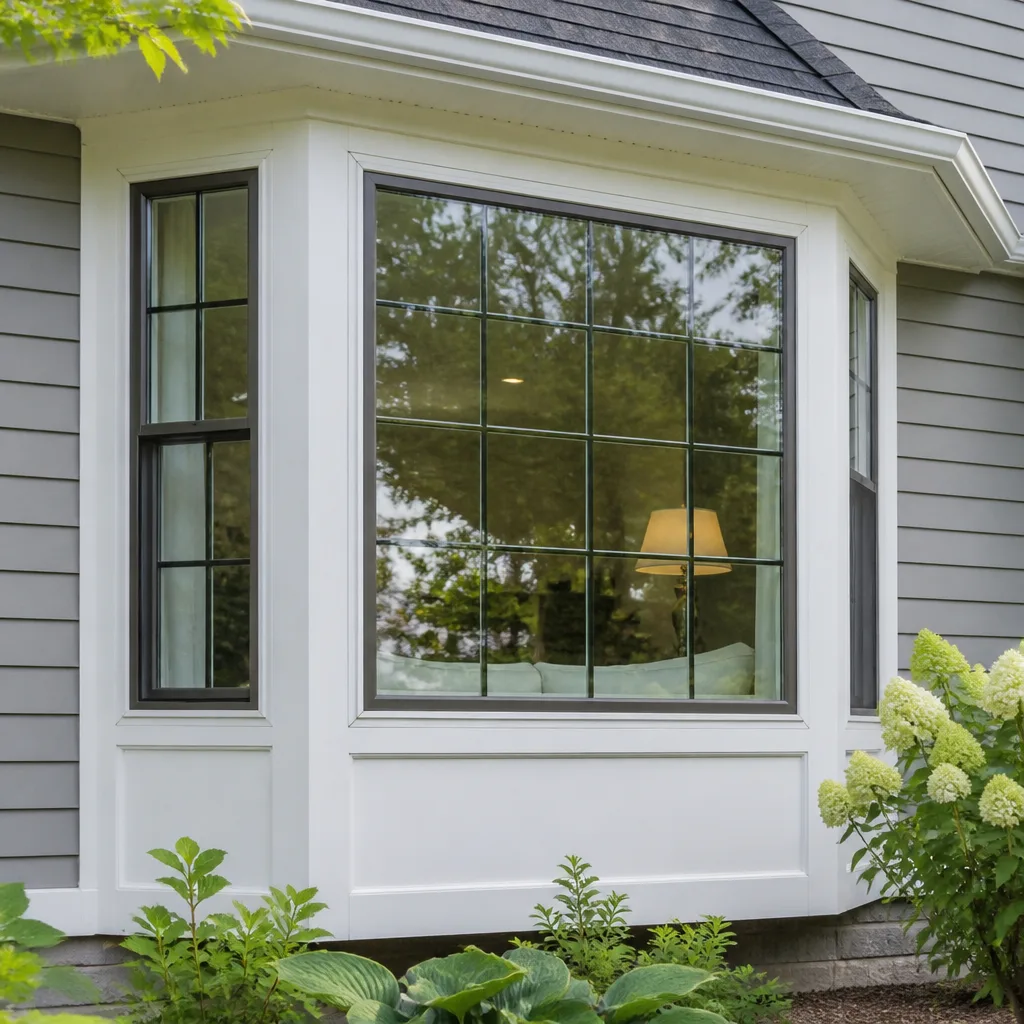 Bay & bow
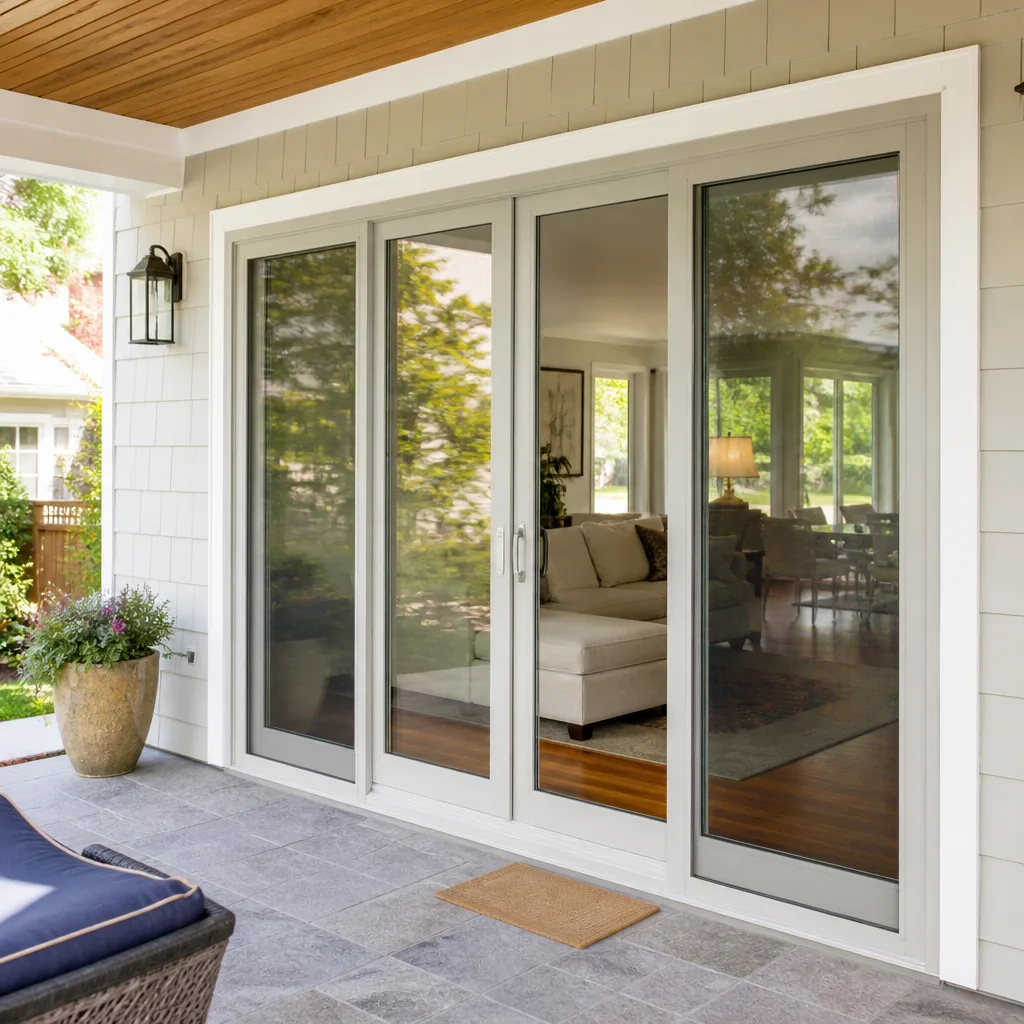 Sliding glass doors
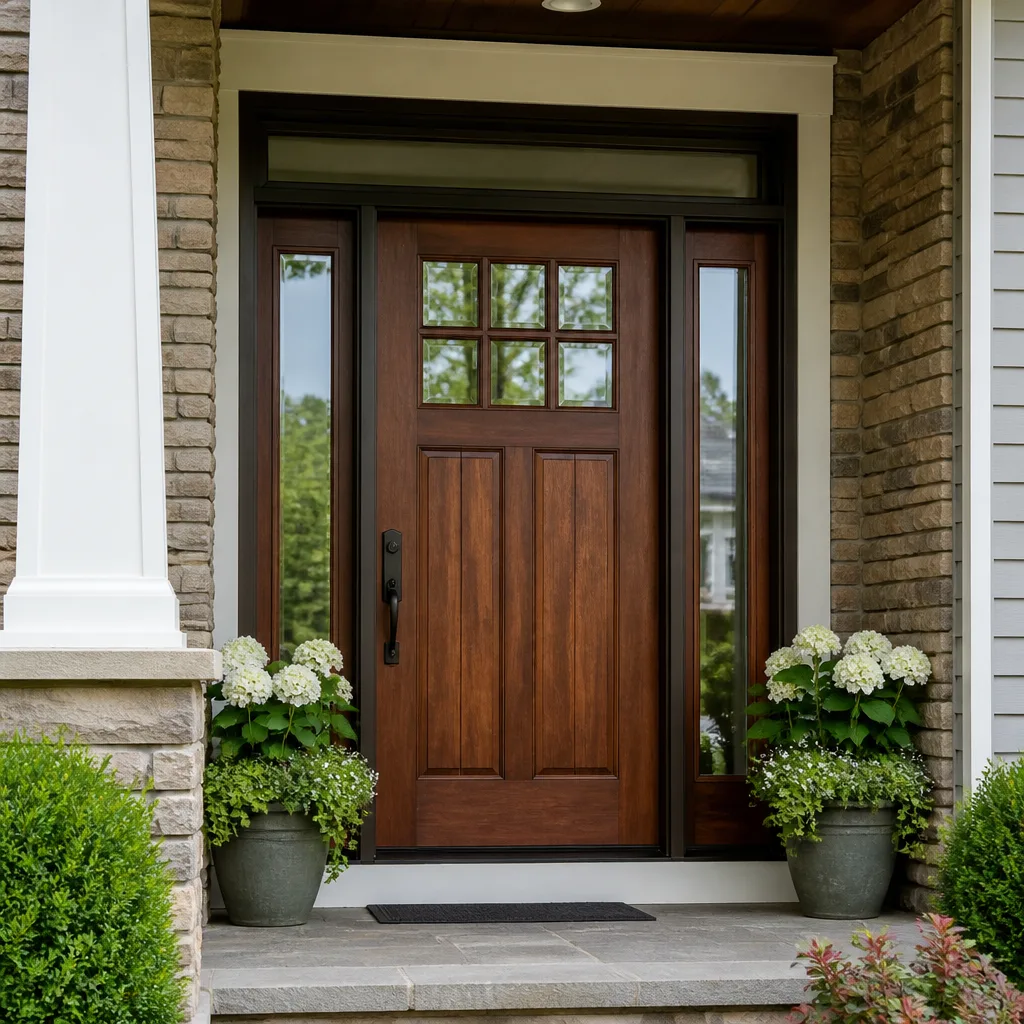 Entry doors
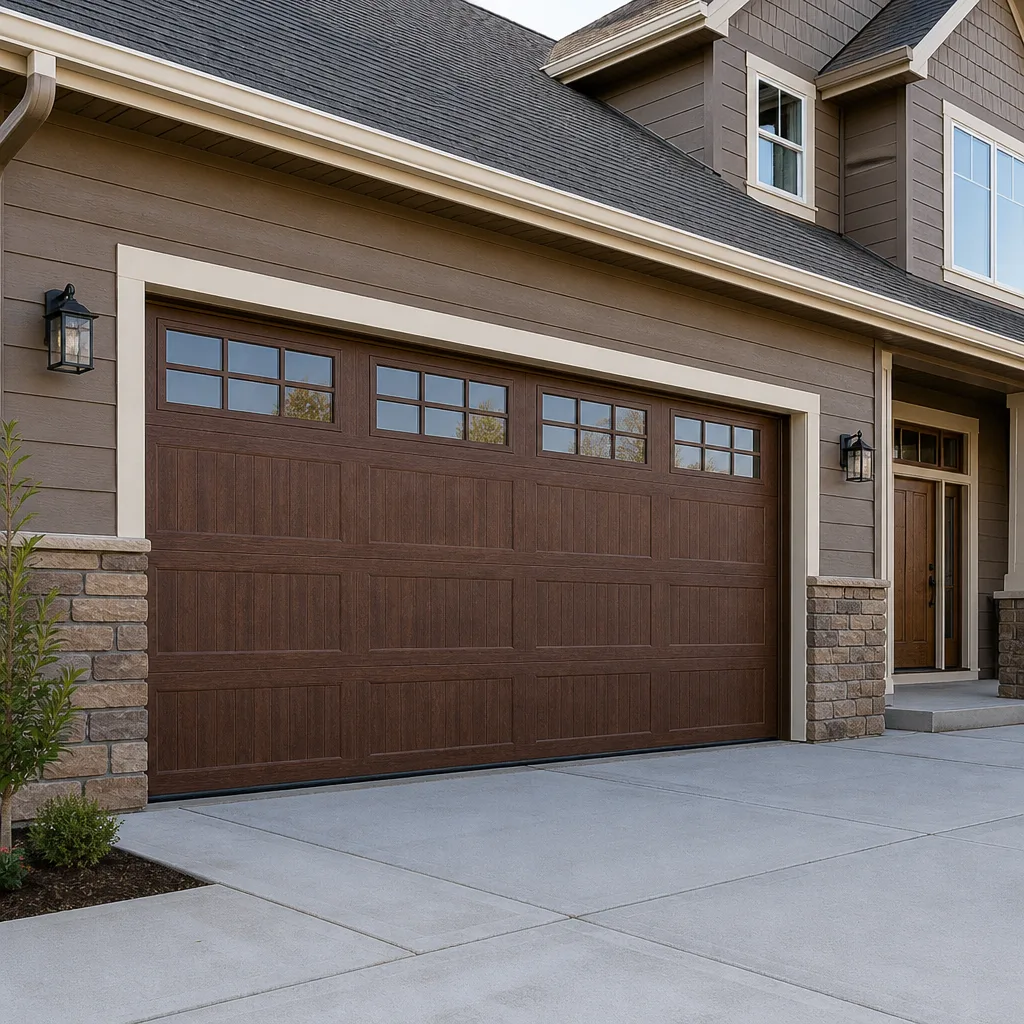 Impact garage doors
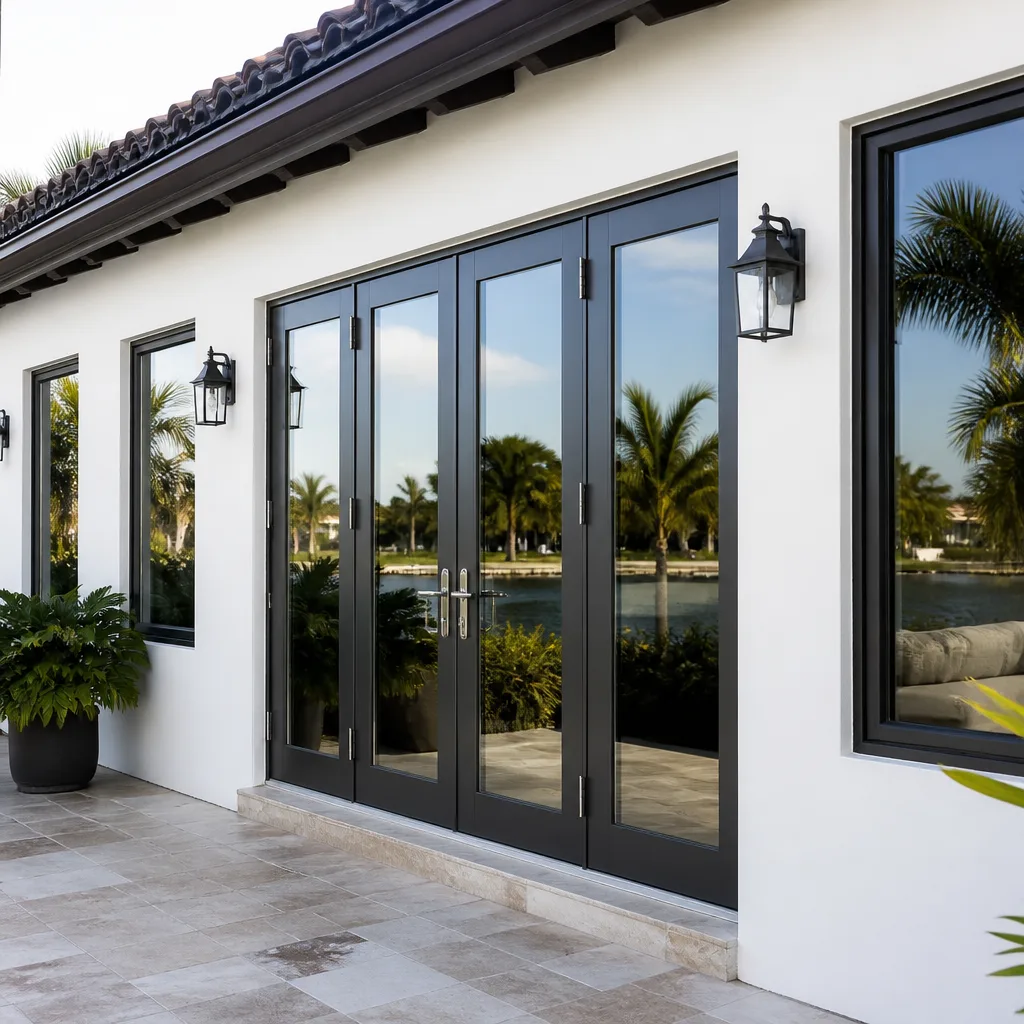 PGT
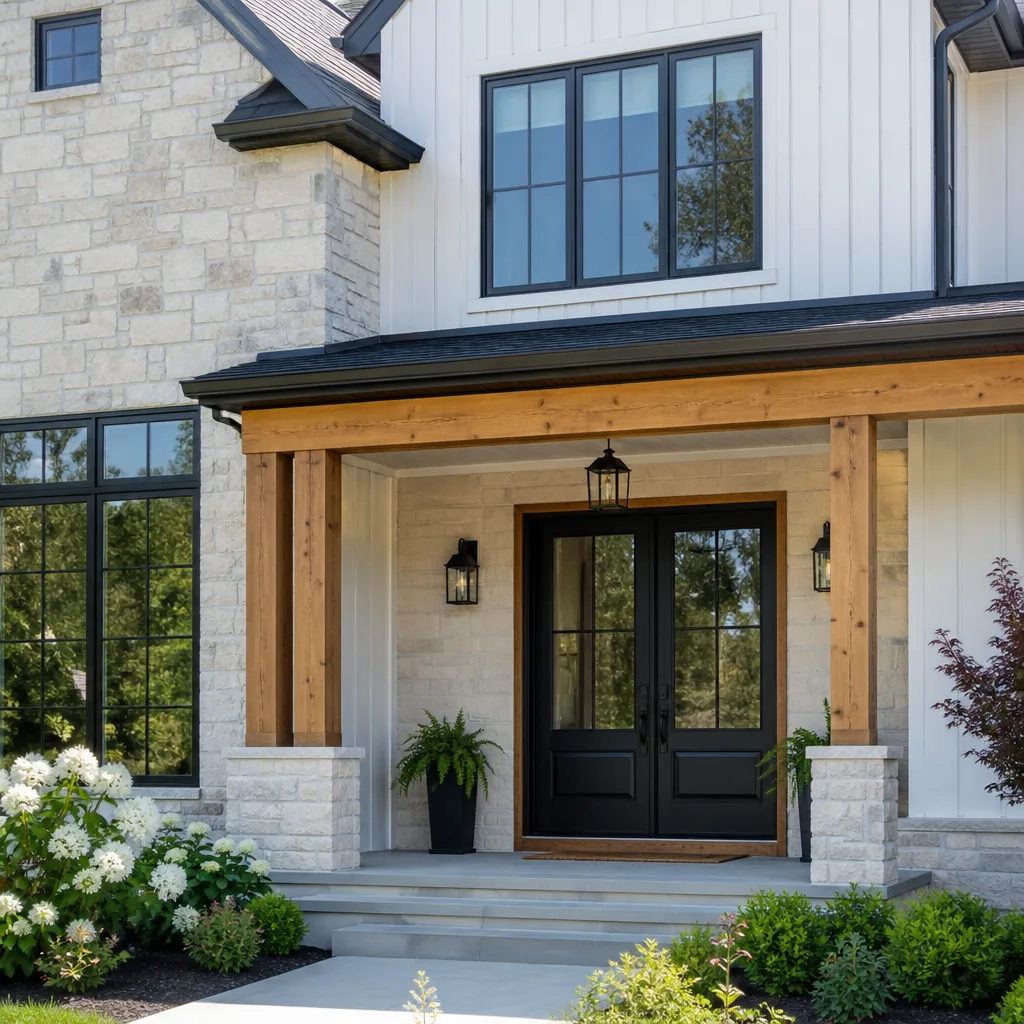 CGI
Free in-home measure and quote - PGT, CGI and CWS impact lines compared on your actual openings, style by style
Get your free estimateDoor Installation Troubleshooting: Common Problems and How to Fix Them
A door that won’t latch in summer but works fine in winter isn’t broken. It’s telling you exactly which part of the frame moved, and that information points to a fix that takes 20 minutes rather than a full reinstall. Most door problems we see in North Las Vegas fall into a handful of patterns, and each pattern has a specific cause. Learn to read the symptom and you’ll know whether you’re tightening a hinge screw or calling for a professional. Below is our decision tree: what each symptom means, what you can fix yourself, and what needs a trained eye.
Quick Answer
Most door installation problems come down to four causes: hinge sag, weatherstrip or sweep failure, head seal compression loss, or a rough opening that was never plumb. Sticking at the top points to a frame issue. Sticking at the bottom points to a threshold or sweep issue. A latch that misses the strike is almost always hinge sag, not strike misalignment. Homeowners can fix hinge screws, strike plates, and sweeps. Frame rot, out-of-plumb openings, and threshold pan failure need a professional.
Styles & brands we work with
- Single hung
- Double hung
- Horizontal roller
- Casement
- Bay & bow
- Sliding glass doors
- Entry doors
- Impact garage doors
- PGT
- CGI
Table of Contents
- Start With the Symptom, Not the Door
- Door Sticking at the Top: Frame Movement or Head Seal
- Door Sticking at the Bottom: Threshold and Sweep
- Door Sticking on the Latch Side: Hinge Sag
- Why North Las Vegas Temperature Swings Change Your Door Fit
- The Four Most Misdiagnosed Problems
- Homeowner-Fixable vs. Call-a-Pro
- When Troubleshooting Means a Warranty Call
Start With the Symptom, Not the Door
Before you touch a screwdriver, figure out where the door is binding. Get a 2-foot level and a dollar bill. Set the level vertically against the hinge jamb. If the bubble is close to centered, your frame is plumb. If it’s off by more than the width of the bubble itself, the frame moved. Now close the door on the dollar bill, one side at a time. If the bill slides out with no resistance, your weatherstrip isn’t sealing there. That’s your problem zone.
Next, look at where the door is wearing. There are three zones: the top rail, the bottom rail, and the latch side. Each zone points to a different root cause. A door that drags at the top is a frame issue. A door that drags at the bottom is a threshold or sweep issue. A door that drags on the latch side is almost always hinge sag. That distinction saves families in North Las Vegas from replacing doors that only needed a five-minute adjustment.
We’ve walked into homes in Aliante and Eldorado where the homeowner was ready to order a full replacement because the door “wouldn’t close anymore.” Ninety percent of the time, the diagnosis was two loose screws on the top hinge. The other ten percent needed real work. Both outcomes required knowing the symptom first. If you’re already planning a replacement rather than a repair, our Door Installation in North Las Vegas page walks through what a new install includes from start to finish.
Door Sticking at the Top: Frame Movement or Head Seal
A door that binds at the top rail almost never has a door problem. It has a frame problem. Either the header above the door has dropped slightly, or the hinge jamb has tilted. In North Las Vegas, this shows up most often in homes that get intense summer sun on one side of the wall and shade on the other. The sun-facing jamb expands faster than the shaded side, and the frame racks just enough to bind the top corner.
Check for it with a 4-foot level on the header. Then check the reveal (the gap between the door slab and the jamb). If the top reveal is narrower on one side than the other, the frame has tilted. Small tilts of an eighth of an inch or less can often be corrected by adjusting the hinge side. Bigger tilts, or any sign of moisture damage at the header, need a professional.
The second cause of a top-side bind is a head seal that lost compression. Most exterior doors rely on a compressible seal along the top. When that seal flattens over time, the door sags into the opening and starts dragging. You can test it by pressing on the head seal with your thumb. If it feels hard and flat instead of springy, it needs replacement. That’s a homeowner-level fix on most door types, including the Therma-Tru and ES Windows entry systems we install in North Las Vegas homes.
What to check, in order:
- Level the header.
- Measure the reveal at the top left and top right. A difference over 3/16 inch means the frame is out of square.
- Press the head seal to test compression.
- Look for water staining at the top corners. Any sign of moisture means stop and call a pro.
Door Sticking at the Bottom: Threshold and Sweep
Doors that drag at the bottom are almost always a threshold or sweep problem, not a door problem. In North Las Vegas, we see three patterns in the bottom zone:
- Seasonal drag: The door scrapes from May through September and clears from November through March. This is threshold expansion. Metal thresholds grow with heat, and a 36-inch aluminum threshold can widen by a sixteenth of an inch across a North Las Vegas summer, which is often the difference between a clean swing and a scrape.
- Sweep wear: The rubber or brush sweep at the bottom flattens out after a few years of sun exposure. Once it flattens, it drags on the threshold. Replaceable on almost every door we install, including the CWS sliding systems.
- Threshold pan failure: The metal pan under the door has separated from the sill or rusted through. You’ll see daylight under the threshold, or you’ll feel air coming up through the sill. This one is a professional job. Pan failure also lets water into the wall, and in North Las Vegas monsoon season that moisture has nowhere to go but into the framing.
For seasonal drag, adjust the threshold height (most have set screws that raise or lower the sill plate). For sweep wear, replace the sweep. For pan failure, call us.
Door Sticking on the Latch Side: Hinge Sag
A door that binds on the latch side, or a latch that misses the strike plate, is nine times out of ten a hinge problem. Not a strike plate problem. This is the single most misdiagnosed door issue we encounter in North Las Vegas.
The reasoning is simple. Each hinge in a standard door carries about a third of the weight. The top hinge carries the most load because it’s furthest from the latch and the door has the most leverage there. Over a few years, the screws in that top hinge wallow out the wood in the jamb. The door then drops a sixteenth to an eighth of an inch at the latch side, and the latch bolt misses the strike by exactly that amount.
How to confirm you have hinge sag and not strike misalignment: with the door almost closed, look at the reveal between the door slab and the latch jamb. If the gap narrows from top to bottom, hinges are sagging. If the reveal is even but the strike plate just sits a bit high or low, then it’s a strike plate issue, and moving the plate is the fix.
For hinge sag, the standard homeowner fix is:
- Remove the top hinge screw that goes into the jamb.
- Fill the hole with a wooden golf tee snapped off flush, or a couple of toothpicks coated in wood glue.
- Wait for the glue to dry, then reinsert the hinge screw.
- Test the swing.
If the jamb wood around the hinge is soft from moisture, or if the door is heavy (steel entry, glass-panel, oversized), stop and call us. A heavy door that falls is dangerous.
Why North Las Vegas Temperature Swings Change Your Door Fit
Here’s the math that explains half the seasonal door complaints in North Las Vegas. A 36-inch steel entry door expands and contracts about 0.007 inches per degree Fahrenheit. Between a July afternoon at 108°F in North Las Vegas and a January morning at 38°F, that’s a 70-degree swing. Multiply it out: the door slab grows or shrinks by roughly half an inch across the year. Not enough to change the door’s function, but more than enough to shift how the door seats against the weatherstrip.
The threshold has its own swing. Aluminum expands at a similar rate. So does the steel frame. But wood jamb liners expand differently, and stucco-covered walls barely expand at all. What that means for a North Las Vegas homeowner: a door that fit well in April will feel different in August, and that’s expected. Adjusting your threshold, weatherstrip, and strike plate for the summer and again for the winter is normal maintenance, not a sign the door is failing.
When the seasonal shift exceeds about a sixteenth of an inch at the latch side, though, that’s not thermal movement. That’s frame movement. That’s when you check with your level and consider whether the door was installed correctly to begin with. For reference, our Window Installation in North Las Vegas guide explains the same thermal principles on the window side, where the stakes are slightly lower but the science is the same.
The Four Most Misdiagnosed Problems
These four problems get misdiagnosed more than any others we see in North Las Vegas homes.
1. A latch that misses the strike (usually hinge sag, not strike placement)
Covered above. If the reveal narrows toward the latch side, it’s the hinge. Moving the strike plate upward to “meet” a sagging latch is a temporary fix that causes the latch to wear unevenly for years. Fix the hinge first.
2. A door that whistles (sweep, not weatherstrip)
Whistling is airflow at high velocity through a small gap. On exterior doors, the small gap that generates the whistle is almost always at the bottom, where the sweep meets the threshold. Whistles don’t come from weatherstrip gaps because weatherstrip runs the full perimeter where air moves slowly. If your door whistles in a North Las Vegas wind event, replace the sweep before replacing the weatherstrip. Mr-Glass doors, which we install, use a sweep that’s especially easy to swap.
3. A draft at the top (head seal compression loss)
Feel cold air near the top corner in summer, or hot air in winter? That’s a head seal that lost compression. Feel it by pressing the seal. If it’s hard, replace it. If it’s springy, look at the corners instead, where the weatherstrip meets the jamb liner. The gap in the corners is the source.
4. A door that swings open on its own (hinge pin lean)
A door that swings open on its own is telling you that the jamb is out of plumb. Not the hinge pin. The frame has tilted just enough that gravity notices. On a door we can adjust, tilt correction takes about 20 minutes. On a door that’s already out of warranty, the fix is either shimming the hinge side or resetting the frame.
Homeowner-Fixable vs. Call-a-Pro
Honest, specific line between the two, because getting this wrong wastes money or causes damage.
- Homeowner-fixable: Hinge screws (tighten or plug with glue and toothpicks), strike plate repositioning, sweep replacement, threshold height adjustment on a set-screw threshold, weatherstrip replacement at the perimeter, and dusting or lubricating the hinges.
- Call a professional: Frame rot anywhere (header, jamb, sill), out-of-plumb rough opening more than 3/16 inch out of square, threshold pan failure, hinge jamb wood that’s soft from moisture, any door over 100 pounds, and any door that’s part of a multi-point lock system (those need the strike plate and lock to be aligned within a very tight tolerance).
- Also call a professional: Any symptom that started after a wall was hit hard by a vehicle, a falling tree limb, or a North Las Vegas monsoon storm. Impact damage to a frame can look like sagging but requires a full re-level.
There’s one more category. If you’re troubleshooting a door that’s less than a year old, don’t fix it yourself. Call the installer. More on that below.
When Troubleshooting Means a Warranty Call
If a door was installed within the last 12 months and it’s not performing correctly, the problem is an installation-warranty matter, not a homeowner repair. That’s why we stamp the 365-Day Done Right Promise on every install we complete. If a door we installed in North Las Vegas sticks, whistles, or drafts in its first year, we come back and make it right. No debate, no countdown, no invoice.
Before you call any installer, document the problem. Take a photo of the reveal at the top, middle, and bottom. Take a photo of the latch engagement with the door almost closed. Write down when the problem started (date, approximate temperature) and whether it’s constant or seasonal. That documentation turns a warranty call from a debate into a five-minute conversation. The installer can confirm the diagnosis from photos and schedule the fix on the first visit.
One thing to know: many door problems that appear in the first year are actually adjustment issues, not installation failures. A door that fit perfectly in April and sticks in August may just need the threshold adjusted for summer. That’s covered under warranty either way. But knowing what kind of problem you’re looking at helps the installer bring the right parts. For the broader context on how we install doors on a fresh install, see our Window Replacement in North Las Vegas guide, which covers the same quality checks we use on door installs.
Common Mistakes to Avoid
- Moving the strike plate before checking the hinges. If the latch is missing the strike, the top hinge is the culprit nine times out of ten. Moving the strike upward to meet the latch hides the real problem and shortens the lock’s life.
- Over-tightening hinge screws into soft jamb wood. Once the screw threads strip the wood, the hinge will keep sagging no matter how hard you drive the screw. Plug the hole with glue and a wooden golf tee first.
- Replacing the whole door when a $12 sweep would fix it. A whistling door in a North Las Vegas wind event is almost always the sweep. Test it before you order a new door.
- Ignoring threshold pan rust. In the one or two monsoon events North Las Vegas gets each summer, a rusted pan routes water directly into the wall. Look under the threshold with a flashlight every spring.
- Adjusting things you don’t understand on a multi-point lock. Multi-point lock hardware on high-end doors, including several ECO Window Systems models, needs alignment within about a millimeter. Homeowner adjustments usually make it worse.
- Calling for warranty before you’ve documented the problem. Photos of the reveal and the latch engagement make the conversation fast. Without them, you and the installer are guessing at what changed.
- Assuming a seasonal swing means the door was installed wrong. A 70-degree swing in North Las Vegas is normal. A door that shifts by half an inch across the year is a maintenance item, not a warranty claim.
See the difference
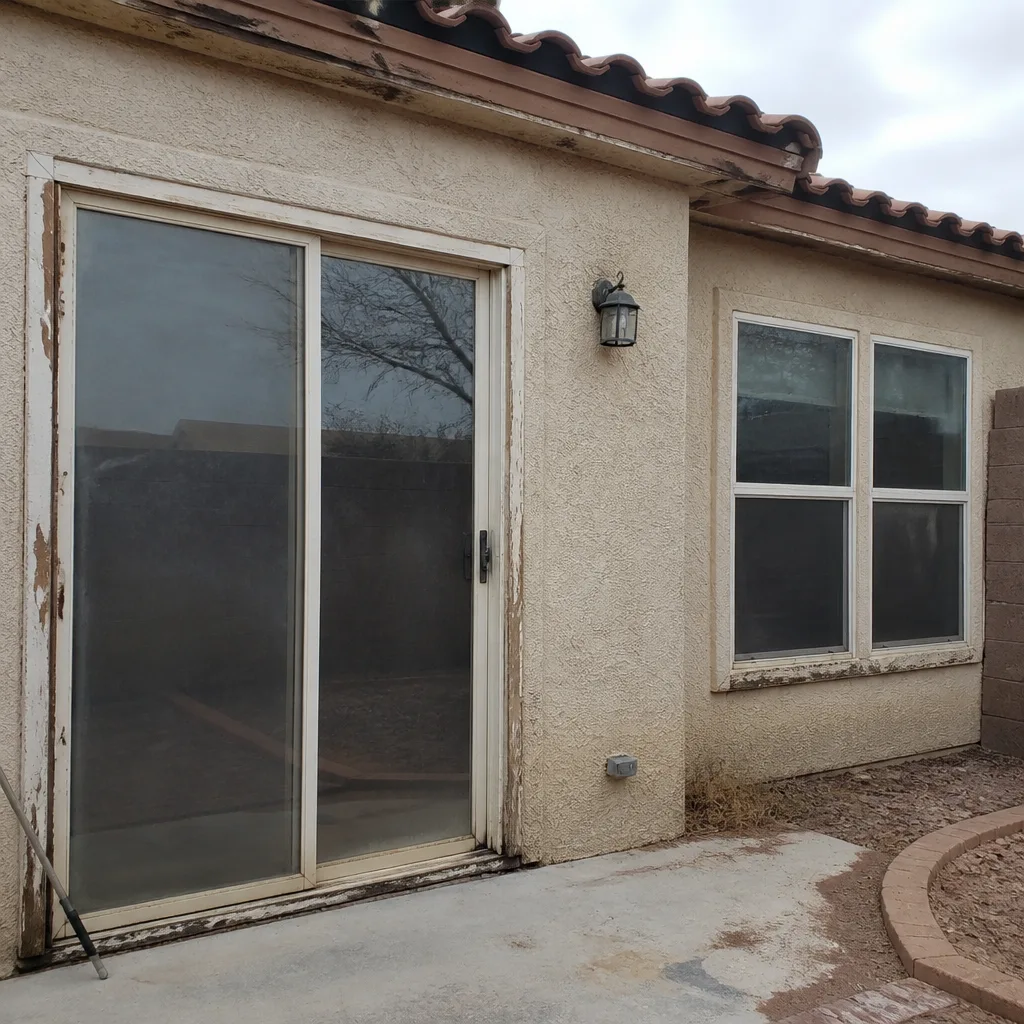 Before
 After
 Before
 After
 Before
 After
When to Call a Professional
Call a professional if you see any of the following: soft or stained wood around the frame, daylight visible under the threshold pan, a door that binds more than a quarter inch at any point, a hinge jamb where the screws won’t hold, or a multi-point lock system that won’t engage fully. Also call if the door is over 100 pounds (steel entry, glass-panel, or oversized doors are heavy enough that a hinge failure can be dangerous) or if the door is part of a new-construction frame that was never plumbed correctly. Any of those stop being a homeowner fix and become a professional job.
Lightwell Windows & Doors North Las Vegas offers free estimates in North Las Vegas. Call (877) 317-4920 and we’ll walk through the symptom and the likely fix. If the problem is a warranty matter on a door we installed, we handle it under the 365-Day Done Right Promise. If it’s a repair or replacement, you’ll get a written price before we touch anything.
Frequently Asked Questions
Seasonal sticking is normal in North Las Vegas because a 70-degree temperature swing between summer and winter moves the door slab and threshold by about half an inch. That’s thermal expansion, not installation failure. Adjust the threshold and check the head seal. If it’s still sticking by more than a quarter inch, call us for an estimate at (877) 317-4920.
Look at the reveal between the door slab and the latch jamb. If the gap narrows from top to bottom, the hinge is sagging. If the reveal is even but the latch just sits above or below the strike, the plate needs to move. Hinge sag is the more common cause. Call (877) 317-4920 if you’re not sure – we do free estimates in North Las Vegas.
Small adjustments (tightening hinge screws, replacing a sweep, adjusting threshold height) don’t void an installation warranty with us, but the safest path is to call the installer first. Our 365-Day Done Right Promise covers adjustment issues in the first year at no cost. Call (877) 317-4920 and we’ll schedule a visit.
Hinge sag on entry doors, especially in homes that are 15 years old or older where the jamb wood has dried and loosened its grip on the hinge screws. Second most common is threshold pan rust on doors facing west, where afternoon sun and occasional monsoon rain are hard on the metal. Both are fixable. Call (877) 317-4920 for a free estimate.
Simple homeowner fixes cost next to nothing (a $12 sweep, a new pack of weatherstrip). A professional visit for hinge sag, strike plate adjustment, or threshold repair typically runs $95 to $250 depending on what’s needed. Full frame repair or threshold pan replacement runs more. Call (877) 317-4920 for an exact quote – estimates are free.
Yes. Multi-point lock systems (common on high-end doors, including several ECO Window Systems models) need strike plates and lock hardware aligned within about a millimeter. Homeowner adjustments usually make them worse. Those need a trained technician. Call (877) 317-4920 to schedule a free estimate.
The Bottom Line
Most door problems come down to one of four causes: hinge sag, weatherstrip or sweep failure, head seal compression loss, or an out-of-plumb frame. Read the symptom first, then decide whether it’s a homeowner fix or a professional job. In North Las Vegas, a 70-degree swing between summer and winter means a certain amount of seasonal adjustment is normal. If the shift exceeds a quarter inch, or if you see soft wood, daylight under the threshold, or screws that won’t hold, call us. Our technicians have up to 16 years of experience with every door type we install, and every job is protected by the 365-Day Done Right Promise.
Door problems in your North Las Vegas home? Call Lightwell Windows & Doors North Las Vegas at (877) 317-4920 for a free estimate. We’ll walk through the symptom with you, tell you honestly whether it needs a repair or a replacement, and put the price in writing before any work starts. Our team follows the C.A.R.E. values on every visit: we clean up like it’s our own home, ask before we move anything, respect your family’s time and quiet hours, and explain the price before we touch a screw.
You can start at our Lightwell Windows & Doors North Las Vegas home page to see the full range of what we do, or call us directly. A live person answers 24/7. Whether you’re replacing a door that’s seen better years or trying to figure out why a door you just had installed doesn’t close right, we’ll get you a straight answer. A light well is what brings daylight deep into a building – that’s what a well-installed door should do for your home. And when it does need work, free estimates and written pricing come standard.
Written by the team at Lightwell Windows & Doors North Las Vegas.
Six Reasons Homeowners Choose Lightwell Windows & Doors North Las Vegas
Laminated glass and reinforced frames hold up to wind-driven rain, hail and flying debris, so your openings stay sealed when the weather turns.
Low-E insulated impact glass from our manufacturer lines commonly cuts monthly cooling bills 20-30%.
Laminated impact glass shuts out up to 40% of outside noise - traffic, neighbors, weather.
Monitoring services run $30-90 a month. Laminated impact glass resists forced entry around the clock, with no subscription.
Tighter seals and insulated glass even out hot and cold rooms and stop the drafts at the frame.
A full impact package upgrades curb appeal, buyer confidence and appraised value in one project.