
Last updated November 18, 2026
 Single hung
 Double hung
 Horizontal roller
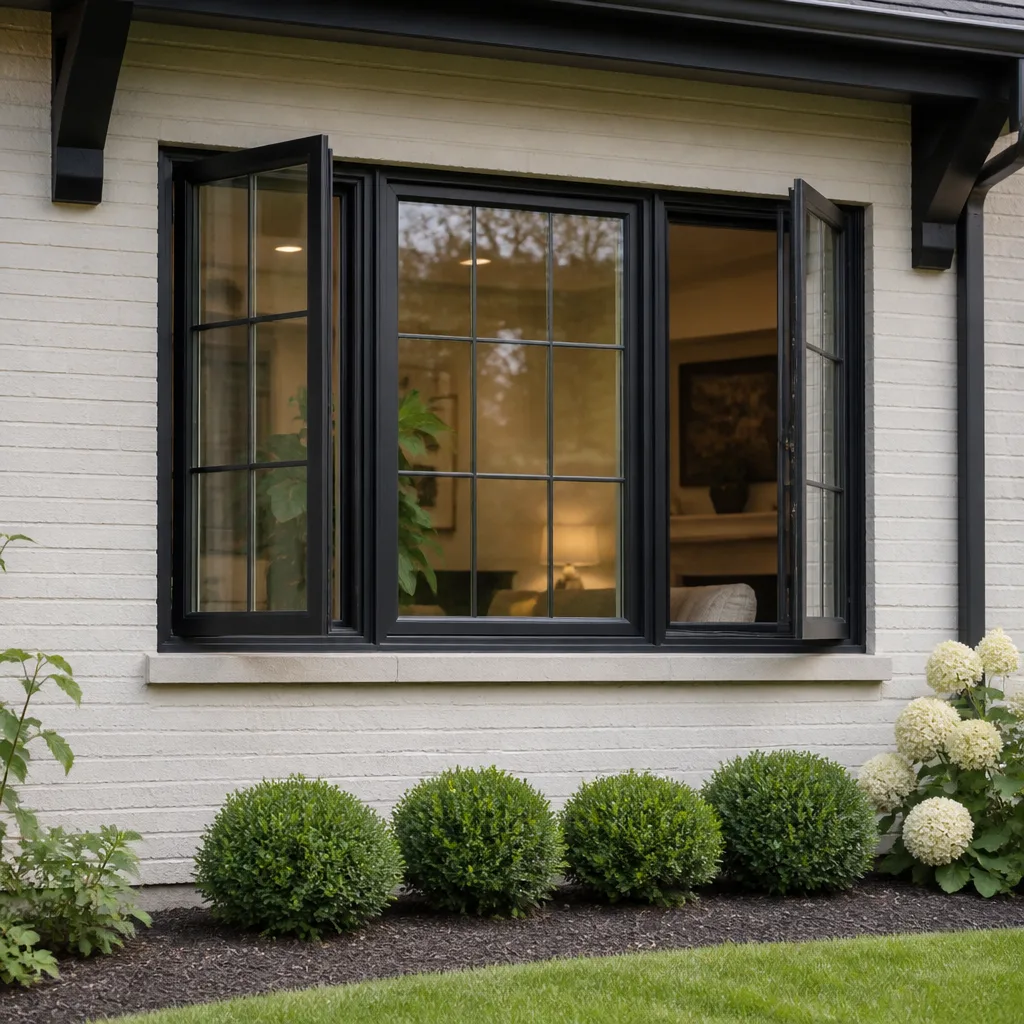 Casement
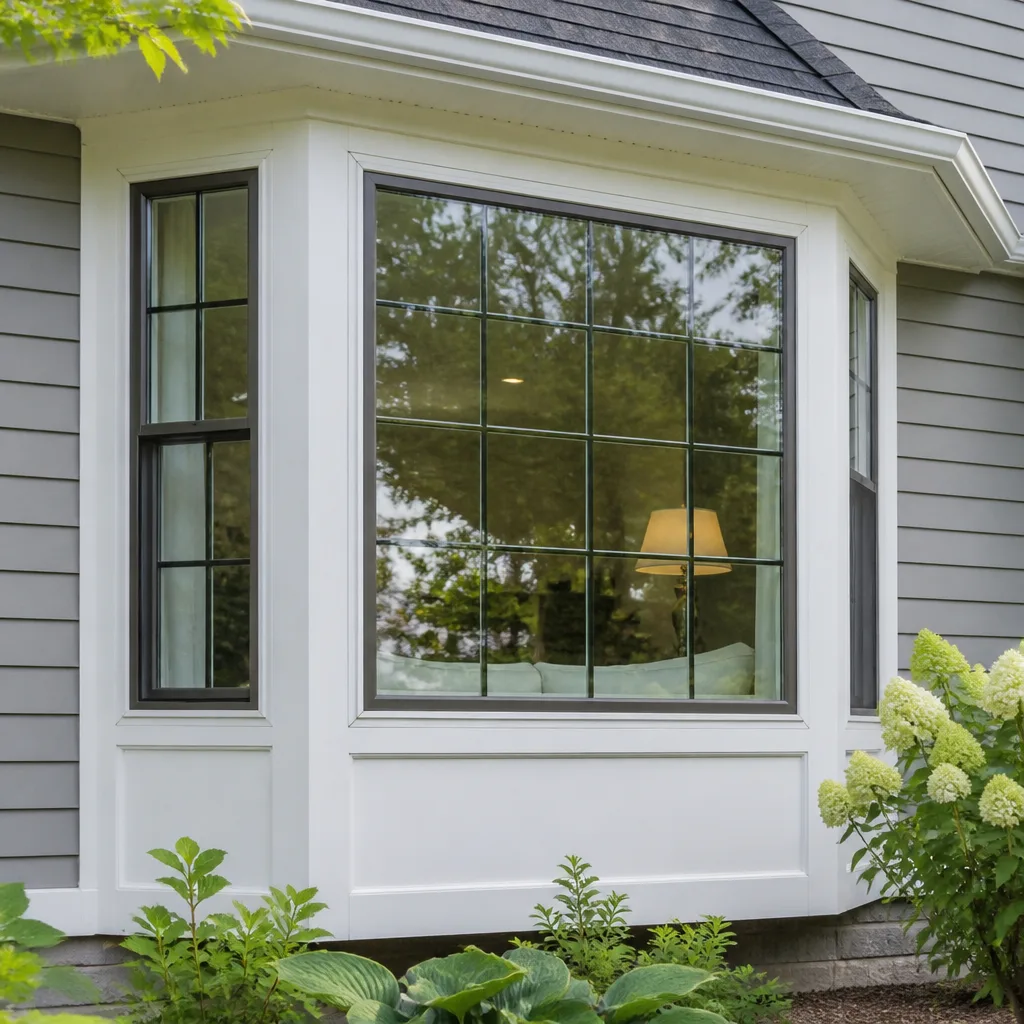 Bay & bow
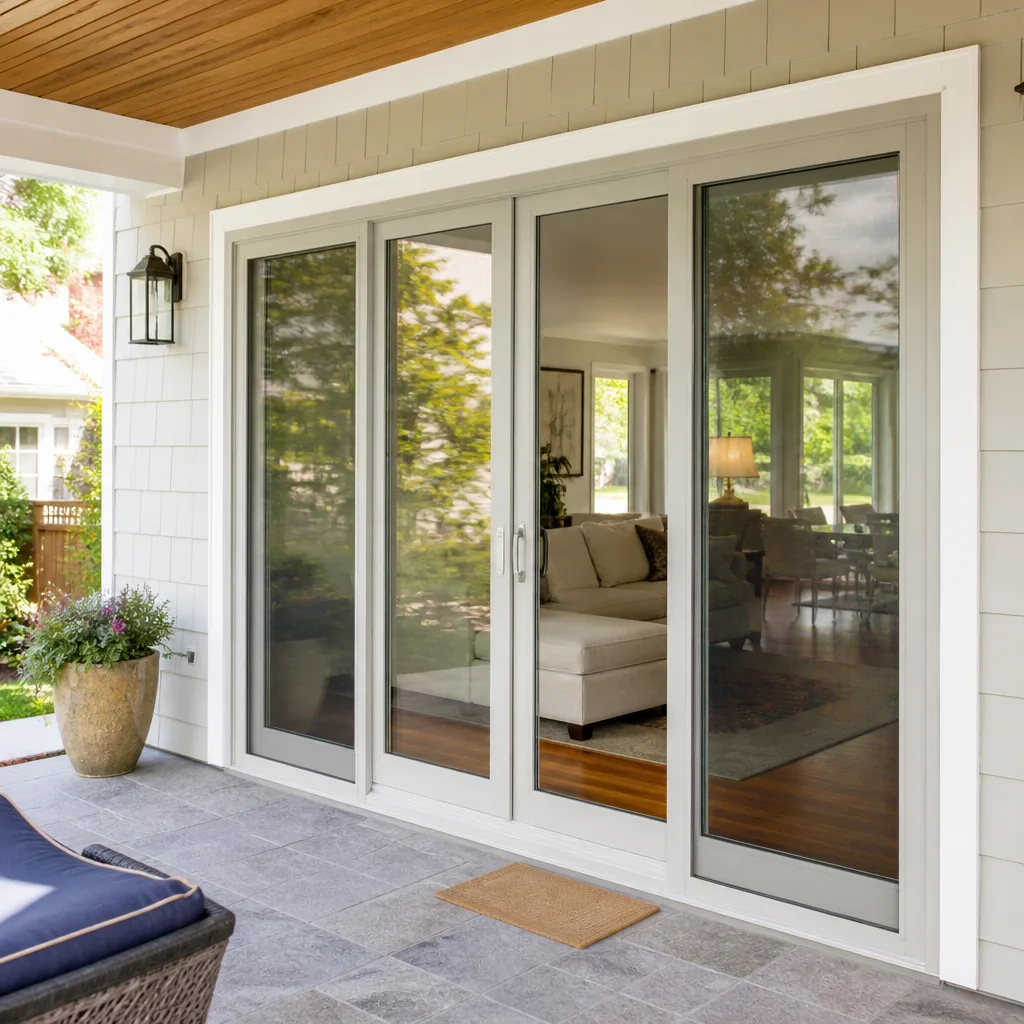 Sliding glass doors
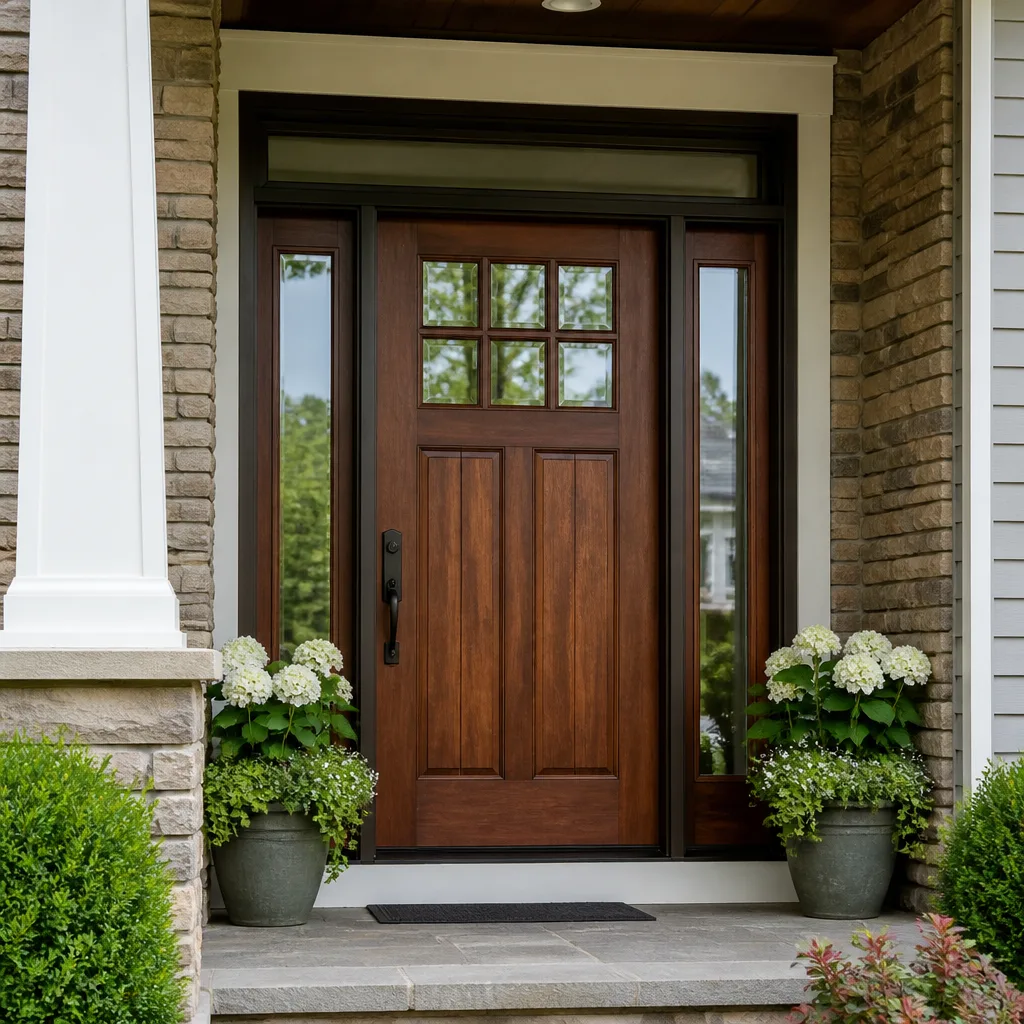 Entry doors
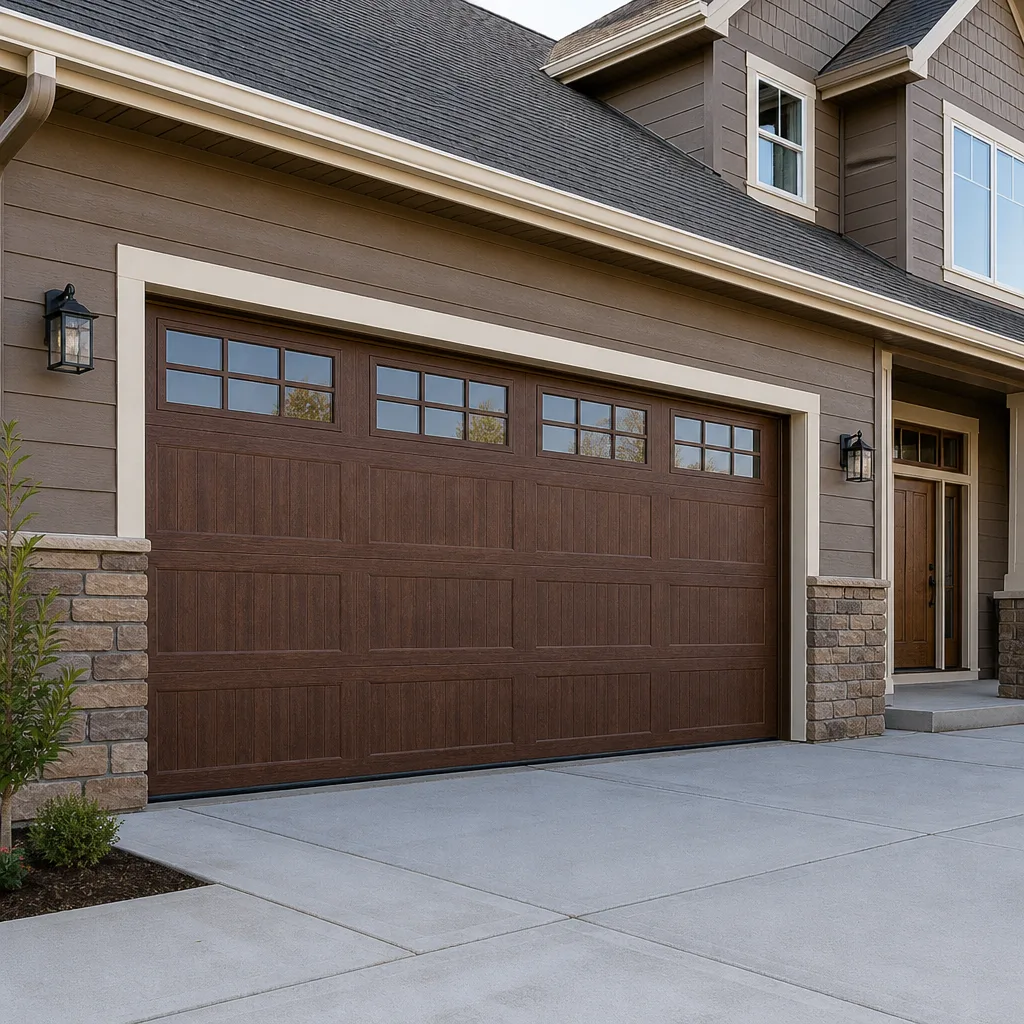 Impact garage doors
 PGT
 CGI
Free in-home measure and quote - PGT, CGI and CWS impact lines compared on your actual openings, style by style
Get your free estimateDIY vs Professional Window Replacement: What’s Safe to Do Yourself
Replacing a window sash insert – the glass-and-frame unit that slides into an existing frame – is a reasonable weekend task for a careful homeowner. Replacing the full frame in a stucco wall is a waterproofing project disguised as a window project, and the two get confused constantly in online tutorials. That confusion is how a $200 DIY plan turns into a $4,000 repair bill after the first monsoon season. In this guide, we draw a clear line between what’s genuinely safe to handle yourself and what isn’t, name the specific North Las Vegas permit rule that trips people up, and show you where the real costs hide. You’ll finish knowing exactly which tasks belong on your Saturday list and which belong to a licensed installer.
Quick Answer
A homeowner can safely handle glass cleaning, screen replacement, weatherstripping swaps, hardware replacement, and interior casing paint without any permit. The moment your project involves cutting or resizing the rough opening, you cross into a different risk category: the City of North Las Vegas requires a permit and inspection for any window change that alters the rough opening size, and unpermitted work can complicate a future insurance claim. Full-frame replacement in stucco is the job we’d hand to a professional, not because it’s impossible, but because waterproofing and stucco repair carry risks that cost more to fix than the installation labor.
Styles & brands we work with
- Single hung
- Double hung
- Horizontal roller
- Casement
- Bay & bow
- Sliding glass doors
- Entry doors
- Impact garage doors
- PGT
- CGI
Table of Contents
- The Task-by-Task Breakdown: What’s Safe, What’s a Permit Question, What’s Professional Territory
- What You Can Do Without a Permit
- What Requires a Permit (and Could Theoretically Be DIY)
- Why Stucco Repair Is the Most Underestimated DIY Cost in North Las Vegas
- The North Las Vegas Permit Rule and What It Means for Your Insurance
- What “Contractor-Grade” Actually Means in Product Terms
- Three Questions to Ask Any Installer Before Signing
- Common Mistakes to Avoid
- When to Call a Professional
- Frequently Asked Questions
The Task-by-Task Breakdown: What’s Safe, What’s a Permit Question, What’s Professional Territory
Most DIY window advice online treats “replace a window” as one job. It isn’t. There are at least five distinct jobs that get lumped under that phrase, and each carries a different level of risk. Sorting your project into the right bucket is the first step, and it’s the step most homeowners skip.
Here’s how we think about it. Ask yourself one question: does my project touch the rough opening – the framed hole in the wall where the window sits? If the answer is no, you’re almost certainly in safe DIY territory. If the answer is yes, you’re in a different category entirely.
- Sash insert replacement: The glass-and-frame unit slides into an existing frame. Moderate DIY risk, no permit in most cases. Best for homeowners comfortable with measuring twice and sealing properly.
- Screen and weatherstripping: No permit. No structural risk. Reasonable for anyone comfortable with a screwdriver.
- Hardware replacement (locks, cranks, hinges): No permit. Watch the model numbers carefully – mismatches are the most common frustration.
- Interior casing paint: No permit. Pure cosmetic.
- Full-frame replacement (rough opening involved): Permit required in North Las Vegas when the opening size changes. Full waterproofing responsibility. Stucco repair required on the exterior.
In our experience, most homeowners who call us after a failed DIY attempt weren’t trying to do full-frame replacement. They were trying to do a sash insert, got quoted a “full replacement” price, decided to cut out the middleman, and discovered mid-project that they were actually removing a frame from a stucco wall. That gap between what the project looked like and what it actually was is where money gets lost.
If your project is a genuine sash insert – the existing frame is sound, the rough opening is the right size, and you’re just swapping the sliding unit – the DIY path is viable. For everything else, the rest of this guide walks through the trade-offs. And if you’re not sure which bucket you’re in, that’s usually a sign the project belongs in the professional column. Window Installation in North Las Vegas covers what a professional install looks like end to end.
What You Can Do Without a Permit
These are the tasks we’d genuinely encourage a careful homeowner to take on. They don’t require a permit, they don’t carry structural risk, and if something goes wrong you’re out the cost of parts, not the cost of new framing.
- Screen replacement. Torn mesh, sagging spline, or a pet clawed through – all fixable in an afternoon with a spline roller, new mesh, and a flat work surface. Measure the frame inside channel to inside channel; order 10% extra mesh width.
- Weatherstripping replacement. Felt and foam seals flatten over a few desert summers. Pull the old strip, clean the channel, and press in new adhesive-backed foam. This is the single highest-value DIY window task in North Las Vegas – it’s cheap, it’s fast, and it’s the first thing to fail when the AC is working hard.
- Hardware replacement. Window locks, sash lifts, cranks, and casement operators are all replaceable. Write down the exact make and model stamped on the unit, then order the matching part. Mismatched hardware is the number one reason a “quick fix” turns into three trips to the hardware store.
- Glass cleaning and interior casing paint. Cosmetic and simple. Tape the glass edges before you paint, and use painter’s tape rated for a clean peel so you don’t leave adhesive residue on the frame.
- Caulking interior gaps. Small air leaks around interior trim can be sealed with a paintable latex caulk. Not a fix for a failing window, but a reasonable stopgap while you plan a bigger project.
None of these tasks changes the size of the opening or touches the exterior waterproofing. That’s the dividing line. If your list contains only items above, you can stay out of the permit office and out of the contractor’s schedule. Our full guide to Window Replacement in North Las Vegas covers the professional side for tasks that cross that line.
What Requires a Permit (and Could Theoretically Be DIY)
There’s a middle tier of projects that a highly skilled homeowner could technically pull off – but only by taking on the permit process, the inspection timeline, and the waterproofing responsibility that comes with them. In our experience, most homeowners who start down this path wish they hadn’t.
Full-frame replacement is the main entry in this tier. So is any window change that alters the rough opening size, which includes:
- Enlarging a window (a common renovation in older North Las Vegas homes where the original 1960s glazing was undersized for modern rooms)
- Narrowing a window
- Converting a picture window into an operable unit
- Changing a window into a door, or the reverse
- Replacing a wood frame with a different material system
The reason this middle tier is dangerous for DIY is that it requires three entirely separate skill sets: carpentry (to fit, shim, and square the new frame), waterproofing (to flash, seal, and integrate with the existing exterior), and stucco repair (to close the opening back into the wall). Most homeowners have one or two of these. Almost none have all three – and the third one is where the hidden costs live.
North Las Vegas has an additional wrinkle. The desert climate is unforgiving to a badly flashed opening. A seal that would last a decade in a damp climate can dry out and crack in two summers here. The first sign of trouble is often a stain on the interior drywall during the first winter rain, and by then the damage has been sitting in the wall cavity for months. That’s exactly the kind of failure the permit inspection process is designed to catch before the wall closes.
Why Stucco Repair Is the Most Underestimated DIY Cost in North Las Vegas
Here’s the part of the conversation most DIY tutorials skip entirely: what happens to the wall after the frame is out. Removing a full window frame from a stucco exterior means cutting back the stucco around the opening, removing the old flashing, installing new flashing, installing the new frame, then rebuilding the stucco and blending the texture and paint to the surrounding wall.
That’s four separate trades on the exterior alone. In the North Las Vegas market, the stucco repair after a full-frame window removal typically adds $400 – $900 per opening, depending on how much wall has to be rebuilt and how much texture blending the match requires. If the original stucco has a distinctive finish – lace, dash, or a heavy sand float – matching it perfectly is closer to art than to carpentry, and a mismatched patch will be visible from the street forever.
Paint blending is the second layer. Desert sun bleaches exterior paint exponentially faster than indoor paint, and the difference between a new patch and the original wall can be visible even when the color codes match. The best results come from re-painting the entire wall face, which is a bigger scope than most homeowners expect on day one of the project.
These costs almost never appear in the DIY budget planning stage. And they’re not related to the cost of the window itself – they’re the true cost of the wall repair. If you’re comparing a DIY budget to a professional quote, make sure the DIY side includes stucco patch, flashing, texture match, and re-paint. When you put real numbers on those line items, the gap between DIY and professional is usually smaller than the tutorials suggest.
Our Lightwell Windows & Doors North Las Vegas home page walks through how we approach stucco integration on a full-frame project. It’s the part of the job we spend the most time on, and it’s the part we get called to repair most often.
The North Las Vegas Permit Rule and What It Means for Your Insurance
The City of North Las Vegas requires a permit and inspection for any window replacement that changes the size of the rough opening. Replacement of a window with the exact same size unit in the same location typically does not require a permit, but if the opening is altered, a permit is required and a final inspection is required before the wall closes.
That single rule is where most homeowners get into trouble. And the trouble doesn’t show up during the project. It shows up years later, at the worst possible moment.
Imagine a monsoon-driven rainstorm in the middle of August. Water gets behind the stucco at a window you enlarged yourself three years ago. The wall behind the window gets wet, the drywall fails, and the interior damage runs into the thousands. You file an insurance claim. The adjuster looks at the project history and discovers there’s no permit on file and no record of inspection for the window work. Many homeowner policies have clauses that reduce or deny coverage for damage originating from unpermitted work, and the burden falls on you to prove the work was done correctly. Even when the claim is paid, the negotiation rarely goes in the homeowner’s favor when the paper trail is missing.
The same paper trail matters when you sell. A buyer’s inspector will pull permit records, and a window that doesn’t appear in the county database is a red flag that can stall or reduce a sale.
We’re not in the business of scaring anyone about their house. We’re in the business of sending them into a project with eyes open. If your project changes the rough opening, pull the permit – whether you do the work yourself or hire someone – and get the final inspection signed off before the stucco goes back on. Proving your work was done correctly protects your home, your claim, and your eventual sale.
What “Contractor-Grade” Actually Means in Product Terms
When a manufacturer sells two versions of the same window at two different prices, the cheaper version isn’t a scam – it’s a unit designed for a different buyer. The buyer for contractor-grade units is a licensed installer with a warranty relationship directly with the manufacturer. The buyer for retail units is a homeowner doing the work themselves. The windows look identical. The warranties do not.
Most window manufacturer warranties – including the warranty terms on ES Windows and ECO Window Systems units, which we carry – are only honored when installation is performed by a licensed contractor with an active account with the manufacturer. A homeowner who installs the same unit themselves typically has a limited or void warranty as soon as the job is complete. That means a glass seal that fails at year three, or a mullion that cracks under thermal cycling, is your cost to repair, not the manufacturer’s.
The other difference is fit. Contractor-grade units are made to a tolerance range that assumes the installer will adjust the opening with shims and flashing tape. Retail units are sold in standard sizes that assume the homeowner will make them work in whatever opening is already there. In a stucco wall, standard retail sizing is the wrong assumption about half the time.
One more difference worth naming: quality of the hardware system. Contractor-grade sliding and casement units often arrive with higher-grade rollers, hinges, and locks than the retail equivalents of the same brand, because the manufacturer knows the installer will get called back under warranty if the hardware fails early. Hardware is the part of a window that gets used every day and flexes in the desert heat. It’s worth the difference.
None of this means every homeowner needs contractor-grade product. If your project is a sash insert into a sound frame, retail units can serve you well. If your project is a full-frame replacement on a stucco wall, contractor-grade is the difference between a window you can call someone about and a window you’re on your own with.
Three Questions to Ask Any Installer Before Signing
If you’ve decided the professional path is the right one for your project, the next step isn’t choosing a window. It’s choosing the person installing it. Three specific questions will tell you almost everything you need to know about whether the installer is set up to protect your home and your wallet.
- “What is your license number, and can I confirm it with the state?” A legitimate installer will give you this without hesitation. The Nevada State Contractors Board maintains a public lookup, and it’s a two-minute search. If the answer is “we work under a partner’s license” or “we’re not required to be licensed for this,” walk away. The license number is also your proof of insurance, which matters when the crew is on a ladder above your new concrete patio.
- “What’s the written price, before any work starts?” Not a verbal estimate, not a ballpark. A written line-item price you can read and compare, signed by the installer, before the first piece of trim comes off. Our standing rule at Lightwell is no-hassle upfront pricing: a written price before any work starts, every time. Ask for the same, and if you don’t get it in writing, don’t sign anything.
- “What’s the cleanup and debris removal scope, and is it in the price?” This is the question almost nobody asks, and it’s the one most likely to turn into an end-of-job surprise. Old windows, stucco debris, flashing cut-offs, packaging – who hauls it all away, and is that quoted? Ask whether floors will be protected, whether shoe covers will be worn inside, and whether the crew photographs the clean-up before they leave. All three should be in the written scope.
If you want to know what a North Las Vegas installation looks like on our side of these questions, our Window Installation in North Las Vegas page walks through the process step by step. If you’re also replacing entry doors and want to keep the exterior scope in one written price, Door Installation in North Las Vegas covers how we handle a combined project.
Common Mistakes to Avoid
- Confusing “sash” and “full frame” when researching tutorials. Nearly every “how to replace a window” video uses one method. Before you follow it, confirm which method it’s showing. The two are different projects and one of them is a permit job in North Las Vegas.
- Budgeting only for the window, not the wall. Stucco patch, flashing, texture match, and repaint can add $400 – $900 per opening in the North Las Vegas market. A DIY budget without those line items is a budget that will change halfway through the job.
- Skipping the permit because the last window didn’t need one. The permit requirement is triggered by rough-opening changes, not by a blanket rule. A like-for-like swap usually doesn’t require a permit; a size change almost always does. Get the answer for your specific project before you cut anything.
- Replacing hardware without matching the model number. Window hardware is model-specific, and a crank that “looks about right” will strip the operator or fail to seal within a season. Find the make and model stamped on the frame, then order accordingly.
- Weatherstripping with the wrong material for desert heat. Standard foam weatherstripping can dry and crumble in two summers of North Las Vegas heat. Buy a high-temperature rated foam or a silicone seal for exterior doors and windows, not the cheapest foam on the shelf.
- Assuming warranty coverage after DIY installation. Manufacturer warranties on units like ES Windows and ECO Window Systems typically require licensed installation. If you do it yourself, you’re carrying the warranty risk yourself. Read the warranty document before you buy.
- Waiting until the first rain to test the seal. If you do tackle a project that involves flashing or exterior sealing, test it with a hose before you close up the interior trim. A demonstration of patience now is worth far more than a drywall repair later.
When to Call a Professional
Call a professional when the project involves the rough opening – changing the size, replacing a full frame, or converting the opening in any way – because the permit work, the waterproofing integration, and the stucco repair stack into a single scope that’s difficult for one person to do well. Also call when the window sits in a stucco wall and the exterior is above the first floor, when the surrounding structure is showing any sign of movement, or when the existing window has already been leaking and you don’t know where the water is entering.
Lightwell Windows & Doors North Las Vegas offers free estimates in North Las Vegas – call (877) 317-4920 to schedule one. We’ll walk the project honestly, tell you if any part of it is genuinely DIY-safe, and put a written line-item price in front of you before any work starts. Our technicians have up to 16 years of experience, and every job is stamped with the 365-Day Done Right Promise – if the finished work isn’t right, we make it right.
Frequently Asked Questions
You can usually replace a window yourself without a permit if you’re doing a like-for-like swap and the rough opening size doesn’t change. The City of North Las Vegas requires a permit and inspection when the rough opening size changes – enlarging, narrowing, or converting the opening. If your project involves changing the size of the opening, pull the permit even if you do the work yourself. Call (877) 317-4920 with the specifics of your project – estimates are free and we’ll tell you what we’d expect the city to require.
Yes, for a careful homeowner with basic hand tools, replacing a sash insert into an existing sound frame is a reasonable weekend project. The catches are making sure the frame is actually sound, ordering the right size unit, and sealing the perimeter properly. If you have any doubt about the condition of the existing frame, that’s the moment to get an inspection before ordering parts. Call (877) 317-4920 if you’d like an honest read – the estimate is free.
Most professional window replacements in the North Las Vegas market run between $550 and $1,400 per opening for a standard dual-pane unit with professional installation, with stucco repair adding $400 – $900 per opening when the full frame is removed. Sash inserts run substantially less. Contractor-grade units from brands like ES Windows or ECO Window Systems sit in the middle of that range and carry manufacturer warranties that retail units installed by a homeowner typically forfeit. Call (877) 317-4920 for an exact written quote on your project – estimates are free.
It might, but many policies reduce or deny coverage when damage originates from unpermitted work, and the burden typically falls on the homeowner to prove the work was done correctly. That’s why we encourage every homeowner – DIY or professional – to pull the permit for a rough-opening change and get the final inspection signed off. The paper trail matters as much as the installation. Call (877) 317-4920 if you’d like to talk through a project that may have been done without a permit.
Contractor-grade units are made to installer tolerances, often with higher-grade hardware, and they come with manufacturer warranties that require licensed installation. A retail unit of the same brand installed by a homeowner typically voids or limits the warranty the moment the job finishes. If you’re planning to install yourself, ask the retailer for the exact warranty language before you buy. Call (877) 317-4920 if you’d like to compare options side by side – our written quote shows the difference between product tiers in plain dollars.
A standard sash insert replacement typically finishes in an afternoon per window. A full-frame replacement with stucco repair usually runs a full day or more per opening because of the exterior finish and the drying time between coats. Permit inspection timing is separate and often the longest part of the schedule. Call (877) 317-4920 to walk through timing for your specific project – estimates are free and we’ll tell you honestly what the calendar looks like.
The Bottom Line
The honest answer to “can I replace my own windows” isn’t yes or no. It’s task-specific. Screen replacement, weatherstripping, hardware, interior paint, and small reseals are all reasonable DIY work that saves real money. Sash insert replacement is a viable middle ground if the frame is sound and you’re careful with the seal. Full-frame replacement in a stucco wall is a waterproofing project with a permit requirement, and the stucco repair alone often costs more than the install labor – which is the part of the DIY math most homeowners don’t do until it’s too late. Know which bucket your project belongs in before you pick up a pry bar.
If you want a second opinion on which bucket you’re in – or if you’ve read this far and realized your project belongs in the professional column – call Lightwell Windows & Doors North Las Vegas at (877) 317-4920. We carry eight manufacturer brands, including ES Windows and ECO Window Systems, so the recommendation fits the home rather than what one installer happens to have on the shelf. Every job gets a written price before any work starts, background-checked uniformed technicians, shoe covers and drop cloths on every visit, and a photo of the clean-up before the crew leaves. A light well is what brings daylight deep into a building – that’s what a well-installed window should do for your home. Call (877) 317-4920 to schedule your free estimate.
Written by the team at Lightwell Windows & Doors North Las Vegas.
See the difference
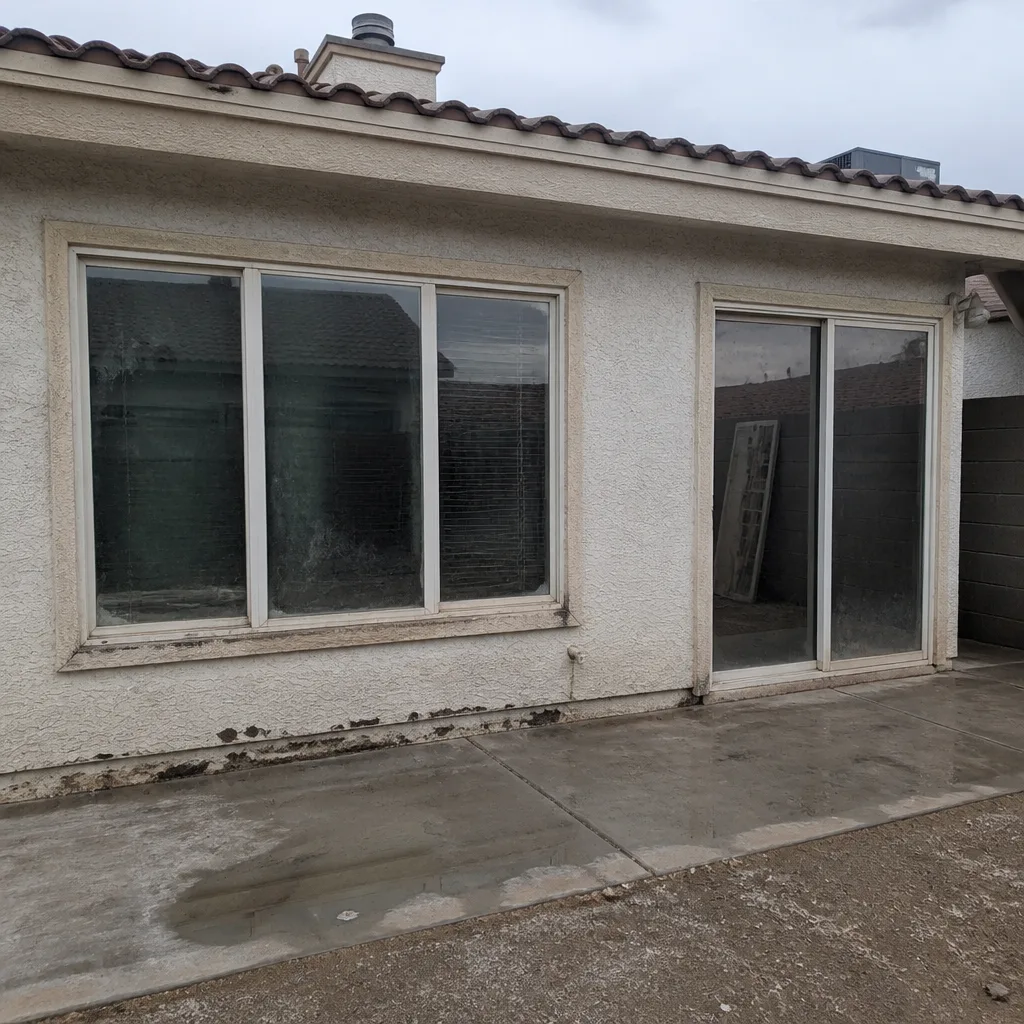
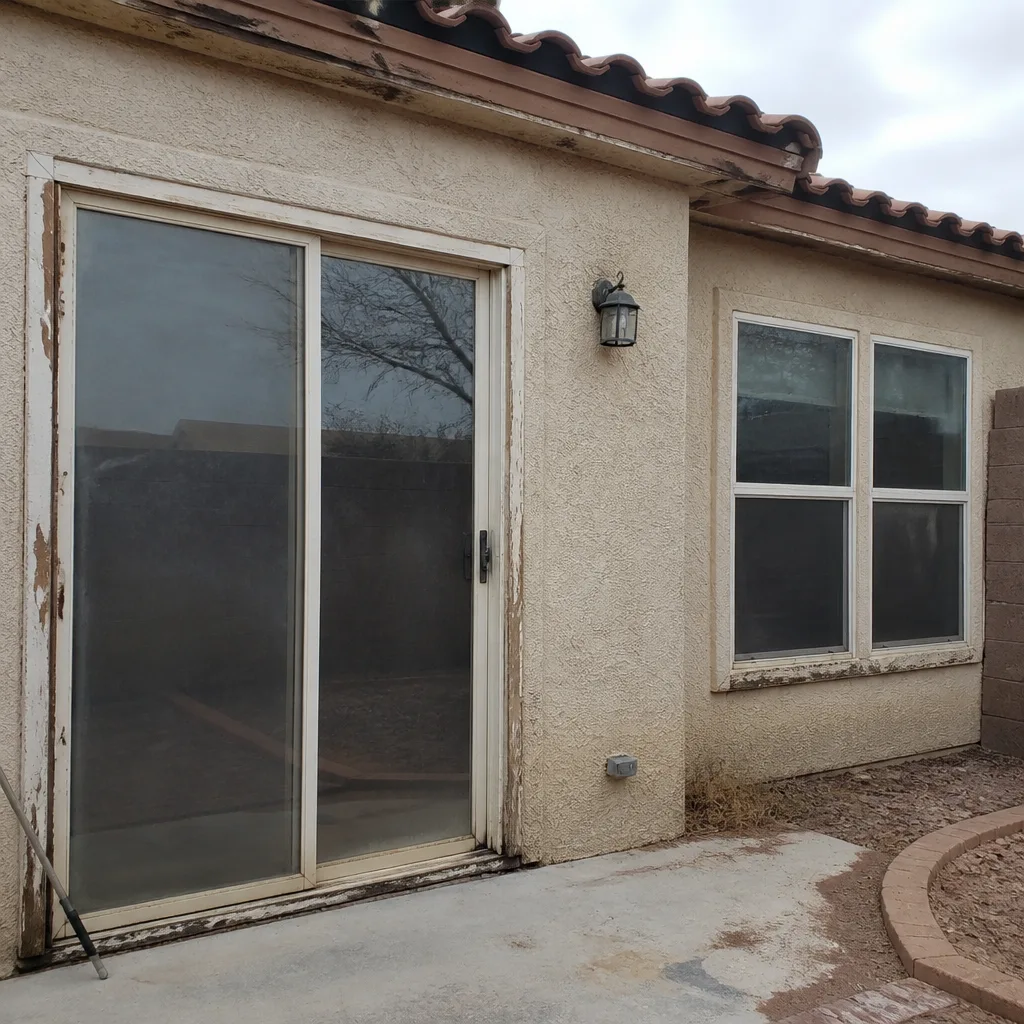 Before
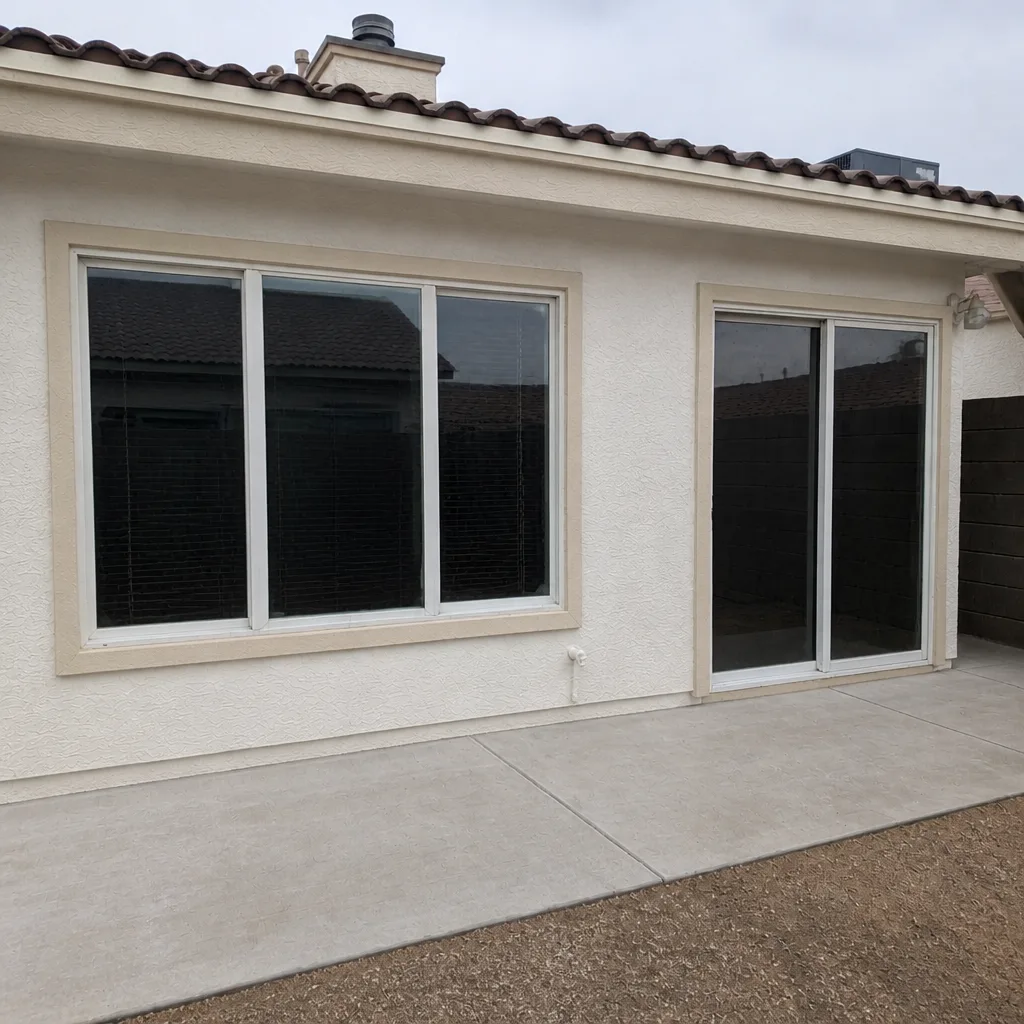
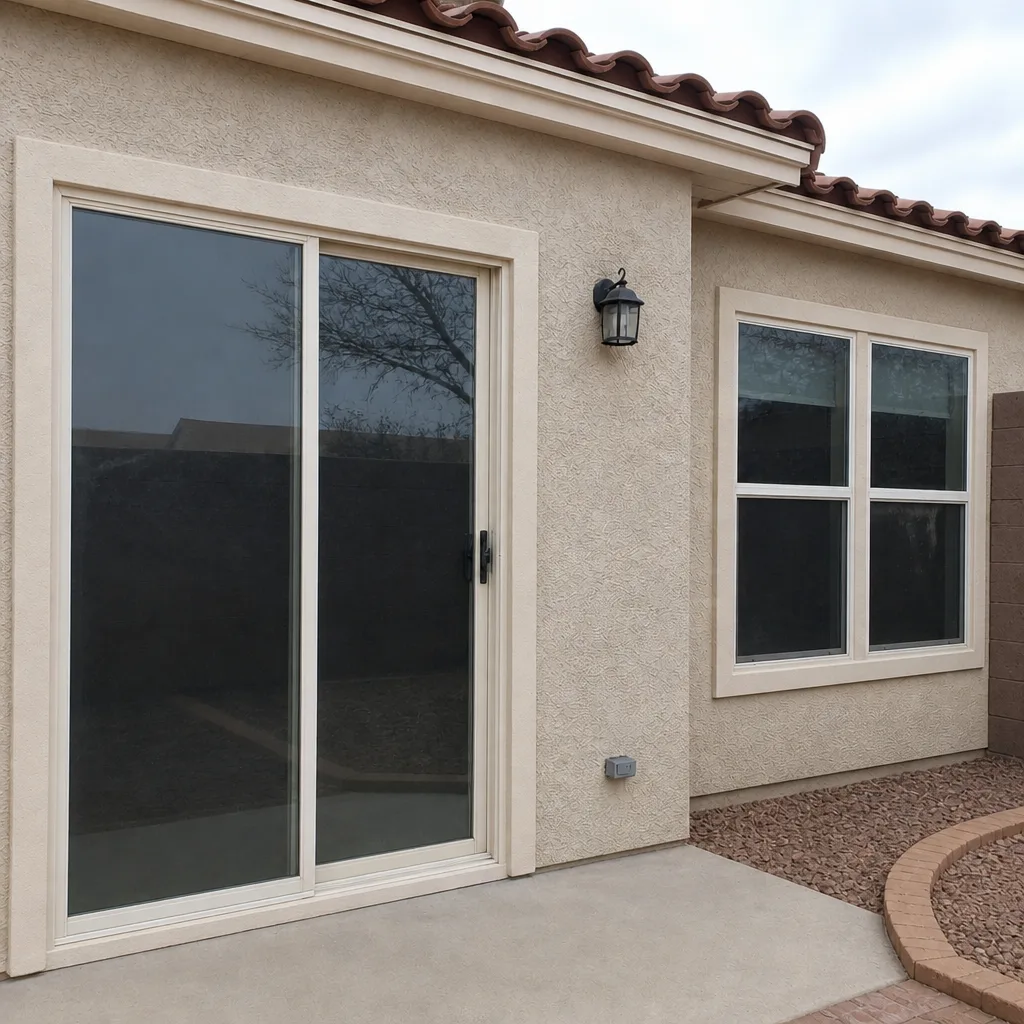 After
 Before
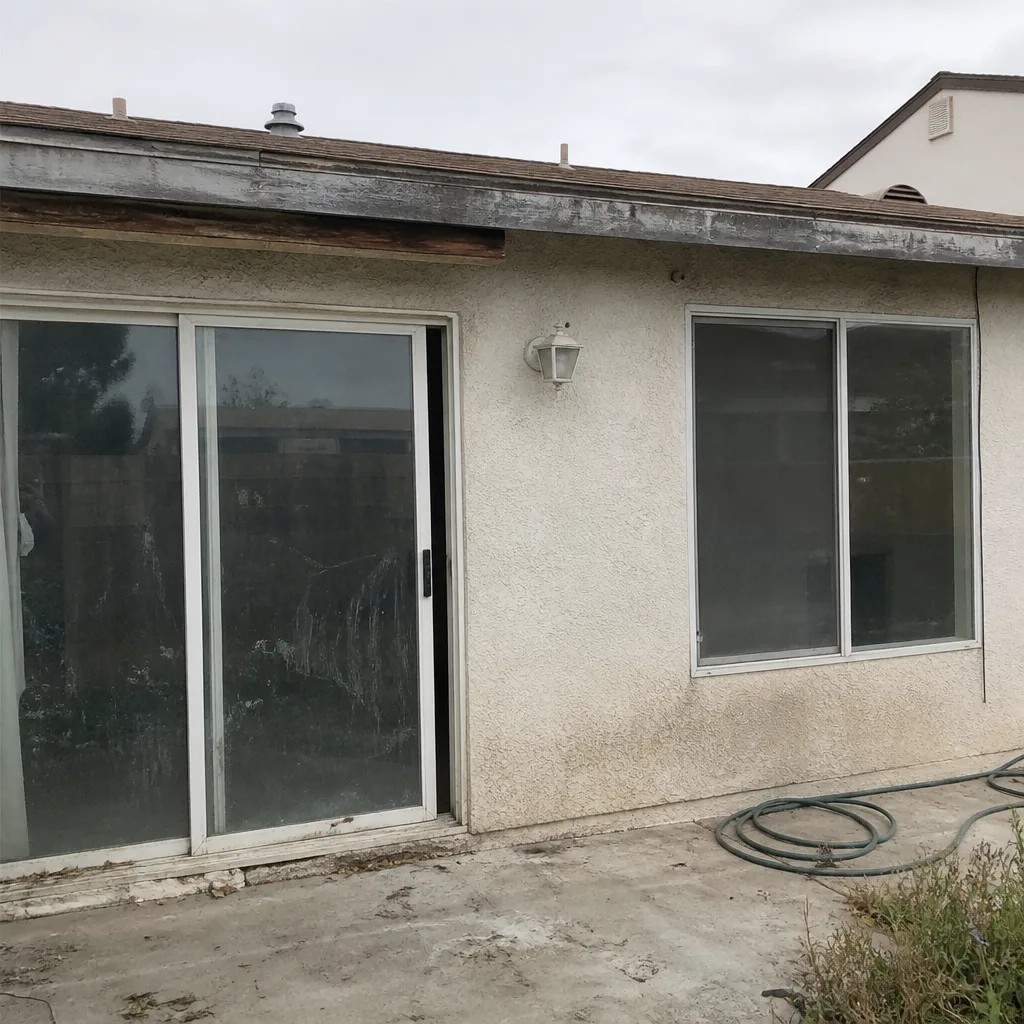
 After
 Before
 After
Six Reasons Homeowners Choose Lightwell Windows & Doors North Las Vegas
Laminated glass and reinforced frames hold up to wind-driven rain, hail and flying debris, so your openings stay sealed when the weather turns.
Low-E insulated impact glass from our manufacturer lines commonly cuts monthly cooling bills 20-30%.
Laminated impact glass shuts out up to 40% of outside noise - traffic, neighbors, weather.
Monitoring services run $30-90 a month. Laminated impact glass resists forced entry around the clock, with no subscription.
Tighter seals and insulated glass even out hot and cold rooms and stop the drafts at the frame.
A full impact package upgrades curb appeal, buyer confidence and appraised value in one project.