
Last updated November 18, 2026
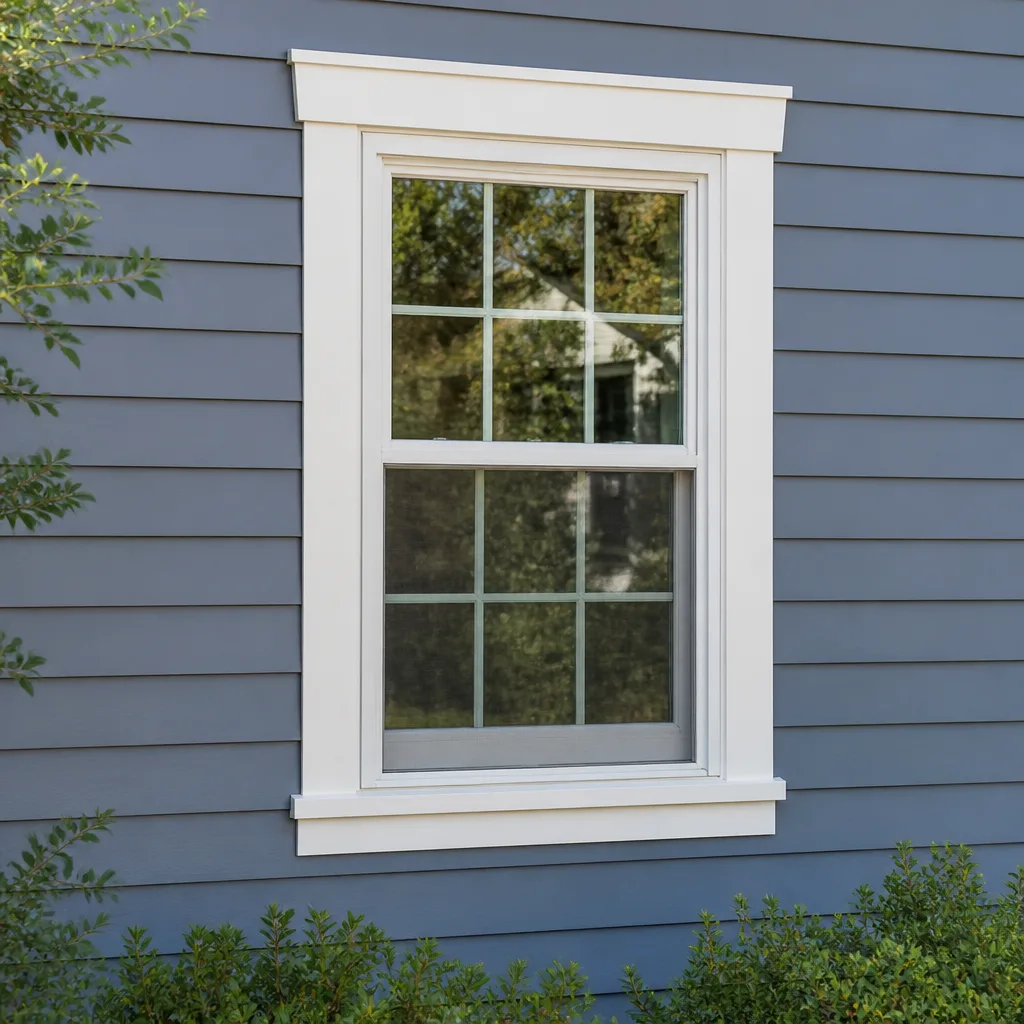 Single hung
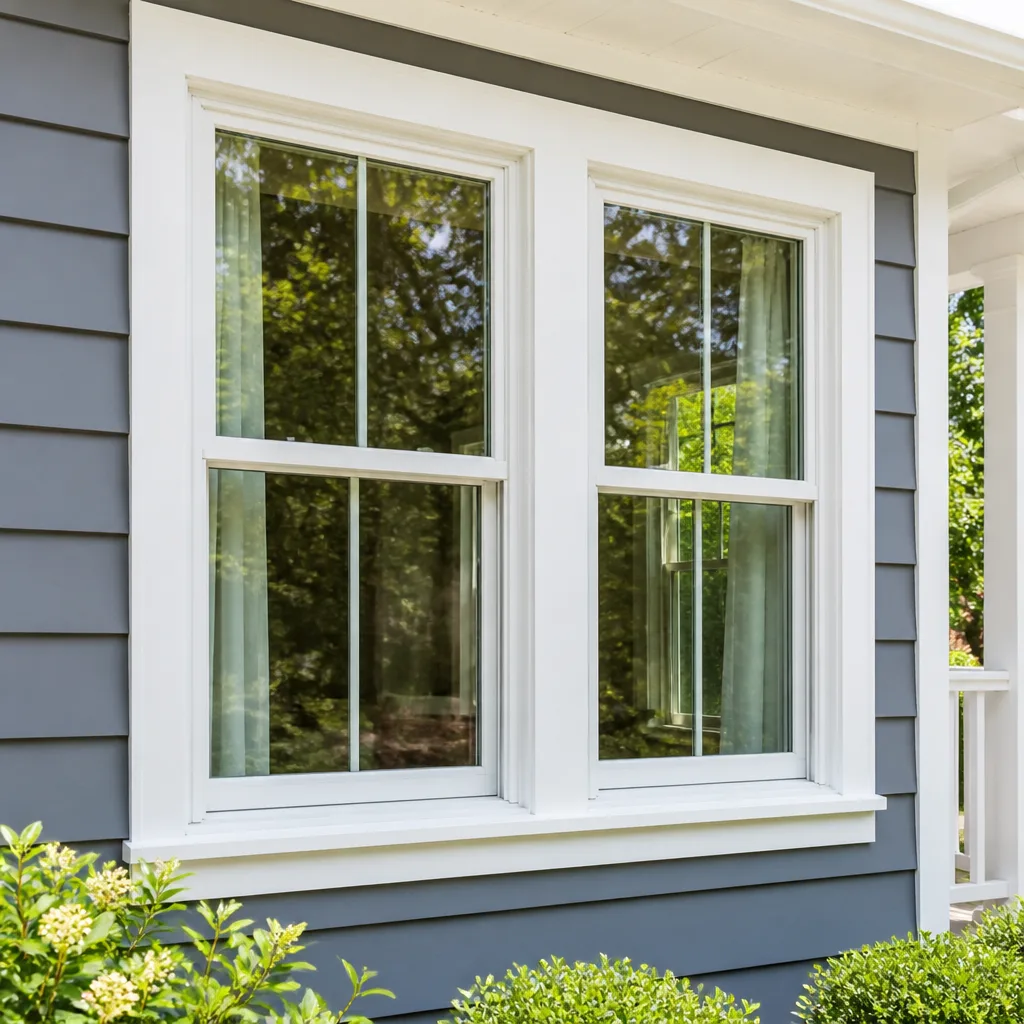 Double hung
 Horizontal roller
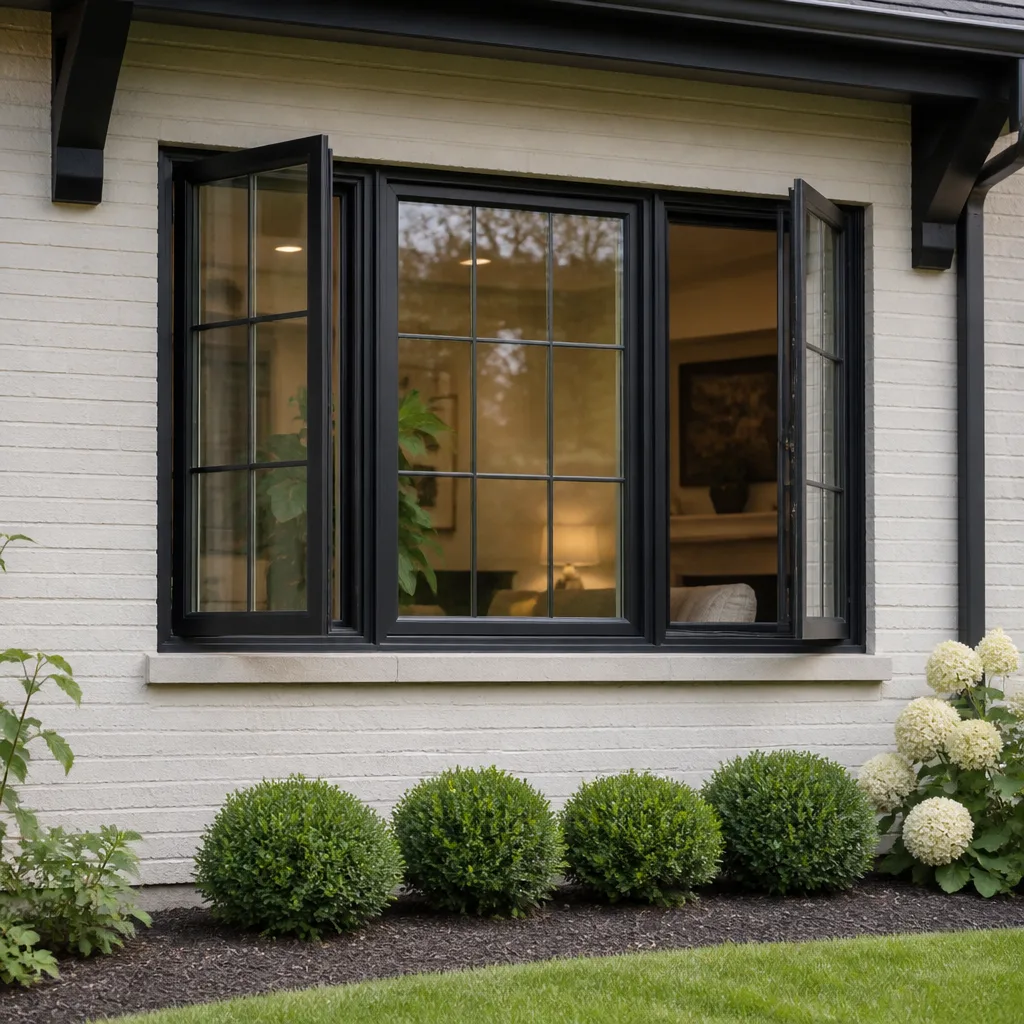 Casement
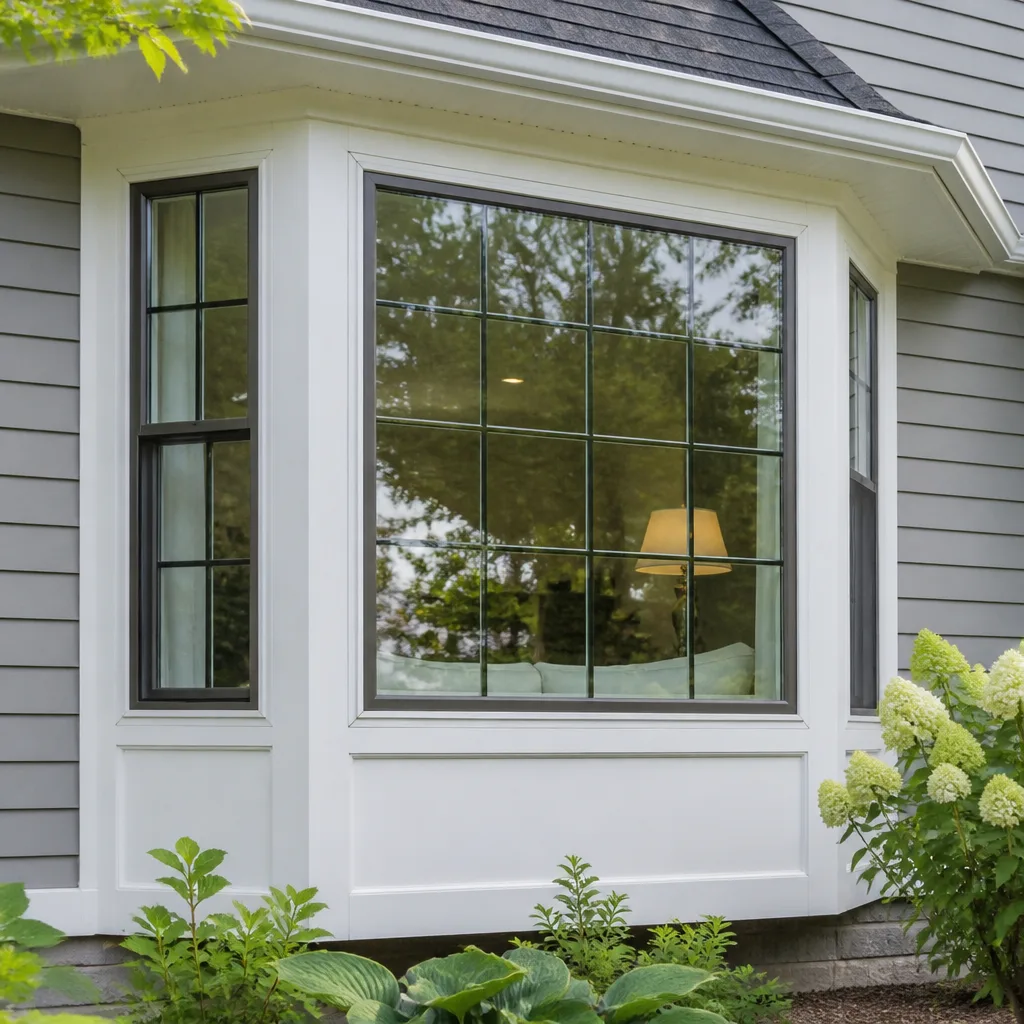 Bay & bow
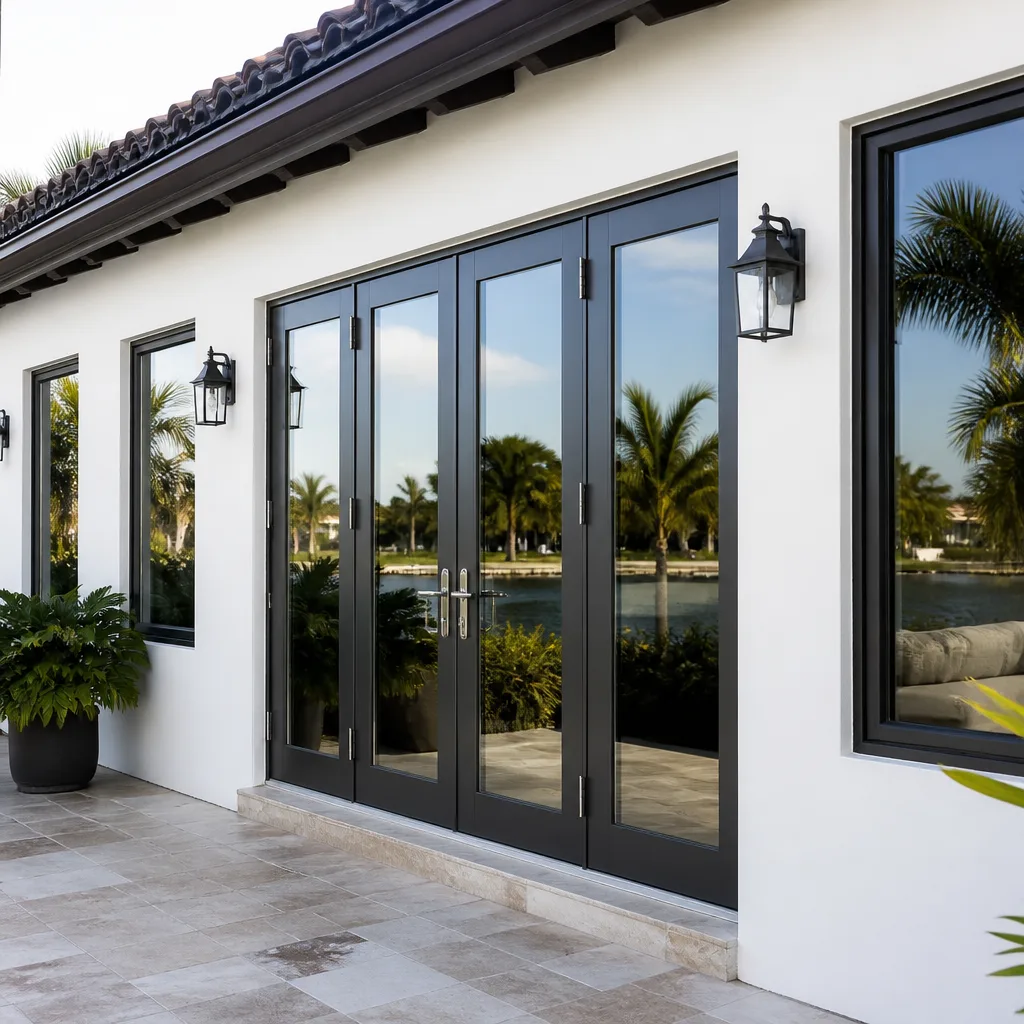
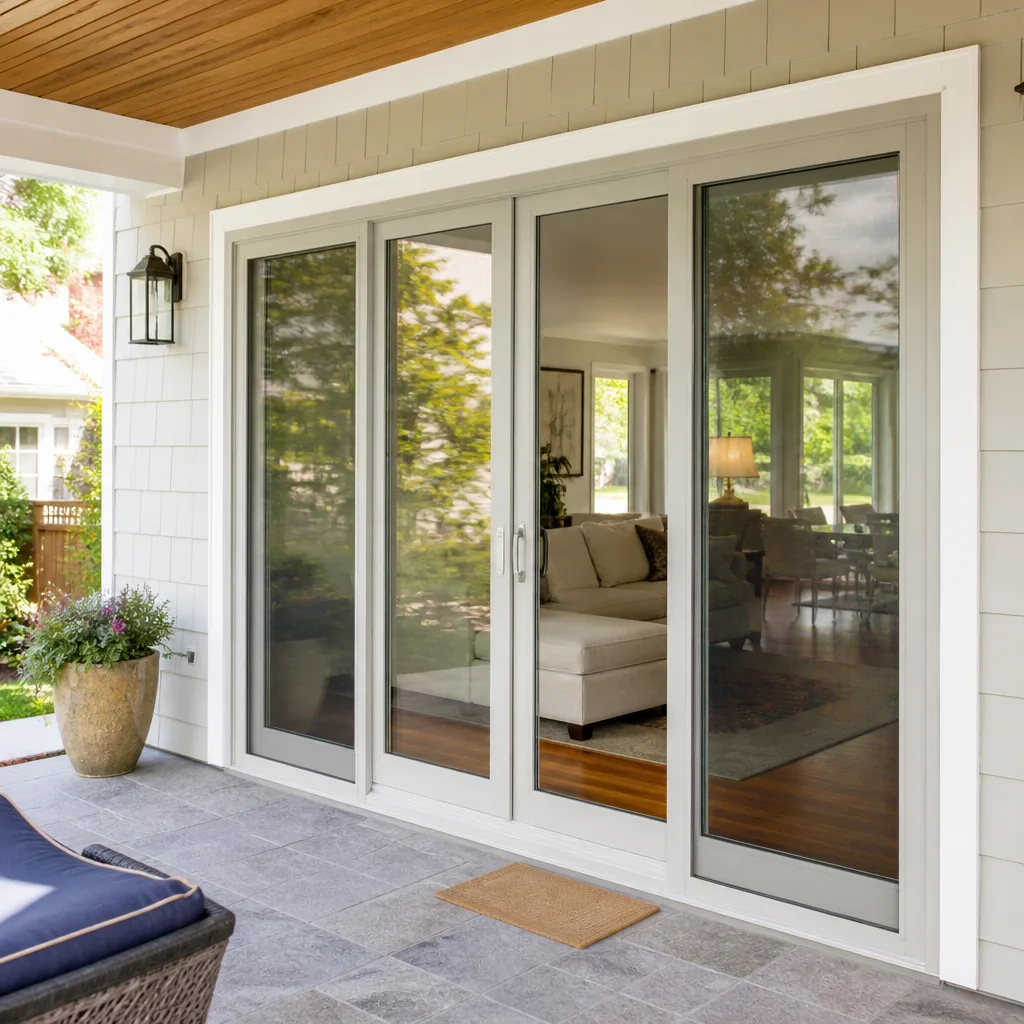 Sliding glass doors
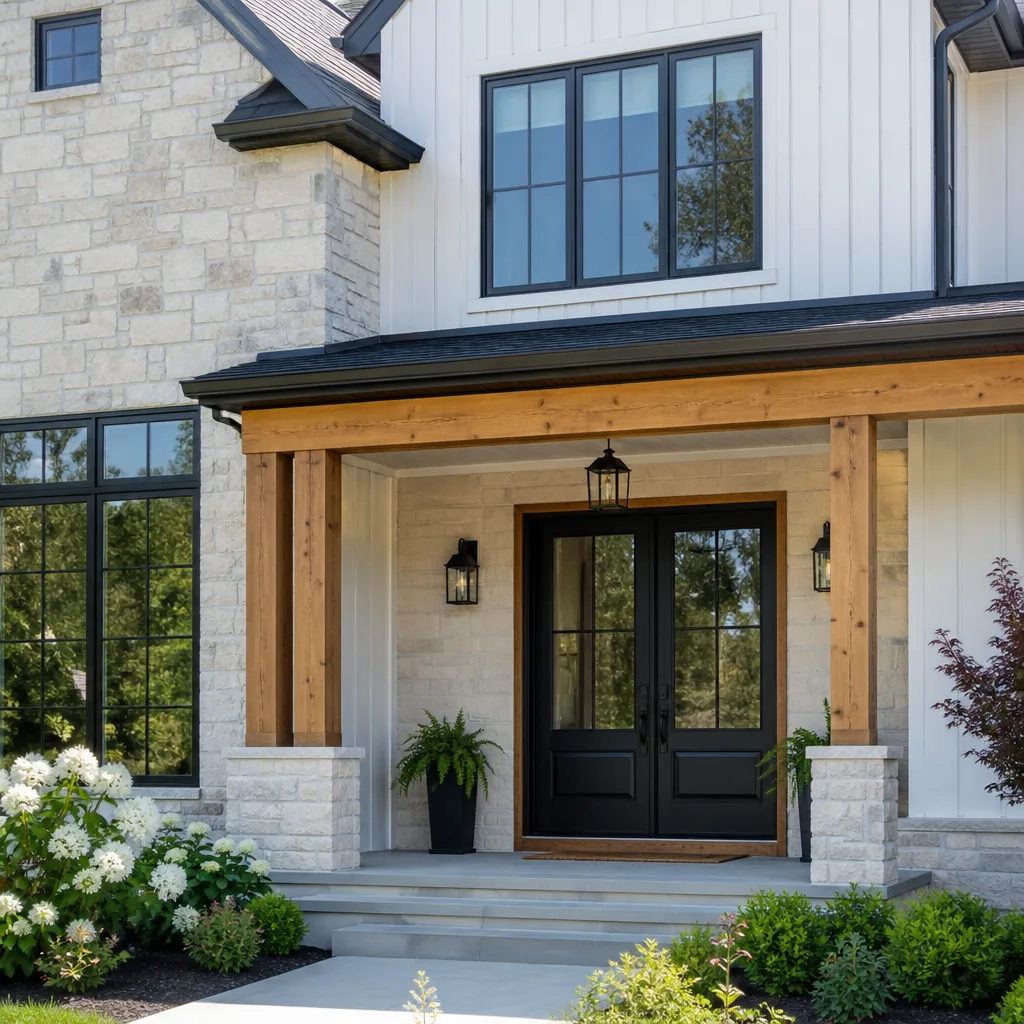
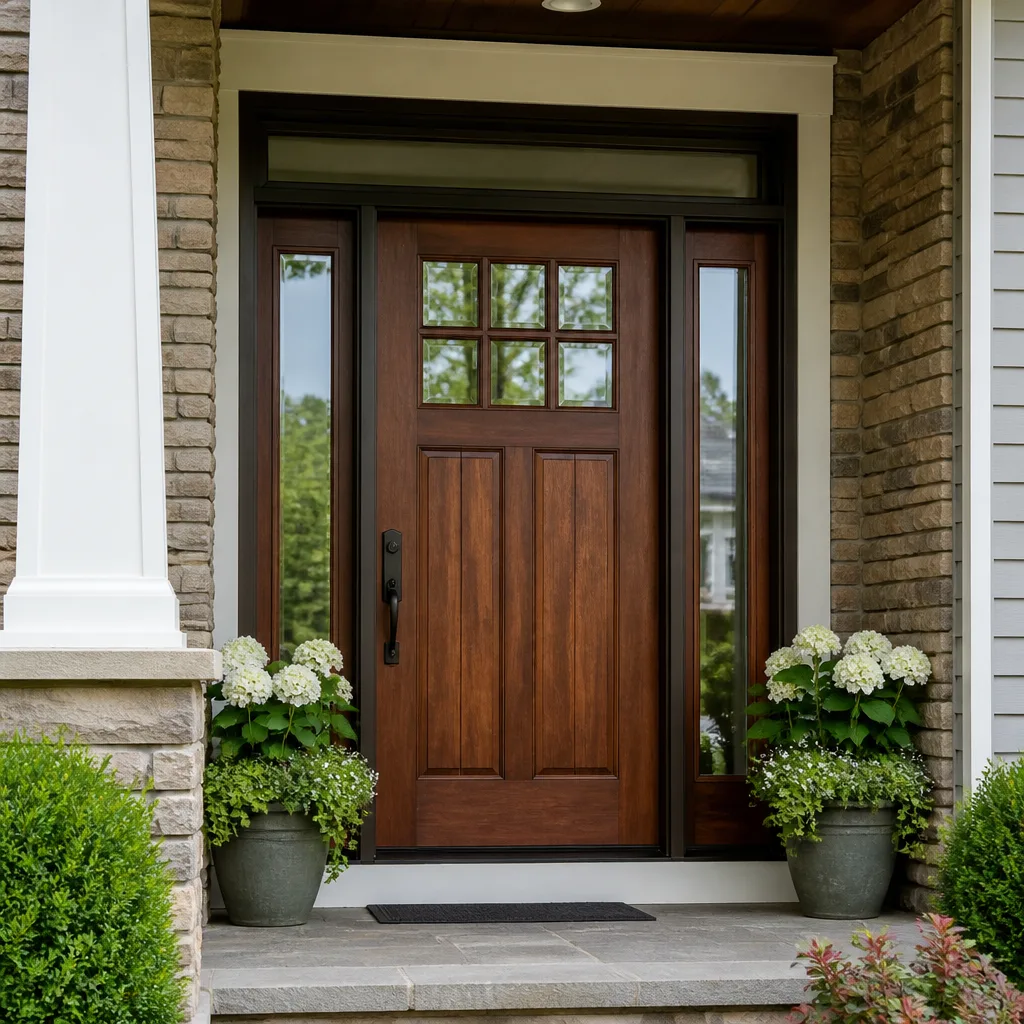 Entry doors
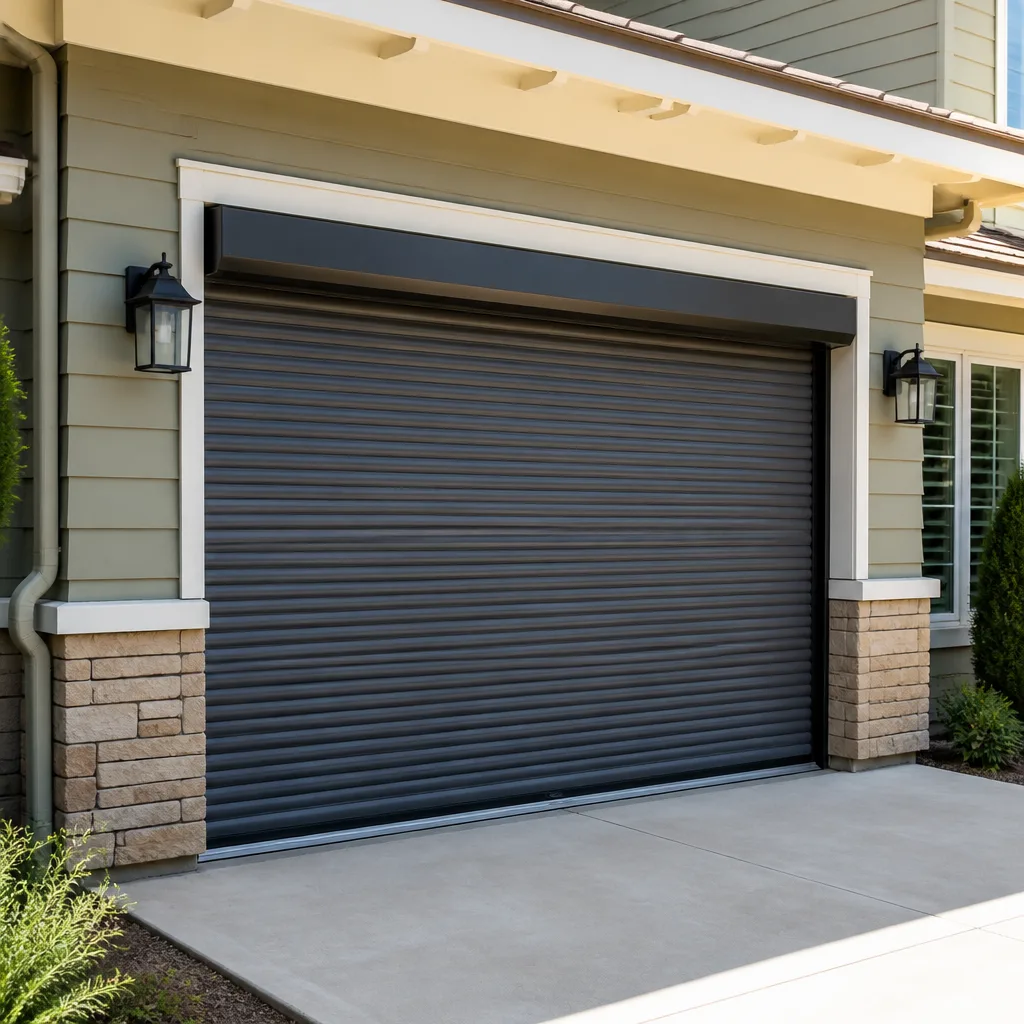
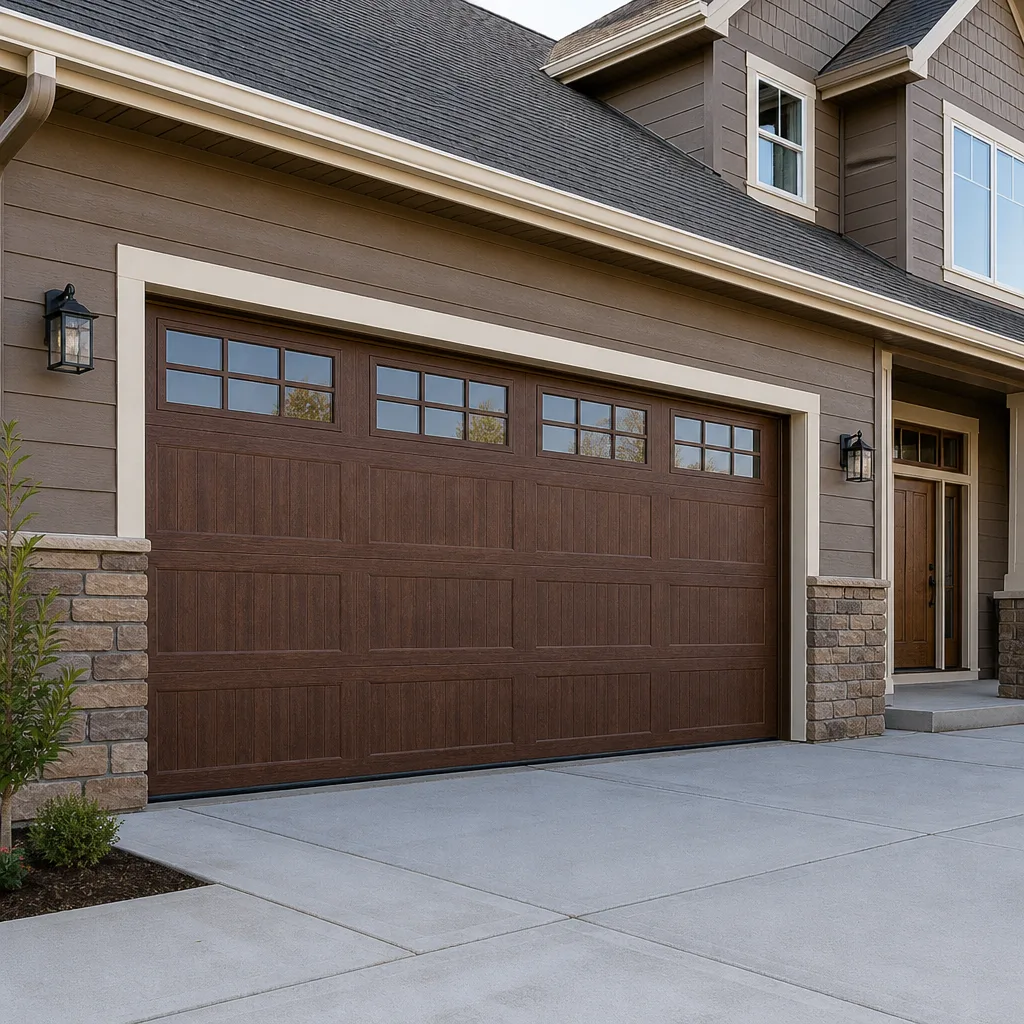 Impact garage doors
 PGT
 CGI
Free in-home measure and quote - PGT, CGI and CWS impact lines compared on your actual openings, style by style
Get your free estimateWindow Replacement Warning Signs Every Homeowner Should Know
A window that feels hot to the touch on the inside on a 108°F afternoon isn’t just uncomfortable. It’s transferring radiant heat straight into your living room, and that thermal transfer can account for roughly 25-30% of a home’s cooling load, based on Department of Energy estimates. That’s the part most homeowners miss: in North Las Vegas, the warning signs rarely show up as a dramatic crack. They look like a power bill that climbs every summer, or a west-facing bedroom that never gets cool no matter where you set the thermostat. This guide walks through the invisible signals and the five visible ones, ranked by urgency, so you know what actually needs a new window and what just needs a reseal.
Quick Answer
The main signs you need window replacement are rising summer energy bills with no other explanation, glass that feels significantly hotter than the room, fog or condensation trapped between panes, failed caulk or daylight around the frame, and soft or discolored wood. In North Las Vegas, the two most urgent are failed exterior caulk before monsoon season and any window that won’t open for emergency escape. If the frame itself is sound, a re-install can often cost several thousand dollars less than a full replacement.
Styles & brands we work with
- Single hung
- Double hung
- Horizontal roller
- Casement
- Bay & bow
- Sliding glass doors
- Entry doors
- Impact garage doors
- PGT
- CGI
Table of Contents
- The Invisible Signs: Energy Bills and Hot Rooms
- The Interior-Surface Temperature Test
- Why Desert Climate Ages Windows Differently in North Las Vegas
- The Five Visible Signs, Ranked by Urgency
- Replacement vs. Re-Installation: A Costly Distinction
- What to Bring to an Estimate Appointment
- Common Mistakes to Avoid
- Frequently Asked Questions
The Invisible Signs: Energy Bills and Hot Rooms
The hardest window problems to catch are the ones with no visible defect. A single-pane or degraded low-e window in North Las Vegas doesn’t leak water in a way you’d notice. It leaks heat, quietly, all summer. If your cooling bill jumped 20% or more from one summer to the next and nothing else changed – same HVAC, same thermostat habits, same family size – the windows deserve a serious look before you assume the air conditioner is failing.
Here’s a comparison worth running on your own last two years of power bills:
- Stable summer bills, one hot room: likely a single failed window or an unshaded west-facing opening.
- Climbing summer bills, whole house feels warm: often multiple degraded units or missing low-e coatings.
- Bills climb only in late afternoon: strong signal of solar gain through west and south glass.
- Bills climb year-round, both seasons: possible air sealing or insulation issue, not only windows.
Pull twelve months of statements and look for the pattern. In our experience, a house in the Aliante area built in the mid-2000s with original builder-grade windows is a common source of exactly this complaint – the glass itself wasn’t top-tier, and after two decades of desert sun the coatings are simply gone. Our technicians have up to 16 years of experience reading these patterns, and a utility bill history tells us more in five minutes than a walkthrough alone.
The Interior-Surface Temperature Test
You don’t need a professional to run this test. An inexpensive infrared thermometer – the kind sold for grilling or auto work – tells you a lot in about two minutes on a hot afternoon. Here’s how:
- Wait until 3-5 p.m. on a day above 100°F, when solar gain peaks.
- Point the thermometer at the center of the interior glass, about six inches away.
- Measure the room’s ambient air temperature with the same device, pointed at a shaded wall.
- Compare the two numbers.
A well-performing double-pane window with an intact low-e coating typically reads close to room temperature, within a few degrees. If the glass reads 15°F or more above the room air, that’s a clear sign the low-e coating has degraded or was never there. A reading 25°F or higher above room temperature means the window is acting like a radiator, pushing heat into the room all afternoon.
Try it on one west-facing window and one north-facing window on the same day. The difference tells you whether the problem is solar exposure or the glass itself. Either way, this is a diagnostic you can do before anyone knocks on your door, and it makes the estimate conversation much more specific.
Why Desert Climate Ages Windows Differently in North Las Vegas
North Las Vegas has two specific conditions that shorten window life in ways you won’t read about in a generic homeowner guide: alkaline soil and construction dust. Both attack the exterior seal at the frame edge, and both are worse here than in most of the country.
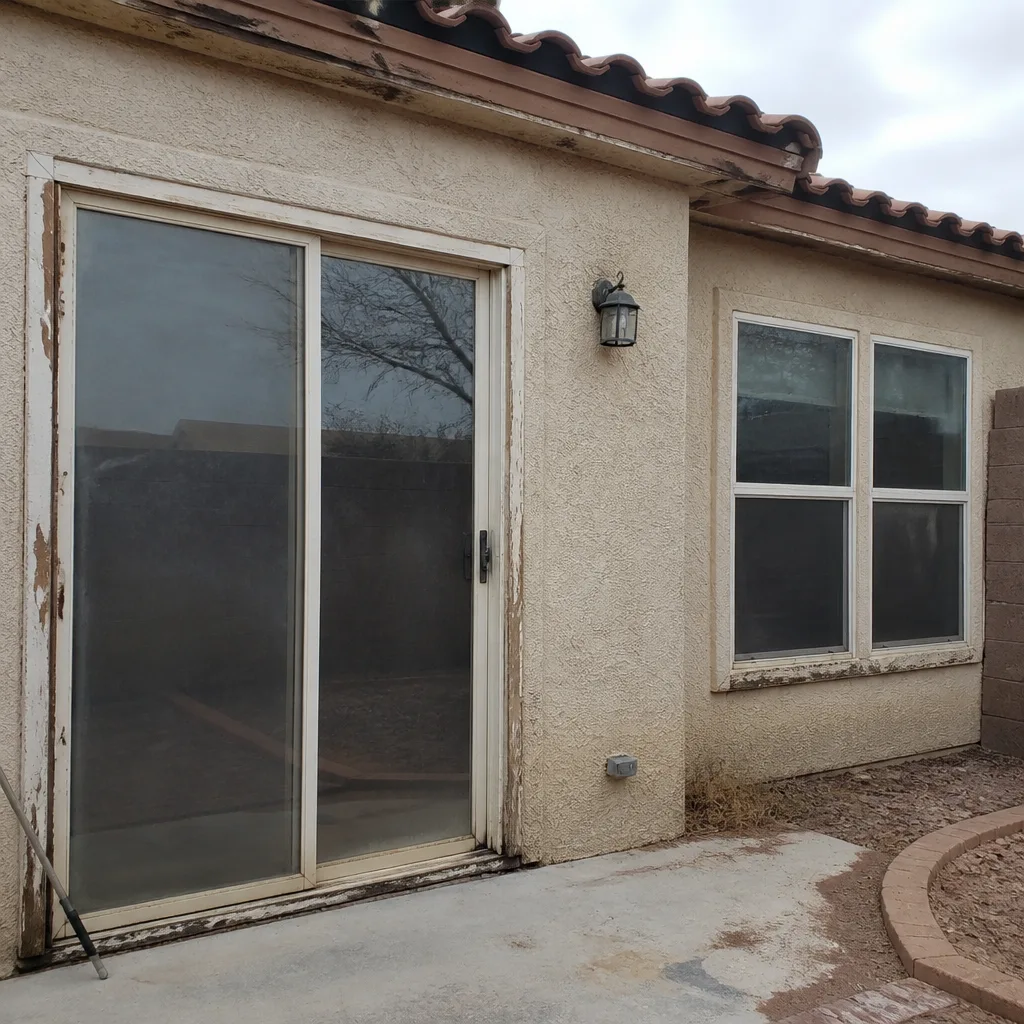
Alkaline soil. The calcium-rich, high-pH soil common across the valley interacts with moisture at the base of exterior walls. Where that moisture wicks up against a window frame, it pushes salts into the sealant and can etch the anodized finish on aluminum frames. You’ll see it as a chalky white residue along the exterior edge of the frame – not on the glass, on the frame. That residue is a warning, not cosmetic grime. It usually means the sealant bond is breaking down and moisture is getting where it shouldn’t.
Construction dust. With the pace of new building in North Las Vegas, homes near active development get a steady coating of fine alkaline dust on every exterior surface. When that dust mixes with the small amount of condensation a window produces at dawn, it forms a mildly abrasive paste that works into caulk joints and accelerates cracking. Homes in the far north and northeast parts of the city, closer to development, see this faster than established neighborhoods.
What this means practically: in North Las Vegas, inspect exterior caulk every spring, not every few years. The chalky white line around the frame is the signal to reseal before the summer heat and the monsoon season do the damage for you. A caulk joint that’s still flexible and bonded is doing its job; one that’s cracked, chalky, or pulling away from the frame is not.
The Five Visible Signs, Ranked by Urgency
Not every visible defect means “replace the window today.” Here’s the order we use, from least to most urgent:
- Fogged or cloudy double-pane glass (IGU failure). Cosmetic, not urgent. The seal on the insulating glass unit has failed and moisture is trapped between the panes. It looks bad and the unit loses insulating value, but it isn’t a safety issue. Worth planning replacement, not worth panic.
- Failed exterior caulk. Urgent before monsoon season. Cracked or separated caulk around the exterior frame lets water behind the wall. In North Las Vegas, get this addressed before the late-summer storms, when a single heavy rain event can turn a small gap into a moisture problem inside the wall cavity.
- Visible daylight around the frame. Immediate. If you can see light between the frame and the wall, or feel air moving, the window has separated from the rough opening. That’s an air-sealing failure that will only get worse and often signals a re-install is needed.
- Soft or discolored wood framing. Structural – get an assessment before anything else. Poke the interior wood trim or sill with a screwdriver. If it sinks, the wood is soft from moisture intrusion. You don’t replace a window over rotten framing; the framing gets assessed and repaired first, and a re-install may follow.
- Operational failure that blocks egress. Code and safety issue – immediate. Every sleeping room needs at least one window that opens fully for emergency escape. If a bedroom window is painted shut, broken, or won’t open past a few inches, that’s a safety gap, not a convenience problem, and it needs to be corrected now.
If you’re seeing more than one of these on the same wall, the whole opening is likely due for a proper look. For a deeper walk-through of the replacement process itself, see our guide on window replacement in North Las Vegas.
Replacement vs. Re-Installation: A Costly Distinction
This is the single most expensive mistake a homeowner can make on this topic: replacing a window when the frame is still perfectly sound. A replacement tears out the entire window down to the rough opening and installs a new unit. A re-install reseats and reseals the existing window in its opening, correcting air and water leaks without new glass or new framing. The difference in cost can run several thousand dollars per project.
How to tell which you need:
- Frame is sound, but the window leaks air or water: re-install candidate. The window is fine, the seal around it isn’t.
- Frame is sound, glass is fogged or hot: replacement candidate. The unit itself has failed, not the installation.
- Frame is soft, rotted, or out of square: re-install won’t fix it. Framing must be addressed, then a new window installed.
- Daylight visible around the frame but frame is solid: re-install candidate, done correctly with new flashing and sealant.
In our experience across North Las Vegas, a meaningful share of “window replacement” quotes could have been handled as re-installs. A careful estimator checks the frame before recommending the bigger job. That’s why a written price before any work starts matters – it forces the diagnosis onto paper, so you know exactly what’s being replaced and what’s being resealed. Windows from brands like ECO Window Systems or ViewLux are excellent choices when a full replacement is genuinely the right call, but the diagnosis comes first, every time.
What to Bring to an Estimate Appointment
An estimate appointment goes better when it’s specific. Bring these three things and the conversation moves faster and lands closer to what you’ll actually pay:
- Twelve months of utility bills. The comparison between one summer and the next gives the estimator a real baseline. Without it, everyone is guessing.
- Photos of every problem window. Condensation, staining, chalky residue, daylight around the frame. A phone photo of a fogged pane tells the story instantly. Take one of each problem from the inside and one from the outside.
- A note on which rooms bother you most. Which room never cools, which window won’t open, which side of the house gets the afternoon sun. That shapes which windows get priority and which styles make sense.
Also worth noting: if you have kids or pets, say so. A good crew schedules noisy work around nap times, uses pet-safe sealants where there’s a choice, and puts drop cloths down so nothing reaches the floor. Those are the small details that make an install week feel like a normal week at home rather than a disruption. Ask about the light-well idea while you’re at it: a well-installed window should pull daylight deep into a room the same way an architectural light well does, and that’s the standard to hold your windows to.
If the estimator recommends replacement, get the brands and the models in writing. Window installation in North Las Vegas is covered in more detail in our window installation guide, including how flashing and sealant are handled on desert-exposed walls.
See the difference
 Before
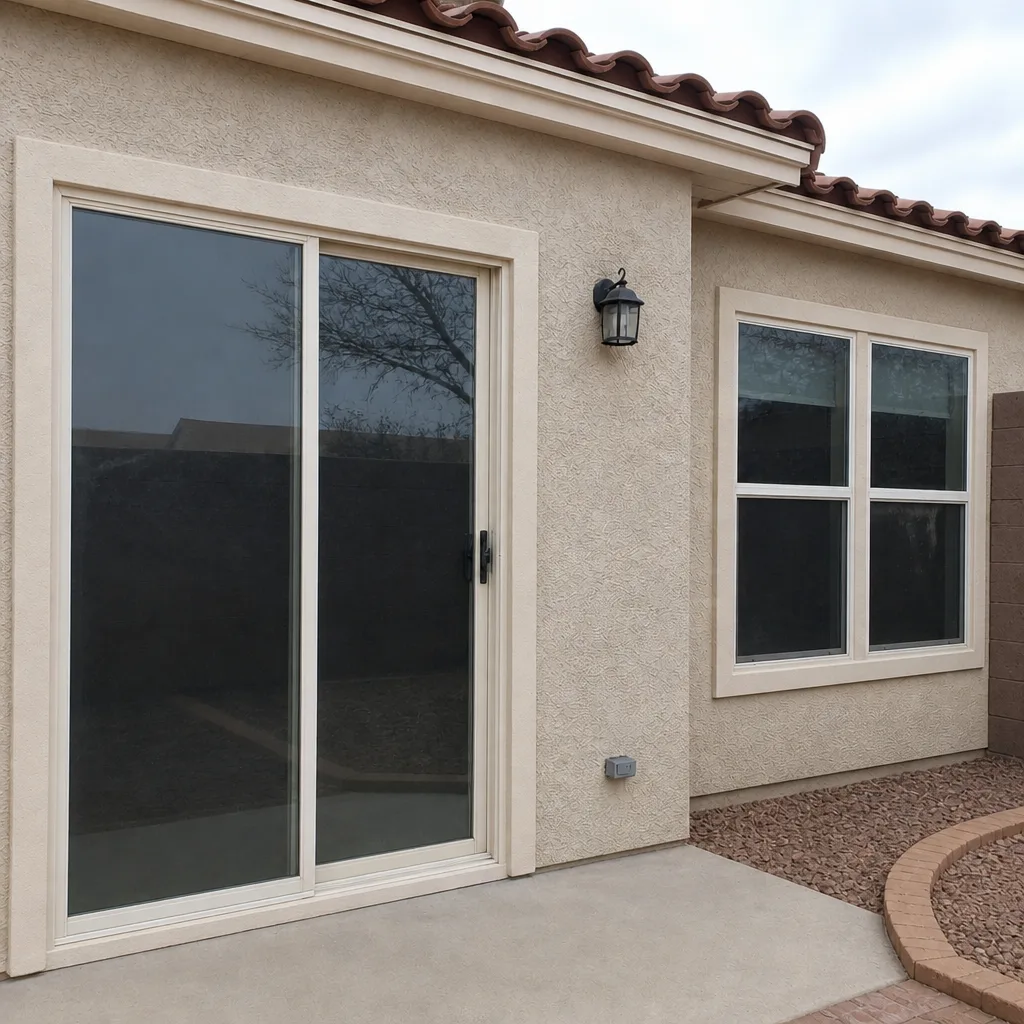 After
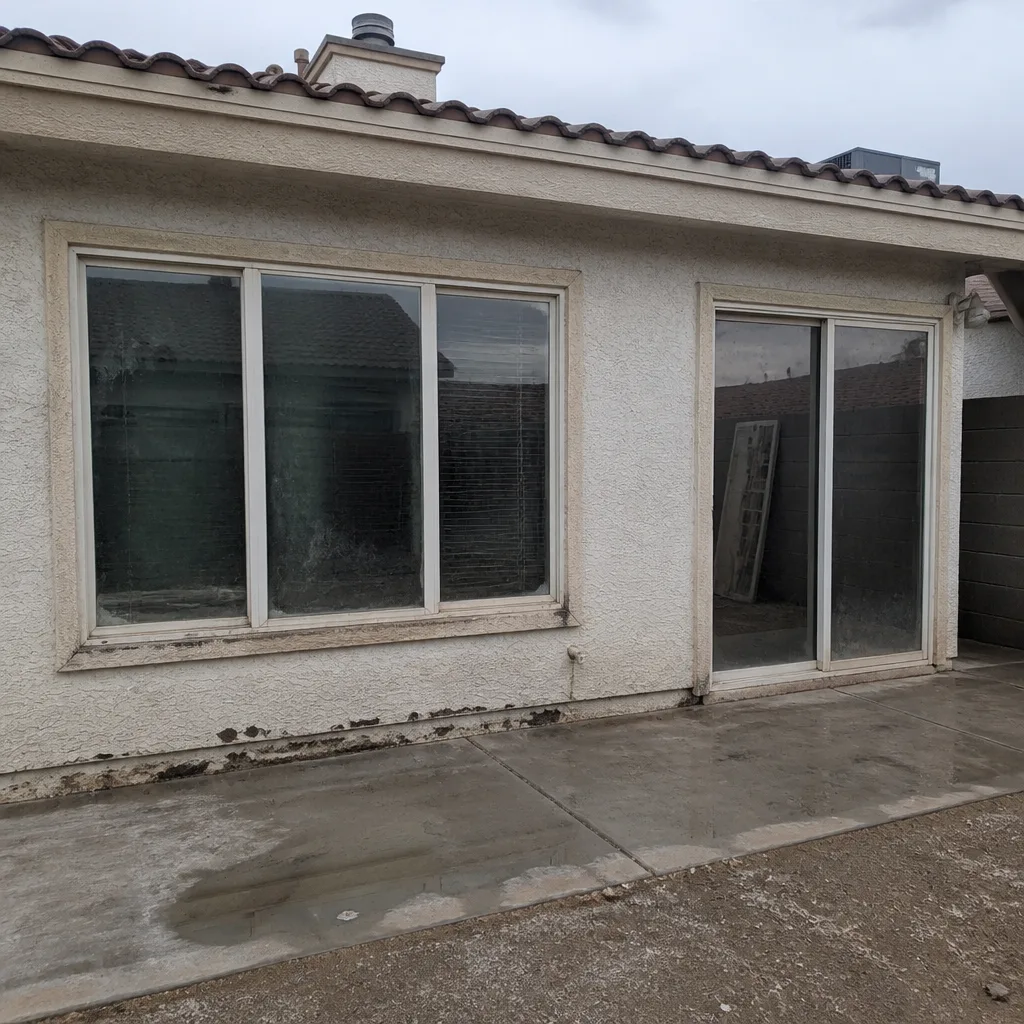 Before
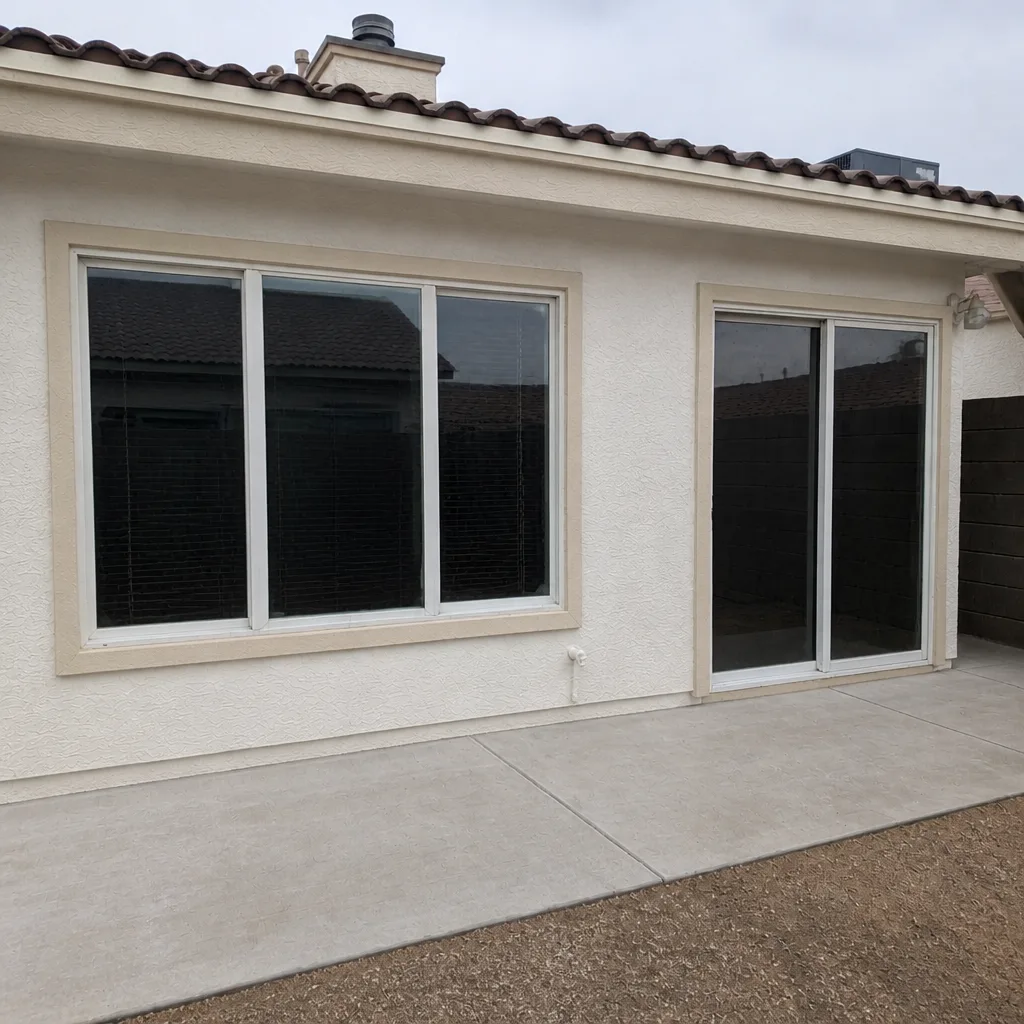 After
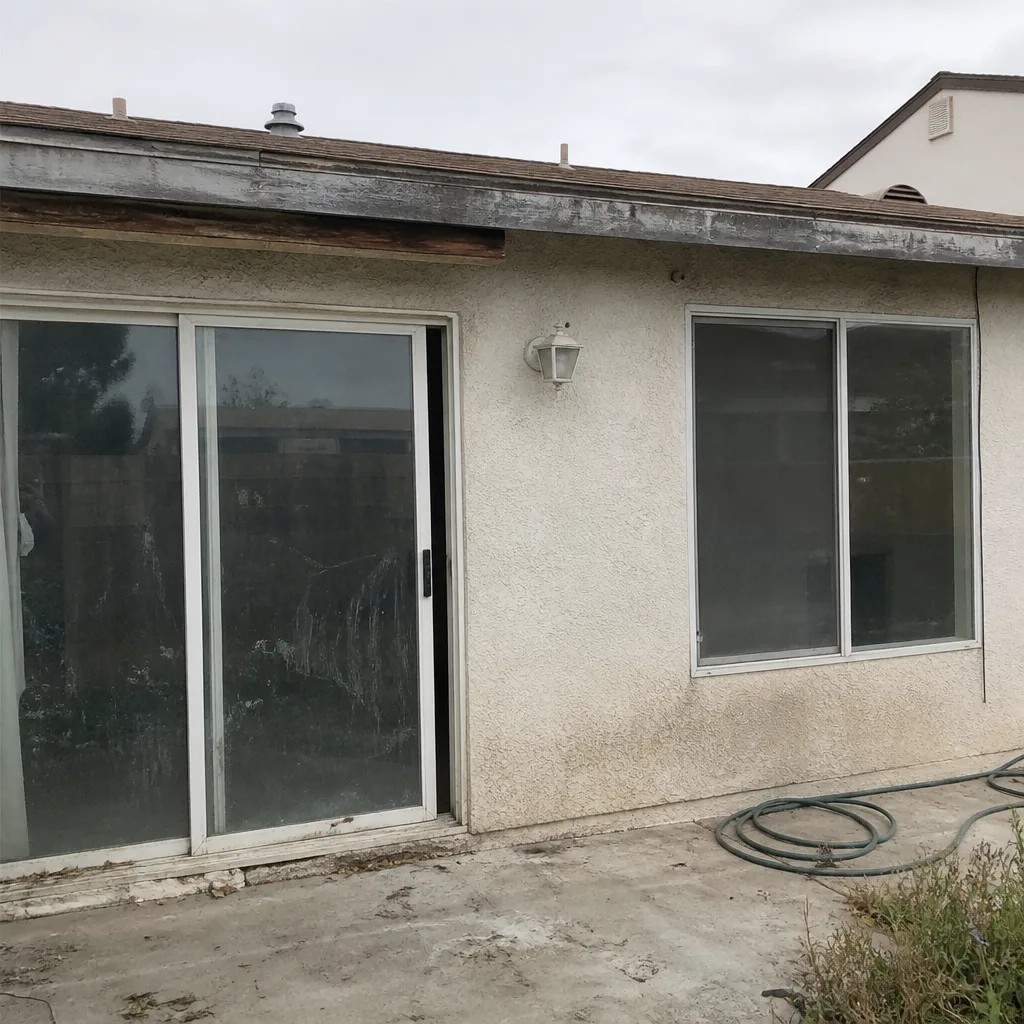 Before
 After
Common Mistakes to Avoid
- Replacing every window when a reseal would do. Homeowners often hear “replace” on the first visit. Get a second look at the frame before committing – a sound frame with failed caulk is a re-install, not a tear-out.
- Ignoring exterior caulk until monsoon season. In North Las Vegas, spring is inspection time, not late summer. A cracked joint that sits through one heavy storm event can let water behind the wall.
- Judging by looks alone. A window that looks fine can read 25°F hotter than the room. Run the thermometer test before deciding nothing’s wrong.
- Missing the egress issue. A bedroom window that won’t open is a safety gap, not a cosmetic one. Check every sleeping room before anything else.
- Not getting the price in writing before work starts. A verbal estimate is not a price. The number on the invoice should match the number on the paper you signed.
- Skipping the utility bill review. Without twelve months of bills, everyone – homeowner and estimator – is guessing about how bad the energy loss really is.
- Letting a crew move things without asking. If a crew touches furniture or pets without a word first, that’s a sign they haven’t thought about the household. C.A.R.E. values – Clean up, Ask first, Respect time and quiet hours, Explain the price – should be how any crew works, and you can ask about them before booking.
When to Call a Professional
Call when a window won’t open for emergency escape, when you can see daylight or feel moving air at the frame, when wood around the window is soft to the touch, or when your thermometer test shows glass running far hotter than the room on multiple windows. Call if your cooling bills have climbed for two summers without another explanation. And call if exterior caulk is cracked and monsoon season is on the way – that’s a job that gets harder and more expensive the longer it waits. A quick assessment is free, and it tells you whether you’re looking at a reseal or a full replacement. Lightwell Windows & Doors North Las Vegas offers free estimates in North Las Vegas – call (877) 317-4920. We carry eight brands including PGT, CGI, CWS, ES Windows, ECO Window Systems, Mr-Glass, Therma-Tru, and ViewLux, so the recommendation fits the home rather than a preferred vendor. Every job is covered by the 365-Day Done Right Promise and the Cedarwell Care Promise, and a live person answers the phone 24/7 when a question comes up. To see what we install for entries as well, our door installation in North Las Vegas page covers exterior and patio doors.
Frequently Asked Questions
Check the frame first. If the frame is solid and square, but you feel air or see daylight at the edges, the window likely needs a re-install – reseating and resealing in the opening. If the glass itself is fogged or runs hot to the touch, or the frame is soft or rotted, replacement is the right call. A reseal can save several thousand dollars over an unnecessary replacement, which is why a careful diagnosis matters before you sign anything.
It could be, especially if nothing else changed – same HVAC, same thermostat habits, same household. Run the thermometer test on your hottest windows to confirm: glass reading 15°F or more above room temperature points to degraded or missing low-e coatings. Bring twelve months of bills to a free estimate in North Las Vegas and the comparison gets much clearer. Call (877) 317-4920 to schedule one.
That residue is a sign the exterior sealant is breaking down and moisture is getting past the frame edge. In North Las Vegas, alkaline soil and construction dust accelerate this process faster than in most climates. It’s not cosmetic grime – it’s an early warning that the caulk joint needs inspection and likely resealing before monsoon season.
Least urgent of the visible signs. Fogged glass means the insulating glass unit’s seal has failed and moisture is trapped between the panes. It reduces the window’s insulating value and looks cloudy, but it’s not a safety issue. Plan replacement on your timeline rather than treating it as an emergency, though if the unit is in a bedroom used for sleeping, check that the window still opens for egress.
No. Most homes replace windows in stages – the worst offenders first, often the west and south-facing units where solar gain is highest. Our technicians have up to 16 years of experience prioritizing which windows will make the biggest difference to your cooling costs and comfort, so you can spread the work over time if that works better for your budget. Every estimate comes with a written, line-item price before any work starts.
Expect shoe covers and drop cloths on every visit, a crew that asks before moving furniture, and quiet tools scheduled around nap times if you have young kids. Ask about pet-safe sealants where there’s a choice. Look for a written price before the work begins and a photo of the clean-up before the crew leaves. Those details are what the Cedarwell Care Promise commits to – and if the finished work isn’t right, the 365-Day Done Right Promise means we make it right. For the full background on our service, visit the Lightwell Windows & Doors North Las Vegas home page.
The Bottom Line
In a desert climate, window problems often hide in plain sight – a bill that climbs, a room that never cools – rather than announcing themselves with a crack. Run the thermometer test, watch the exterior caulk each spring, and check that every bedroom window opens. If the frame is sound, a re-install may be all you need. If the glass has failed or the frame is soft, replacement is the right investment. Bring your bills and photos to a free estimate, and get the price in writing. Call Lightwell Windows & Doors North Las Vegas today at (877) 317-4920 to schedule yours.
Written by the team at Lightwell Windows & Doors North Las Vegas.
Six Reasons Homeowners Choose Lightwell Windows & Doors North Las Vegas
Laminated glass and reinforced frames hold up to wind-driven rain, hail and flying debris, so your openings stay sealed when the weather turns.
Low-E insulated impact glass from our manufacturer lines commonly cuts monthly cooling bills 20-30%.
Laminated impact glass shuts out up to 40% of outside noise - traffic, neighbors, weather.
Monitoring services run $30-90 a month. Laminated impact glass resists forced entry around the clock, with no subscription.
Tighter seals and insulated glass even out hot and cold rooms and stop the drafts at the frame.
A full impact package upgrades curb appeal, buyer confidence and appraised value in one project.