
Last updated November 18, 2026
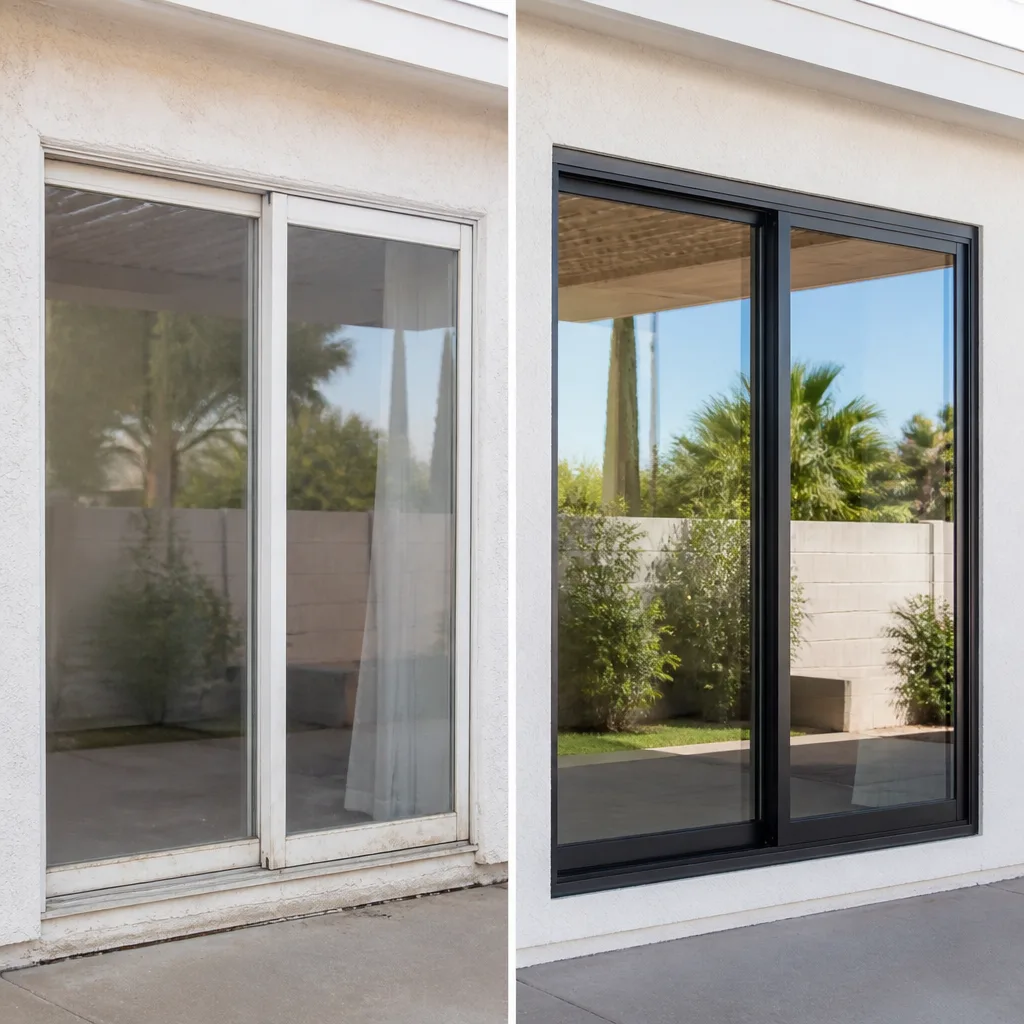
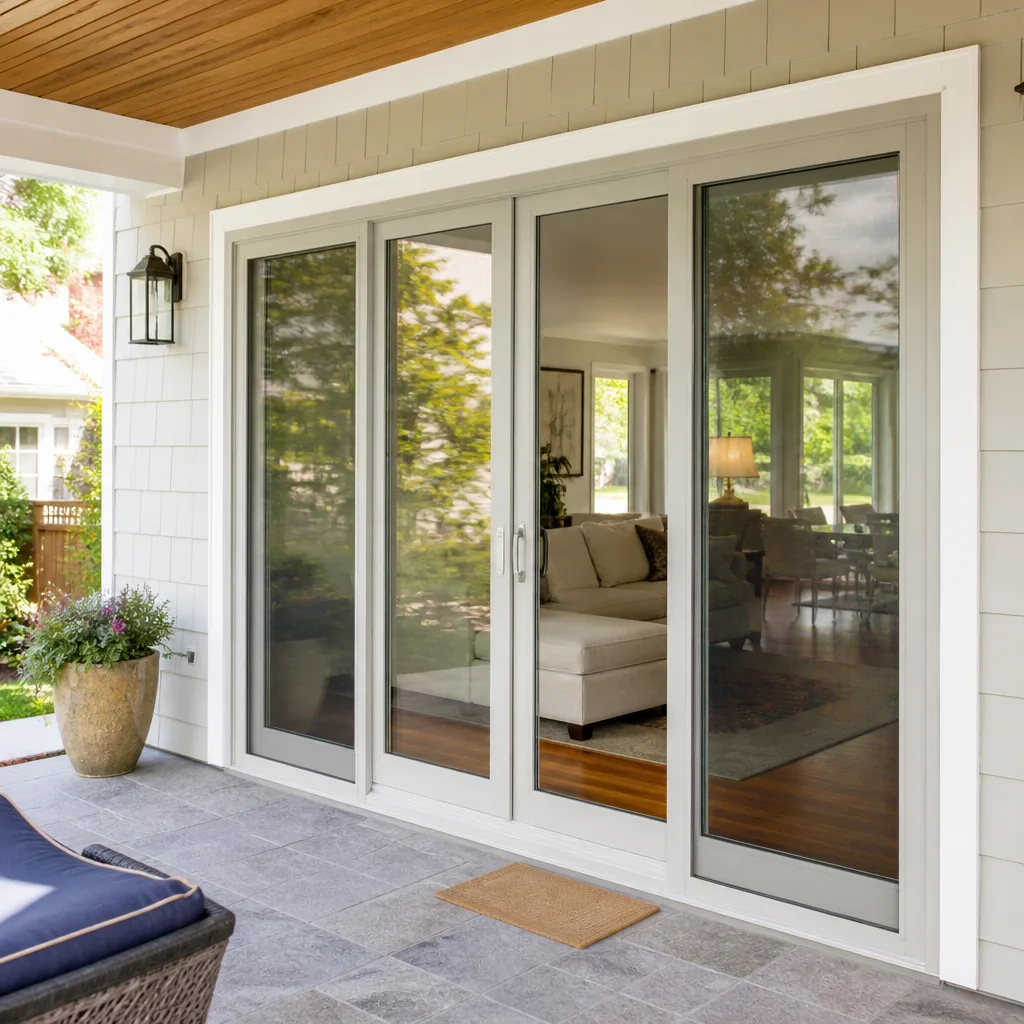 Sliding glass doors
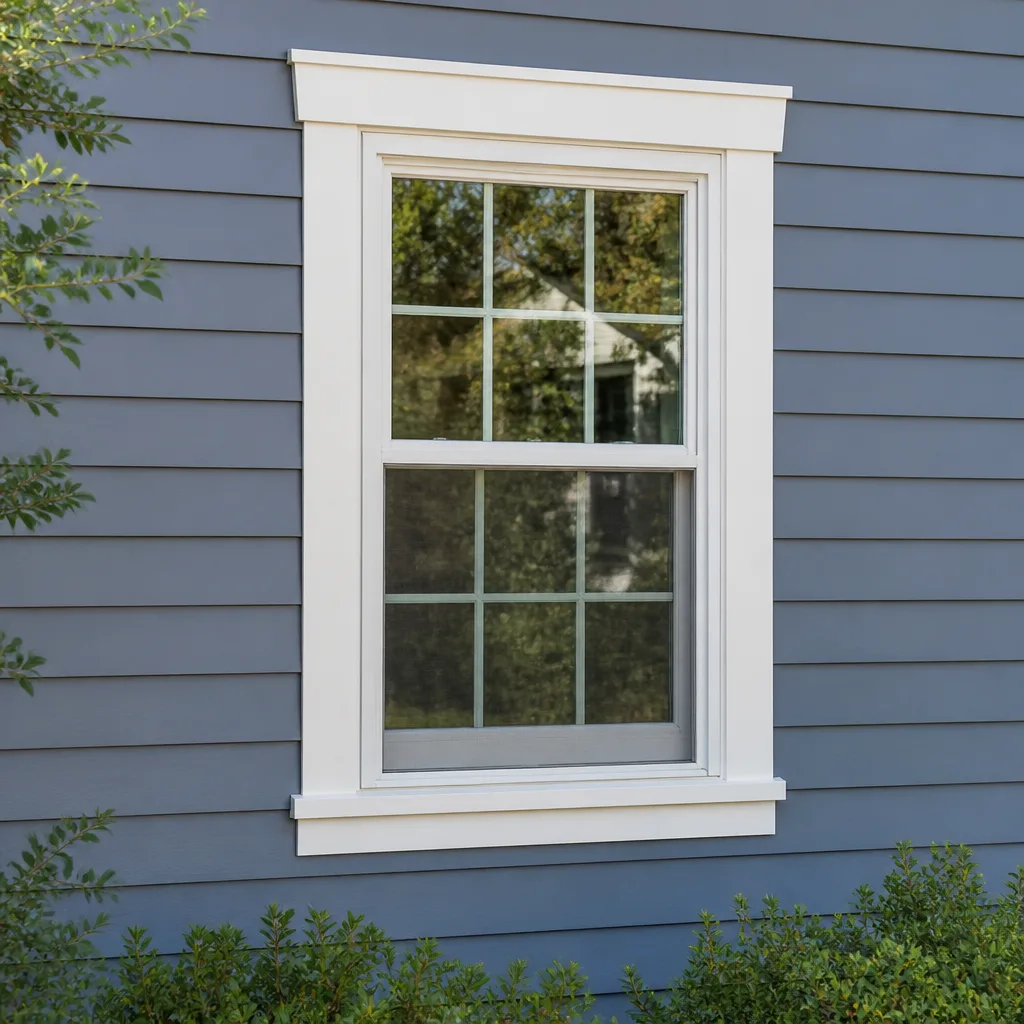 Single hung
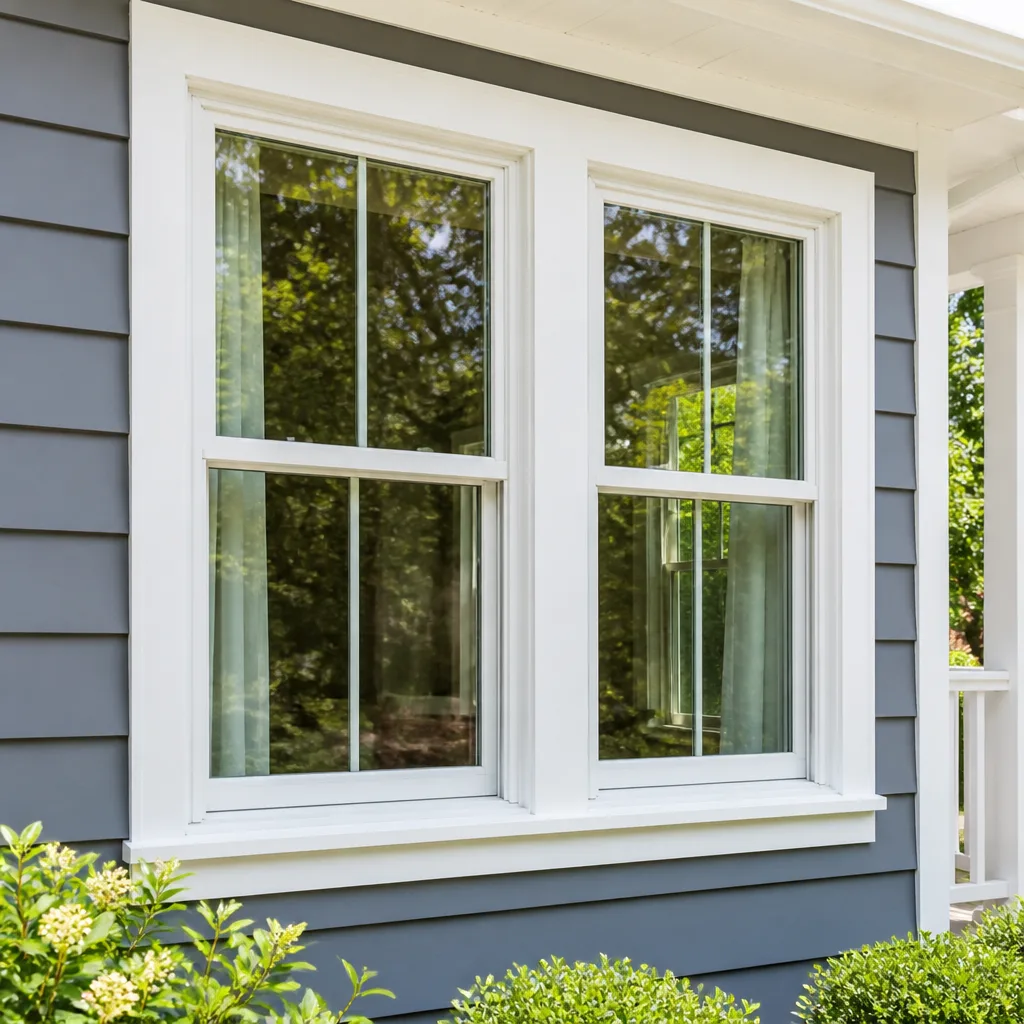 Double hung
 Horizontal roller
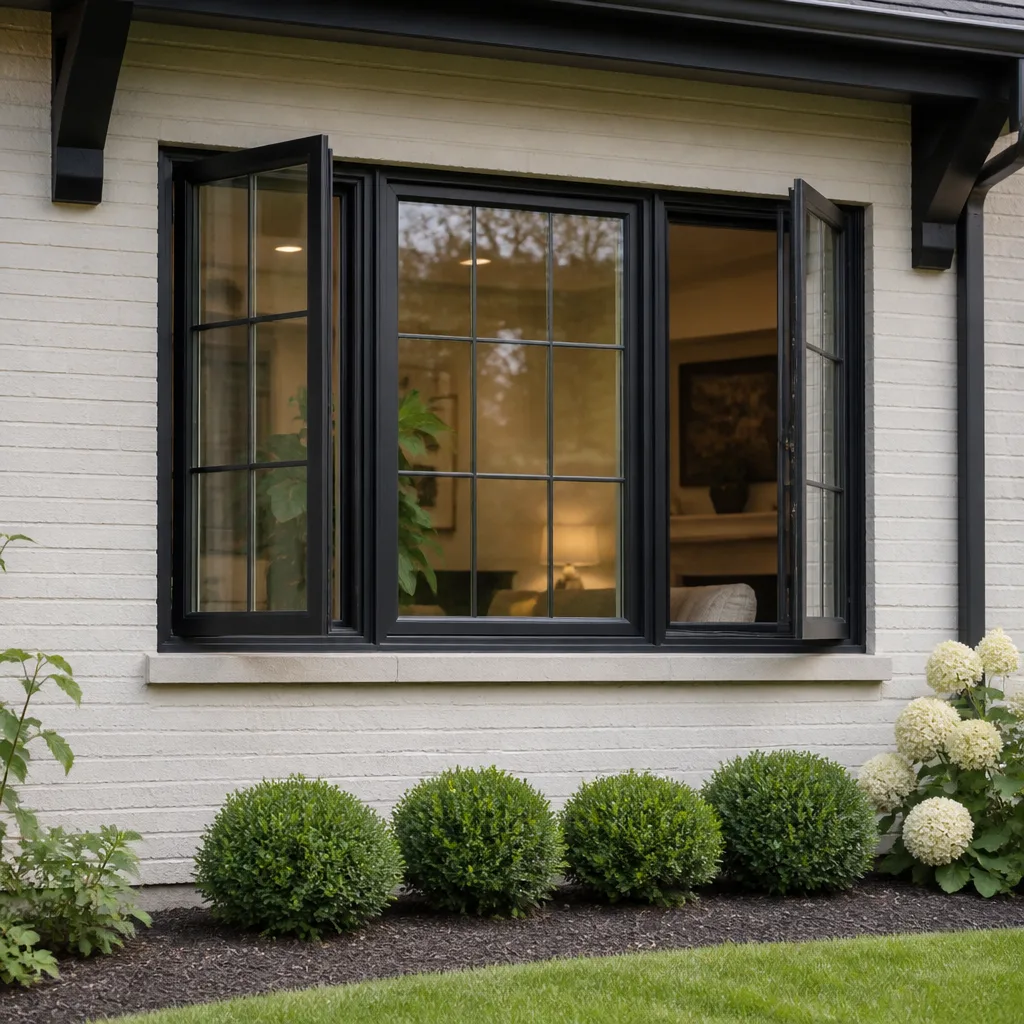 Casement
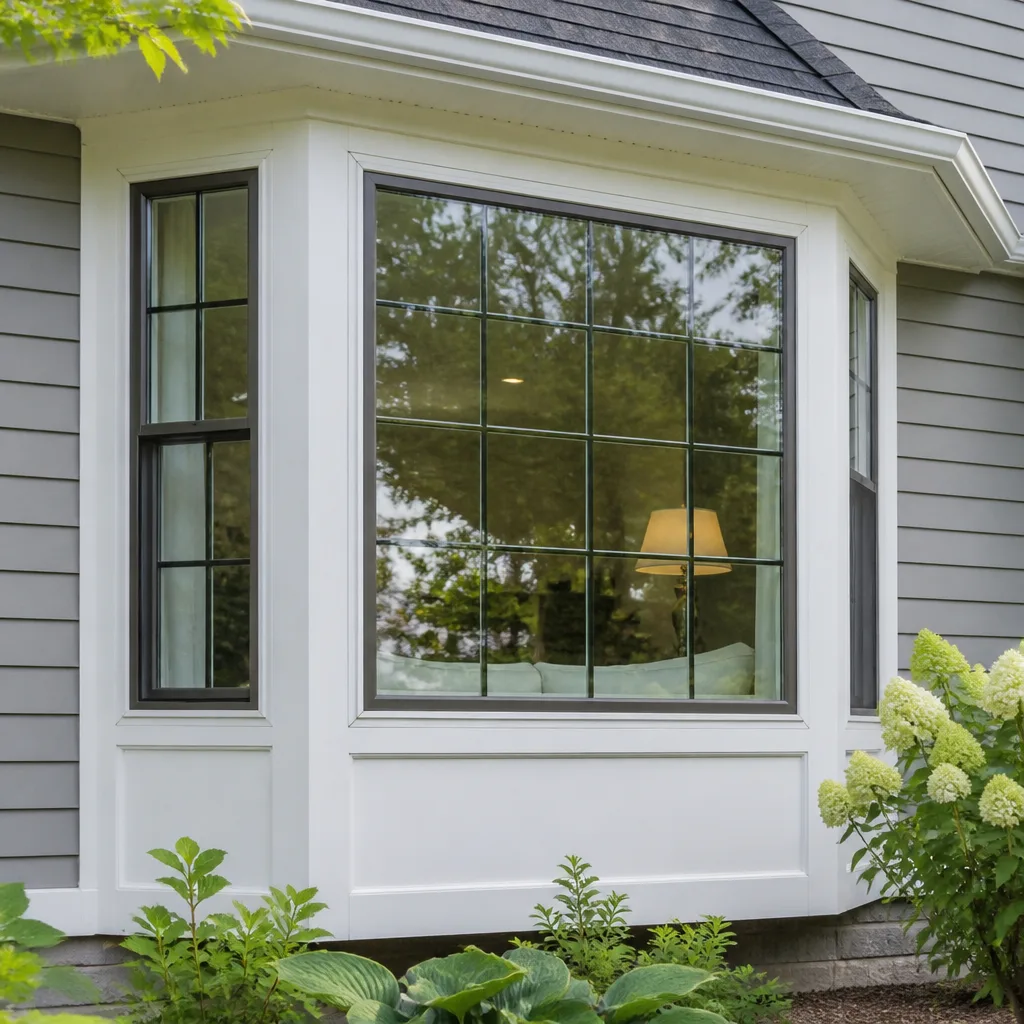 Bay & bow
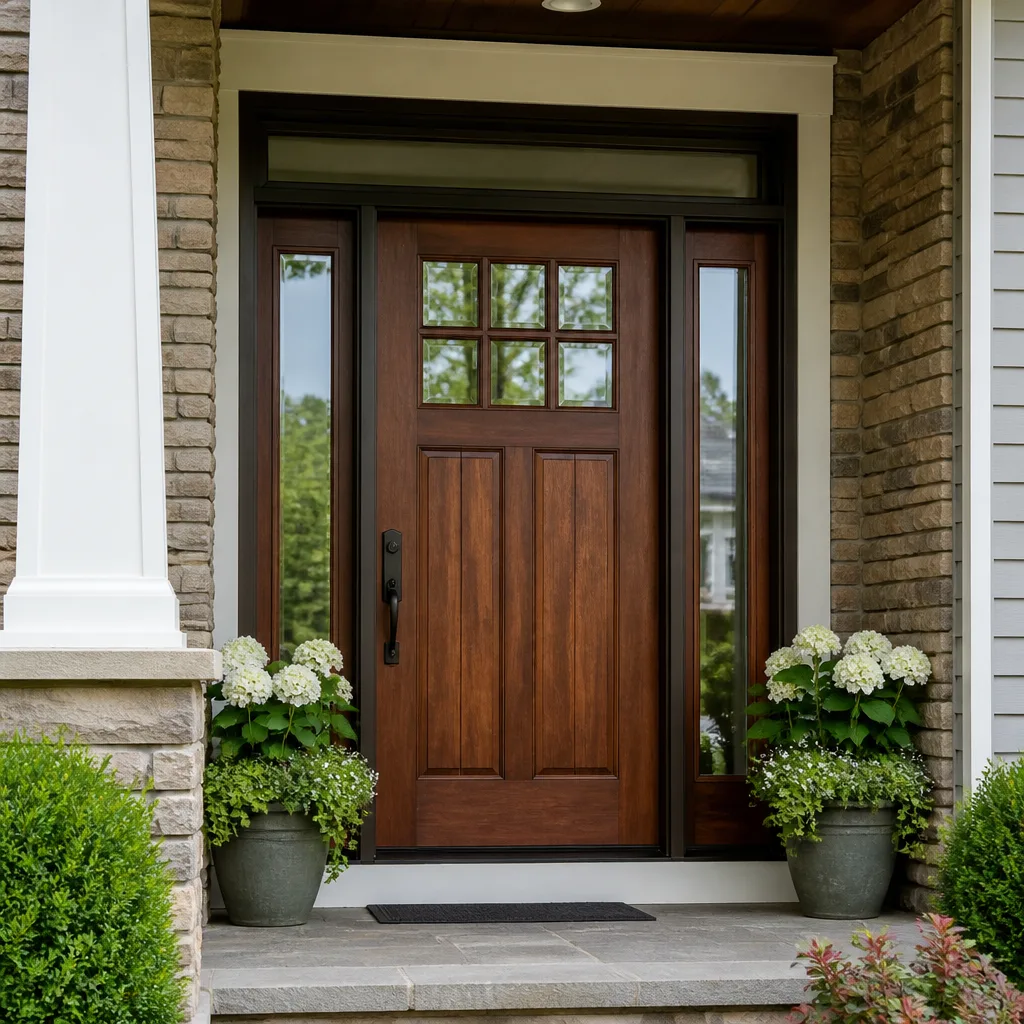 Entry doors
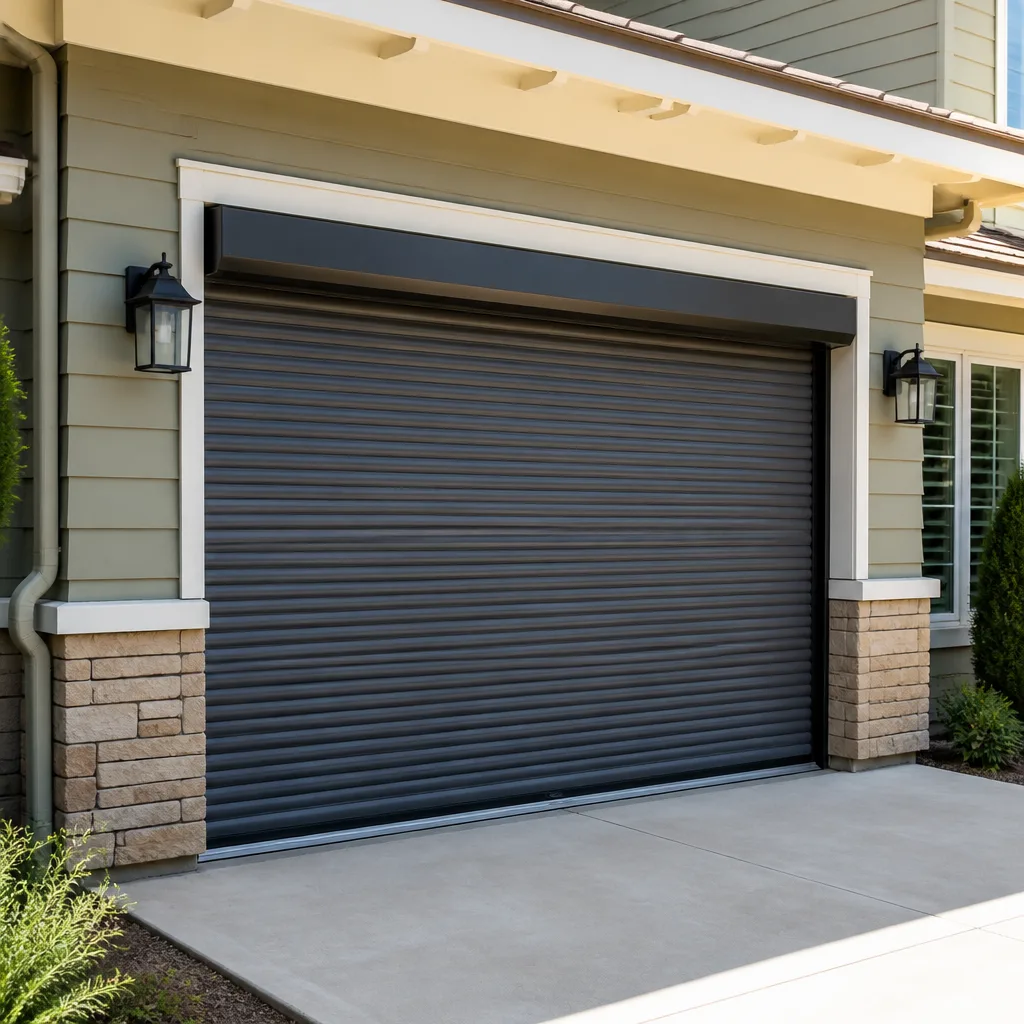
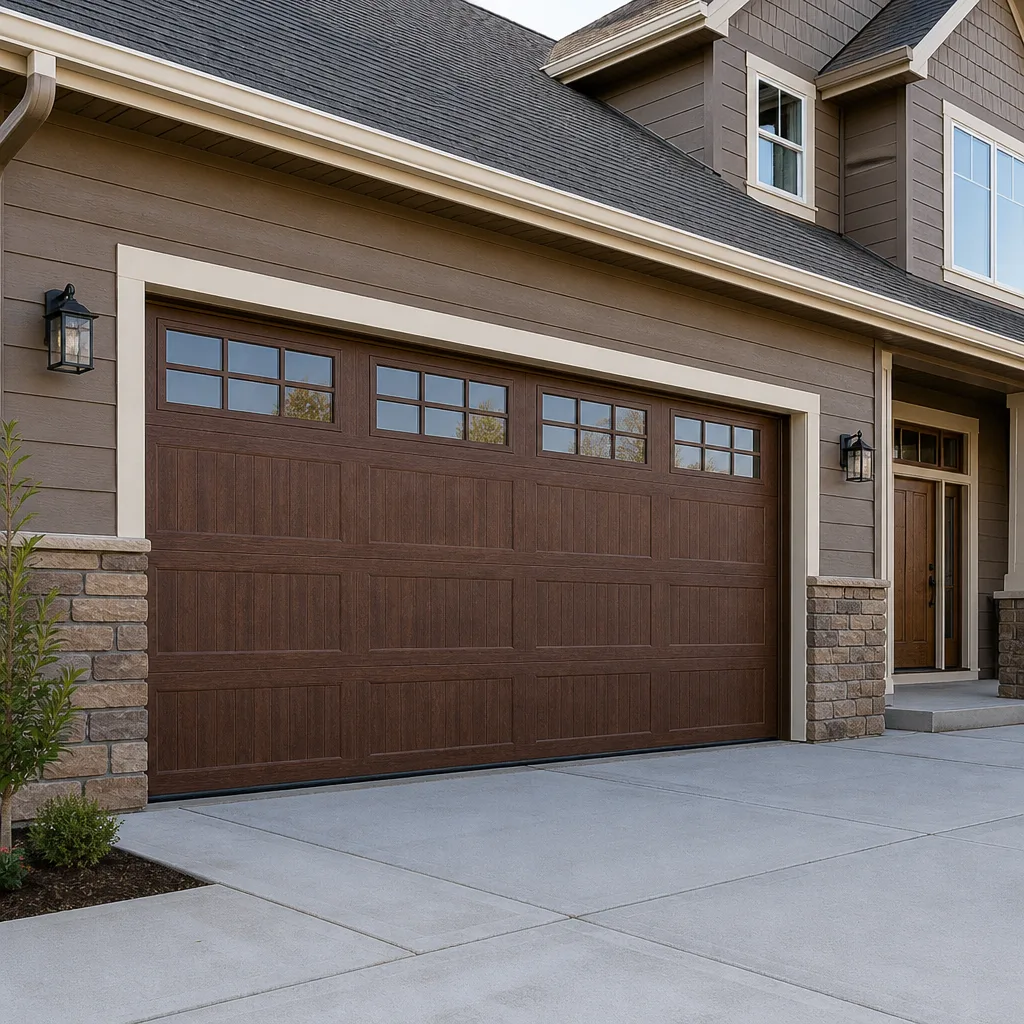 Impact garage doors
 PGT
 CGI
Free in-home measure and quote - PGT, CGI and CWS impact lines compared on your actual openings, style by style
Get your free estimateWindows & Doors Permits, Codes & Inspections in NV: What You Need to Know
Here is the part of window and door work that surprises most North Las Vegas homeowners: a like-for-like replacement in an existing rough opening in Clark County often does not require a permit. The moment you enlarge the opening, add an egress window, or touch a load-bearing header, the rules shift entirely. Skip that step and the problem may not show up for years, until an insurance adjuster or a title company asks for paperwork that was never filed. This guide walks through the actual permit triggers, Nevada’s energy code requirements for this climate, the inspection sequence for permitted work, and what a permit trail protects when you sell. We’re a North Las Vegas windows and doors company, and we’d rather you understood this before anyone touches your house.
Quick Answer
A straight swap of a window or door into the same size opening generally does not require a Clark County permit. Opening modifications, egress upgrades, structural header work, and certain HOA-governed changes do. Nevada’s adopted residential energy code sets U-factor and solar heat gain minimums for replacement glazing in North Las Vegas’s hot-dry climate, and permitted work is inspected at rough, framing, and final stages.
Styles & brands we work with
- Single hung
- Double hung
- Horizontal roller
- Casement
- Bay & bow
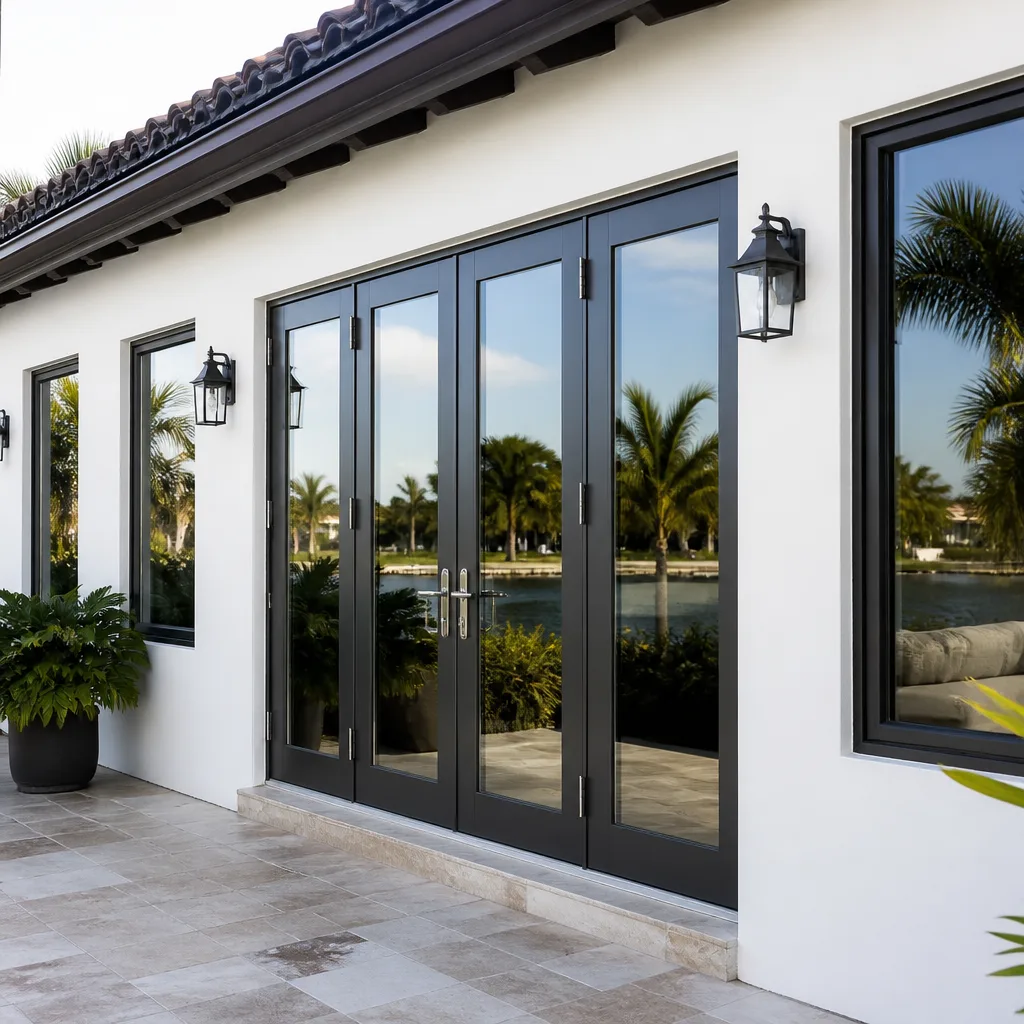
- Sliding glass doors
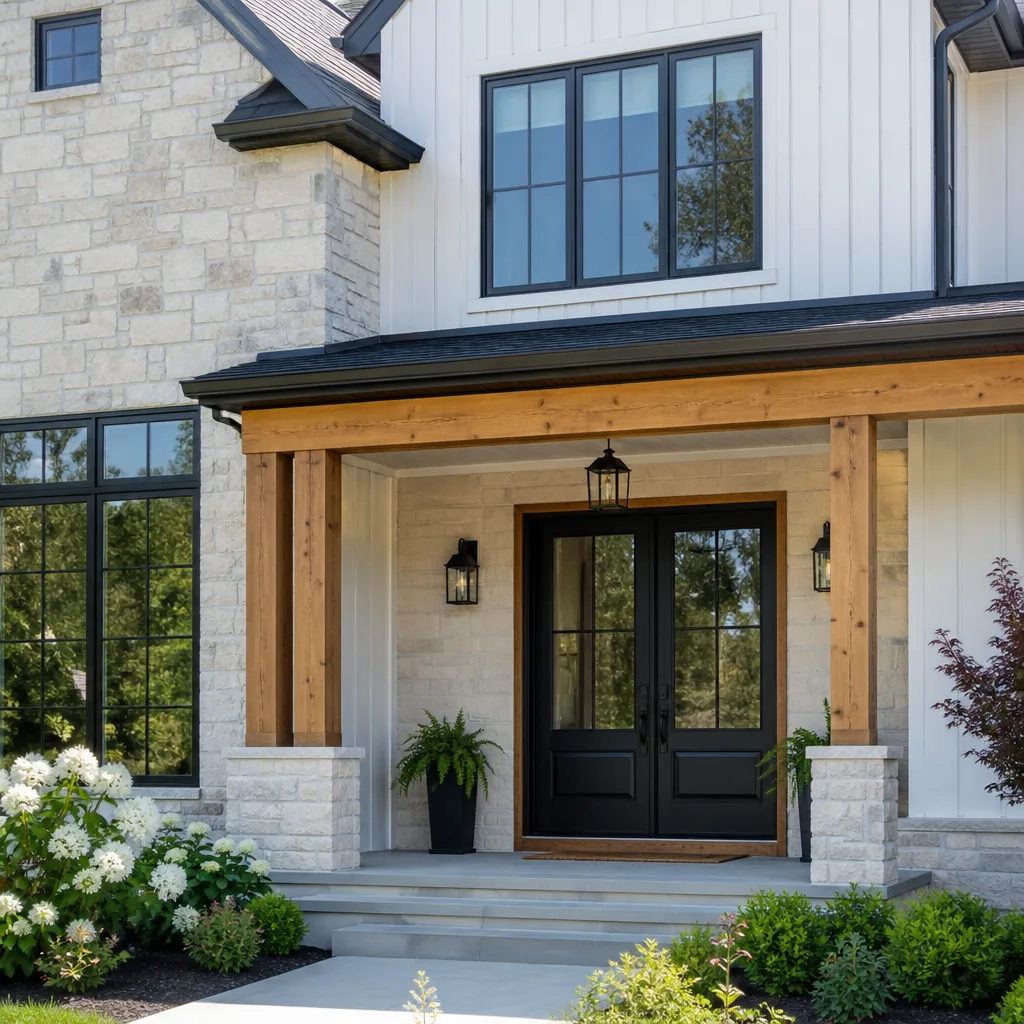
- Entry doors
- Impact garage doors
- PGT
- CGI
Table of Contents
- When does a window or door job need a permit in Clark County?
- What does “like-for-like” replacement actually mean in code language?
- How does Nevada’s energy code affect replacement windows in North Las Vegas?
- HOA overlay rules and why they matter before you order product
- The inspection sequence for permitted window work
- How unpermitted work surfaces at resale and what it costs
- Insurance claims and the paperwork gap
- Common mistakes to avoid
When does a window or door job need a permit in Clark County?
The Clark County Building Department looks at structural impact and life safety, not at whether you replaced glass. If the work stays inside the existing opening and doesn’t change the header, framing, or egress path, it’s usually classified as a repair or replacement and doesn’t trigger a permit. Change the opening size and you’re now altering a wall assembly, which brings structure into play.
The triggers we see most often in North Las Vegas:
- Opening modification. Widening, heightening, or stacking windows or doors requires a permit because the header and framing change.
- Egress upgrades. Bedroom windows must meet Nevada’s adopted egress dimensions for clear opening, sill height, and operability. Enlarging a bedroom window to meet egress is permitted work.
- Structural header work. Any change to a load-bearing header, or adding a new opening in an exterior wall, is structural and always permitted.
- Converting a window to a door, or a sliding door to a hinged door where the framing changes, typically requires a permit.
- New openings. Cutting a door into a wall that never had one is structural work, full stop.
This matters because we’ve walked into North Las Vegas homes where a prior “replacement” quietly enlarged two openings with no paperwork. When the seller went to list, the title company flagged the mismatch between the permitted square footage and the actual wall openings. The remediation cost more than the original permits several times over.
What does “like-for-like” replacement actually mean in code language?
In code language, like-for-like means the replacement unit matches the rough opening dimensions of the existing unit and doesn’t alter the wall’s structural assembly, egress path, or the building envelope’s performance characteristics beyond a specified tolerance. That’s a narrower definition than how the phrase gets used in some bids.
A few things a true like-for-like swap covers:
- Same rough opening width and height, within manufacturer tolerance for the replacement unit
- Same glazing configuration and same or better U-factor and SHGC than the unit being removed
- Same operation type (double-hung for double-hung, slider for slider)
- No change to the header, king studs, or jack studs
- No change to sill height or clear opening dimensions if the window serves a bedroom
Where the phrase gets stretched: a contractor calls an enlarged opening a “like-for-like replacement” because the room still has a window in it. That’s not the code definition. If the opening changed, the header almost certainly changed with it, and the work is permitted. In North Las Vegas, we’ve seen this shortcut used to hold a bid down by several hundred dollars per opening, with the homeowner holding the risk years later.
If you’re weighing a straight swap against a redesign, our guide to window replacement in North Las Vegas walks through the difference in product selection and cost so you know which side of the line your project sits on.
How does Nevada’s energy code affect replacement windows in North Las Vegas?
Nevada’s residential energy code is adopted from the IECC, and it sets prescriptive minimums for replacement glazing based on climate zone. North Las Vegas sits in Climate Zone 3B, which is hot-dry. That means the code prioritizes solar heat gain control and U-factor together, not one at the expense of the other. A window that performs well in a mild coastal climate may not meet the threshold here.
The two numbers that matter:
- U-factor measures how quickly heat moves through the whole assembly. Lower is better for our summer cooling load.
- SHGC (solar heat gain coefficient) measures how much solar heat the window lets in. In Climate Zone 3B, a lower SHGC reduces the afternoon heat that pushes your cooling bill up.
Prescriptive paths exist at different levels depending on how much of the window area you’re replacing and whether the project is permitted as a whole-house scope or a partial replacement. A permitted job draws the code requirements into the review; a simple like-for-like swap of one window in an unpermitted scope doesn’t always. This is one of the reasons we advise homeowners to know the U-factor and SHGC of any unit quoted before signing, in writing.
Products we work with, including PGT and ViewLux lines, publish their certified U-factor and SHGC values. We bring those numbers into the quote so you can compare apples to apples. The North Las Vegas heat doesn’t care about marketing language. It cares about the glass.
HOA overlay rules and why they matter before you order product
Most of North Las Vegas’s newer neighborhoods sit inside HOAs with architectural review requirements that run on top of the county code. An HOA can require specific frame colors, visible glass ratios, divided-light patterns, door styles, and even a specific obscure-glass level on street-facing units. Order the product first and get denied at the HOA review, and you may be returning a made-to-order unit.
Build the HOA approval into the front end of the project. Before a single frame is ordered:
- Pull the HOA’s architectural guidelines for windows and doors, and note every specification in writing.
- Submit the architectural request with product specs, frame finish, glass details, and elevation drawings.
- Wait for written approval before placing the order.
- Keep the approval on file with the permit documents, since inspectors sometimes ask.
The Therma-Tru door lines we install have enough finish and glass flexibility that most HOA guidelines can be satisfied without a custom order. But the review takes time regardless, and a project that skips that step has a way of stalling mid-install.
The inspection sequence for permitted window work
Permitted window and door work in Clark County is inspected in stages, and the homeowner should know the sequence before the job starts. Each stage is a checkpoint where a county inspector confirms the work before the next phase can proceed. Missing a stage can require opening finished walls to catch up.
The typical sequence:
- Pre-inspection (sometimes). For structural work involving a header replacement or a new opening, the county may want to see the existing framing documented before the change.
- Rough-in inspection. Framing, header, king studs, jack studs, and any flashing are inspected before insulation and drywall close the wall.
- Framing inspection (when structural). Confirms the header sizing and connections meet the approved plan.
- Energy code verification. The installed unit’s U-factor and SHGC ratings must match what the permit lists. Keep the manufacturer label on the glass until final.
- Final inspection. Confirms the work matches the permit, egress requirements are met where applicable, and the assembly is complete.
What to ask for in writing at each stage: the inspection date, the inspector’s name and card, the pass or correction result, and a photo of the signed inspection card. Those four items are what a title company or insurance adjuster will want to see later. If a contractor can’t produce them, that’s a signal.
North Las Vegas sites often run these stages in quick succession on compact residential lots, so scheduling is usually the bigger constraint than the inspections themselves. The request for written proof is the part homeowners forget to make.
How unpermitted work surfaces at resale and what it costs
Unpermitted window and door work surfaces at three points, none pleasant. First, when the buyer’s inspector notices the changed opening, mismatched flashing, or a header that isn’t carrying the load the plan shows. Second, when the title company pulls the permit history and finds a gap. Third, when the buyer’s lender requires evidence the structural alteration was permitted and inspected before clearing the loan.
Rough cost comparison:
- Original permit for a window modification typically runs from a couple hundred dollars up to the low four figures depending on scope and whether structural review is included.
- After-the-fact permit (a “post-construction” correction) is usually several times the original because it involves opening finished surfaces to expose framing for inspection, plus engineering letters and re-inspection fees.
- Remediation without a permit (rebuilding the opening to look like no change was ever made) often costs more than doing it permitted in the first place, and leaves the home with a lower-imperfection disclosure instead of a clean permit trail.
- Sales price reduction or lost deal when a buyer’s agent prices the risk of unpermitted work into their offer, or walks away entirely.
The math is not close. A permitted window modification in North Las Vegas protects the value of the change from day one. An unpermitted one is a liability you write into the listing.
Insurance claims and the paperwork gap
This is the part that doesn’t get said often enough. When a storm, roof leak, or water intrusion claim ends up pointing at a window or door opening, the adjuster will ask how that opening was constructed and whether the work was permitted and inspected. An unpermitted opening can become an exclusion argument. That doesn’t mean every claim gets denied. It does mean the homeowner is in a defensive posture with an insurer they were paying to have on their side.
Two things a homeowner can do to protect themselves:
- Keep the permit number, inspection cards, and manufacturer data sheets for the installed windows in a digital folder with the closing documents for the home.
- Ask for a written price and the permit scope before work starts, and confirm on the invoice that permitted items are called out separately.
Our standard practice is a written price before any work starts, so there’s no invoice surprise and the permit scope is documented in one place. That’s the same document that ends up in the file folder we’re describing.
If you’re planning door work alongside the window project, our door installation in North Las Vegas page outlines what triggers a permit versus a straight replacement, which is a useful cross-reference when the scope covers both.
Common Mistakes to Avoid
- Accepting “like-for-like” without opening dimensions in writing. If the quote doesn’t state the rough opening dimensions, you can’t verify it’s actually like-for-like. Two sentences in the quote prevent this.
- Skipping HOA review before ordering product. Made-to-order units can’t be returned easily if the HOA rejects the frame finish or divided-light pattern. Submit the architectural request first.
- Trusting a bid with no permit line at all. If the scope is a structural modification and the bid has no permit line, the work will either be done unpermitted or the price will grow later. Ask what’s covered.
- Ignoring energy code numbers because they’re not on the quote. In North Las Vegas’s Climate Zone 3B, a high-SHGC window is a permanent summer cooling penalty. Ask for U-factor and SHGC in writing.
- Not requesting inspection cards. The inspection history is what the homeowner needs later. Ask for the card, photo, and date at each stage.
- Letting the contractor handle the permit without any homeowner oversight. You can pull a permit as the homeowner in most cases. Either way, confirm the permit is open under your address before work starts.
- Replacing a bedroom window without checking egress dimensions. An undersized egress window is a life-safety issue and a red flag at resale. Verify clear opening dimensions before any replacement in a bedroom.
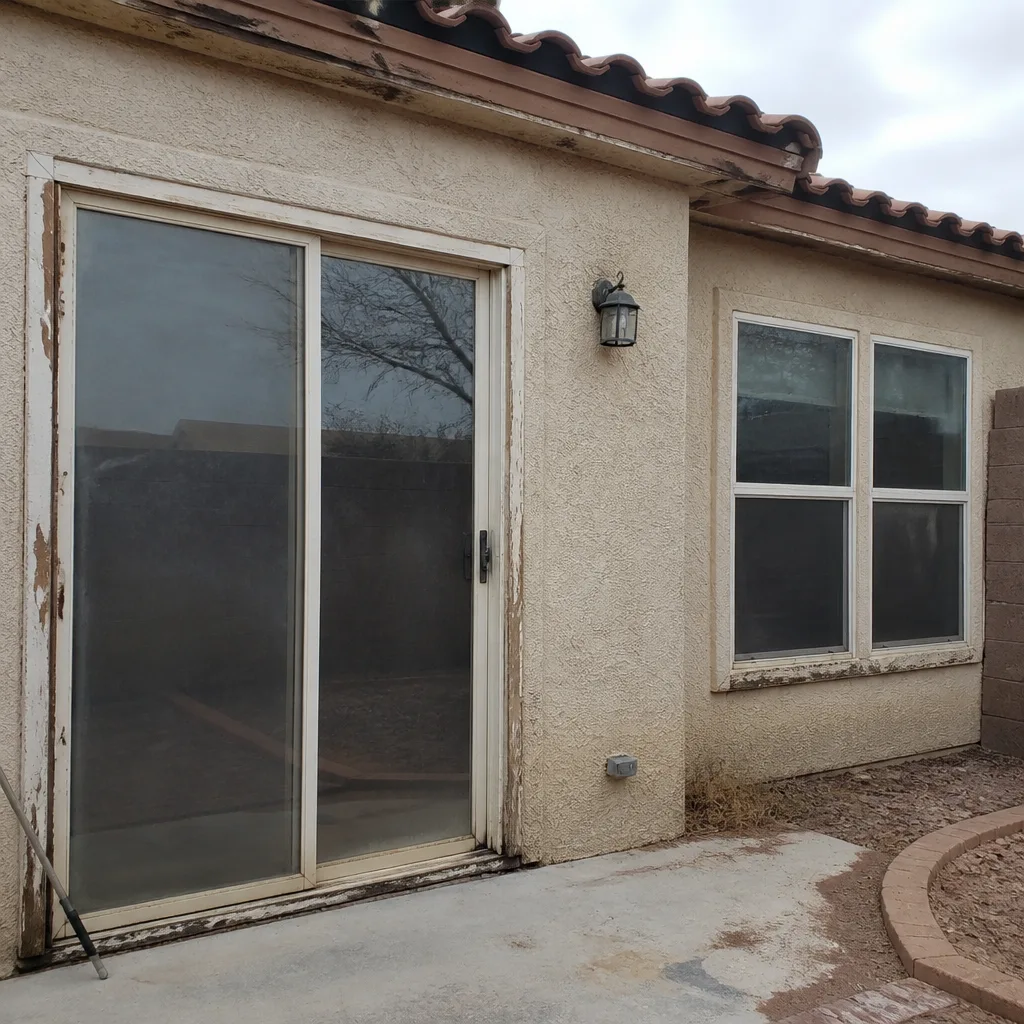
See the difference
 Before
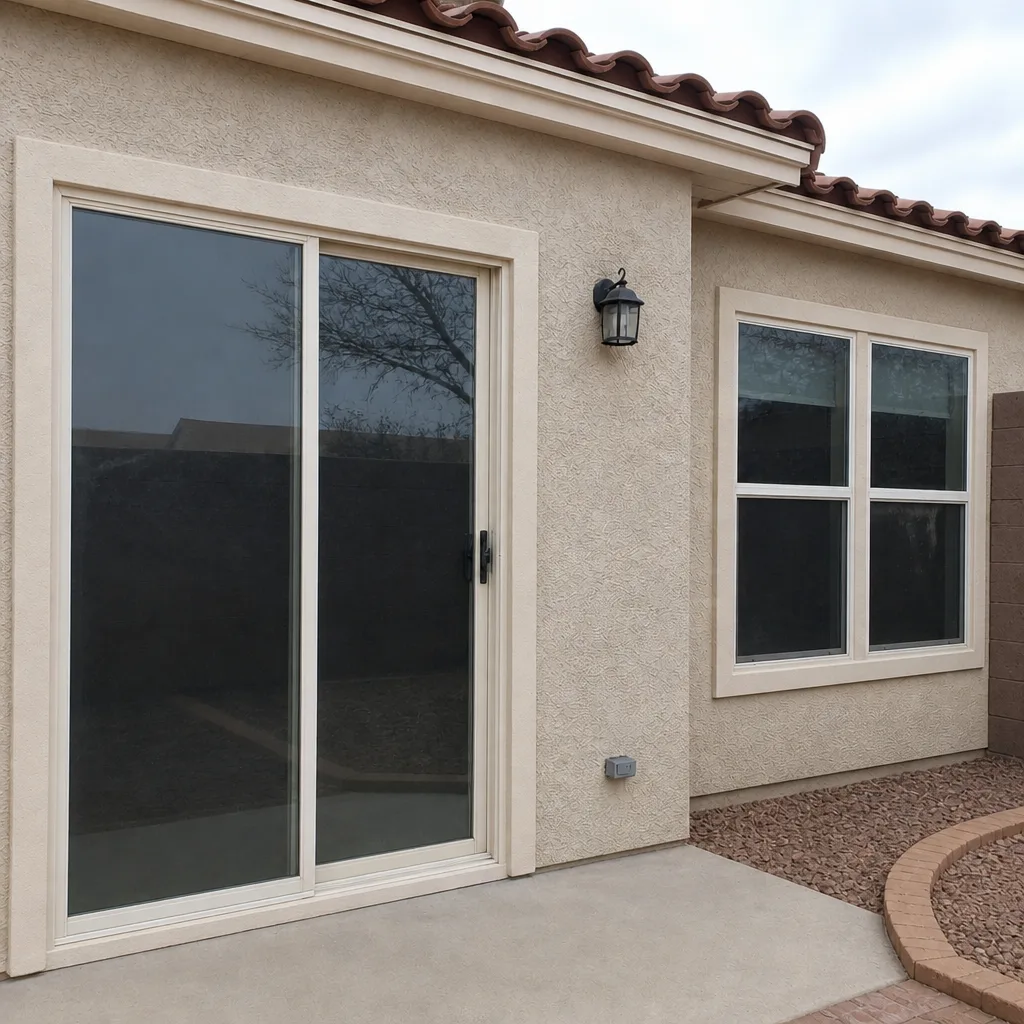 After
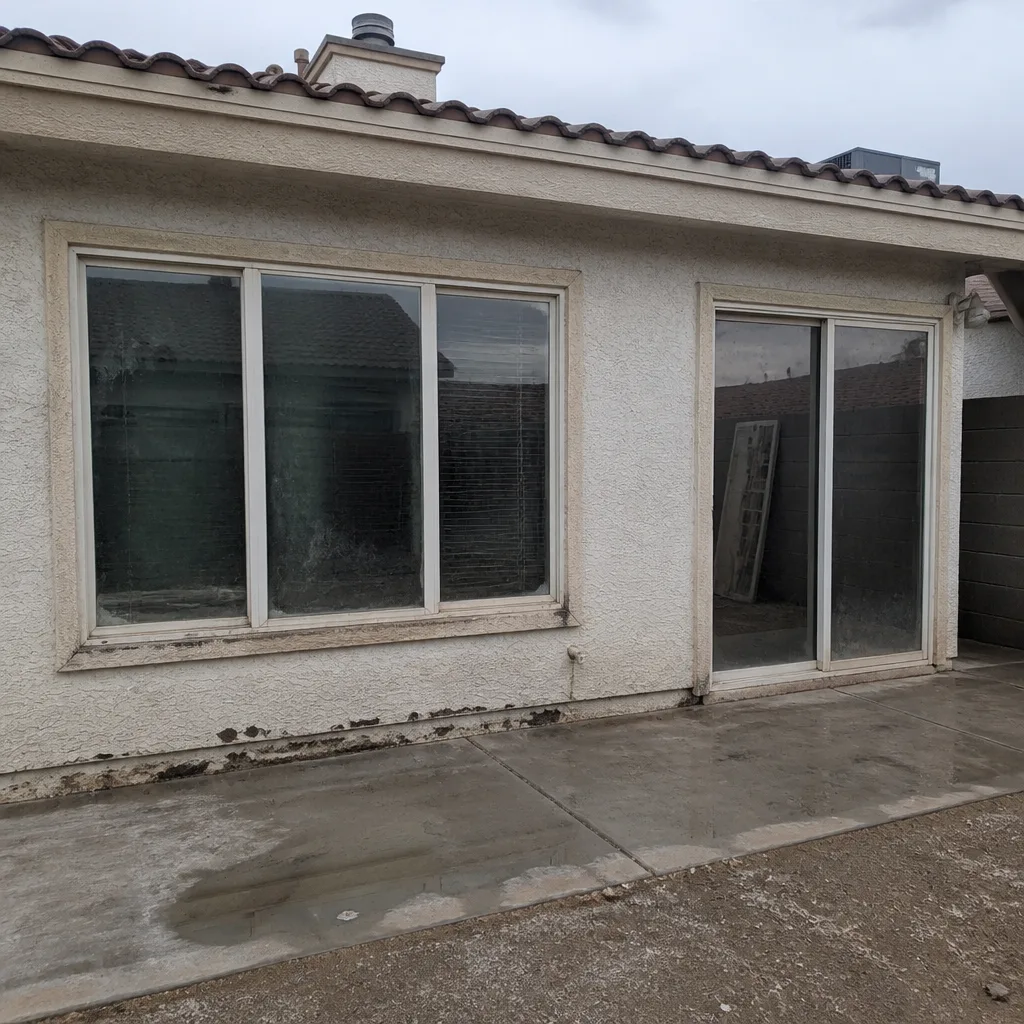 Before
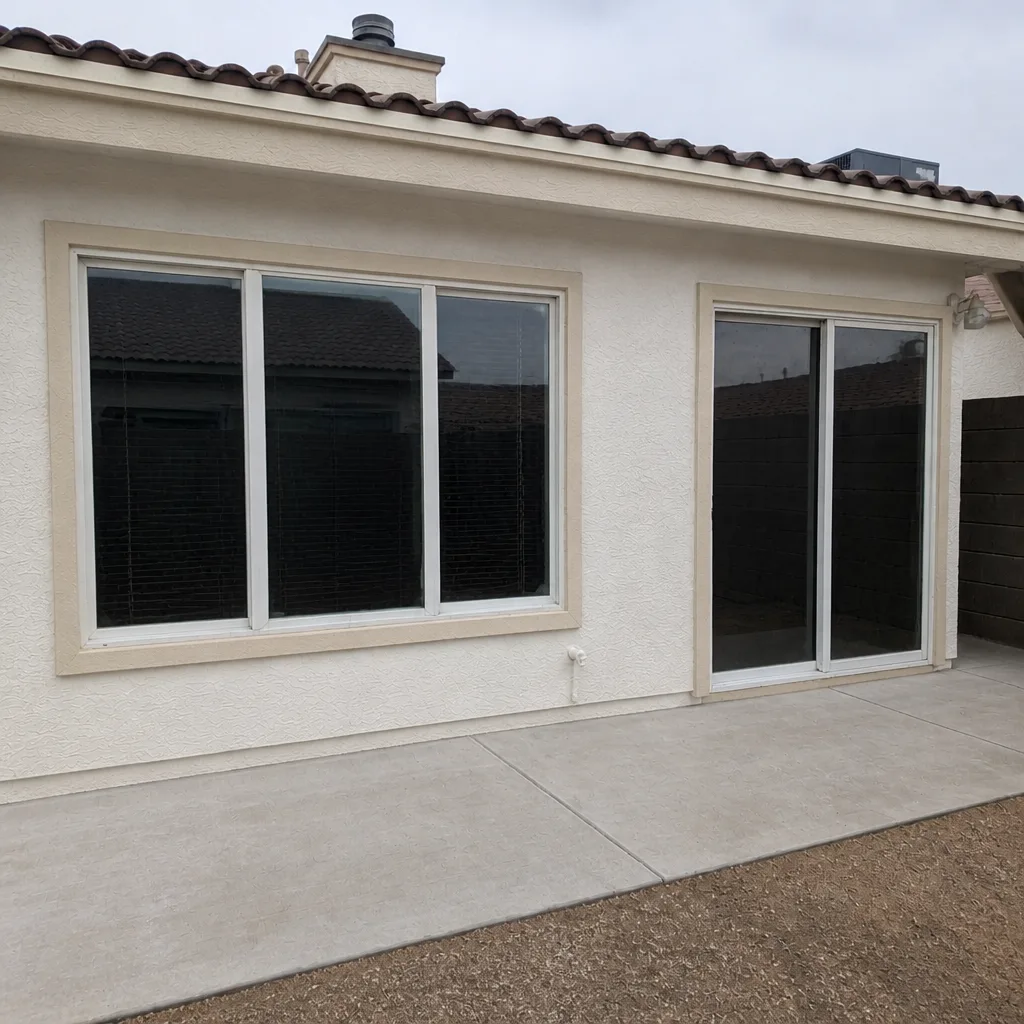 After
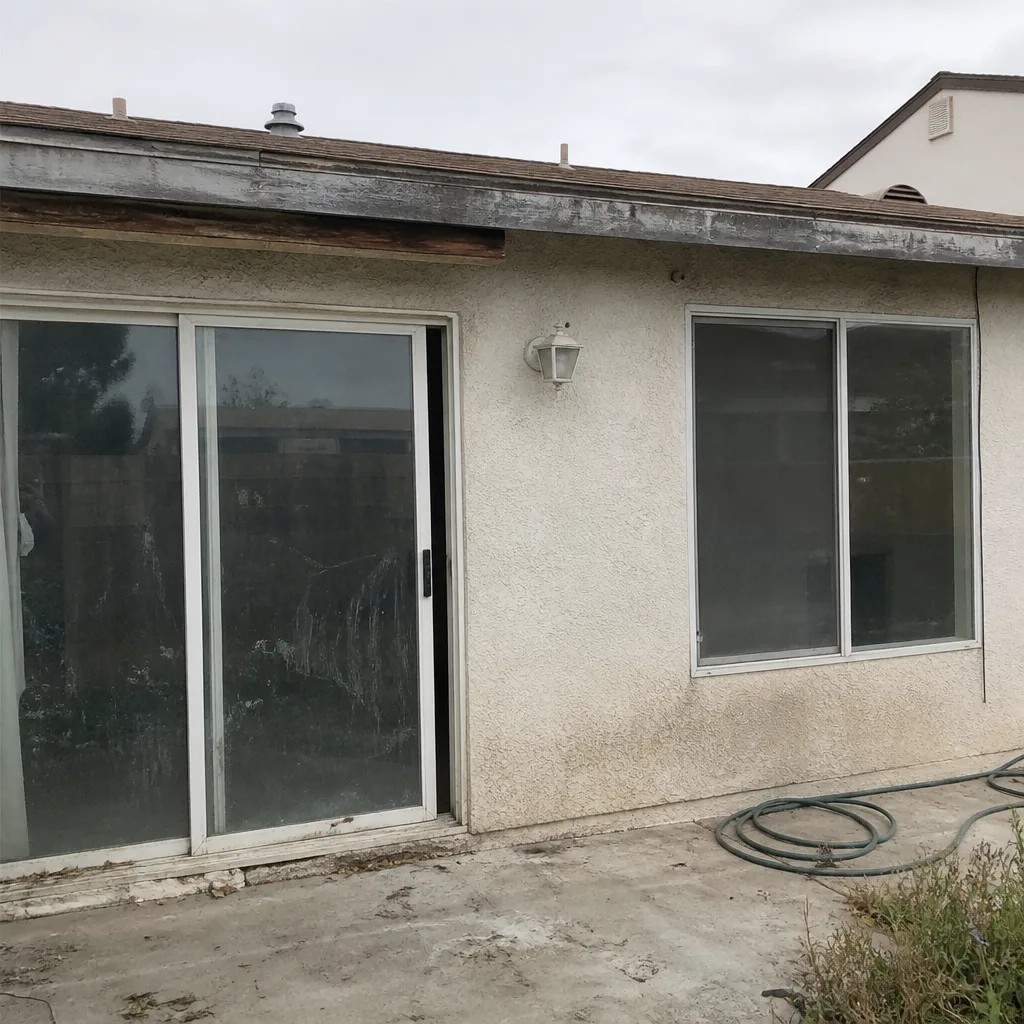 Before
 After
When to Call a Professional
Call a professional when the scope involves an opening change, structural header work, egress requirements, or any door cut into an existing wall. Those are the cases where a permit is required and where a mistake can void coverage or complicate a future sale. Permitted work we handle in North Las Vegas is filed with the county, inspected at each stage, and documented so you keep the paper trail. Our technicians have up to 16 years of experience and work with eight manufacturer brands, including Therma-Tru and Mr-Glass, so the recommendation follows the opening and the HOA, not a preferred vendor. We answer the phone 24/7 with a real person and give a written price before any work starts. Lightwell Windows & Doors North Las Vegas offers free estimates in North Las Vegas. Call (877) 317-4920.
Frequently Asked Questions
In most cases, no, if the replacement goes back into the same rough opening with no framing change. A permit is required when the opening size changes, when a bedroom window is enlarged for egress, when a load-bearing header is altered, or when a new opening is cut. If your project touches any of those, call us at (877) 317-4920 and we’ll walk through the scope with a free estimate.
Yes, converting a window to a door almost always requires a permit because the header, framing, and floor system at the doorway are changing. The work is structural even when the opening looks similar in size. Bring us the plan and we’ll confirm what the county will ask for before work starts. Free estimates at (877) 317-4920.
Rough-in, framing (when structural), energy code verification, and final. Ask for the inspection date, the result, and a photo of the signed card at each stage, and keep them with your closing documents. If a contractor can’t produce the cards later, that’s a signal worth acting on. Call (877) 317-4920 for an exact quote on permitted work.
The exact numbers depend on the prescriptive path the permit is filed under, but North Las Vegas’s Climate Zone 3B expects lower SHGC for our summer cooling load and a U-factor that performs in both summer and the cold snaps we get in winter. Ask for the product’s certified values in writing. PGT and ViewLux both publish their data sheets, and we include them in every quote. Call (877) 317-4920 for a written estimate.
It can. If an insurance claim involves an opening that was altered without a permit, the adjuster may argue the construction wasn’t to code, which opens an exclusion path. Keeping the permit and inspection cards makes the claim cleaner. Call us at (877) 317-4920 to review what your current windows and doors were installed under.
Glass-only replacement (new insulated glass units into existing frames) is normally a repair rather than a permit item, since the frame and rough opening stay in place. The exception is when the replacement glazing has to change the U-factor or SHGC path of a permitted project already on file. Ask us before ordering and we’ll tell you which side of the line your job sits on. Free estimates at (877) 317-4920.
The Bottom Line
Permits for window and door work in Nevada are narrower than contractors sometimes fear and wider than contractors sometimes admit. Like-for-like replacements usually don’t need one. Opening changes, egress upgrades, structural header work, and new openings almost always do. The energy code matters more in North Las Vegas than in most of the country because of the 3B cooling load, and HOA guidelines sit on top of the county rules. The permit trail is the paper that protects your insurance claim and your resale. If you’d like a written scope and a straight answer about what needs to be filed, call Lightwell Windows & Doors North Las Vegas at (877) 317-4920 for a free estimate.
If you’re still mapping out the whole project, start with our Lightwell Windows & Doors North Las Vegas home page, then compare window installation in North Las Vegas for the differences between permits, inspections, and product specifications across a full install.
Written by the team at Lightwell Windows & Doors North Las Vegas.
Six Reasons Homeowners Choose Lightwell Windows & Doors North Las Vegas
Laminated glass and reinforced frames hold up to wind-driven rain, hail and flying debris, so your openings stay sealed when the weather turns.
Low-E insulated impact glass from our manufacturer lines commonly cuts monthly cooling bills 20-30%.
Laminated impact glass shuts out up to 40% of outside noise - traffic, neighbors, weather.
Monitoring services run $30-90 a month. Laminated impact glass resists forced entry around the clock, with no subscription.
Tighter seals and insulated glass even out hot and cold rooms and stop the drafts at the frame.
A full impact package upgrades curb appeal, buyer confidence and appraised value in one project.