
Last updated November 18, 2026
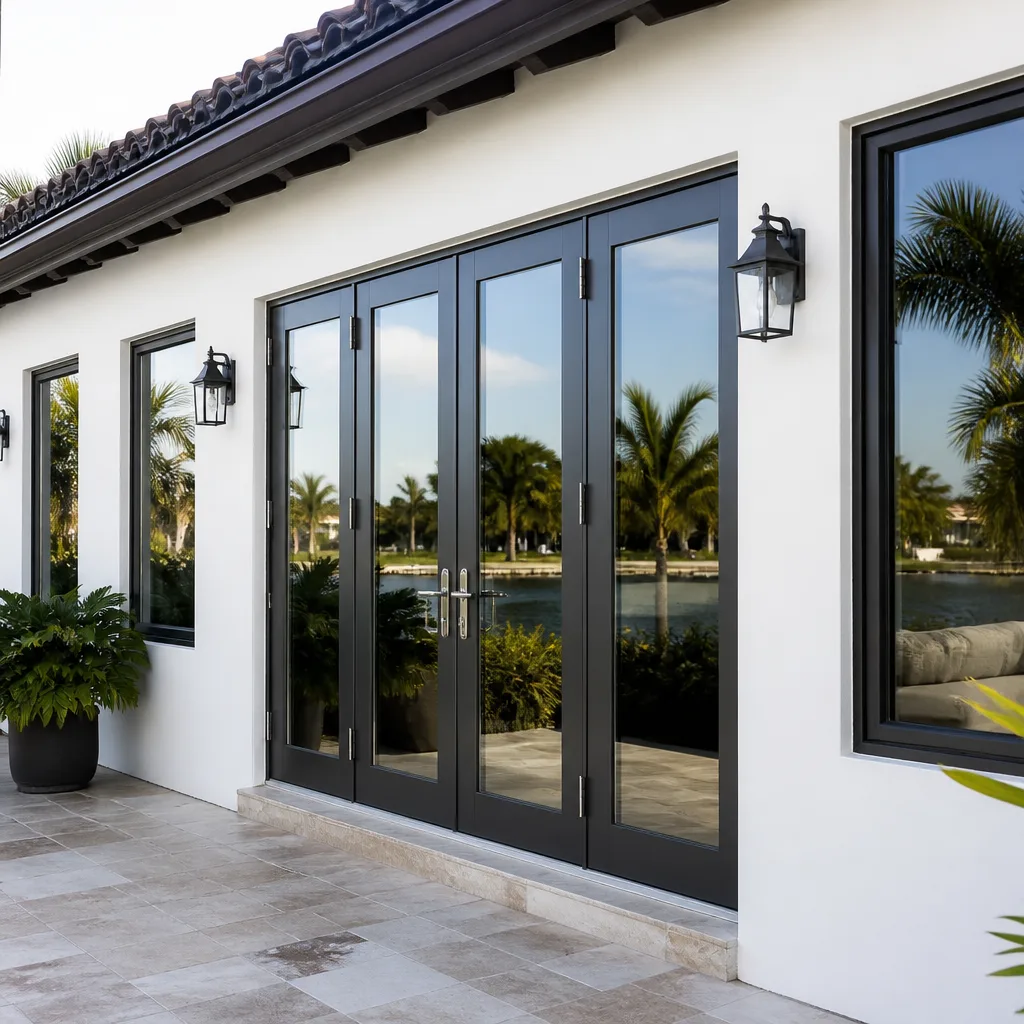
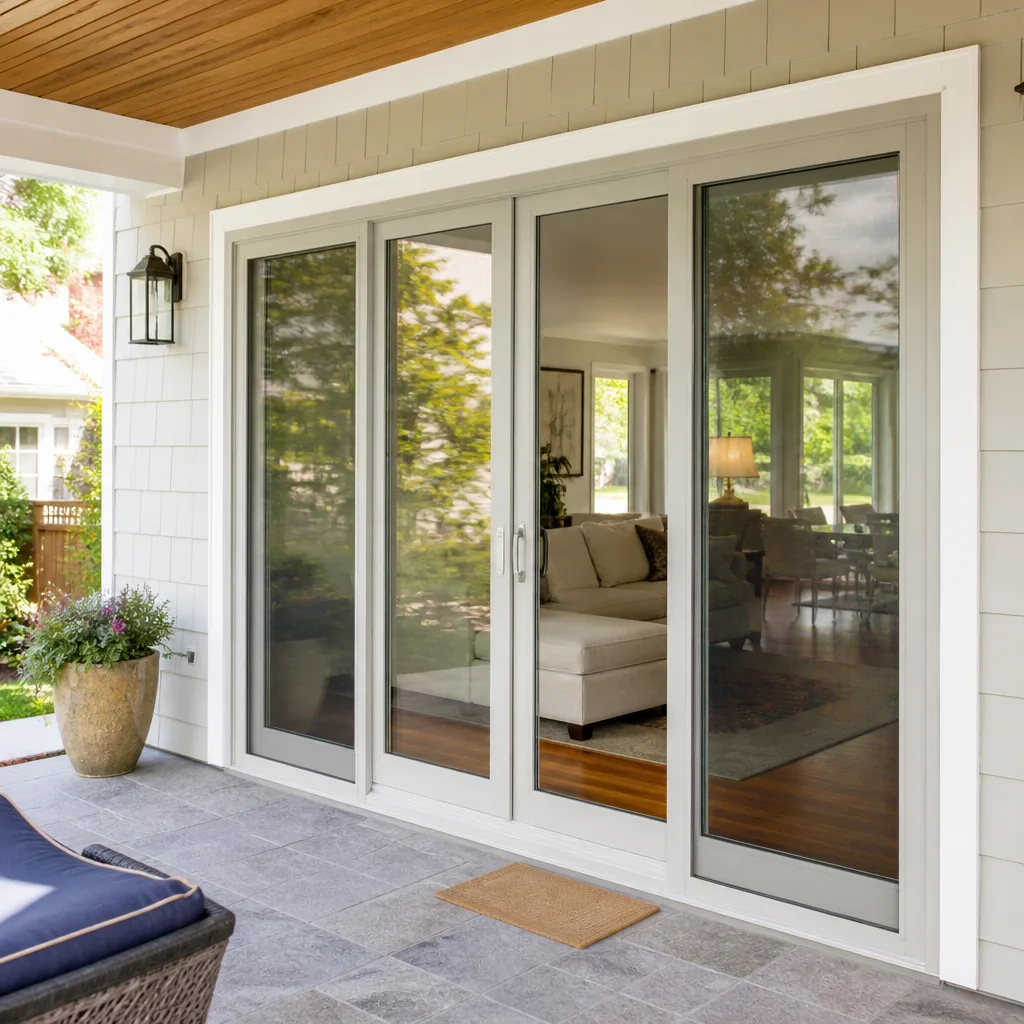 Sliding glass doors
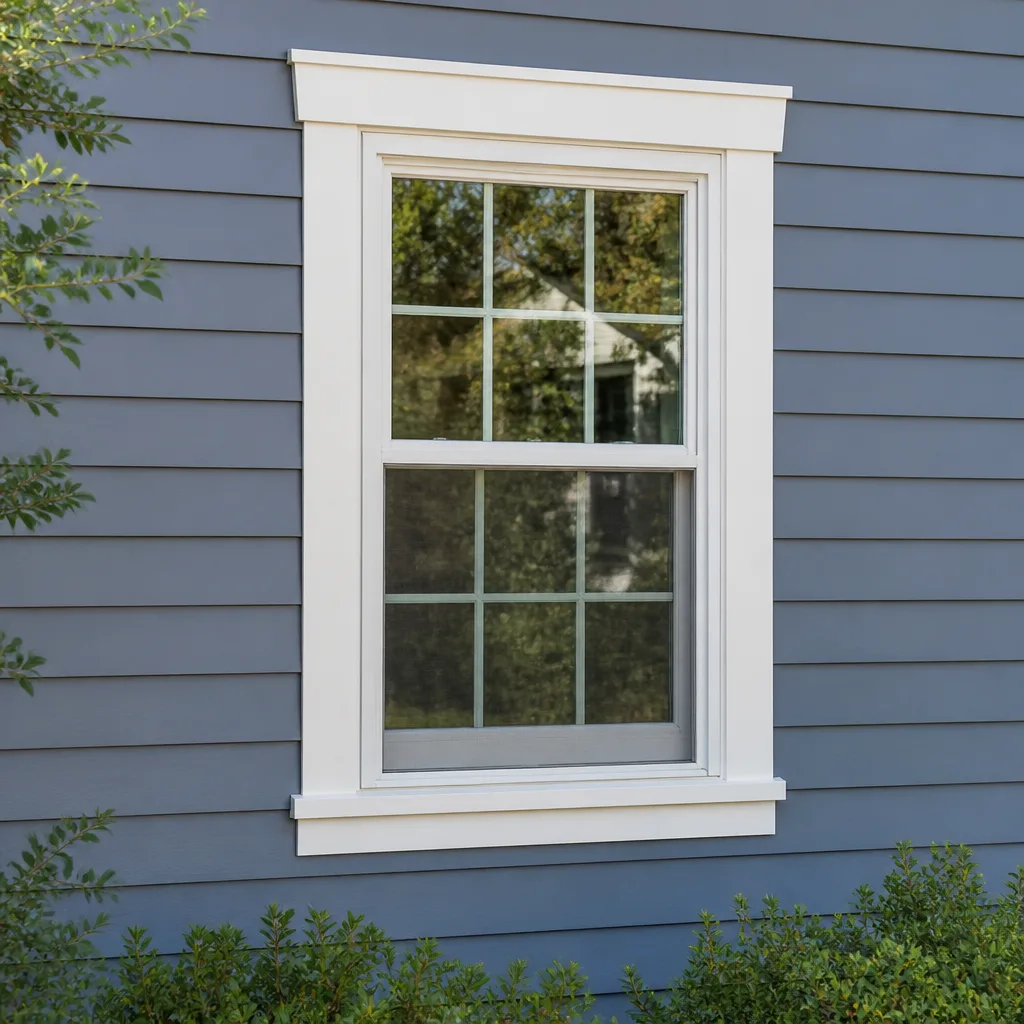 Single hung
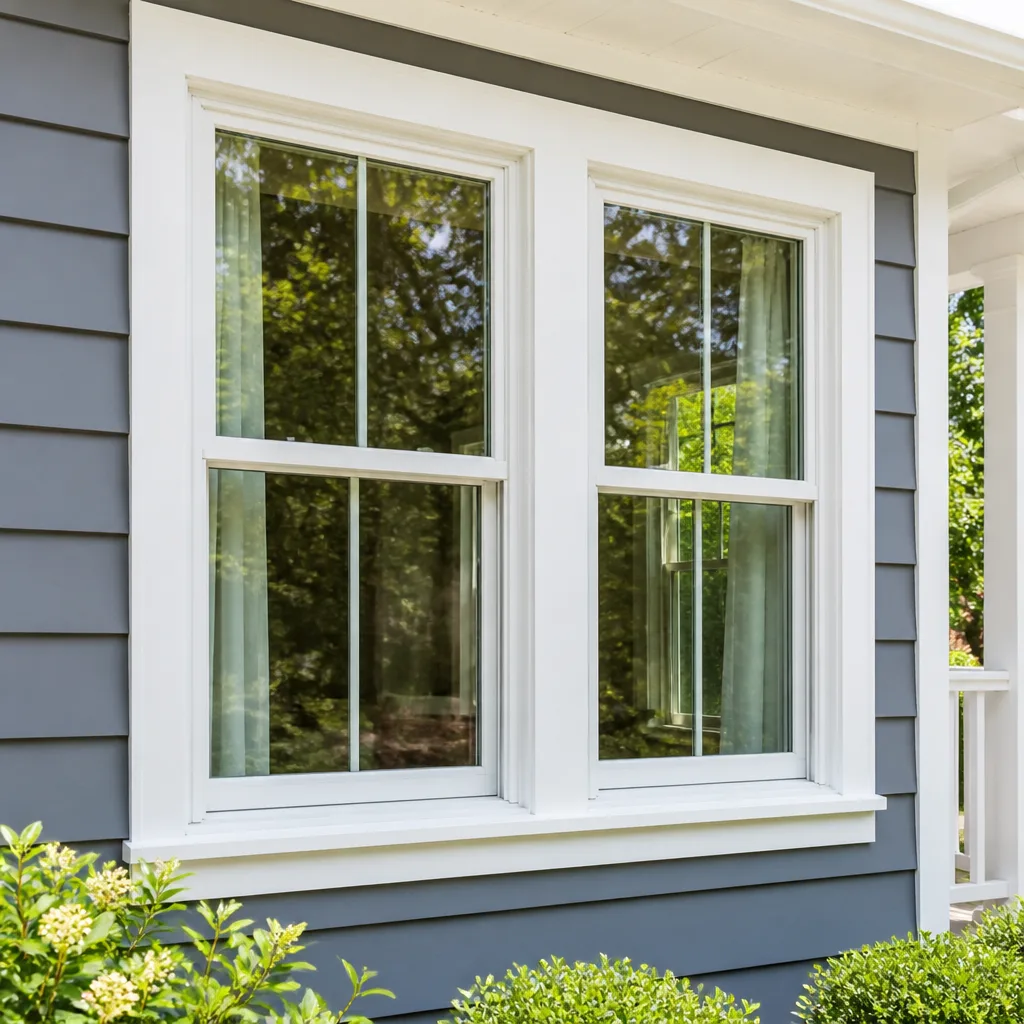 Double hung
 Horizontal roller
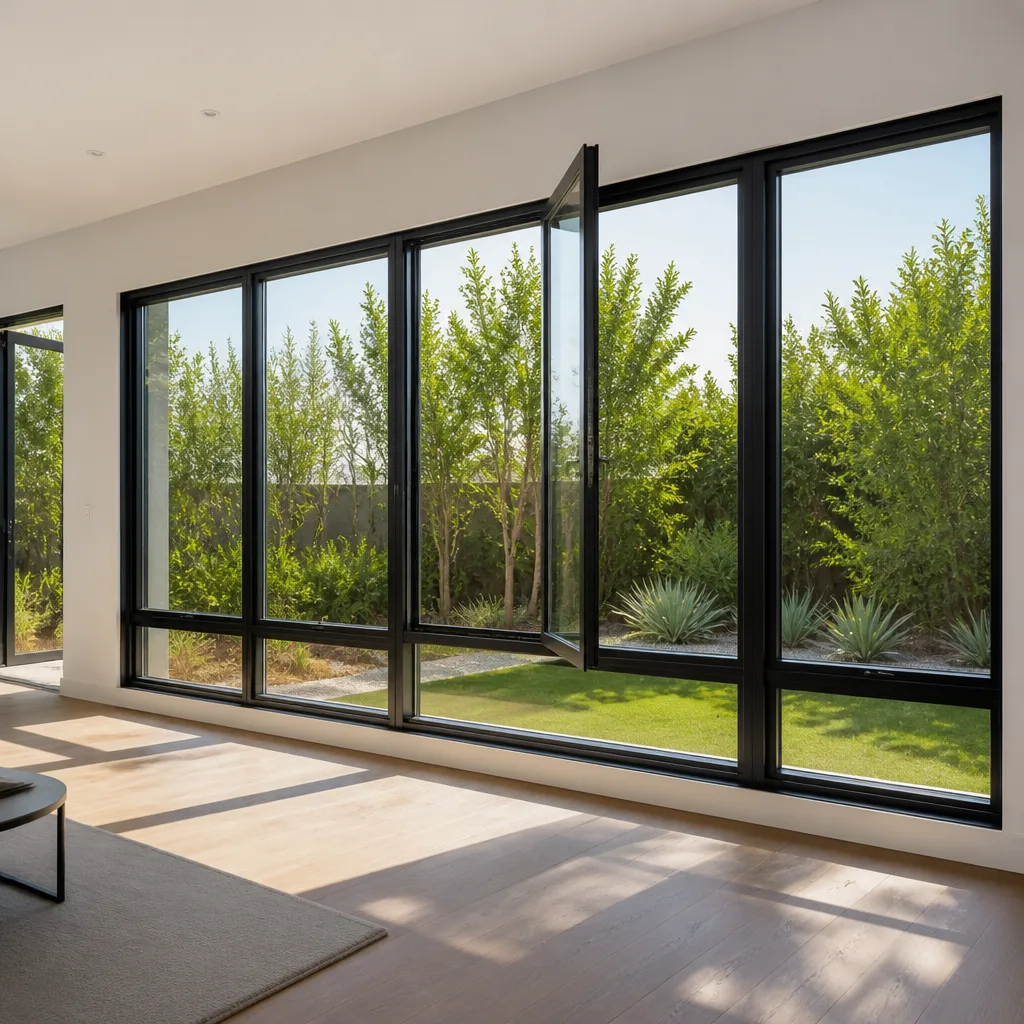
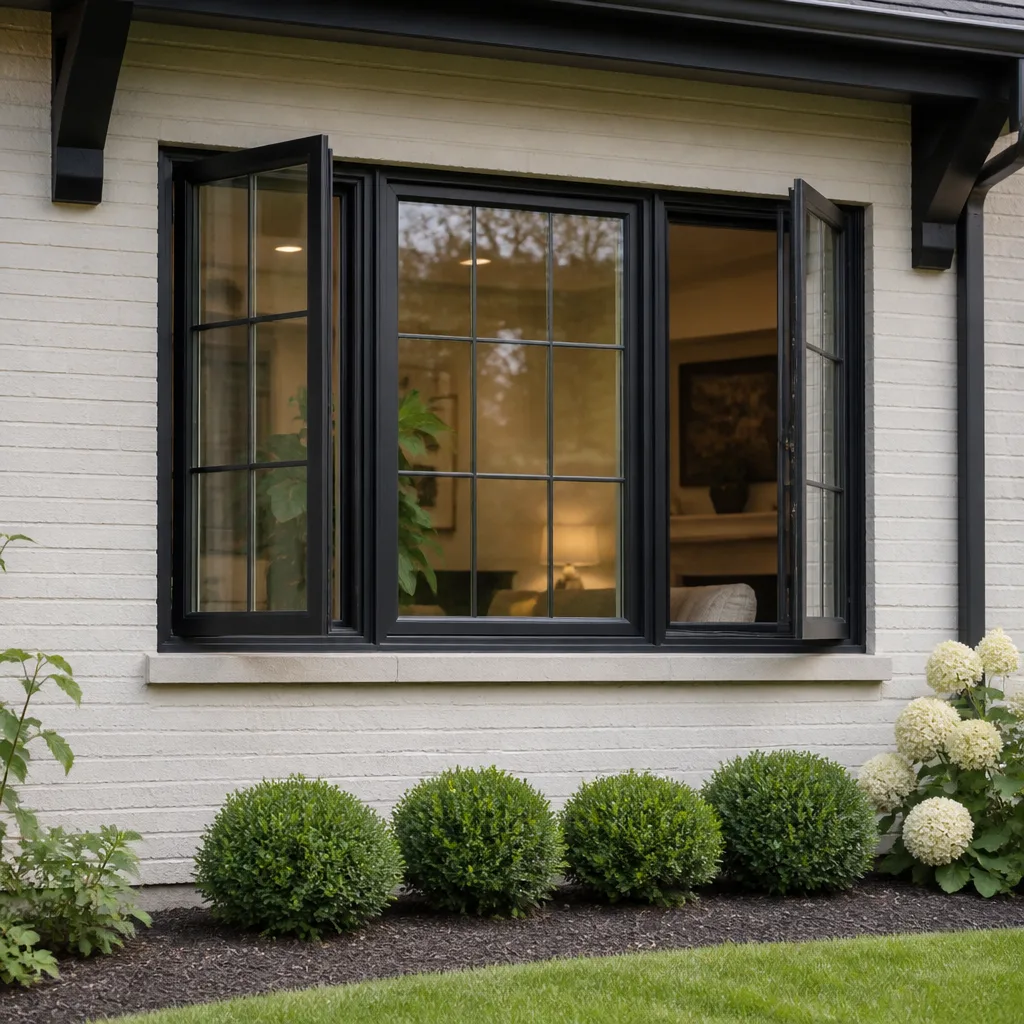 Casement
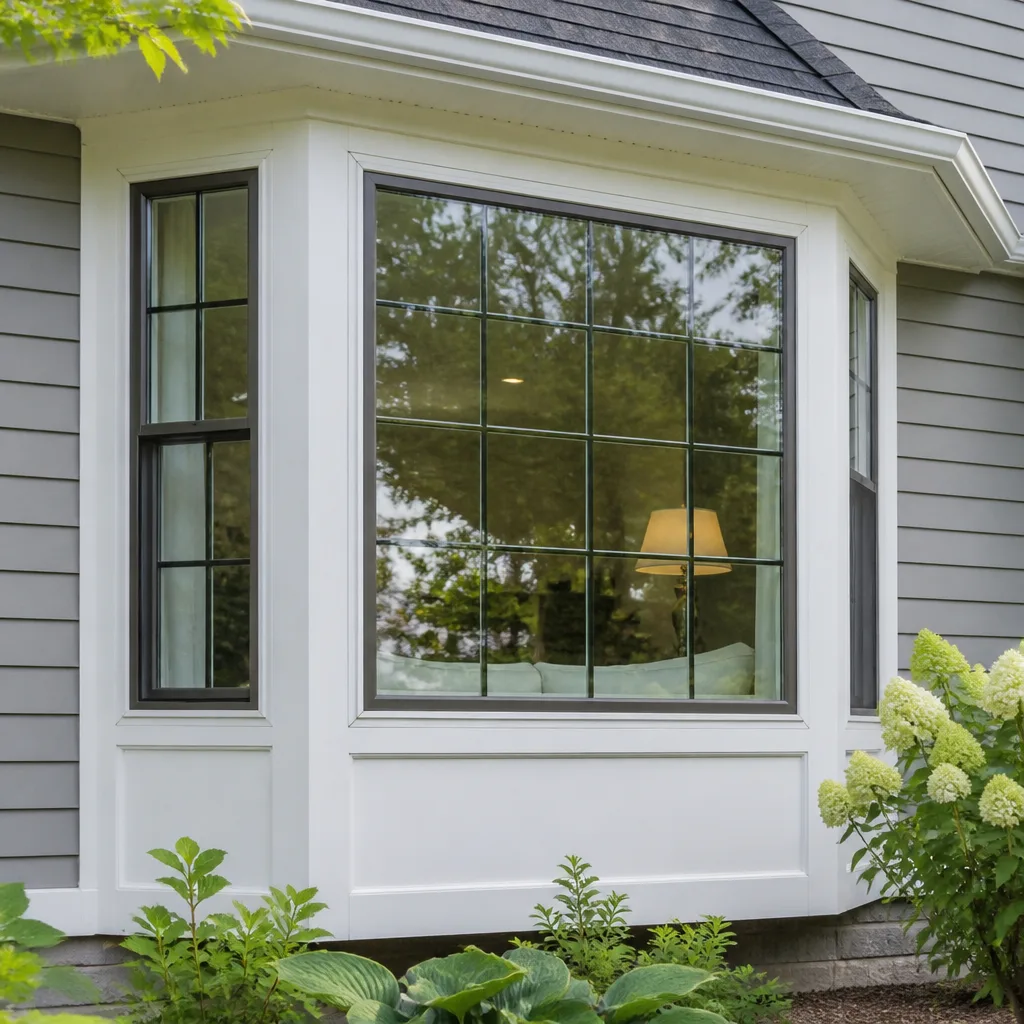 Bay & bow
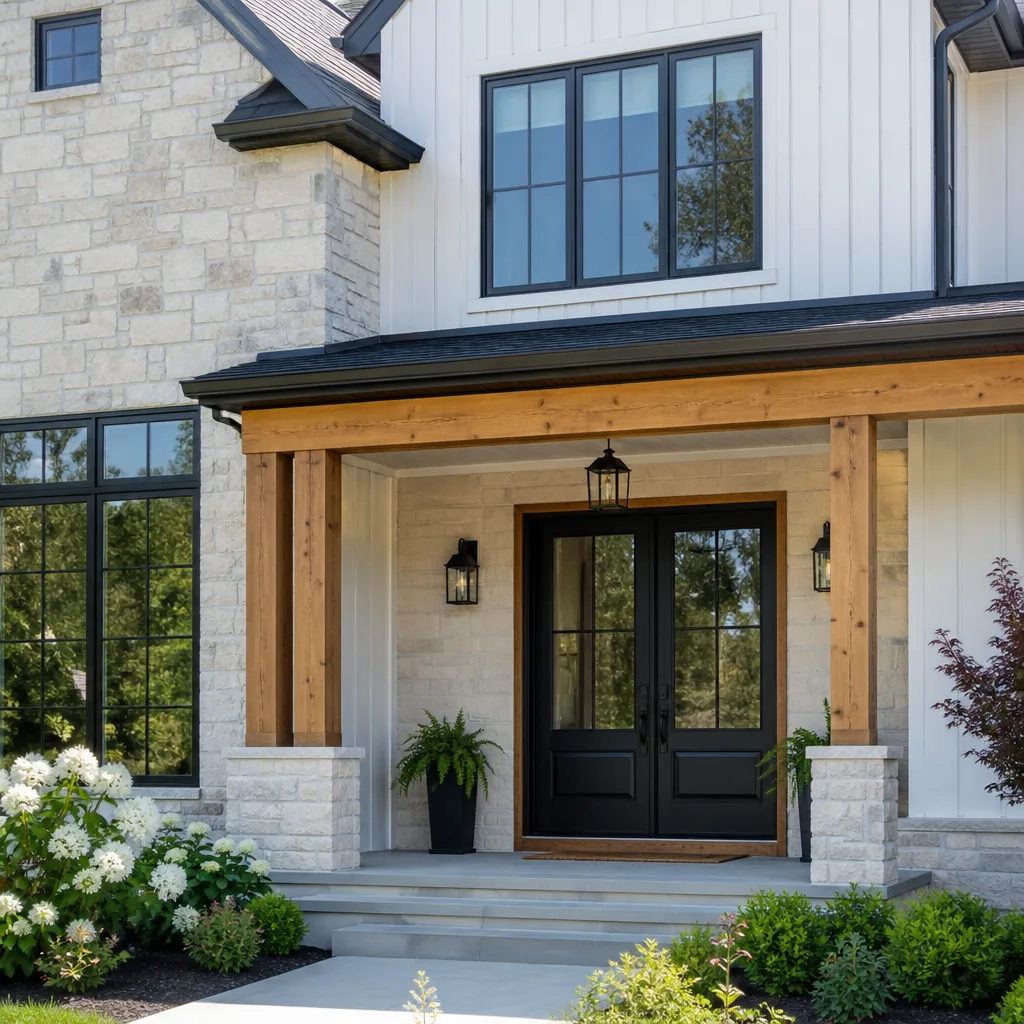
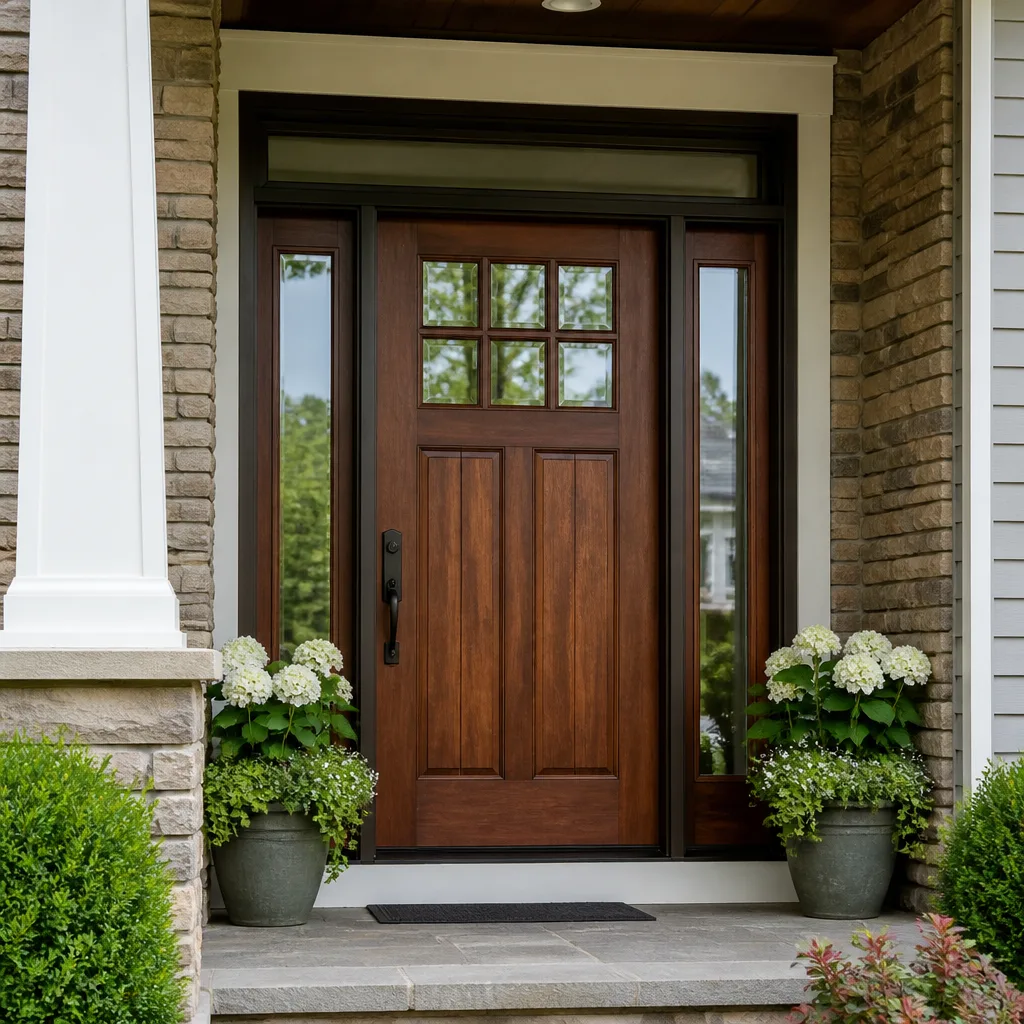 Entry doors
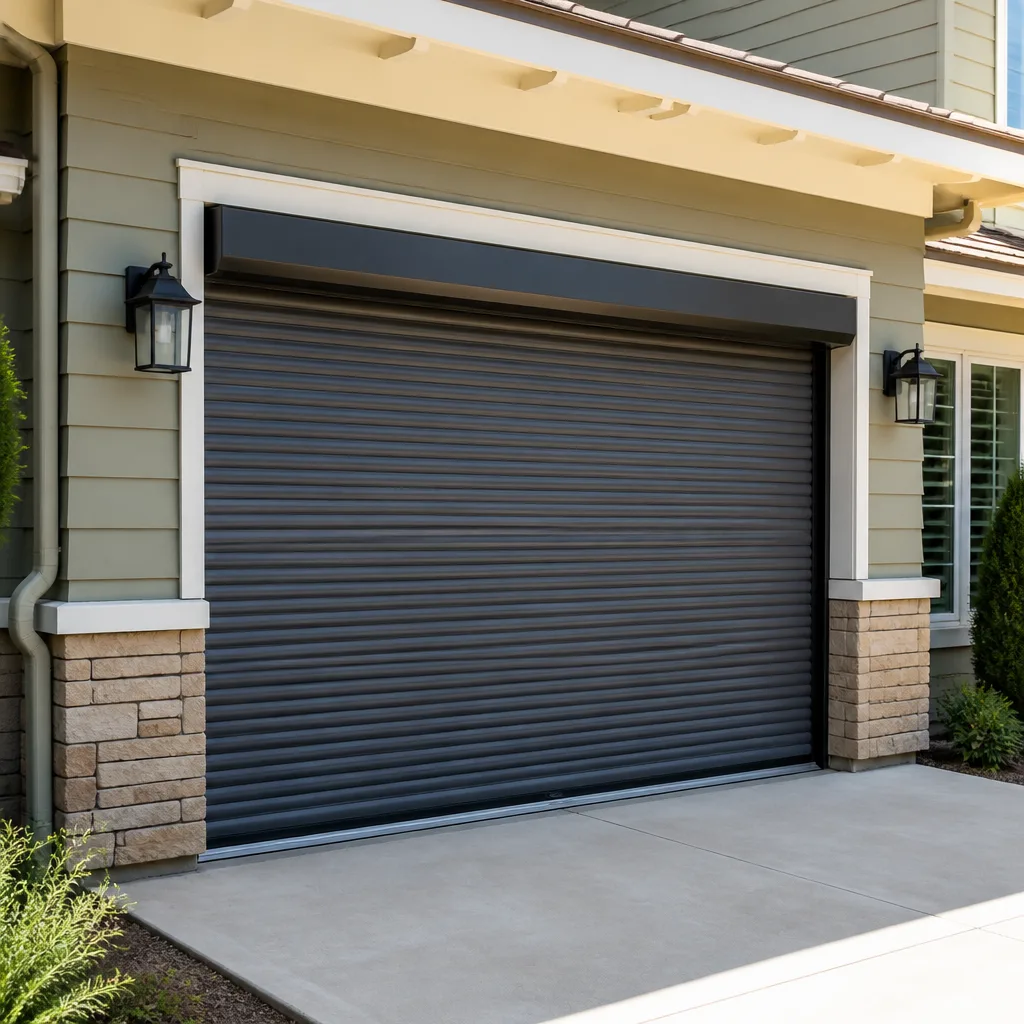
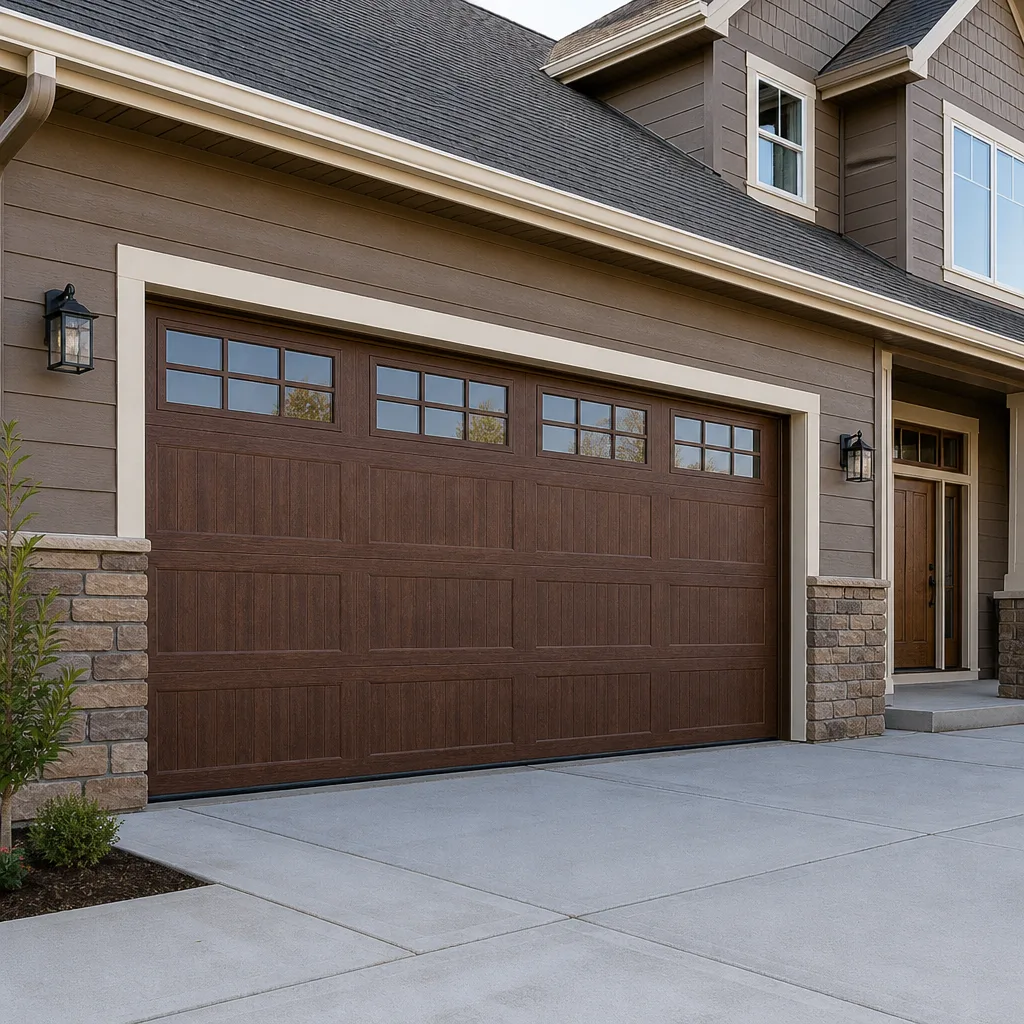 Impact garage doors
 PGT
 CGI
Free in-home measure and quote - PGT, CGI and CWS impact lines compared on your actual openings, style by style
Get your free estimateWindows & Doors Warning Signs: A North Las Vegas Homeowner’s Reference Guide
A foggy double-pane window isn’t just an aesthetic problem. That haze means the argon or krypton insulating gas has already escaped, the unit’s U-factor has degraded by 30 – 50%, and you’re paying to cool a room through glass that’s performing like single-pane. Most homeowners in North Las Vegas wait until a problem is visible, but the signs that matter most are tactile, thermal, and audible weeks or months before they show up as water on the sill. This guide teaches you to read your windows and doors the way a contractor does on a walk-through, so you catch problems at stage one instead of stage three. North Las Vegas has its own signature failures, and knowing them helps you plan instead of panic.
Quick Answer
Signs your windows or doors need attention in North Las Vegas include air that moves over your hand along a frame on a hot afternoon, a door that “settles” differently than it did last year, fog between panes, bubbling paint near a sill, and white powder on the brick around a door. A foggy double-pane has already lost its insulating gas and is worth replacing; a door that won’t latch usually points to a racked frame, not a bad hinge. Catching these early costs a fraction of what water remediation or full frame repair runs later.
Styles & brands we work with
- Single hung
- Double hung
- Horizontal roller
- Casement
- Bay & bow
- Sliding glass doors
- Entry doors
- Impact garage doors
- PGT
- CGI
Table of Contents
- The Tactile Test: Reading Air Infiltration With Your Hand
- Sound Diagnostics: When a Door “Settles” vs. When a Frame Has Racked
- Visual Signs That Are Almost Always Misread
- North Las Vegas Warning Signs: UV, Pools, and Desert Heat
- The Severity-and-Timing Matrix
- A Contractor’s Walk-Through, Step by Step
- Common Mistakes to Avoid
- When to Call a Professional
The Tactile Test: Reading Air Infiltration With Your Hand
You don’t need a thermal camera to find a leaking window. On a hot North Las Vegas afternoon, when the outside air is well above 100°F and your indoor thermostat is set to 78, the temperature difference across a bad frame is large enough to feel with the back of your hand. Run your hand slowly along the inside of each frame, starting at the bottom corners and working up to the header, then across the meeting rail where the sash locks. What you’re feeling for is a cool, moving stream of air, not a static cool surface. The back of your hand is more sensitive to airflow than your palm.
The temperature differential tells you how bad it is. A faint coolness at a corner is usually a worn weatherstrip or a gasket that has compressed with age; those are minor. A steady draft you can feel from six inches away, especially around a sliding door track in a home near Aliante or the older tracts off Craig Road, points to a gap at the rough opening or a frame that has shifted. Do this test at the hottest part of the day and again after sunset; the delta is what matters, not any single reading. In our experience, homeowners who run this test once a season catch weatherstrip failures before they turn into water intrusion.
Two caveats. Sliding glass doors and single-hung windows often feel draftier than they are because the track itself is a natural air path; check whether the lock engages firmly before you blame the seal. And check your exterior door sweeps too, because the test applies there just as well. If one opening feels dramatically different from the rest of the house, that’s your loudest signal.
Sound Diagnostics: When a Door “Settles” vs. When a Frame Has Racked
A door that “settles” is a seasonal, reversible adjustment. A door whose frame has racked is a structural signal. The distinction matters because they lead to completely different conversations: one is a ten-minute adjustment, the other needs a closer look at what’s moving.
Here’s the simple test. Open the door halfway and let go. A settling door swings gently and might rub lightly at the top corner in summer, then free up when the weather cools. A racked frame shows you different symptoms: the door binds at the strike plate when it didn’t before, the latch no longer catches without a shove, you can see a widening gap at one top corner and a tight line at the opposite bottom corner, or the door won’t stay at 90 degrees because the plane of the frame is no longer square. Racking usually comes from foundation movement or a header that has sagged, and in North Las Vegas those forces get amplified by the shrink-swell cycle of our soils and the daily expansion from heat.
Listen, too. A door that whistles at the gap in a wind is letting air in, and a hollow sound near the header can suggest a void or a loose top plate. Neither is an emergency, but both are worth a professional look before a manufactured fix hides a structural cause. If you’re already planning a door installation in North Las Vegas, have the frame checked while the crew is there so you don’t inherit the same problem on a brand-new door.
Visual Signs That Are Almost Always Misread
Two of the most common visual warnings get diagnosed wrong by homeowners and even by some painters. Both are worth knowing because the wrong fix costs money and doesn’t solve anything.
- Bubbling paint near a sill. This is rarely a paint problem. Paint blisters when water is pushing through from behind the surface, so a bubble at the interior sill almost always means the exterior flashing or the sill pan has failed and moisture is tracking inward. Repainting traces over the symptom; the leak keeps working.
- White powder on a brick surround. That chalky crust is efflorescence, and on a brick surround it’s almost always a flashing problem, not a masonry defect. Water is finding a path behind the brick and evaporating through the surface, leaving mineral deposits. The flashing needs to be reworked and the brick allowed to dry before anything else.
- Fog between the panes. The seal around the glass has failed, the insulating gas is gone, and the unit is now working like single-pane glass. You can’t dry it out from the inside.
- Chalking or a powdery film on the frame. On vinyl frames this is UV breakdown of the surface. It’s cosmetic until the frame goes brittle, then it isn’t.
- Brittle, cracked glazing bead. The bead that holds the glass in the sash cracks faster than the rest of the frame under our sun. A cracked bead is a security and water path.
If you see any of these, the fix is usually at the source, not the surface. A proper window installation in North Las Vegas done with a correctly flashed opening prevents the efflorescence and sill rot in the first place.
North Las Vegas Warning Signs: UV, Pools, and Desert Heat
Our climate has a pattern of its own, and the windows and doors in a North Las Vegas home wear differently because of it. Three forces dominate:
- UV exposure. North Las Vegas gets roughly 290 sunny days a year and intense late-afternoon sun on west- and south-facing glass. Frame chalking, color fade, and glazing bead brittleness show up on those elevations first. When we walk a home, the west side almost always looks older than the east.
- Pool chemical air. In neighborhoods with backyard pools, chlorine vapor and the humidity around the water corrode window hardware and hinge screws faster. Door locks, latches, and sliding-door rollers go stiff or seize on the pool side of the house. Stainless hardware and a wipe-down routine make a real difference here.
- Desert temperature swing. The daily spread between midday heat and cool nights stresses every seal and gasket, and the soil movement underneath compounds it for door frames. Weatherstripping that looked fine in March often feels stiff by August.
This is why the recommendation fits the home rather than a single vendor’s preference. Lightwell carries eight brands – PGT, CGI, CWS, ES Windows, ECO Window Systems, Mr-Glass, Therma-Tru, and ViewLux – so a west-facing wall that bakes in the sun can get glass and frame hardware chosen for UV and heat, while a shaded entry door gets a different solution. For a home here, a good window replacement in North Las Vegas factors in orientation, not just size. Walking neighborhoods from Aliante to the older homes near Civic Center, the pattern holds: the sun does the damage on the exposed elevations first.
The Severity-and-Timing Matrix
Not every sign is urgent. This matrix sorts the warning signs by what they mean for your schedule and your wallet.
- Schedule when convenient: minor frame chalking, a light draft at a worn weatherstrip, a door that rubs only in the hottest weeks, a slightly stiff sliding-door roller. These are maintenance-level issues you can plan around and bundle into a single visit.
- Handle before next summer: a foggy double-pane you’ve lived with for a season, a door that “settles” further every year, bubbling paint at an interior sill, single cracked glazing bead, hardware that’s corroding near a pool. These are costing you money in energy and getting worse. Get a written quote now and schedule the work before the next cooling season is on you.
- This week: water you can see on a sill or floor after rain, a door frame you can hear whistling in wind or that won’t latch at all, efflorescence that’s actively growing, or any glass or frame that feels loose. These signal active intrusion or a safety issue. Water does compounding damage fast, so don’t let it run.
When the fix is a replacement or a new opening, the estimate should be a written, line-item price before any work starts – that’s a rule at Lightwell, not a courtesy. If you want to see how that works, look at how the Lightwell Windows & Doors North Las Vegas home page lays out the process.
A Contractor’s Walk-Through, Step by Step
Here’s how we read a home on a walk-through. You can run the same sequence in about twenty minutes.
- Start outside and walk each elevation, noting which walls face the late sun. Look for chalking, cracked bead, and any stain near the sill line before you go in.
- Check the flashing and the brick surround for efflorescence or water tracks. Note anything white or powdery, because that’s a flashing path, not a cosmetic problem.
- Go inside and do the hand test on every opening during the hot part of the day. Mark the ones that draft and the ones that don’t.
- Open and close every door and window, listening for whistles, watching for binding at the strike plate, and checking that latches catch cleanly without a shove.
- Look between each double pane for fog. Note every foggy unit; they’re all performance failures.
- Check the hardware, especially on the pool side of the house, for stiffness and corrosion.
- Write down the date and the symptom for each item so you can tell what’s getting worse and what’s staying put.
That list becomes your priorities. It also becomes something a technician can price accurately, which is the whole point of catching stage one early.
Common Mistakes to Avoid
- Repainting over sill bubbles. You’re covering the symptom of a leak, and the water keeps working behind the paint until the damage is bigger.
- Blaming the hinges for a door that won’t latch. A racked frame or a sagged header is the usual cause; new hinges on a shifted frame solve nothing.
- Ignoring a foggy pane because it still looks like glass. You’re heating and cooling a room through a single-pane unit at single-digit efficiency, month after month.
- Assuming efflorescence is a masonry problem. On a North Las Vegas brick surround it’s almost always flashing, and repointing brick won’t stop the water.
- Waiting to schedule a quote until the problem is a repair. Getting a written estimate early usually bundles small fixes into one visit and stops the compound damage.
- Comparing only the sticker price. Ask what’s protected inside the home and what the price includes before the crew arrives, so there’s no surprise on the cart of materials.
- Not testing in the heat. A window tested in March can pass and fail in July, so test when the sun is out.
See the difference
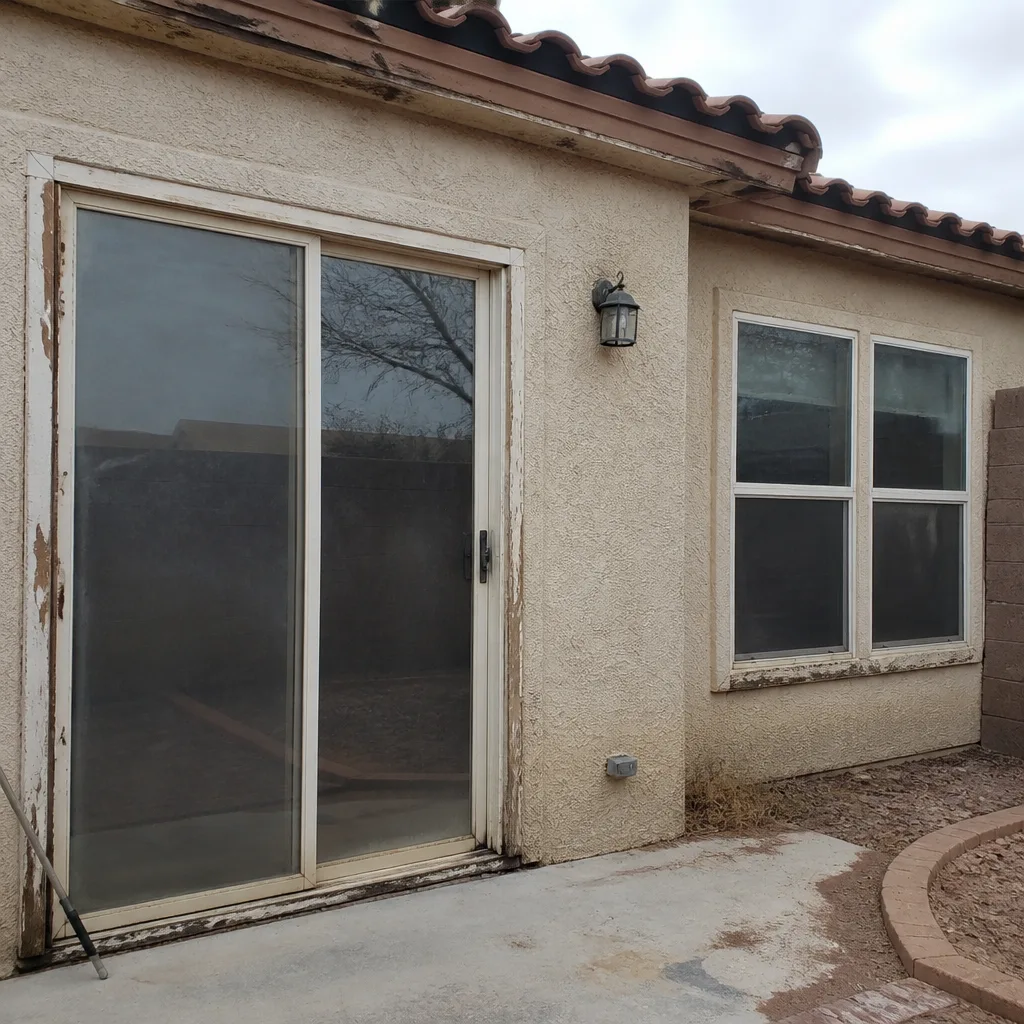 Before
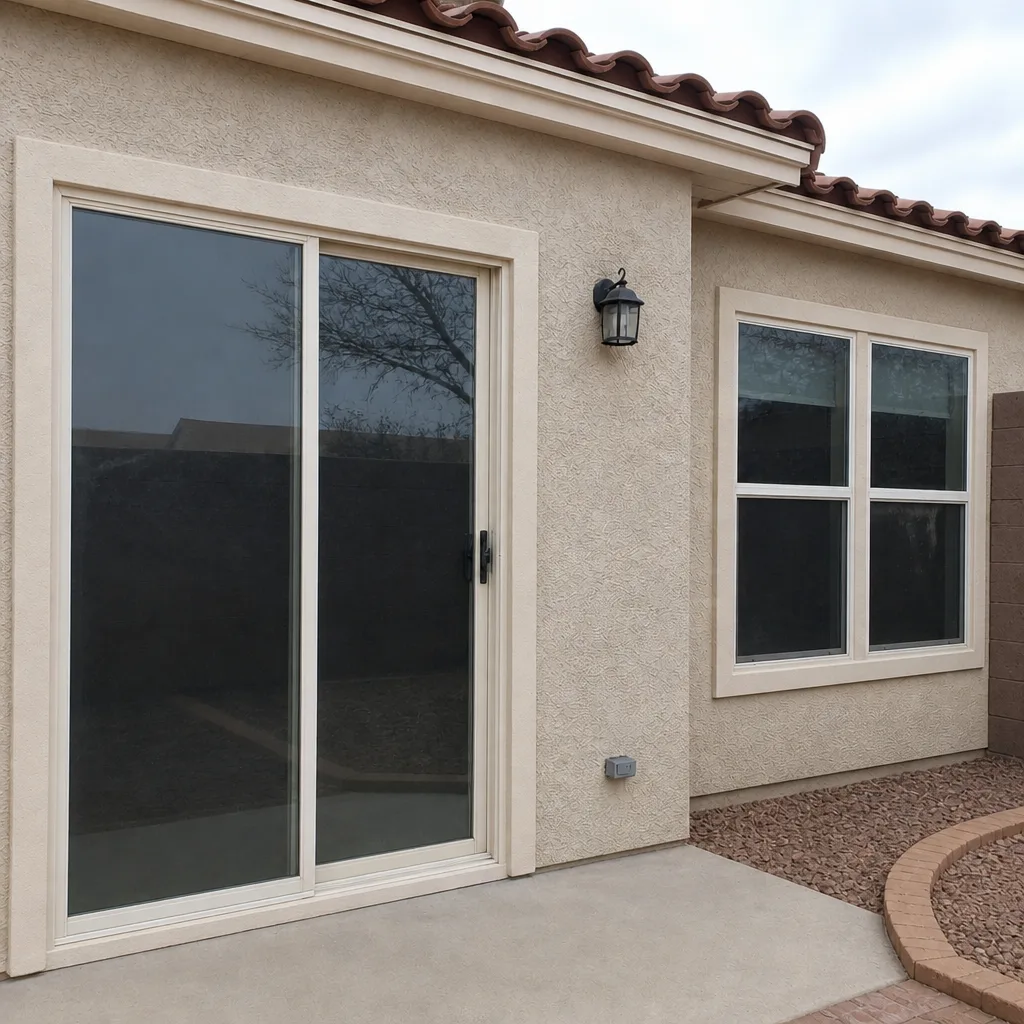 After
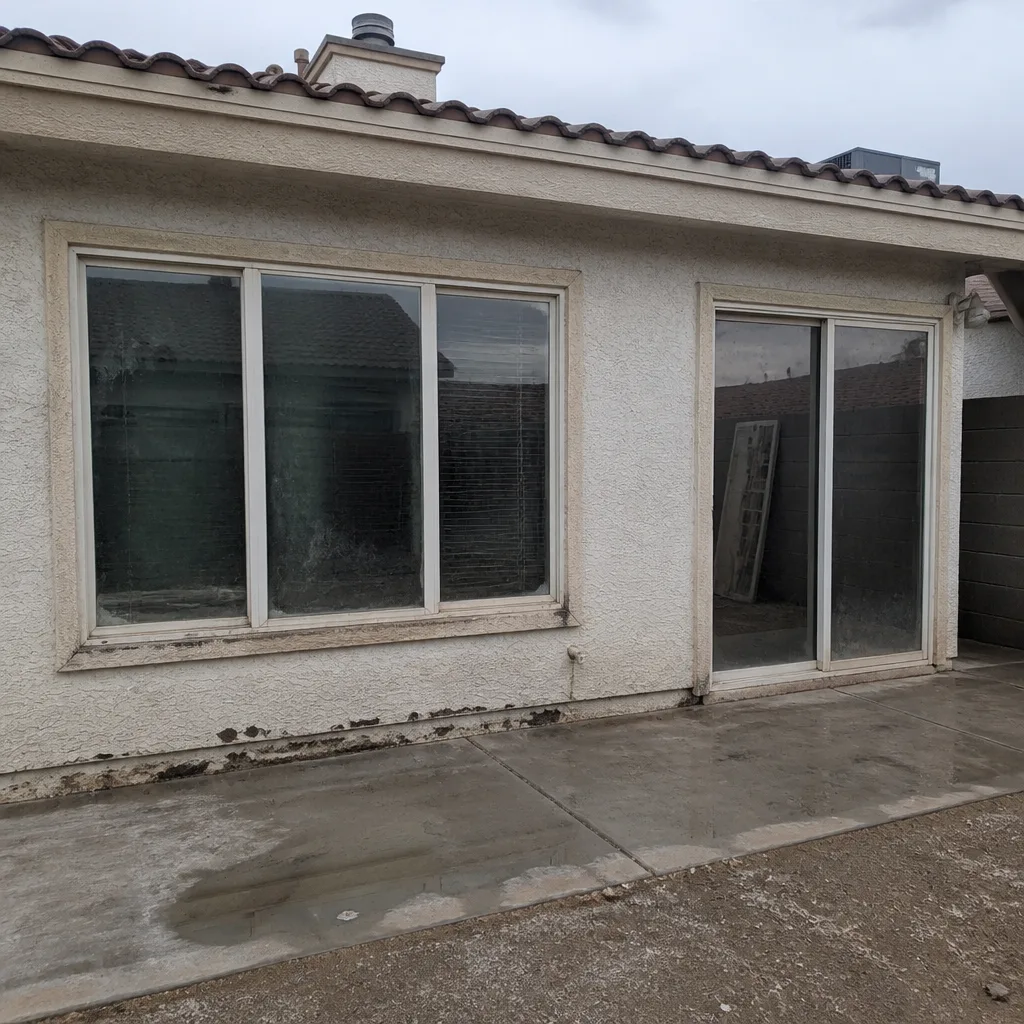 Before
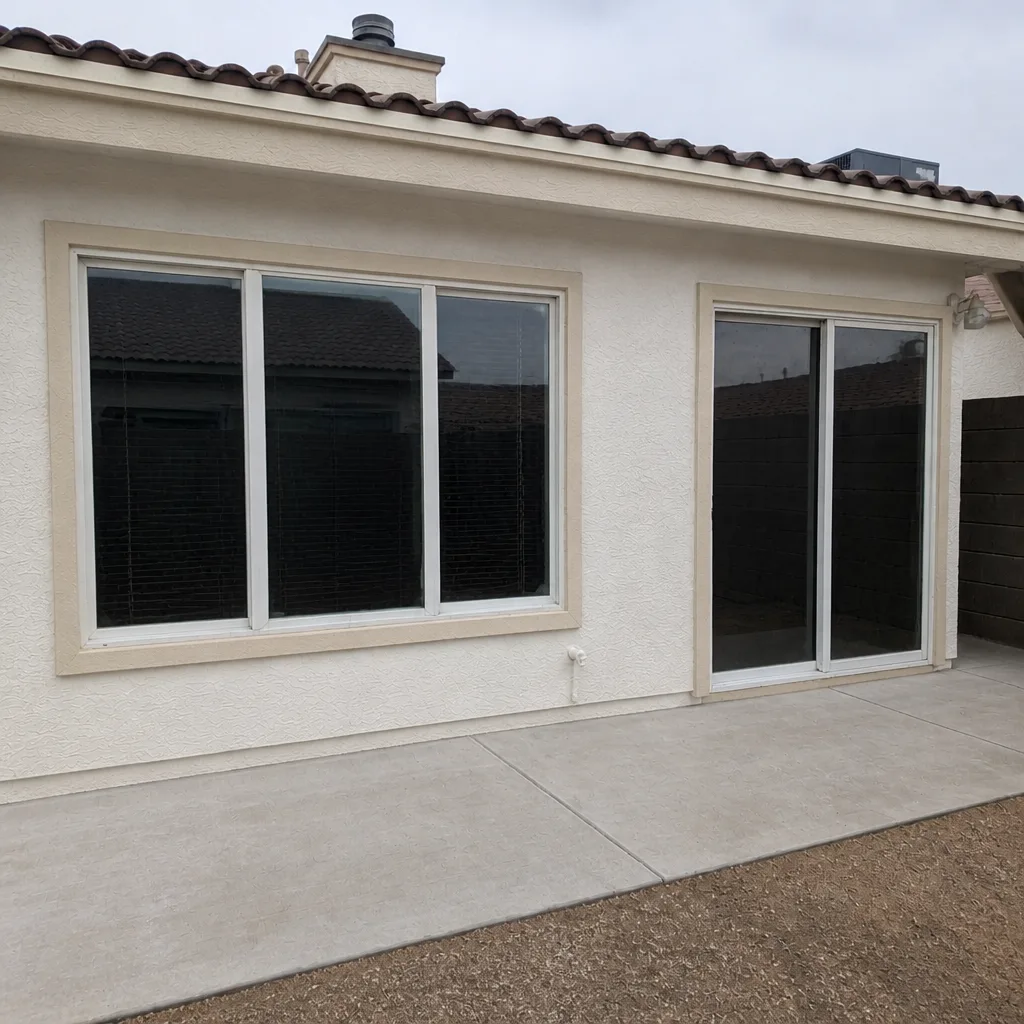 After
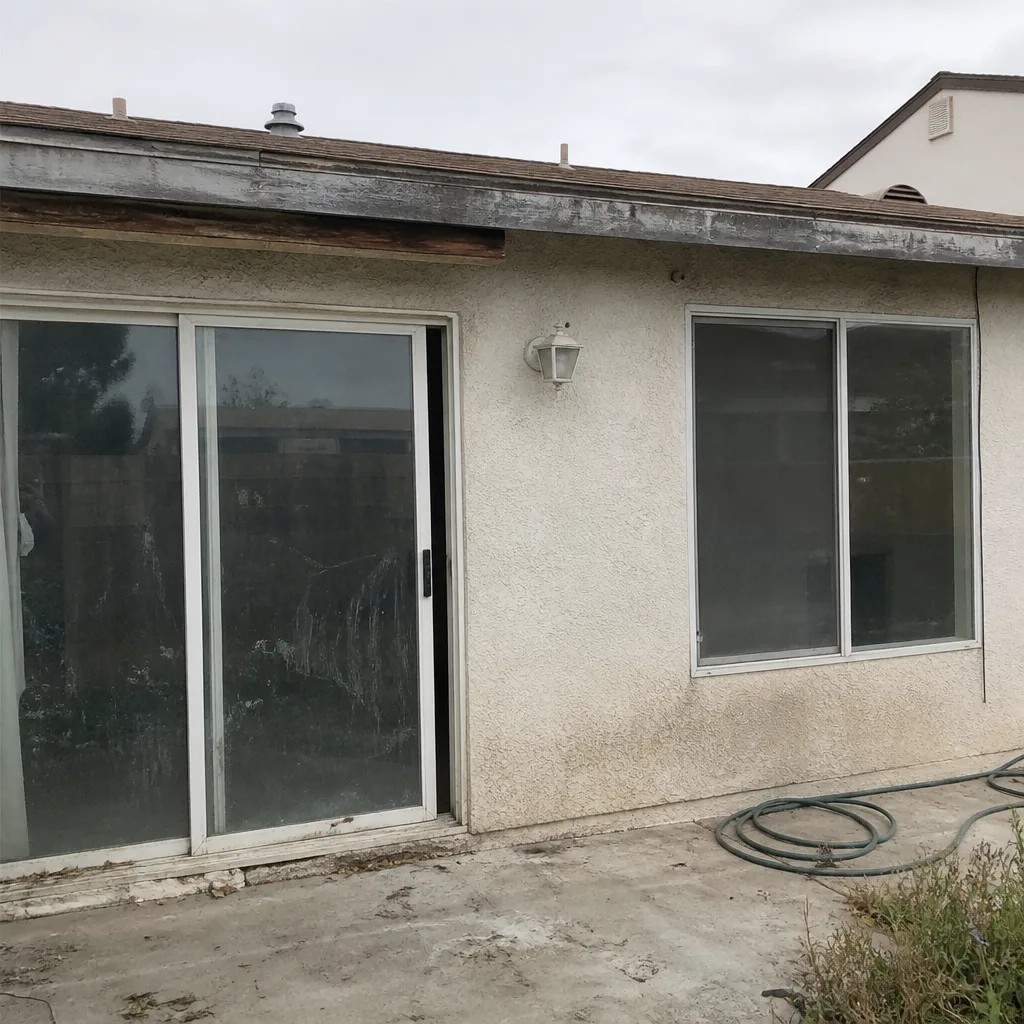 Before
 After
When to Call a Professional
Call a professional the moment you see water on a sill or floor after rain, any glass or frame that feels loose, a door frame that whistles or won’t latch at all, or a foggy unit you’re ready to replace. These are the signs where waiting to see if it gets worse costs real money. We handle the frame inspection, the flashing diagnosis, and the product selection, with the 365-Day Done Right Promise and a written price before any work starts. Lightwell Windows & Doors North Las Vegas offers free estimates in North Las Vegas – call (877) 317-4920. A live person answers around the clock, so a question about a new install never lands in a voicemail maze.
Frequently Asked Questions
Most window replacements here run on a per-opening basis, and the price depends on the frame material, the glass package, and the size of the opening; a range of roughly $450 to $1,200 per opening is a fair planning figure for contractor-grade product installed with proper flashing. The exact number belongs in a written, line-item quote, not a phone-ballpark. Call (877) 317-4920 for an exact quote – estimates are free.
The unit needs replacing. Once the seal fails and the insulating gas escapes, the fog is between sealed panes and can’t be dried or resealed from the inside, and the glass is already performing like single-pane. In a North Las Vegas home with west-facing glass, that matters most in July and August. Call (877) 317-4920 to schedule a free estimate.
That’s the desert temperature swing acting on the frame plus mild soil movement, and it’s usually the “settling” pattern rather than a racked frame. If the door also refuses to latch or binds harder every year, have the frame checked, because racking is the cause and new hardware won’t fix it. A pro can tell the difference in a single visit; call (877) 317-4920 for a free estimate.
It means water is getting behind the brick and evaporating through the surface, leaving mineral powder, and the source is almost always the flashing around the opening. That’s a flashing repair, not a masonry repair. Catch it before the water reaches the interior framing; call (877) 317-4920 for a free look.
Replacement of like-for-like windows and doors in their existing openings typically doesn’t require a permit, but any change to the opening size or a new structural opening does, and that gets pulled and inspected as part of the job. We’ll tell you plainly which category your project falls into before the work is scheduled. Call (877) 317-4920 to sort it out.
No. The price we put in writing before any work starts is the price at the end of the day, and the free estimate is the number you plan against. If the scope genuinely changes, we stop and re-quote instead of handing you a bigger invoice at the finish. Call (877) 317-4920 to schedule your free estimate.
The Bottom Line
The windows and doors in a North Las Vegas home give you plenty of warning before they fail, but most of it arrives as feeling and sound, not sight: a draft on the back of your hand, a door that settles a little further each year, a whistle in the wind. Reading those signs at stage one keeps a maintenance item from turning into water remediation or a full frame repair. Test in the heat, track the date and symptom for each opening, and fix the source rather than the surface. When a sign moves into the “before next summer” or “this week” column, get it priced in writing before anyone touches the frame.
Lightwell Windows & Doors North Las Vegas is part of the Cedarwell network, with technicians who have up to 16 years of experience, and a background-checked, uniformed crew that puts down shoe covers and drop cloths, asks before moving anything, and leaves a photo of the clean-up before the crew goes. Call (877) 317-4920 for a free estimate.
Written by the team at Lightwell Windows & Doors North Las Vegas.
Six Reasons Homeowners Choose Lightwell Windows & Doors North Las Vegas
Laminated glass and reinforced frames hold up to wind-driven rain, hail and flying debris, so your openings stay sealed when the weather turns.
Low-E insulated impact glass from our manufacturer lines commonly cuts monthly cooling bills 20-30%.
Laminated impact glass shuts out up to 40% of outside noise - traffic, neighbors, weather.
Monitoring services run $30-90 a month. Laminated impact glass resists forced entry around the clock, with no subscription.
Tighter seals and insulated glass even out hot and cold rooms and stop the drafts at the frame.
A full impact package upgrades curb appeal, buyer confidence and appraised value in one project.