
Last updated November 18, 2026
 Single hung
 Double hung
 Horizontal roller
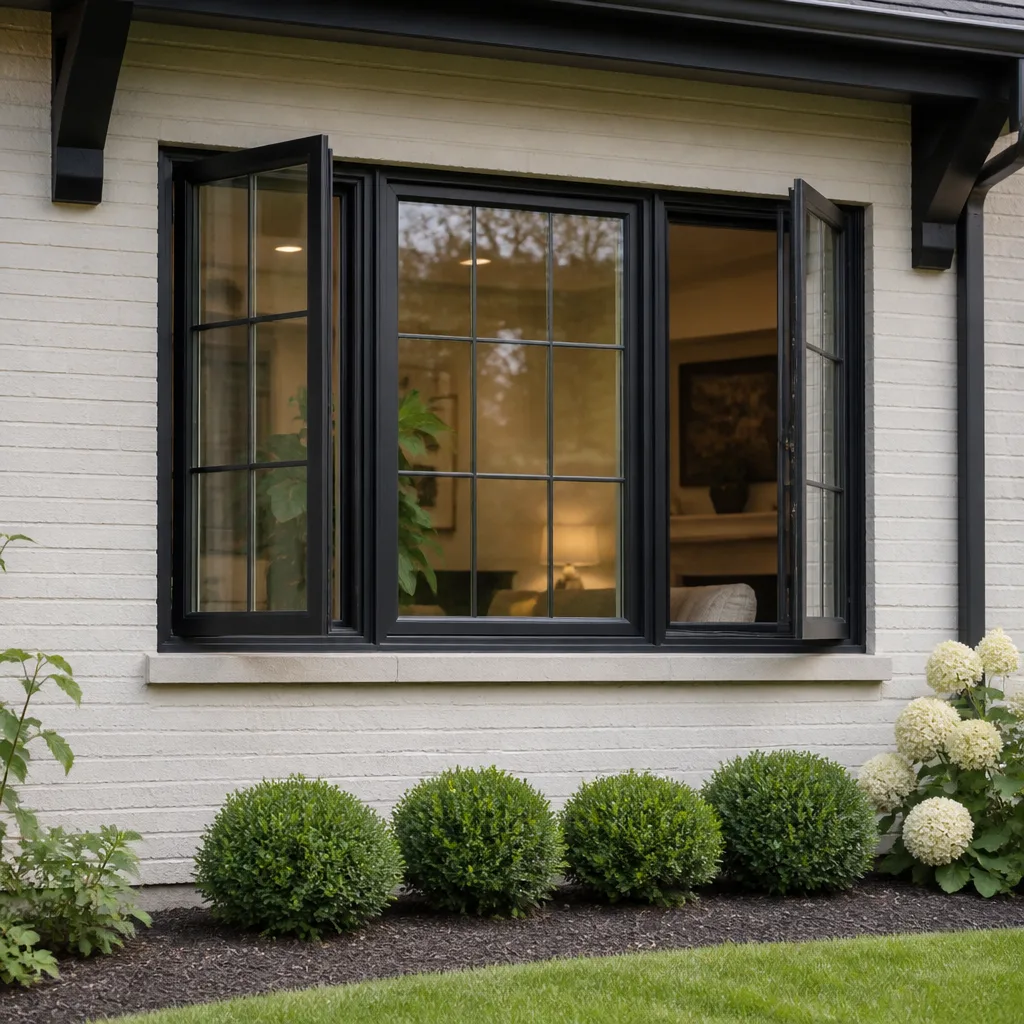 Casement
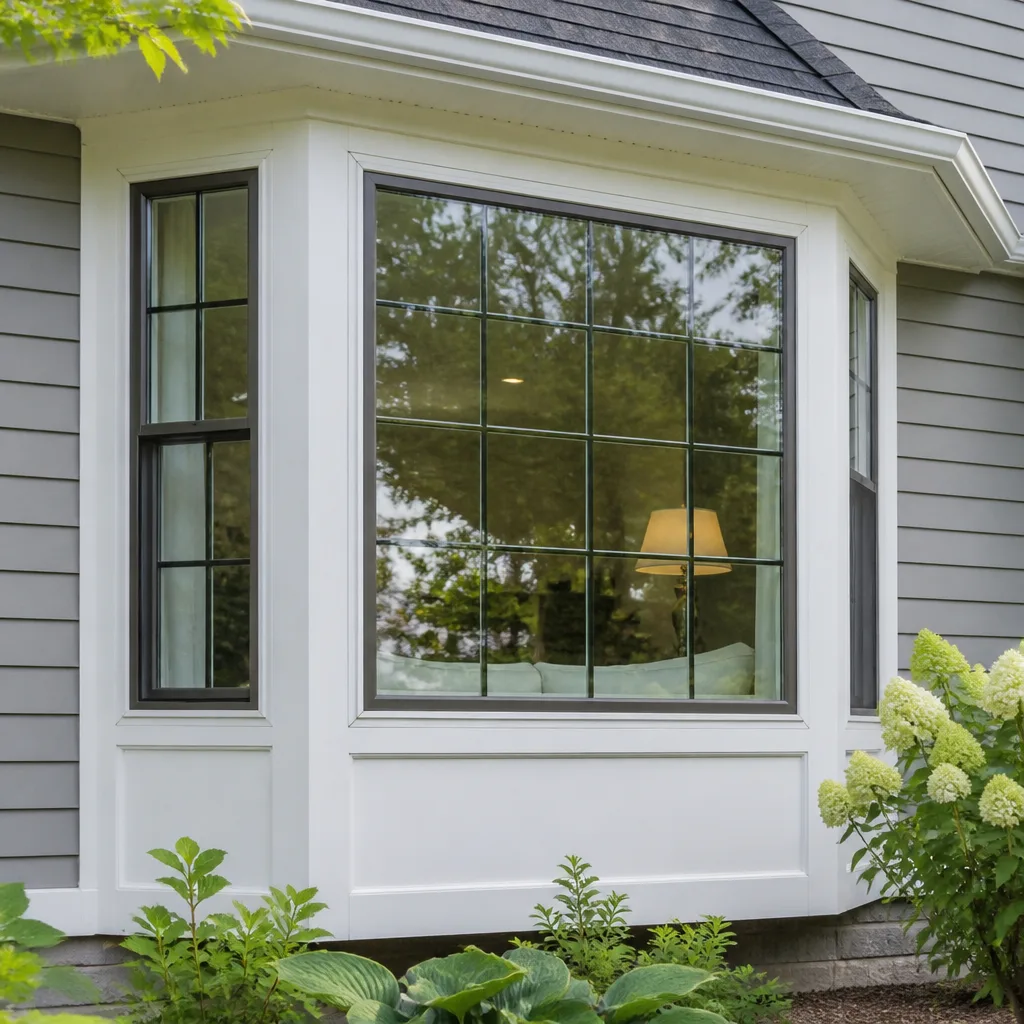 Bay & bow
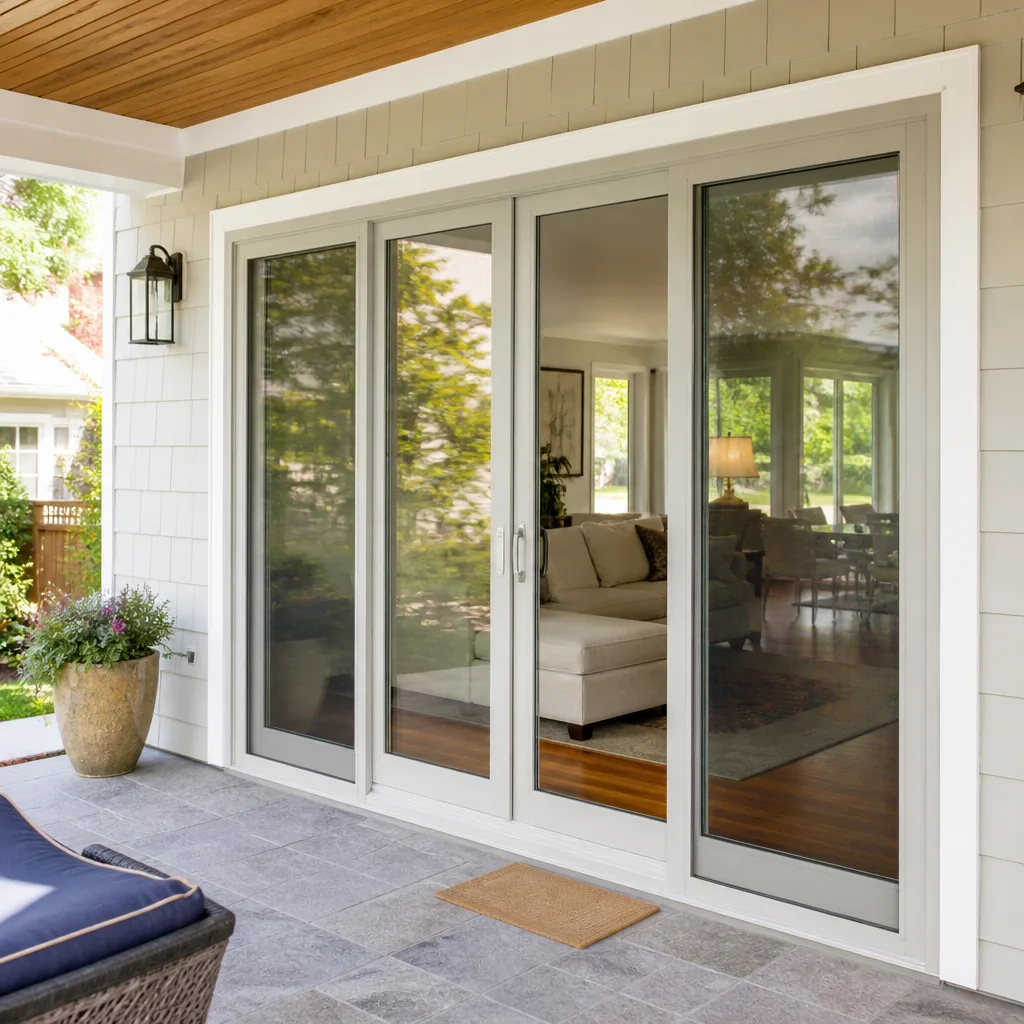 Sliding glass doors
 Entry doors
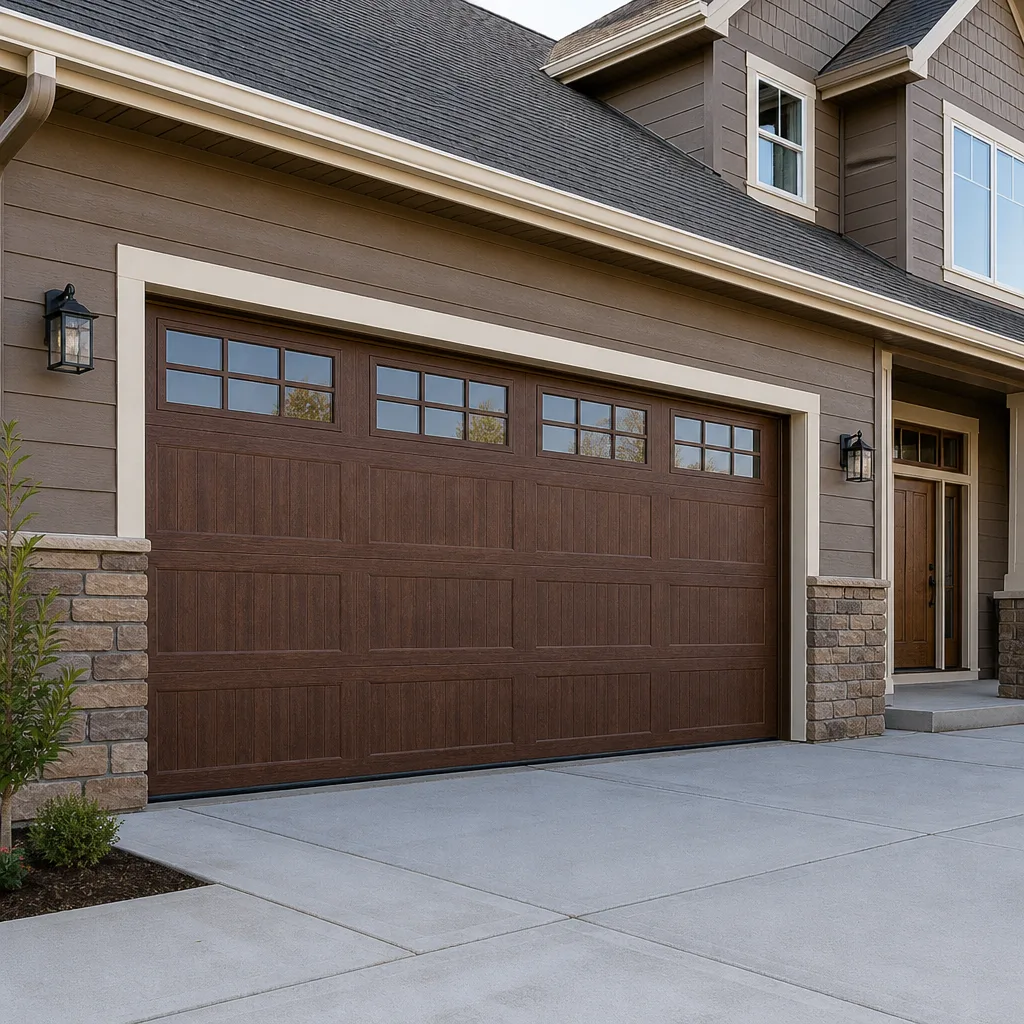 Impact garage doors
 PGT
 CGI
Free in-home measure and quote - PGT, CGI and CWS impact lines compared on your actual openings, style by style
Get your free estimateDIY vs Professional Window Installation: What’s Safe to Do Yourself
Here’s the part almost nobody explains before you pick up a pry bar: a window is not a picture frame nailed into a hole. It’s the point where your house stops being a wall and starts managing water. In North Las Vegas, the city inspector who signs off on a new-construction or remodel window isn’t checking whether the frame is level. They’re checking whether the flashing laps in the right order over the water-resistive barrier, because that sequence is what keeps monsoon rain from rotting your wall from the inside out. This guide covers what Nevada code actually requires, why stucco homes are a different category of risk, which window work a careful homeowner can genuinely handle, and the five questions to ask any installer before you sign.
Quick Answer
Replacing a window in an existing wood-frame wall with no waterproofing interface is within reach for a skilled, patient homeowner. Installing a nailing-fin window, cutting a new opening, or working on a stucco wall in North Las Vegas is a building-envelope task that requires a permit, an inspection, and the correct flashing sequence – and it’s almost never worth doing yourself. A DIY install also voids the manufacturer’s installation warranty on most product lines regardless of how carefully the work was done.
Styles & brands we work with
- Single hung
- Double hung
- Horizontal roller
- Casement
- Bay & bow
- Sliding glass doors
- Entry doors
- Impact garage doors
- PGT
- CGI
Table of Contents
- Why Window Installation Is a Building-Envelope Task
- What Nevada and North Las Vegas Code Actually Require
- Why Stucco Walls Raise the Stakes
- What a Skilled Homeowner Can Safely Do
- The Warranty Math Nobody Explains
- Five Questions to Ask Before You Sign
- Climate and Neighborhood Factors in North Las Vegas
- Common Mistakes to Avoid
- When to Call a Professional
Why Window Installation Is a Building-Envelope Task
A building envelope is the shell that separates conditioned air from outside air. Windows are the weakest point in that shell. Water that gets behind a window frame doesn’t announce itself. It travels down the back of the water-resistive barrier, finds the sheathing, and sits there. In a dry climate like North Las Vegas, that mistake can hide for two or three summers before the first soft spot shows up at the corner of a room.
Professional installers think in layers, not objects. The correct order, from the outside in, is roughly this:
- Water-resistive barrier: the house wrap or weather barrier that sheds bulk water.
- Sill pan or sill flashing: the sloped, taped piece that directs water out if it ever gets behind the window.
- Window unit: set level and plumb, with a shim placement that keeps the frame square under load.
- Jamb flashing: side pieces that lap over the sill flashing and under the head flashing.
- Head flashing: the cap that sends water out and over the top.
- Interior air seal: low-expansion foam or backer rod and sealant that stops air movement without bowing the frame.
Get the lap sequence wrong and you have a window that looks perfect from the curb and leaks behind the wall. That’s the entire argument in one paragraph. A good-looking frame is not the measure of a good window installation. A dry wall is. If you want to see how we think through that standard on real homes, our page on Window Installation in North Las Vegas walks through the sequencing we follow on every opening.
What Nevada and North Las Vegas Code Actually Require
Nevada adopts the International Residential Code through the state, and North Las Vegas enforces it through its own building department. The practical outcome for homeowners is this: any work that alters the building envelope, the structural opening, or the means of egress generally requires a building permit.
That includes:
- Cutting a new window opening in an exterior wall.
- Enlarging or repositioning an existing opening.
- Replacing a window in a manner that disturbs the flashing or water-resistive barrier.
- Any change to a bedroom egress window, which has minimum net-clear-opening dimensions and sill height rules.
- Window replacement in some cases even where the opening stays the same size – North Las Vegas, like most Clark County jurisdictions, has tightened rules around replacement because the flashing interface is where failures occur.
When a permit is pulled, a licensed contractor is typically required to pull it, and more importantly to perform the work under it. The inspection that follows is not a cosmetic review. The inspector is looking at lapped flashing, correct sill panning, proper fastening spacing along the nailing fin, and whether the water-resistive barrier was cut and repaired correctly around the opening. That inspection is your best protection as a homeowner, and it’s also the step most DIY videos skip entirely.
In North Las Vegas, this matters more than in most places because the housing stock is a mix of newer stucco construction – much of it in Aliante, Tule Springs, and the newer reaches of the far north valley – and older masonry and frame homes closer to the city center. The permit and inspection path differs by wall assembly. If you’re unsure which category your home falls into, our Lightwell Windows & Doors North Las Vegas home page is a reasonable starting point.
Why Stucco Walls Raise the Stakes
Much of the housing in North Las Vegas is finished in stucco, and stucco changes the calculus completely. On a wood-siding home, the flashing sequence sits behind the siding. A correction means pulling a few courses of siding, fixing the lap, and reinstalling. The wall is forgiving and the repair is visible.
On a stucco wall, the flashing must be completed and inspected before the scratch and brown coats go on. The lath, the paper, the weep screed, and the flashing all have to interlock in the right order before the finish coat is applied. After that, the waterproofing layer is literally buried behind three-eighths of an inch of cement plaster and a color coat. If the sequence is wrong, you will not find out by looking. You’ll find out the first time a monsoon afternoon drives water sideways against that elevation and a stain appears on the interior drywall six inches below the header.
The financial kicker is that correcting a flashing error on a stucco wall usually requires cutting out and patching the plaster around the opening. That stucco repair typically costs more than the installation labor would have cost in the first place, which means the DIY savings evaporate the moment anything goes wrong. And the failure tends to show up a season or two later, well past the point where you’d want to have the conversation.
What a Skilled Homeowner Can Safely Do
We’re not going to tell you every window job requires a contractor, because that isn’t true. There is a real category of work that a careful, experienced homeowner can handle. The dividing line is whether the job touches the waterproofing layer and whether it disturbs the structural opening.
Genuinely reasonable for a skilled homeowner:
- Replacing the sash or glass in a wood-frame window where the frame itself stays in the wall.
- Hanging a pre-hung interior door in a wood-frame wall (different scope, but often grouped with window skills).
- Swapping a window in an interior partition wall with no exterior exposure and no waterproofing interface.
- Replacing weatherstripping, gaskets, or hardware on an existing operable window.
- Replacing a window where the existing flashing and water-resistive barrier are already intact and the new unit is sized to the existing opening without modification.
Better left to a licensed installer:
- Anything on a stucco elevation.
- Cutting a new opening or changing an existing one.
- Any nailing-fin window installation.
- Egress windows in bedrooms.
- Second-story work or anything requiring scaffolding.
Here’s the honest test we suggest: ask yourself whether you can describe the flashing sequence for your specific wall assembly out loud, in order, without looking it up. If you can’t, the job is in the second category.
The Warranty Math Nobody Explains
Manufacturer warranties come in two parts, and people almost always conflate them. The product warranty covers the window itself – glass seals, hardware, frame integrity. The installation warranty covers the interface between the window and the wall. Those two warranties behave very differently when a homeowner installs a unit.
Across the major product lines, the pattern is consistent. The product warranty usually survives if the unit is installed by somebody competent. The installation warranty almost never survives a homeowner install, regardless of whether the flashing was done correctly. That’s not a judgment on your skill; it’s a contractual condition the manufacturer sets because they can’t inspect your work.
The brands we carry – PGT, ViewLux, Therma-Tru, and Mr-Glass among them – all condition their full installation warranty on licensed-contractor installation. When you compare the DIY number to the professional number, the honest comparison includes the warranty. A window is a twenty to thirty year product. Losing the installation warranty to save the labor is a lopsided trade in most cases.
That’s part of what the Window Replacement in North Las Vegas process is designed to protect: the warranty stays intact, the inspection is coordinated, and the price is written before anything is touched. We rarely need to explain this twice to a homeowner who has already been through one failed DIY window.
Five Questions to Ask Before You Sign
If you’re going to hire the work out, you deserve to know exactly what you’re paying for. These are the five questions we’d ask any installer if the roles were reversed, and the answers you should expect.
- “Are you licensed to perform this work, and will you pull the permit?” The answer should be yes to both, with the permit pulled in your name or the company’s name depending on jurisdiction. If they ask you to pull the permit as a homeowner so they can do the work, that’s a red flag.
- “Write me the flashing method for my specific wall assembly.” Not “standard flashing” – the actual method: sill pan, jamb laps, head cap, and how the water-resistive barrier is cut and re-sealed. A written scope that names the method is the single best indicator of a competent installer.
- “What’s the cleanup protocol, and who does it?” On our jobs it’s shoe covers and drop cloths on every visit, with a photo of the clean-up before the crew leaves. Any company worth hiring will have a specific answer here, not a vague one.
- “Who coordinates the inspection?” The installer should be the one scheduling the city inspection and standing behind the correction if anything fails. You shouldn’t be the middleman between two parties.
- “Is the price in writing before work starts, and what would change it?” There should be no invoice surprise at the end of the day. A no-hassle upfront price means the number on day one is the number on day ten.
These five questions separate a professional installation from a hobbyist one faster than any review site. A company that answers all five cleanly, in writing, is one you can reasonably trust with the wall of your home.
Climate and Neighborhood Factors in North Las Vegas
North Las Vegas has a specific set of climate realities that make envelope integrity more important than it might be elsewhere. Summer highs run well into the triple digits, which means thermal movement on frames and sealants is significant. Monsoon season brings short, intense rain events that drive water sideways under eyebrow eaves and into any flashing gap. Winter brings a handful of freeze cycles that can stress sealant bonds. The combination is a slow test of every seam on the wall.
In Aliante and Tule Springs, the newer construction tends to be stucco-on-frame, which puts the flashing sequence in the critical category. In the older neighborhoods near Civic Center Drive and the downtown core, we see a mix of masonry and frame assemblies where retrofit options differ by home. In the far north valley, wind exposure on newer elevations is more aggressive than a lot of homeowners account for when they choose between DIY and professional.
The climate also affects the product choice: in North Las Vegas, low-E glass and frame materials that hold up to daily thermal cycling matter more than they do in a coastal market. If you’re weighing that tradeoff, our team at Lightwell Windows & Doors North Las Vegas can talk through the options specific to your wall assembly and exposure.
Common Mistakes to Avoid
- Skipping the permit to save time. In North Las Vegas, a missing permit on a window replacement can surface years later at resale. It’s the cheapest mistake to avoid and the most expensive to unwind.
- Flashing in the wrong order. Head flashing laps over jamb; jamb laps over sill; sill laps over the water-resistive barrier below. Reverse any of those and water travels inward instead of out.
- Using expanding foam in the perimeter gap. High-expansion foam bows the frame, which then binds the sash. Low-expansion foam or backer rod and sealant is the correct product, and it’s a two-dollar difference.
- Setting a nailing-fin window without a sill pan. On a stucco wall, this is the single most common failure point. It’s also invisible after the plaster goes on.
- Cutting the house wrap and not re-sealing it. The barrier has to be cut to install the window, and it has to be taped and lapped back into the flashing sequence. Untaped cuts are a leak waiting for the first rain.
- Assuming the product warranty covers the install. It doesn’t, and the manufacturer will ask who pulled the permit and installed the unit before they honor a claim on the interface.
- Rushing the cleanup. Dust from cutting stucco or trim settles into carpet and finishes. A crew that protects floors with drop cloths and photographs the clean-up before leaving is doing the job the way it should be done.
When to Call a Professional
Call a professional when the job touches the waterproofing layers, when the wall is stucco, when the opening is new or changing size, when the window is on an upper story, or when the window is a bedroom egress unit. Call when you can’t describe the flashing sequence for your specific wall assembly without looking it up. Call when the product carries an installation warranty you’d like to keep. And call when the permit and inspection path is unclear, because that’s the piece most homeowners discover too late. Lightwell Windows & Doors North Las Vegas offers free estimates in North Las Vegas – call (877) 317-4920. Every job comes with a written price before work starts, product from eight manufacturer brands including PGT, Therma-Tru, and ViewLux, and the 365-Day Done Right Promise covering the finished work.
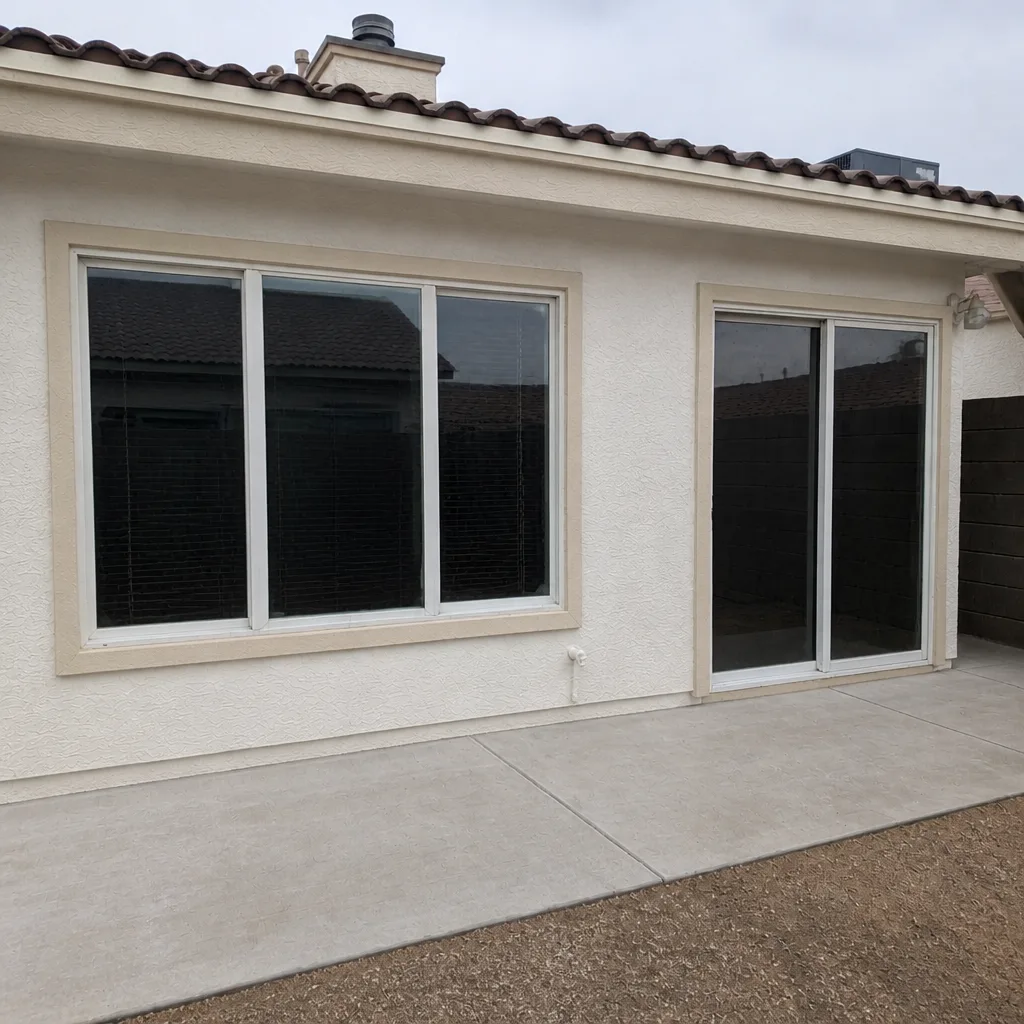
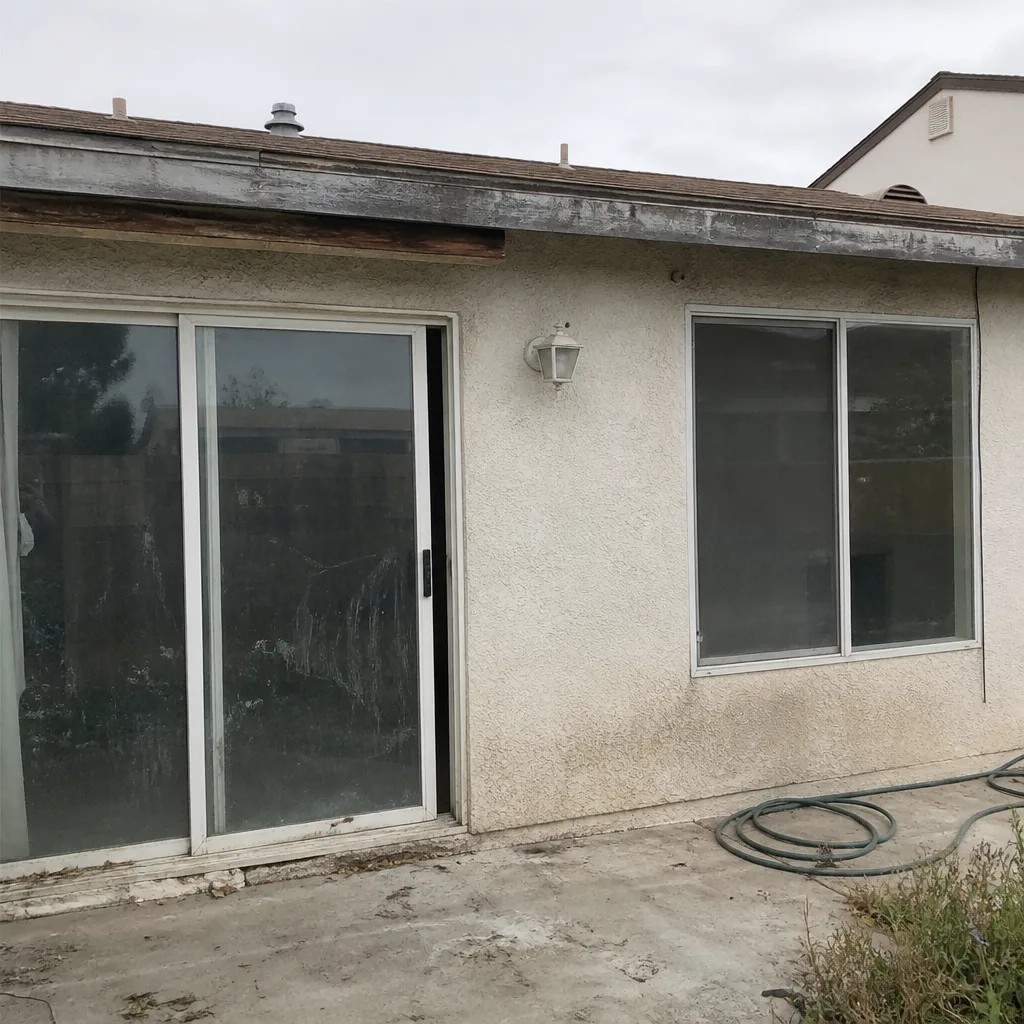
See the difference
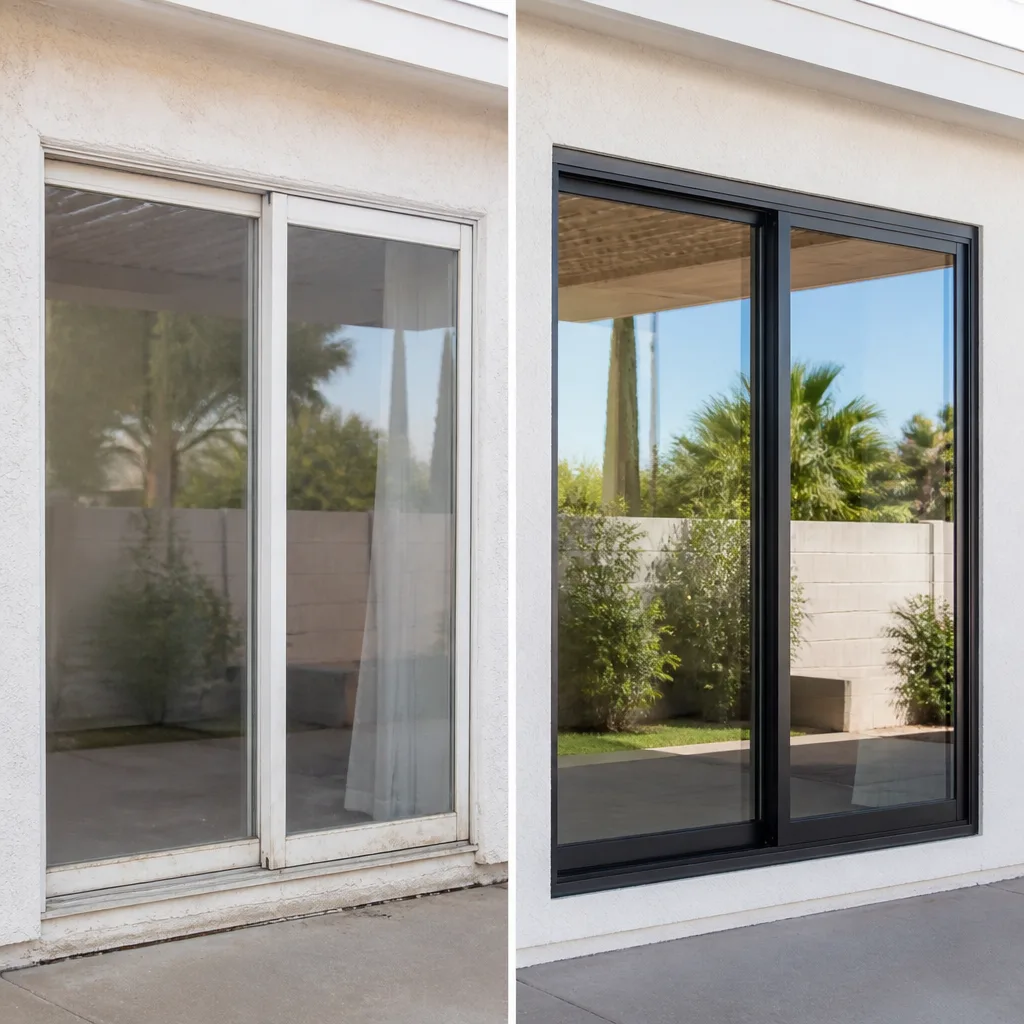
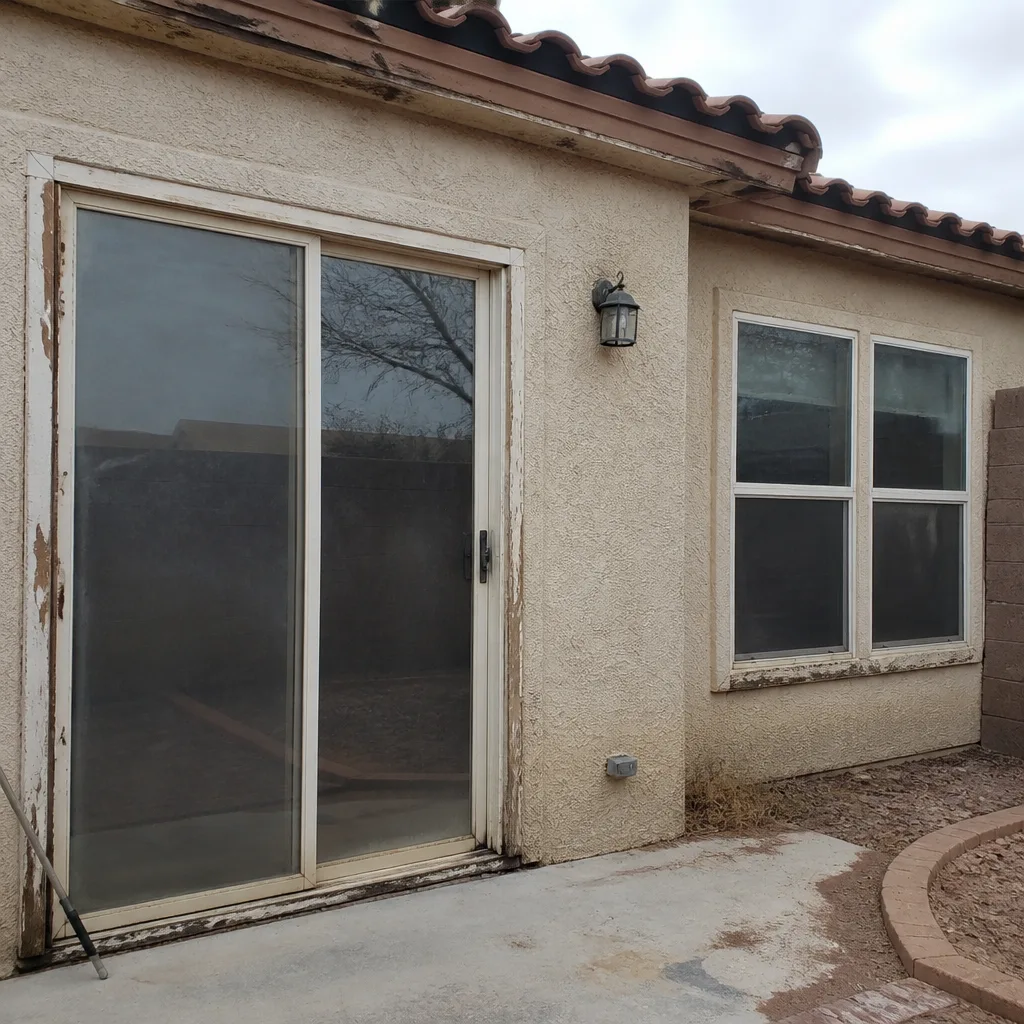 Before
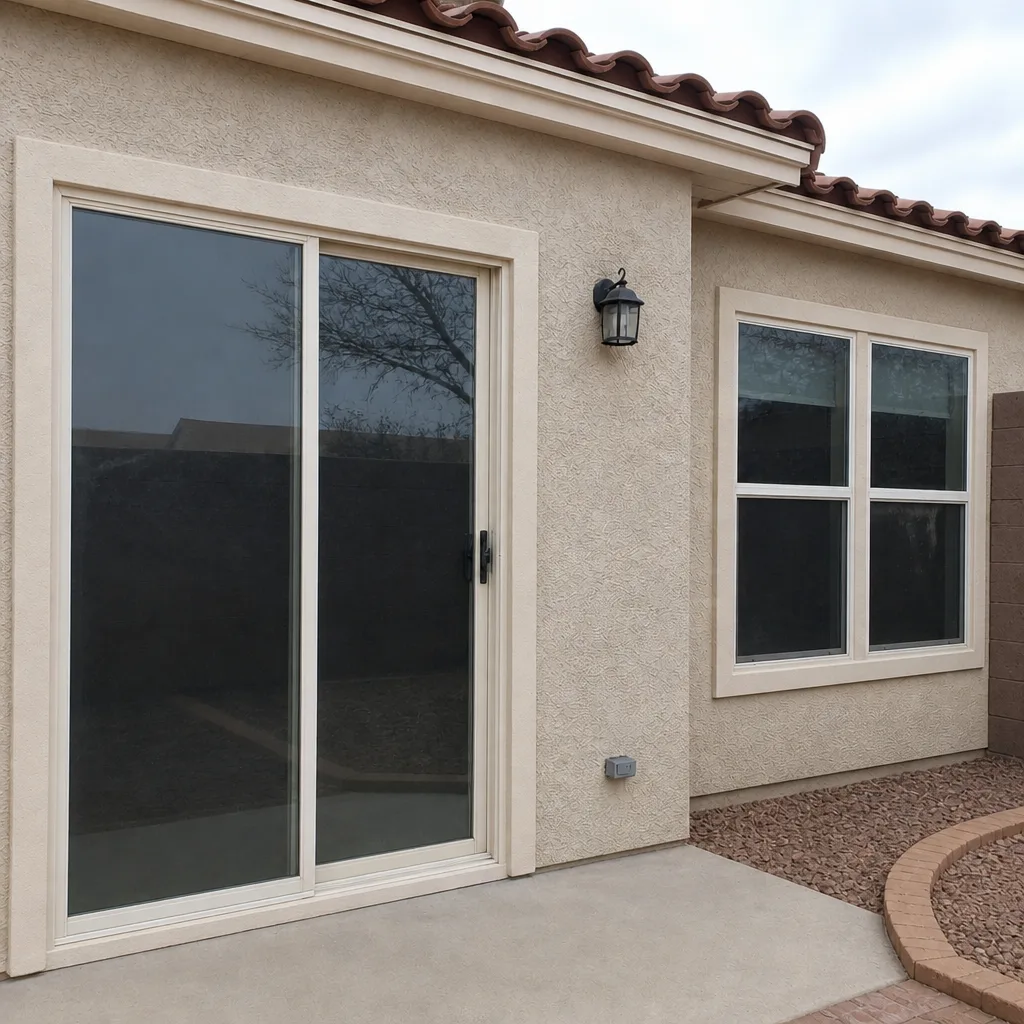 After
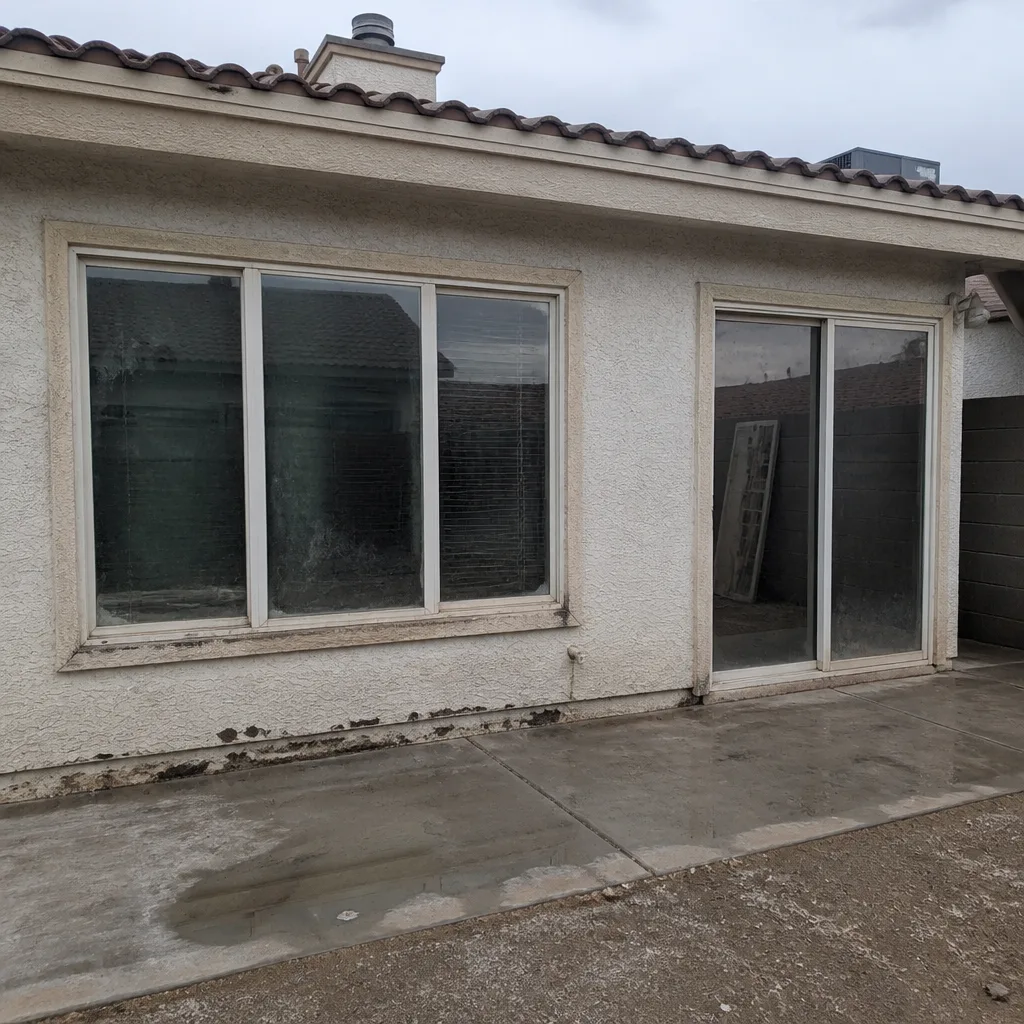 Before
 After
 Before
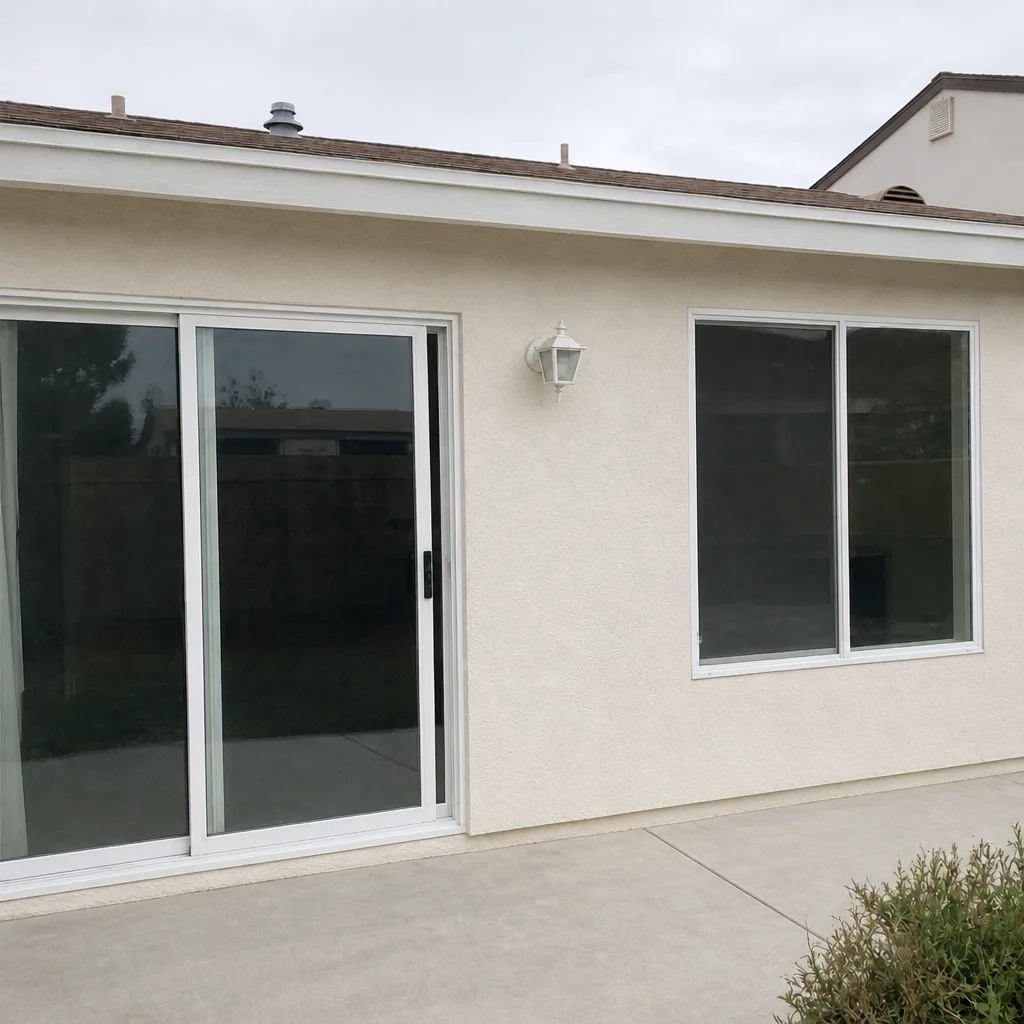 After
Frequently Asked Questions
Yes, in most cases. North Las Vegas requires a building permit for any work that alters the building envelope, cuts or enlarges an opening, changes a bedroom egress window, or disturbs the flashing or water-resistive barrier. Replacement in some cases also requires a permit because the flashing interface is where failures happen. Call (877) 317-4920 and we’ll confirm the path for your specific home before any work begins.
Technically yes, legally and practically almost never. A nailing-fin window requires the installer to integrate the unit into the water-resistive barrier in a specific lap sequence, and that sequence is what a city inspector verifies. Get it wrong and you have a window that looks fine and leaks behind the wall for years. It’s a building-envelope task, not a carpentry task.
The product warranty usually survives; the installation warranty almost never does. Most of the manufacturer brands we carry condition the full installation warranty on licensed-contractor installation, regardless of how carefully the homeowner did the work. You lose the warranty on the wall interface, which is where leaks actually occur.
The flashing sequence gets buried before you can see it. On a stucco wall, the paper, lath, weep screed, and flashing must all interlock before the finish coat goes on. If any lap is wrong, you won’t discover it until a monsoon rain drives water sideways and a stain shows up inside. Correcting it later means cutting plaster, which typically costs more than the installation labor would have.
Ask for the license number in writing and check it against the Nevada State Contractors Board database – don’t take a verbal yes. Then ask who’s pulling the permit. A licensed contractor pulls the permit in their own name and coordinates the inspection. If they ask you to pull it as a homeowner so they can do the work, that’s the moment to walk.
Most full-frame replacements in North Las Vegas run into the high hundreds to low thousands per opening depending on wall assembly, glass package, and whether stucco repair is involved, and retrofit units run less. The exact number depends on your specific openings, so we write a line-item price before anything is touched. Call (877) 317-4920 for a free estimate.
The Bottom Line
The DIY-versus-professional question resolves quickly once you frame it correctly. Window installation is a building-envelope task, and the standard is a continuous water-management layer, not a good-looking frame. On a wood-frame interior wall with an intact flashing interface, a skilled homeowner can reasonably handle the work. On a stucco wall in North Las Vegas, with a permit, an inspection, and a manufacturer installation warranty on the line, the math tilts hard toward a licensed installer. Our technicians have up to 16 years of experience, we carry eight manufacturer brands, and we put the price in writing before we touch anything. If you’re weighing the decision on your own home, our Door Installation in North Las Vegas team handles the same envelope standard on doors and can walk you through what your specific wall will require.
Call (877) 317-4920 to schedule your free estimate. We’ll walk the openings with you, name the flashing method in writing, and hand you a price before any work starts. If your window job turns out to be one of the genuinely safe DIY cases, we’ll tell you that too – the goal is a dry wall, not a sale.
Written by the team at Lightwell Windows & Doors North Las Vegas.
Six Reasons Homeowners Choose Lightwell Windows & Doors North Las Vegas
Laminated glass and reinforced frames hold up to wind-driven rain, hail and flying debris, so your openings stay sealed when the weather turns.
Low-E insulated impact glass from our manufacturer lines commonly cuts monthly cooling bills 20-30%.
Laminated impact glass shuts out up to 40% of outside noise - traffic, neighbors, weather.
Monitoring services run $30-90 a month. Laminated impact glass resists forced entry around the clock, with no subscription.
Tighter seals and insulated glass even out hot and cold rooms and stop the drafts at the frame.
A full impact package upgrades curb appeal, buyer confidence and appraised value in one project.