
Last updated November 18, 2026
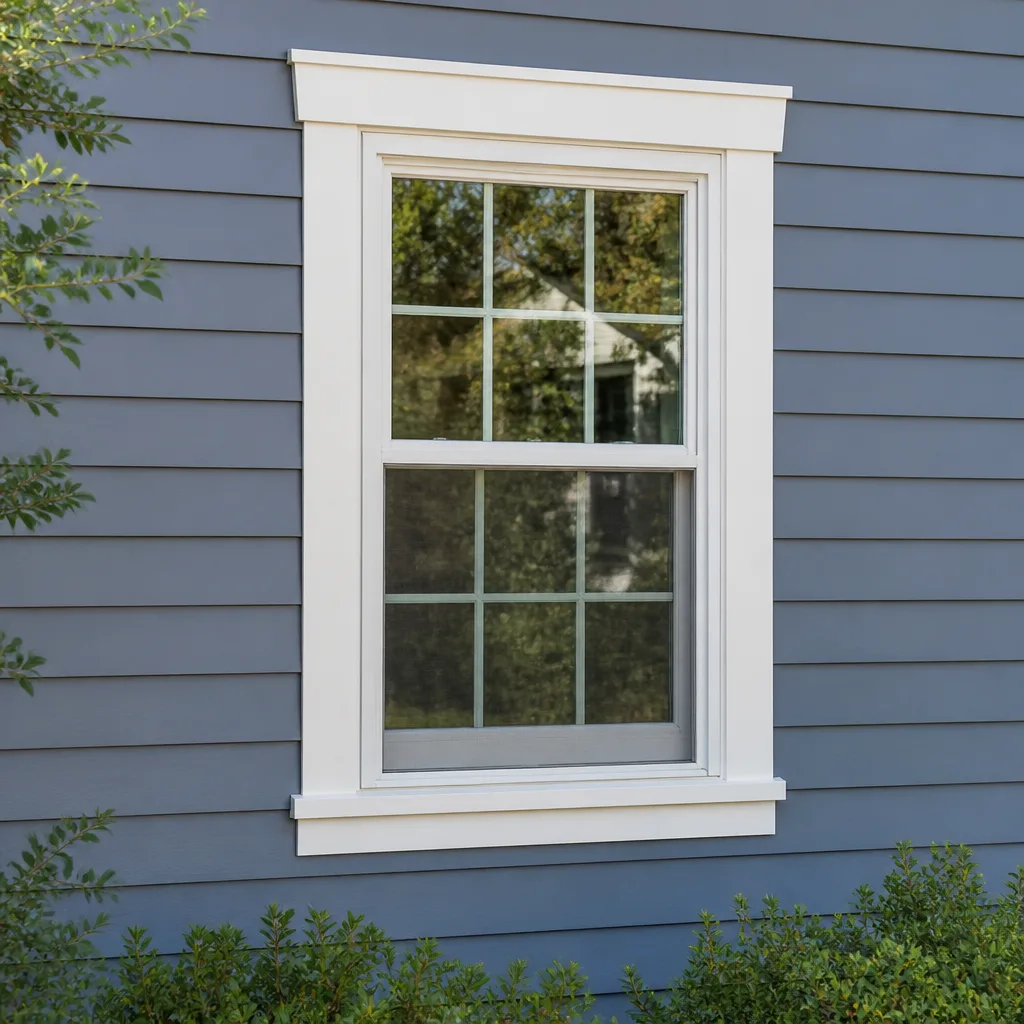 Single hung
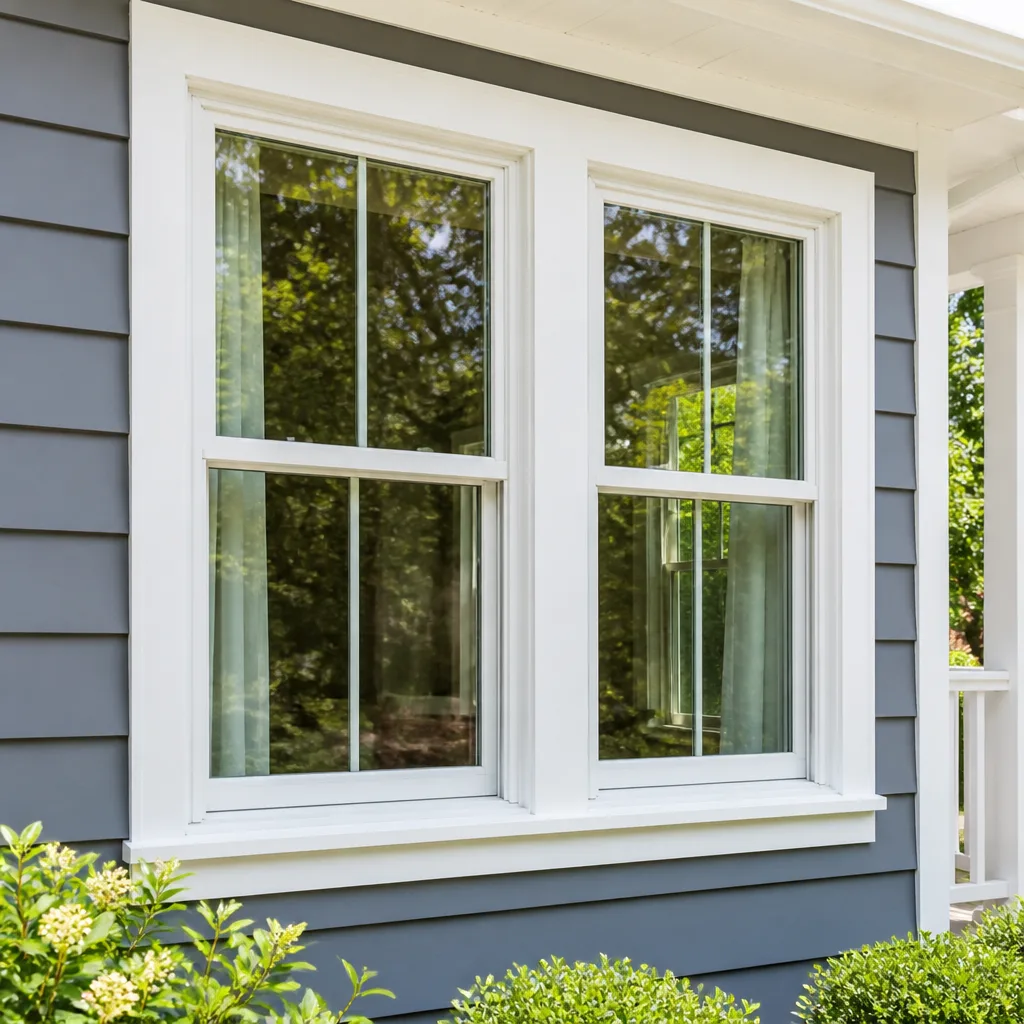 Double hung
 Horizontal roller
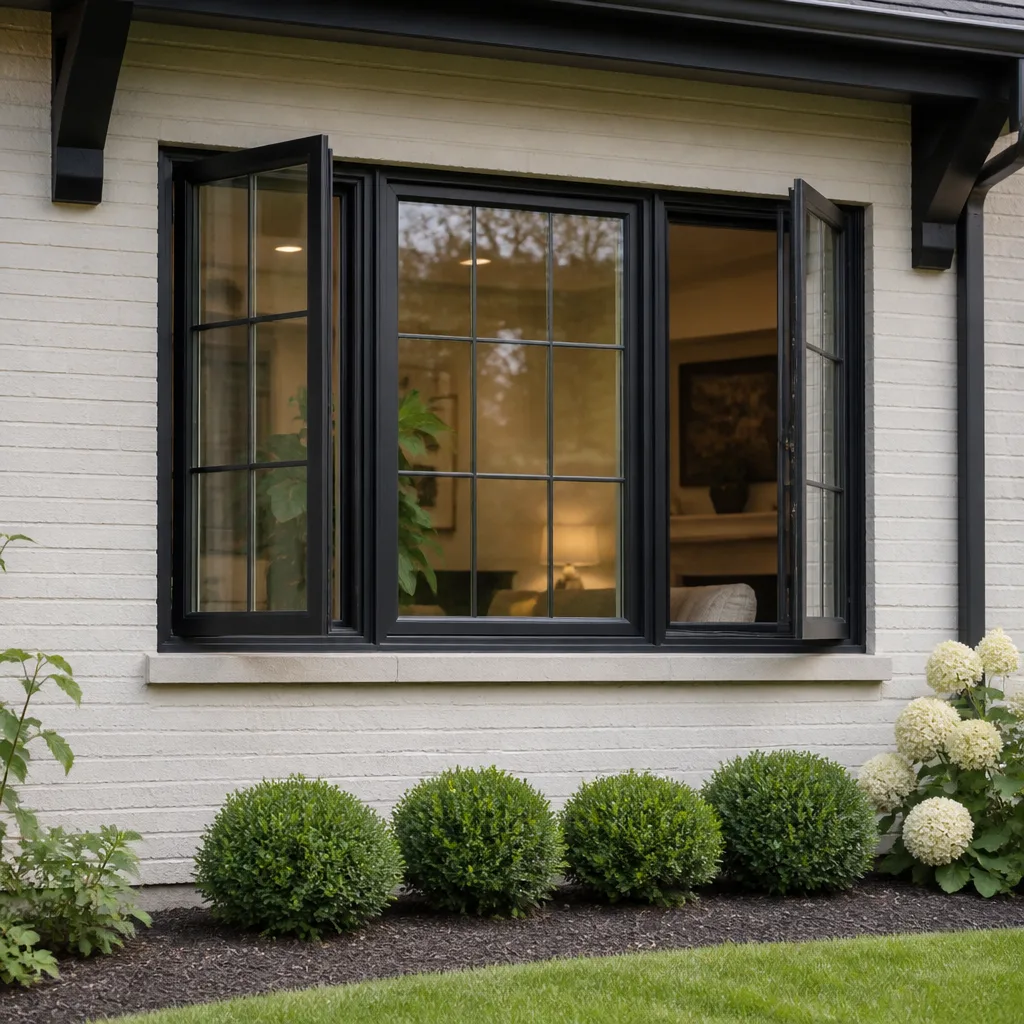 Casement
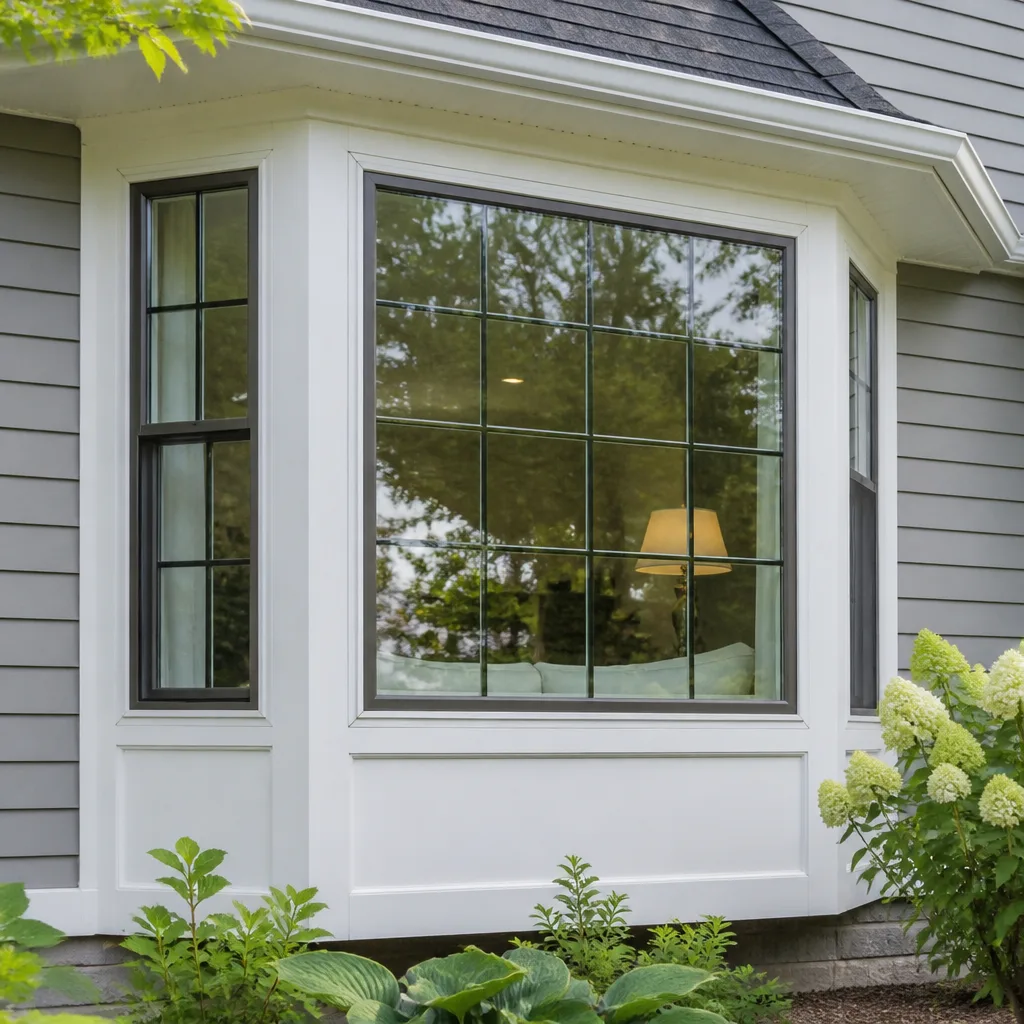 Bay & bow
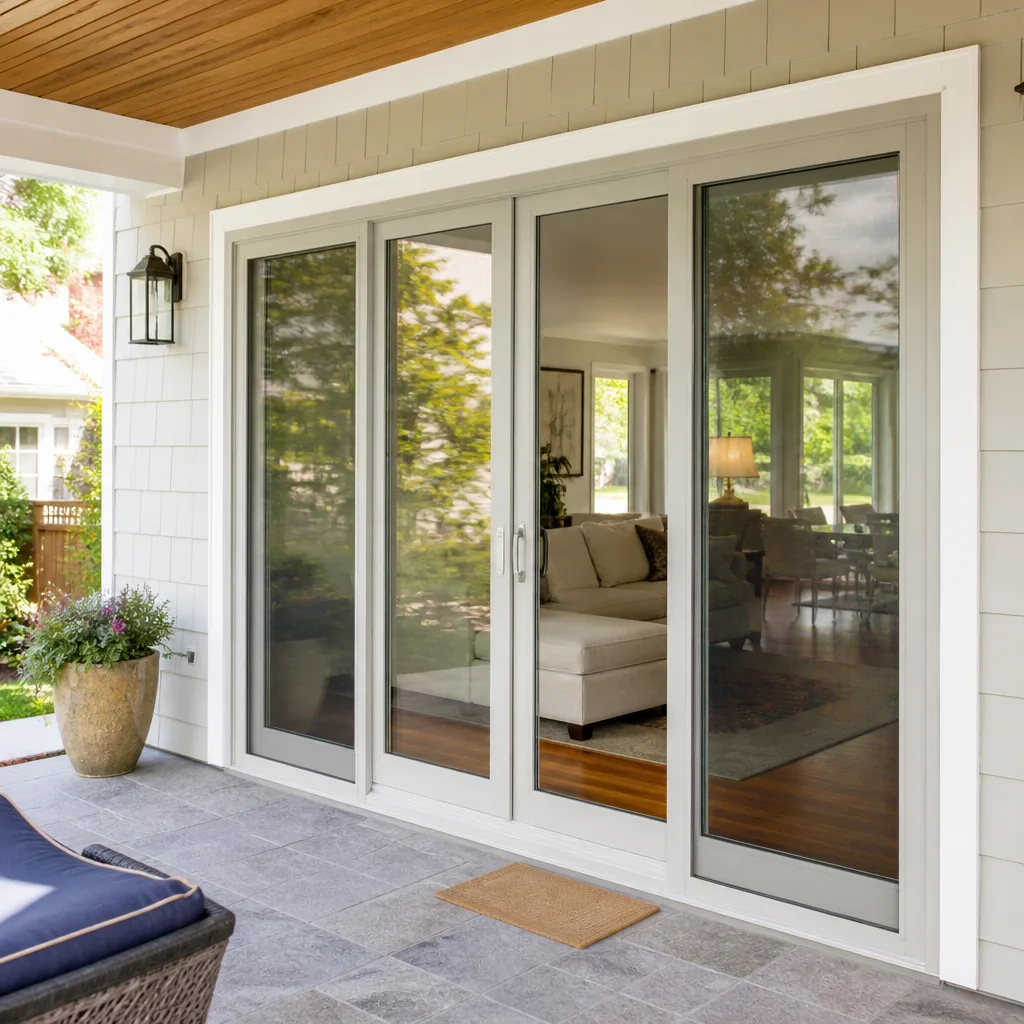 Sliding glass doors
 Entry doors
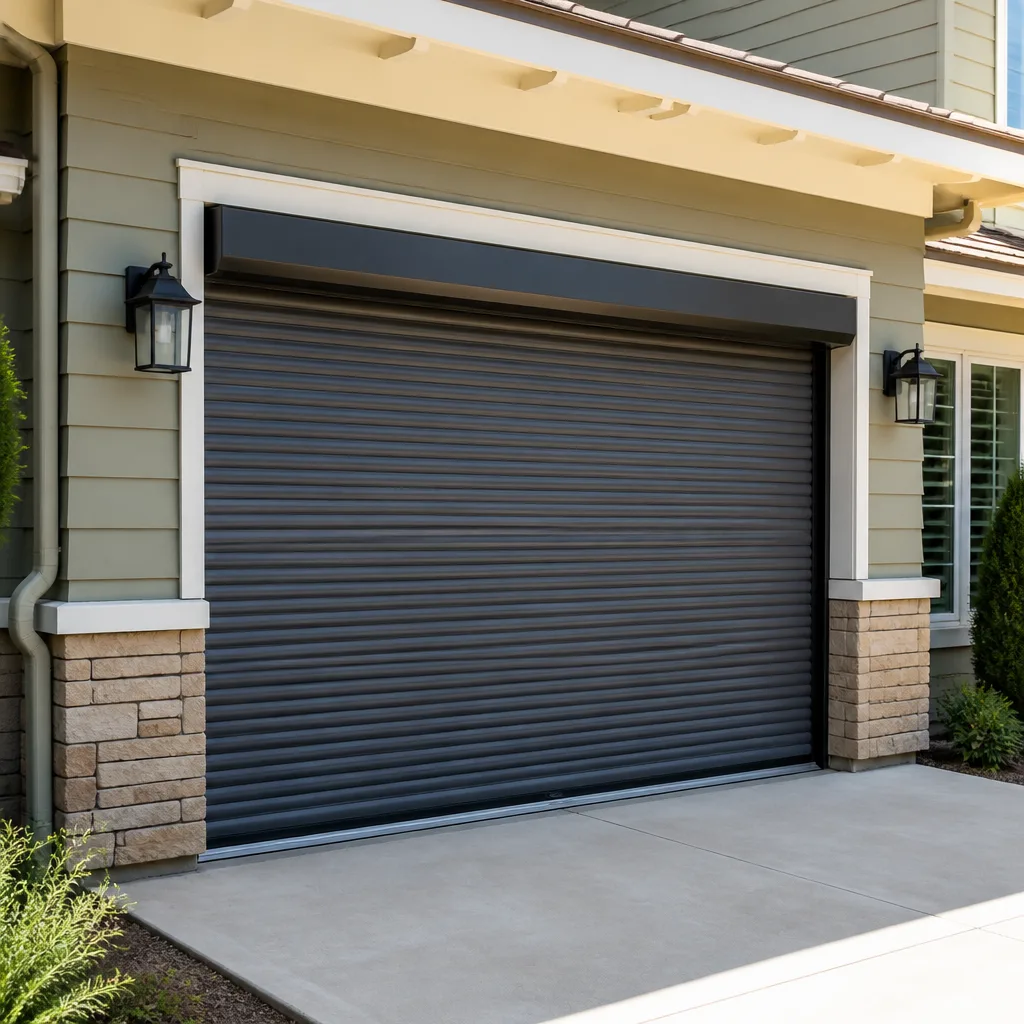
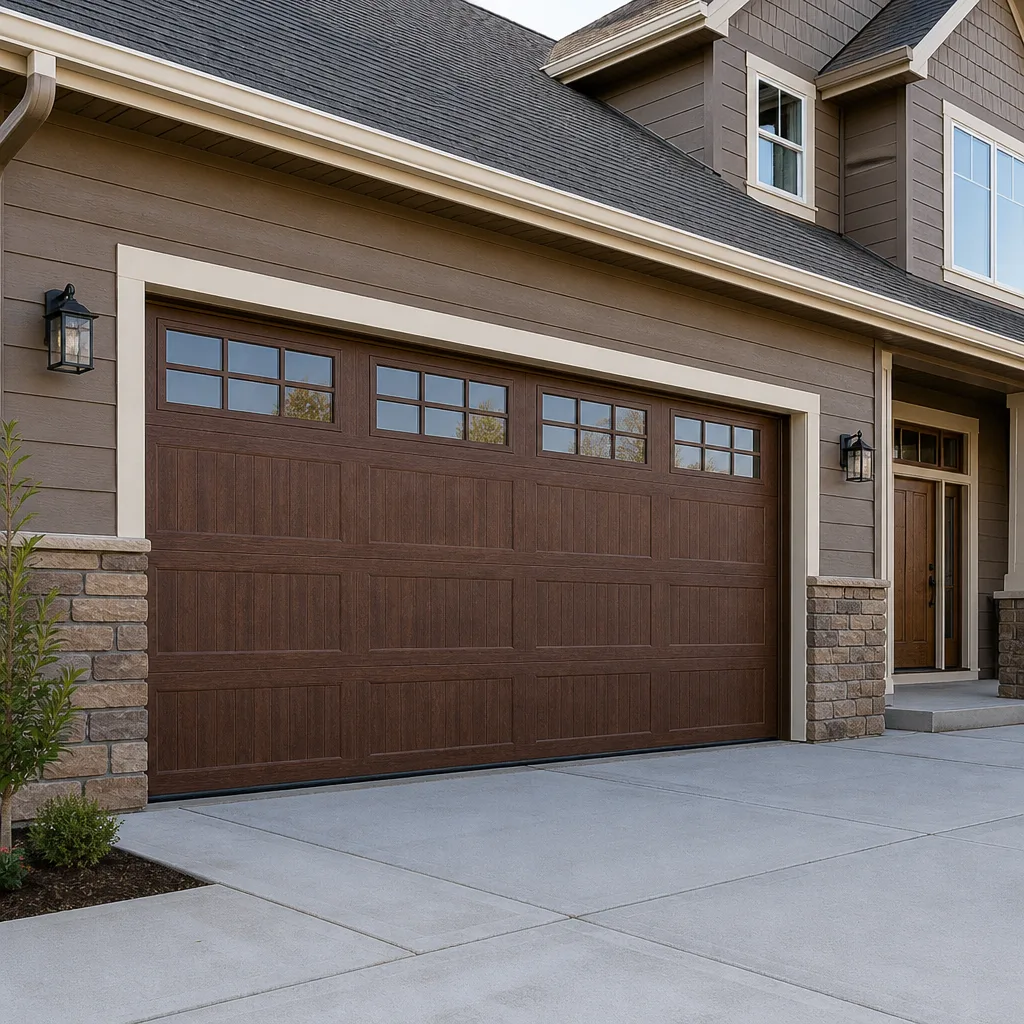 Impact garage doors
 PGT
 CGI
Free in-home measure and quote - PGT, CGI and CWS impact lines compared on your actual openings, style by style
Get your free estimateWindow Replacement Troubleshooting: Common Problems and How to Fix Them
A fogged double-pane unit feels like a glass problem. In a dry desert climate where indoor humidity often sits below 20%, though, that seal failure almost always traces back to installation pressure or a missing weep-hole cover, not the glass itself. Here in North Las Vegas, we see this exact misdiagnosis on a steady basis: homeowners order new units when the real culprit is a flashing gap behind the frame. This guide teaches you to read the symptoms your windows are already showing, map each one to its true cause, and decide what is a twenty-dollar fix versus what genuinely needs a replacement. You’ll save money by not paying twice for the same opening.
Quick Answer
Most window problems homeowners blame on “bad glass” are actually installation or flashing failures. Condensation between panes, drafts, and sticking sashes each point to a different cause, and matching the symptom to the right repair path before you order a replacement is what prevents paying for the same window twice. In North Las Vegas, the wide day-to-night temperature swing makes caulk shrinkage and frame movement the most common root causes we diagnose.
Styles & brands we work with
- Single hung
- Double hung
- Horizontal roller
- Casement
- Bay & bow
- Sliding glass doors
- Entry doors
- Impact garage doors
- PGT
- CGI
Table of Contents
- The Symptom-to-Cause Matrix
- Condensation: Between Panes vs. On the Glass
- Testing a Drafty Window: Weatherstripping or Failed Seal?
- Why North Las Vegas Temperature Swings Shrink Caulk
- What a Sticking Sash Tells You Structurally
- How to Document Problems Before You Call
- Common Mistakes to Avoid
- Frequently Asked Questions
The Symptom-to-Cause Matrix
Before you call anyone, learn to read what your window is telling you. The same visible complaint can come from three different failures, and each has a different repair path and a different price. Here’s how we walk North Las Vegas homeowners through the first pass.
- Condensation between the panes: a failed perimeter seal on the insulated glass unit (IGU). The glass itself is fine; the seal that keeps the argon fill dry has let moisture in.
- Condensation on the interior surface: usually an interior humidity or air-circulation issue, not a window defect. Common when interior humidity climbs or a room lacks airflow.
- Condensation on the exterior surface: typically a sign the window is performing well. The outer pane is cold, and outside moisture condenses there first.
- Draft at the sash edge: weatherstripping wear. Often a small fix.
- Draft at the frame-to-wall joint: a failed rough-opening seal or flashing. This one can mean removal and re-installation.
- Sash that sticks or won’t operate: could be a hardware or track problem, or it could signal frame racking from settlement.
Getting the category right matters because the wrong repair path wastes money. Replacing an IGU when the leak is at the frame buys you a new fogged unit within a couple of seasons. When we quote Window Replacement in North Las Vegas, we start with this same matrix so the estimate addresses the actual failure.
Condensation: Between Panes vs. On the Glass
This is the single most misread symptom in window troubleshooting, so it deserves its own section. Where the moisture appears tells you almost everything about the cause.
Moisture between the panes
If you see fog or water droplets trapped inside the sealed gap, the IGU seal has failed. This is a manufacturing seal or an installation-pressure problem, not interior humidity. A window installed under stress, or one missing a weep-hole cover, can pull moisture into that gap far faster than the glass itself would ever fail. The repair is a new IGU or, if the frame is also compromised, a full unit.
Moisture on the interior surface
Interior condensation points to air and humidity inside the home, not a defective window. It shows up most in winter mornings or in kitchens and bathrooms without strong ventilation. The window is doing its job by being the coldest surface in the room. Improving airflow and managing indoor humidity usually clears it.
Moisture on the exterior surface
Exterior condensation generally means the window is well insulated. The outer pane stays cold, and outside humidity condenses there. It is not a reason to replace anything.
In our experience across North Las Vegas, the between-panes variety is what gets misdiagnosed as “bad glass” when the real trigger is installation. That’s why we inspect the frame and weep holes before quoting an insulated unit, and why our recommendations draw on brands like ES Windows and ECO Window Systems that hold their seals under desert temperature swings.
Testing a Drafty Window: Weatherstripping or Failed Seal?
A draft can come from a five-dollar strip of weatherstripping or from a failed seal behind the frame. The difference in cost is large, so test before you assume. Here’s the sequence we use.
- The feel test at the sash edge. Run your hand slowly around the perimeter of the moving sash. A draft concentrated at the edge where the sash meets the frame usually means worn weatherstripping.
- The feel test at the frame-to-wall joint. Move your hand along the interior trim where the frame meets drywall. A draft here points to a failed rough-opening seal or missing flashing, not the sash.
- The paper test. Close the sash on a strip of paper and try to pull it out. If it slides out with little resistance, the weatherstripping has lost its compress.
- The light test. On a bright day, look for daylight around the closed sash. Visible gaps confirm a seal failure at the edge.
- The smoke test (carefully, indoors). Hold a lit incense stick near the frame on a windy day and watch the smoke. It will pull toward any real leak.
If the draft is at the sash edge and the weatherstripping is worn, that’s often a minor, straightforward fix. If it’s at the frame-to-wall joint, you may be looking at removing and re-installing the unit to rebuild the seal and flashing correctly. That is the point where a real replacement, done by a crew that follows install standards, saves you from repeat repairs. When we handle Window Installation in North Las Vegas, we seal and flash the rough opening so a draft there doesn’t return next season.
Why North Las Vegas Temperature Swings Shrink Caulk
North Las Vegas can swing 40°F between midnight and afternoon. That daily expansion and contraction works on the caulk line around every frame. Caulk is flexible, but it has a limit, and after enough cycles it shrinks, cracks, and pulls away from the joint. When it does, water and air find the gap.
Here’s where homeowners get into trouble: re-caulking looks like the fix, and sometimes it genuinely is. But you have to distinguish a band-aid from a real repair.
- Re-caulking is a real fix when the caulk line is the failure point, the frame is sound, and the gap is shallow. A proper exterior sealant rated for desert temperature swings, applied correctly, buys years.
- Re-caulking is a band-aid when the caulk keeps failing in the same spot every year. Repeat cracking usually means the frame is moving, the flashing behind it is wrong, or the unit was installed under stress. Covering that with fresh caulk hides the symptom while the water keeps working its way in.
We tell North Las Vegas homeowners to watch for the pattern: if you’ve re-caulked the same window three seasons running and it keeps opening up, the issue is behind the caulk, not in it. A written inspection of the flashing and frame will tell you which one you’re dealing with before you spend money.
What a Sticking Sash Tells You Structurally
A window that suddenly sticks, drags, or refuses to close flush is telling you something. Sometimes it’s a window problem; sometimes it’s a house problem. Knowing which matters before you replace the unit.
- Hardware and track wear: rollers, balances, and locks wear out. Sashes that bind at one spot but move freely elsewhere often just need hardware service or adjustment.
- Frame out of square: if the sash binds along an entire edge or the reveal gap is uneven, the frame may be racked. This can come from the original install or from movement in the wall.
- Foundation or settlement movement: a sticking window combined with new cracks in nearby drywall, doors that no longer latch, or uneven floors points to structural movement rather than a window defect. Replacing the window won’t fix a settling wall.
In the newer North Las Vegas developments and older neighborhoods alike, we’ve seen sashes that stick because the rough opening shifted, not because the window failed. If the symptom is structural, the honest answer is to address the movement first. When we install, products like Mr-Glass and Therma-Tru door-and-window systems are squared and set to the opening so operating parts stay true.
How to Document Problems Before You Call
A good written estimate addresses the actual failure, not just the visible symptom. The better you document, the more precise the quote, and the less chance you pay for a repair that doesn’t fix the cause. Here’s the checklist we hand homeowners.
- Photograph the symptom up close. Get a clear shot of the fog between panes, the draft point, the cracked caulk, or the sticking sash.
- Photograph the wider context. Pull back to show the whole window, the trim, and any nearby wall or ceiling cracks. Context tells a technician whether the issue is local or structural.
- Note when it happens. Morning only? After a windy night? During temperature swings? Timing narrows the cause fast.
- Record the window’s age and any prior repairs. If you’ve re-caulked or replaced hardware, say when.
- Mark every affected opening on a simple sketch. List each window by room so the technician can inspect each one and the estimate can match.
- Write down what you want fixed. “Draft in the nursery” is a different request from “fog in the nursery window,” and clarity up front keeps the written price honest.
Every Lightwell visit includes a written price before any work starts, so a well-documented call helps that estimate land on the real problem. Our technicians have up to 16 years of experience and follow the C.A.R.E. values on every visit: clean up like it’s our own home, ask before we move or touch anything, respect the family’s time and quiet hours, and explain the price before the work. We bring shoe covers and drop cloths on every visit and take a photo of the clean-up before we leave. For families with kids and pets, quiet tools during nap time and pet-safe sealants where there’s a choice are part of how we work.
Common Mistakes to Avoid
- Replacing a window when the seal is the real problem. A draft at the frame-to-wall joint won’t go away with a new sash. Diagnose the location before ordering product.
- Treating interior condensation as a window defect. It’s usually an indoor humidity or airflow issue. Replacing the unit not only fails to fix it but costs you the window too.
- Re-caulking the same spot every year. In North Las Vegas, repeat cracking means the caulk isn’t the failure. Investigate the frame, flashing, and install before buying more sealant.
- Assuming a sticking sash means a bad window. New drywall cracks, doors that won’t latch, and uneven reveals point to settlement. Fix the movement first.
- Skipping weep-hole covers. A missing weep-hole cover lets moisture pull into the unit during our desert swings and speeds seal failure. Small part, real consequence.
- Calling without documentation. A vague “my window is drafty” leads to a vague estimate. Photos, timing, and a room-by-room sketch give the technician what they need to price the real fix.
- No written price before work starts. A verbal quote at the door is not a plan. Insist on a written, line-item price before anyone touches an opening.
See the difference
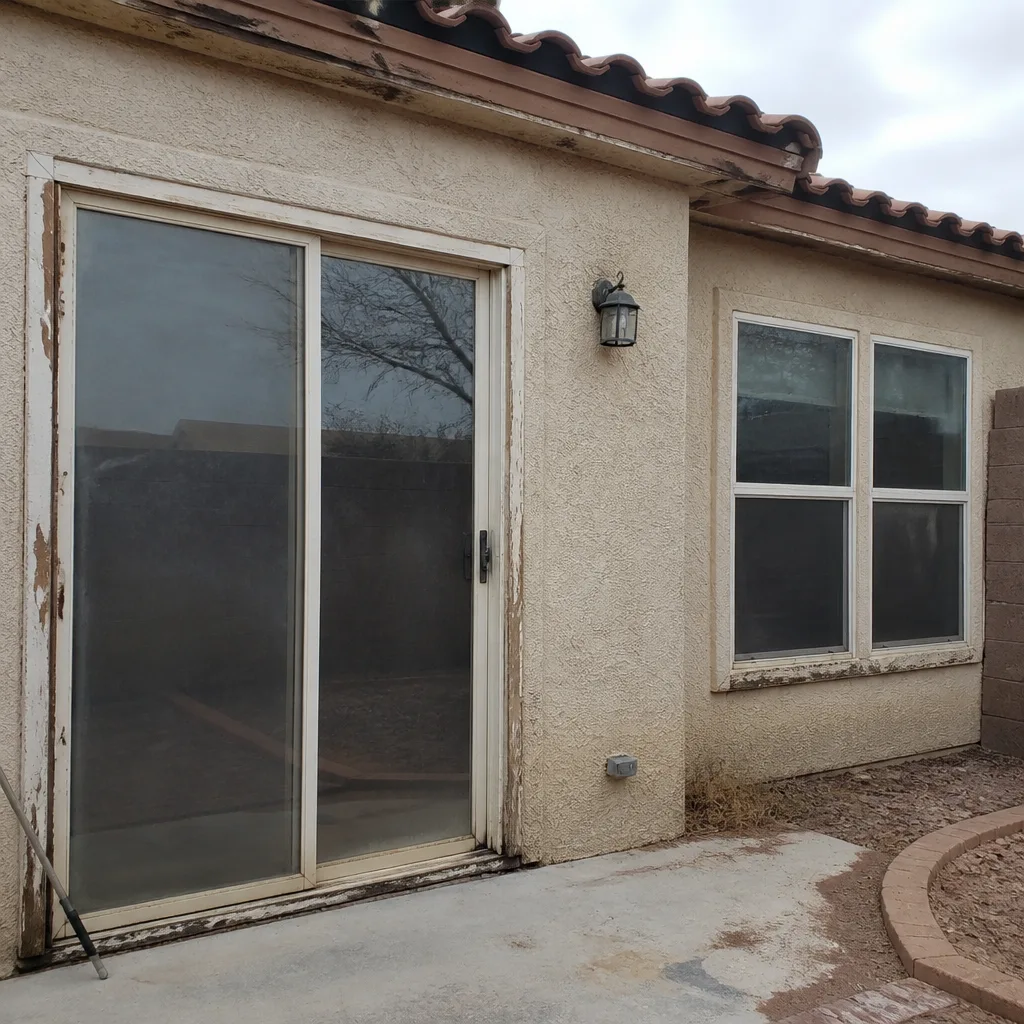 Before
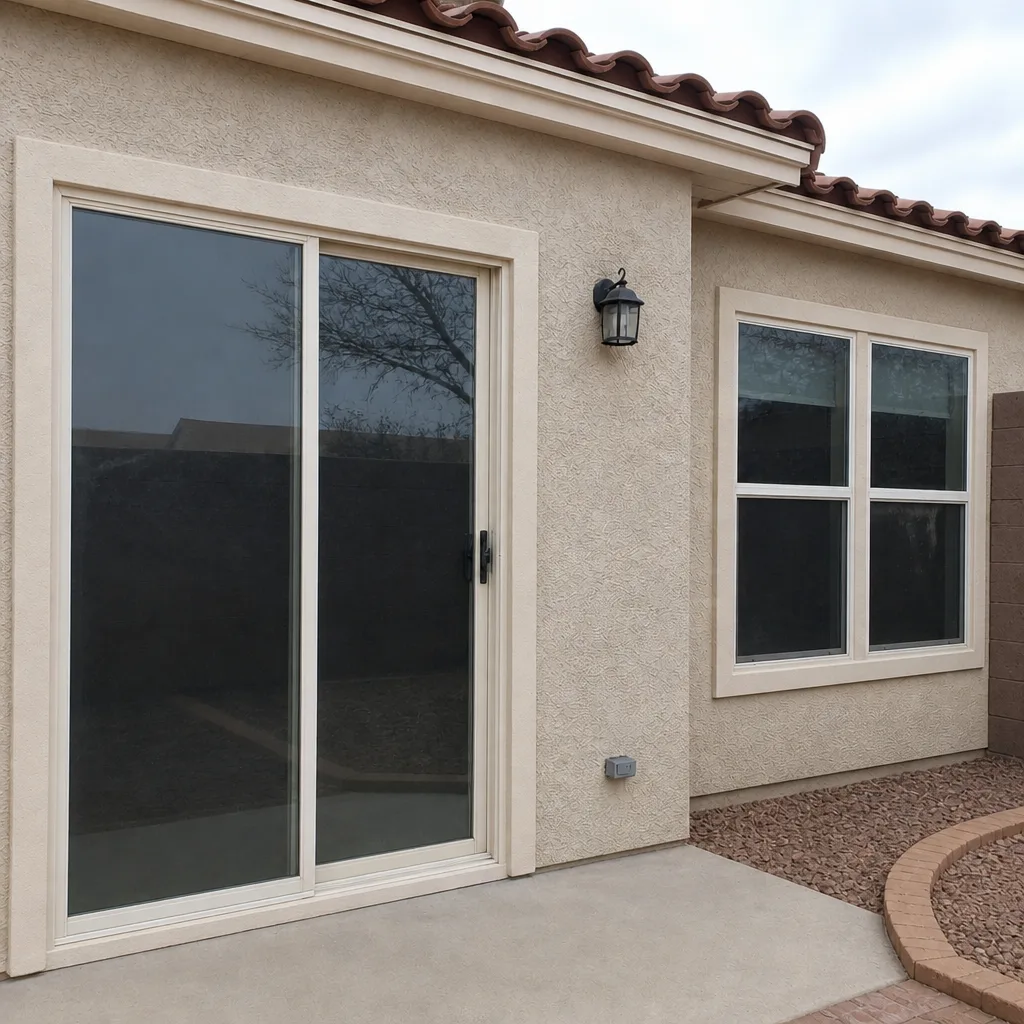 After
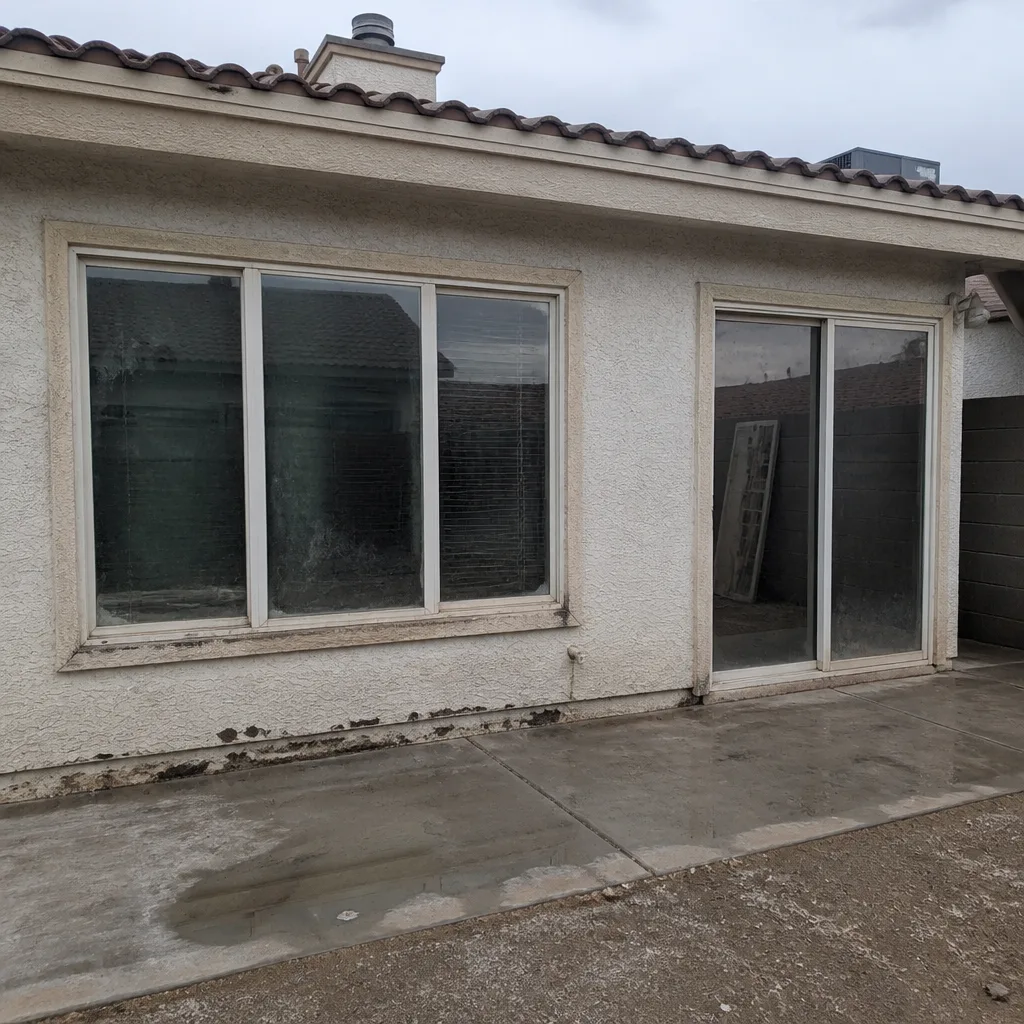 Before
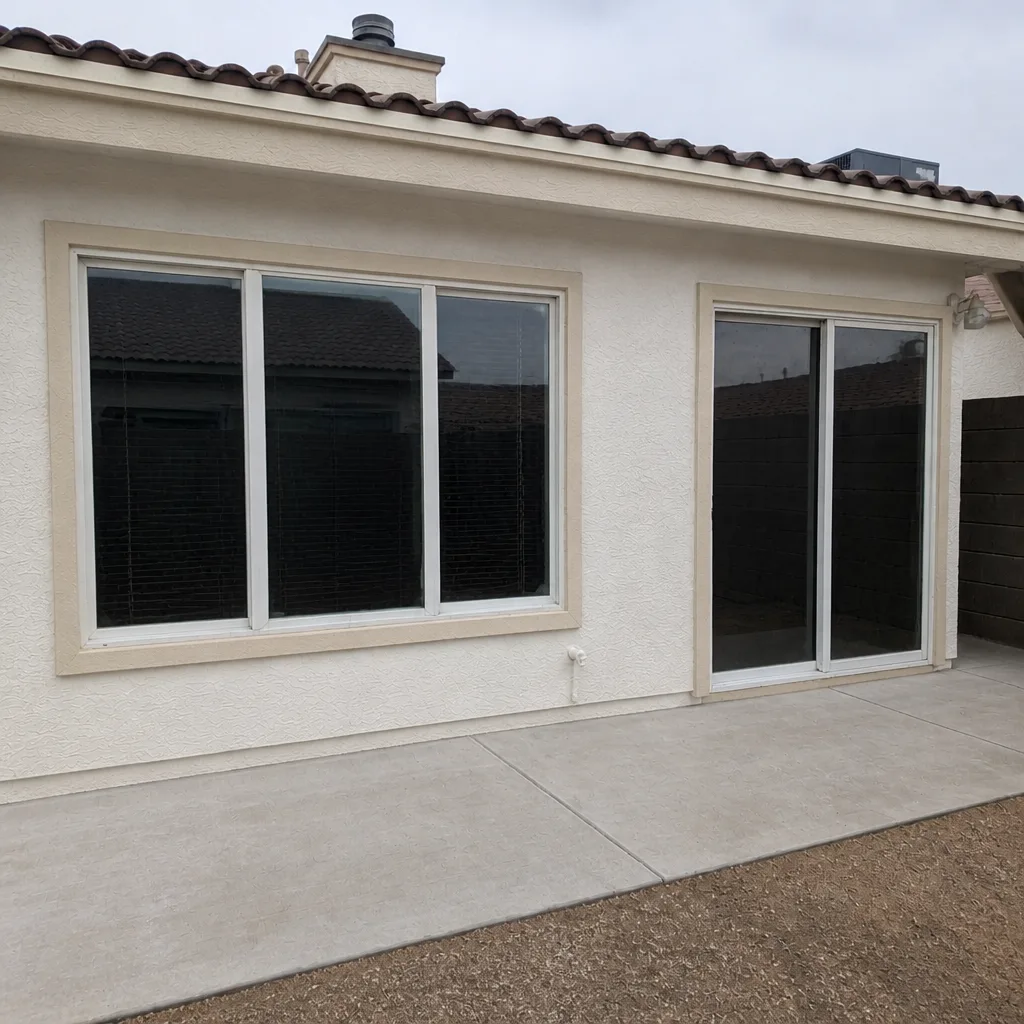 After
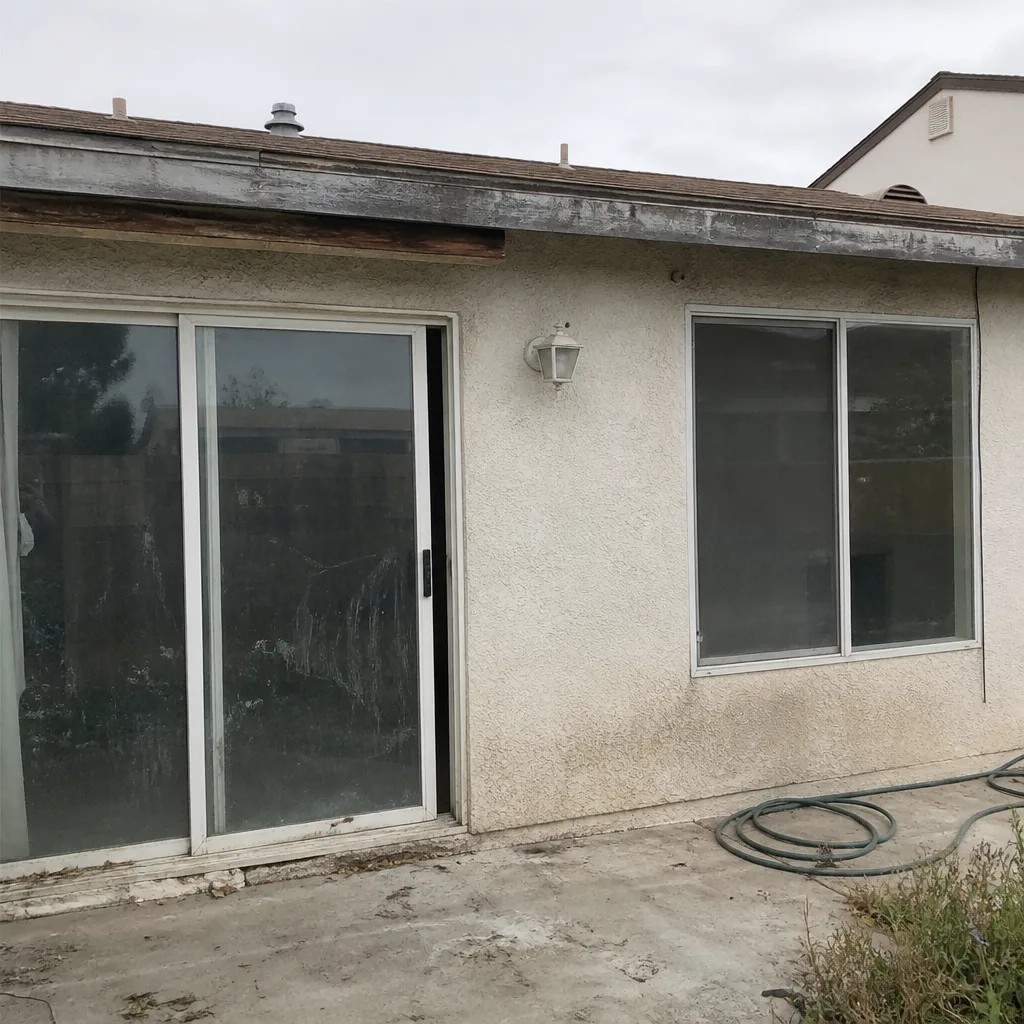 Before
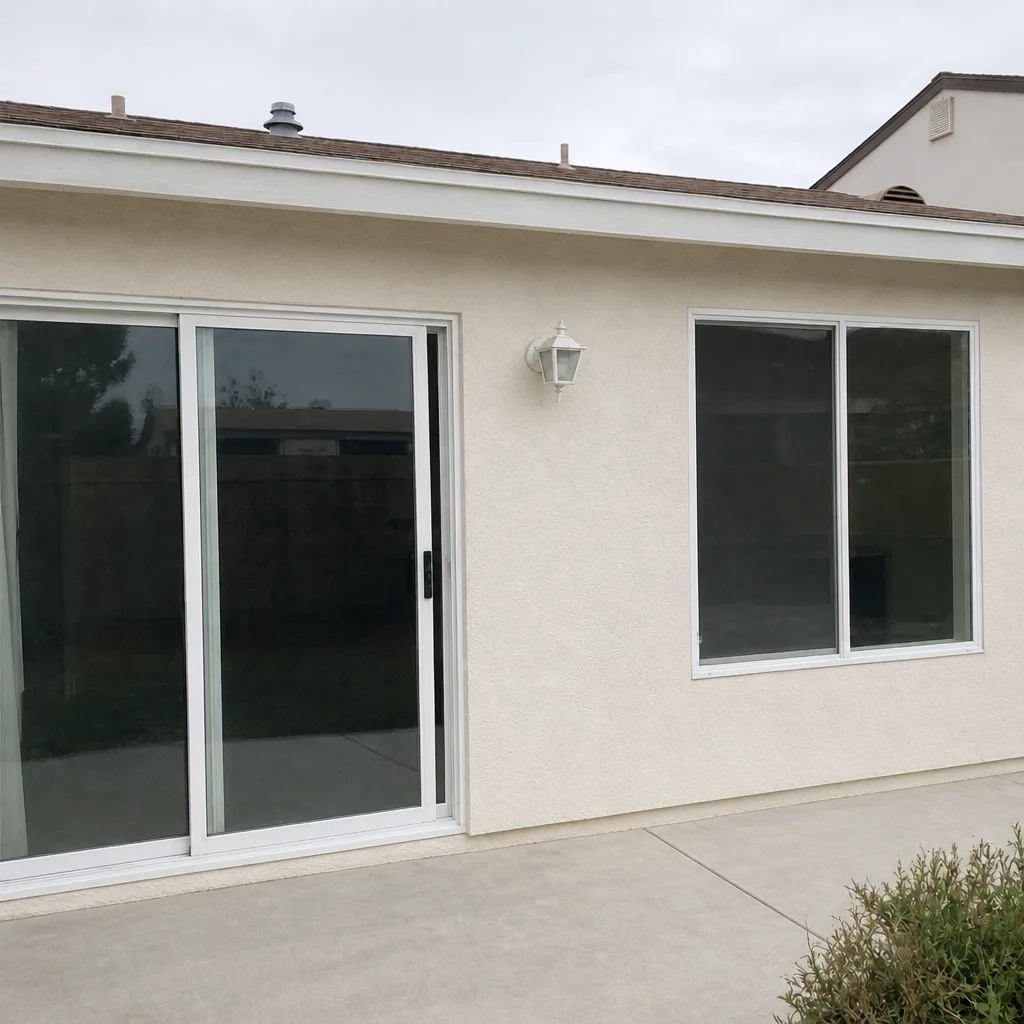 After
When to Call a Professional
Some window problems are simple checks and hardware adjustments. Others need a trained eye and a real diagnosis. Call a professional when condensation appears between the panes, when a draft sits at the frame-to-wall joint, when a sash suddenly stops operating or won’t close flush, when you’re re-caulking the same window every year, or when a sticking window comes with new drywall cracks and doors that no longer latch. These are the cases where a wrong guess costs you the price of a window. Lightwell Windows & Doors North Las Vegas offers free estimates in North Las Vegas, with a written price before any work starts and the 365-Day Done Right Promise behind the job. Call (877) 317-4920 to schedule your free estimate, and a live person answers around the clock if something’s wrong with a new install.
Frequently Asked Questions
Fog between the panes almost always means the insulated glass unit’s perimeter seal has failed, letting moisture into the gap. In our dry climate, it’s frequently traced to installation pressure or a missing weep-hole cover rather than the glass itself. Call (877) 317-4920 for an evaluation before ordering a replacement unit.
Usually not. Interior condensation points to indoor humidity or airflow, not a window defect, so it clears with better ventilation and humidity control rather than replacement. Exterior condensation typically means the window is well insulated. Call (877) 317-4920 if you want the moisture traced to the right cause.
Most window replacements in North Las Vegas run roughly $450 to $1,200 per opening depending on unit size, glass package, and whether the frame and flashing are sound. A draft or cracked caulk fix can be a small fraction of that, which is why diagnosis comes first. Call (877) 317-4920 for an exact written price; estimates are free.
North Las Vegas can swing 40°F between midnight and afternoon, and that daily movement wears on caulk at every joint. If the same spot keeps cracking, the caulk is a band-aid and the frame or flashing is the real issue. Call (877) 317-4920 and we’ll check what’s behind the caulk line.
No. Lightwell puts the price in writing before any work begins, and that written price is what you pay. Our no-hassle upfront pricing is a standing rule on every job, backed by the 365-Day Done Right Promise if the finished work isn’t right. Call (877) 317-4920 to schedule an estimate and get the written number first.
Permit requirements depend on the scope and jurisdiction, and we confirm what your job needs as part of the estimate. The point is that you know the permit picture before work starts, not after. Call (877) 317-4920 and we’ll walk through your specific openings and what the job requires.
The Bottom Line
Most window problems that get blamed on “bad glass” trace back to installation and flashing. Condensation between panes, drafts at the frame joint, repeat caulk failure, and sticking sashes each point to a different cause, and matching symptom to cause before you order a replacement is what keeps you from paying twice for the same opening. Read the symptoms carefully, document them clearly, and get a written price before work starts. Explore our Lightwell Windows & Doors North Las Vegas home to see how we approach the job, and remember our Door Installation in North Las Vegas work follows the same diagnosis-first, written-price-first standard.
Lightwell Windows & Doors North Las Vegas offers free estimates, a live person on the phone 24/7, background-checked and uniformed technicians, and a photo of the clean-up before the crew leaves. Call (877) 317-4920 to schedule your free estimate and get a written price before anything starts.
Written by the team at Lightwell Windows & Doors North Las Vegas.
Six Reasons Homeowners Choose Lightwell Windows & Doors North Las Vegas
Laminated glass and reinforced frames hold up to wind-driven rain, hail and flying debris, so your openings stay sealed when the weather turns.
Low-E insulated impact glass from our manufacturer lines commonly cuts monthly cooling bills 20-30%.
Laminated impact glass shuts out up to 40% of outside noise - traffic, neighbors, weather.
Monitoring services run $30-90 a month. Laminated impact glass resists forced entry around the clock, with no subscription.
Tighter seals and insulated glass even out hot and cold rooms and stop the drafts at the frame.
A full impact package upgrades curb appeal, buyer confidence and appraised value in one project.