
Last updated November 18, 2026
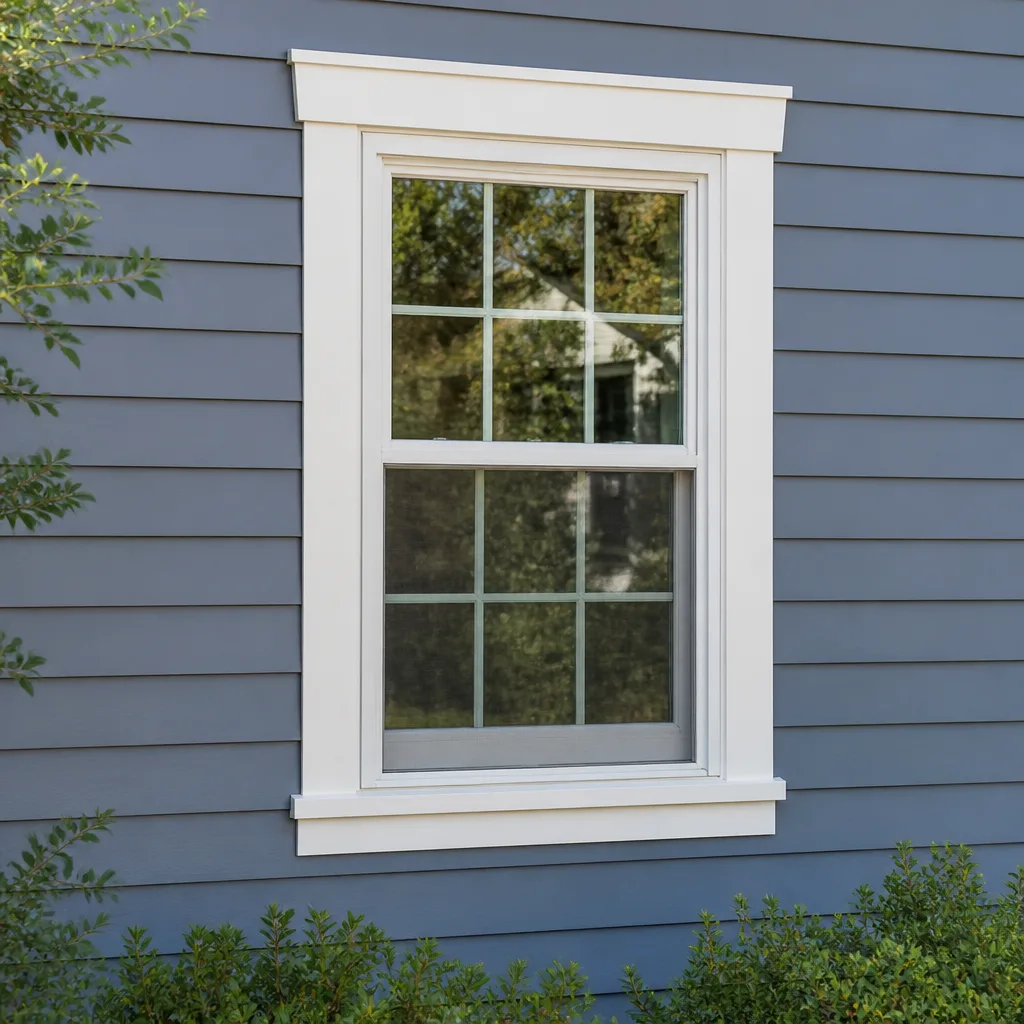 Single hung
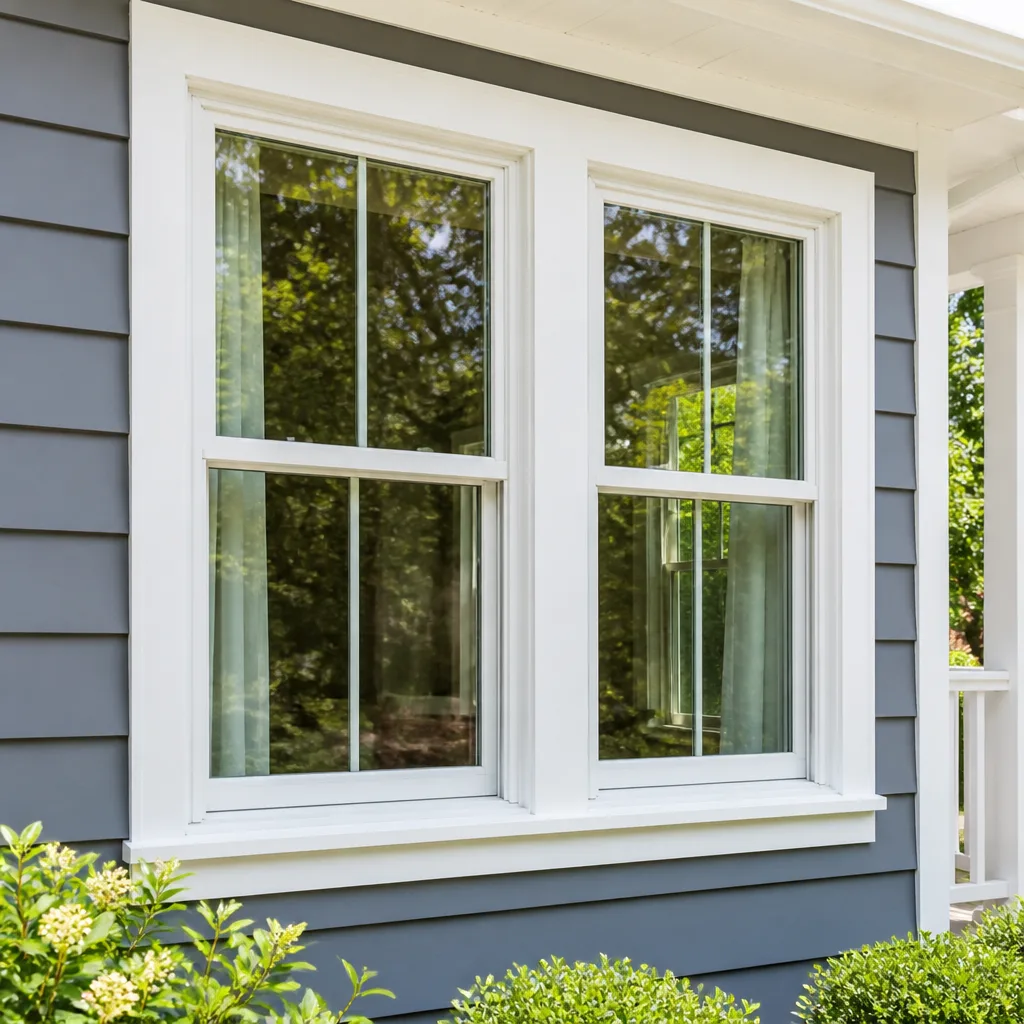 Double hung
 Horizontal roller
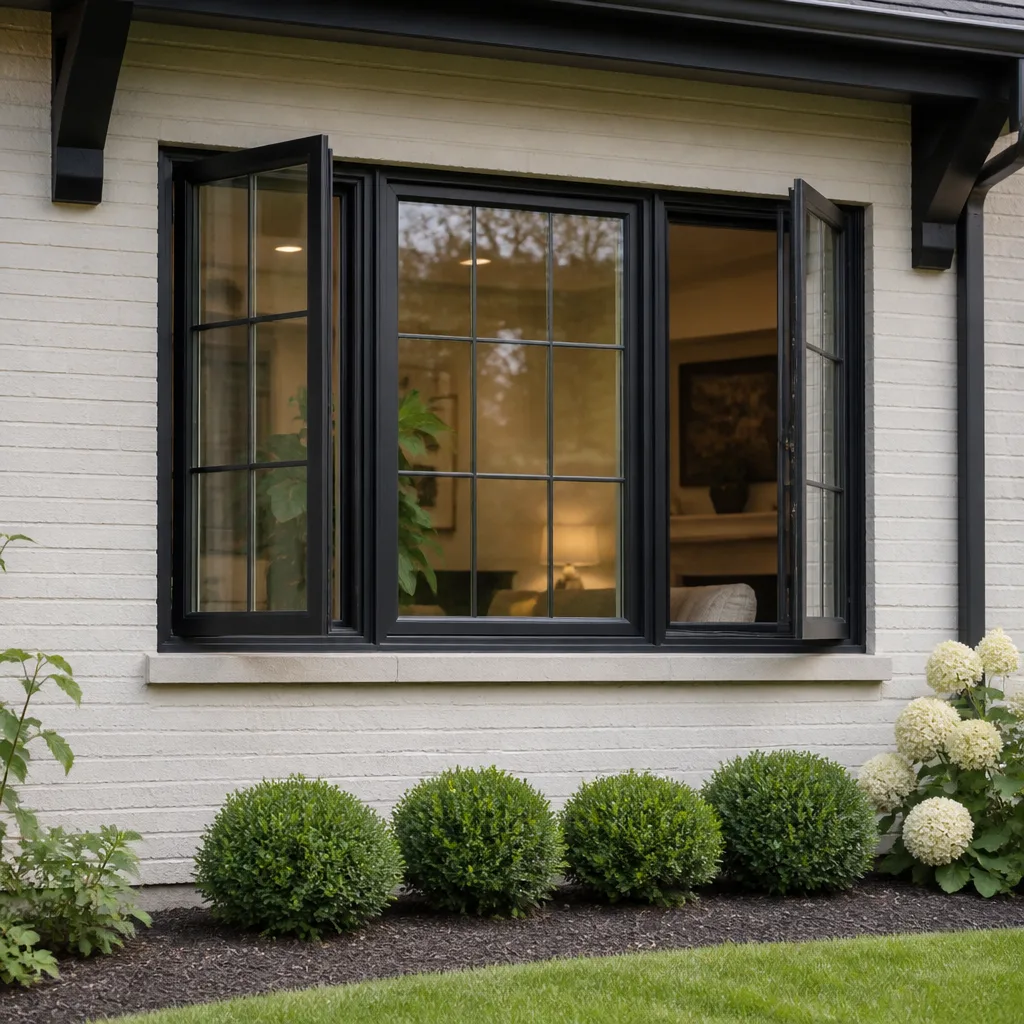 Casement
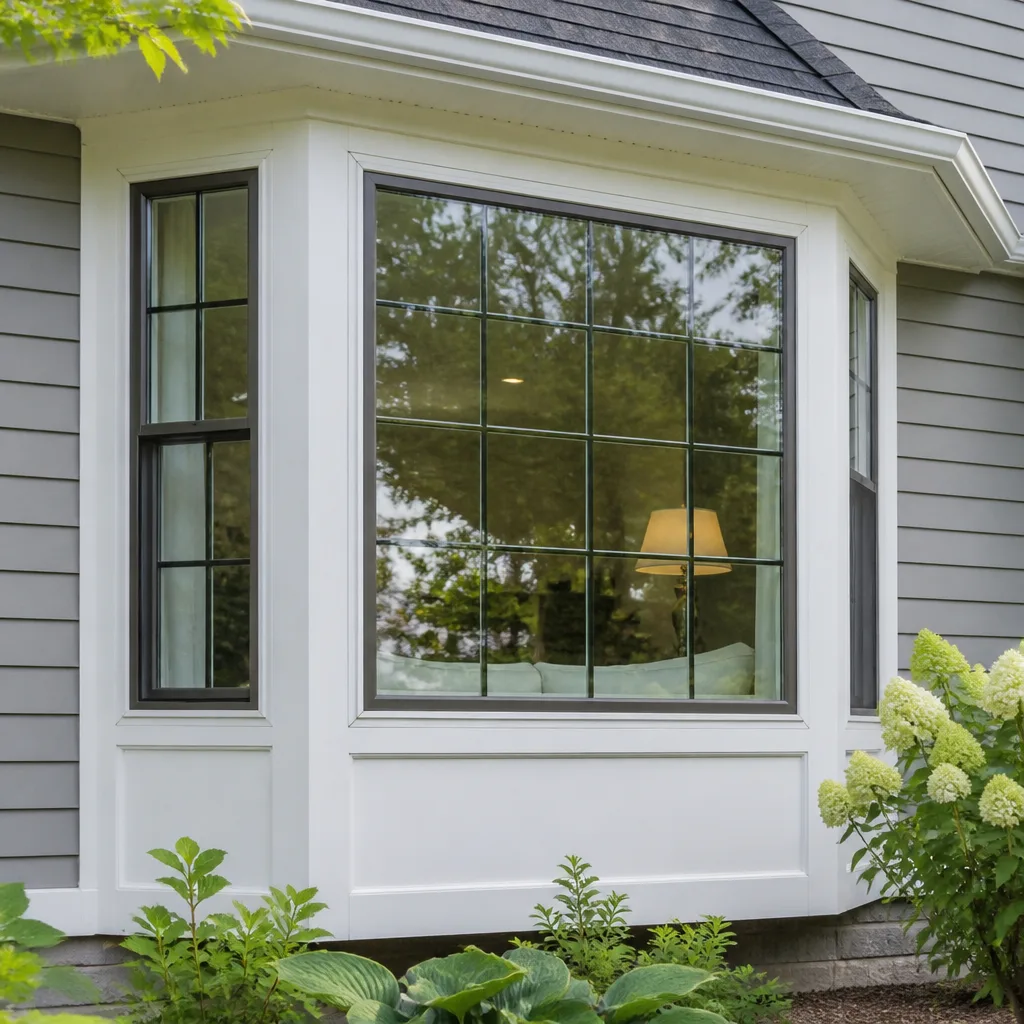 Bay & bow
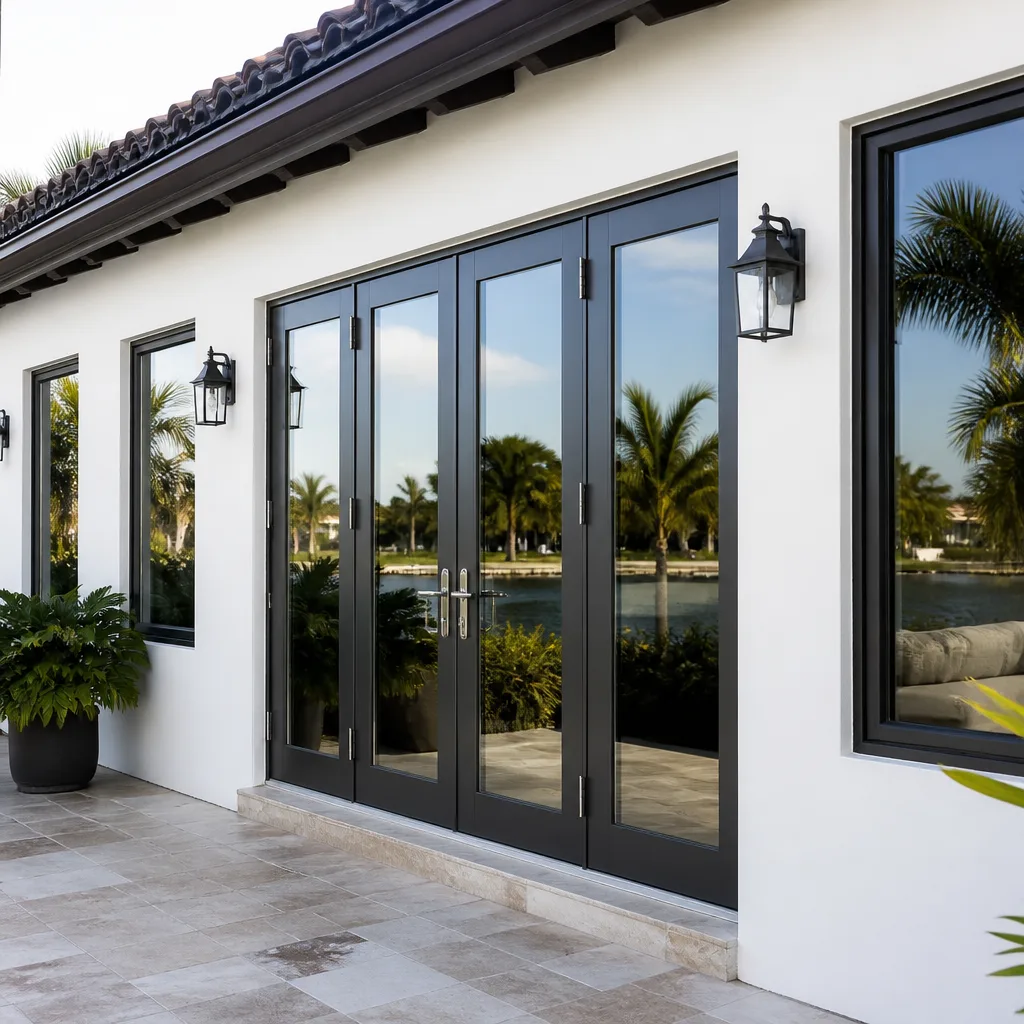
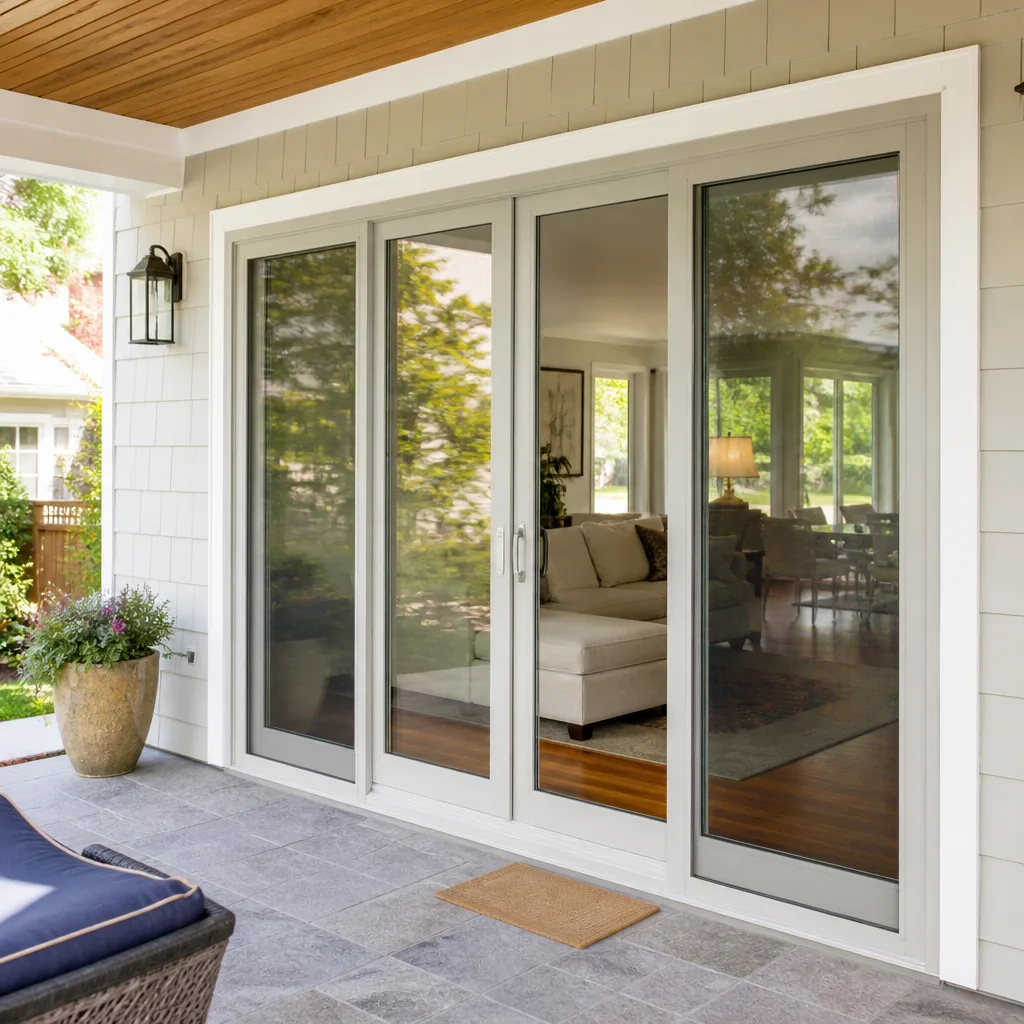 Sliding glass doors
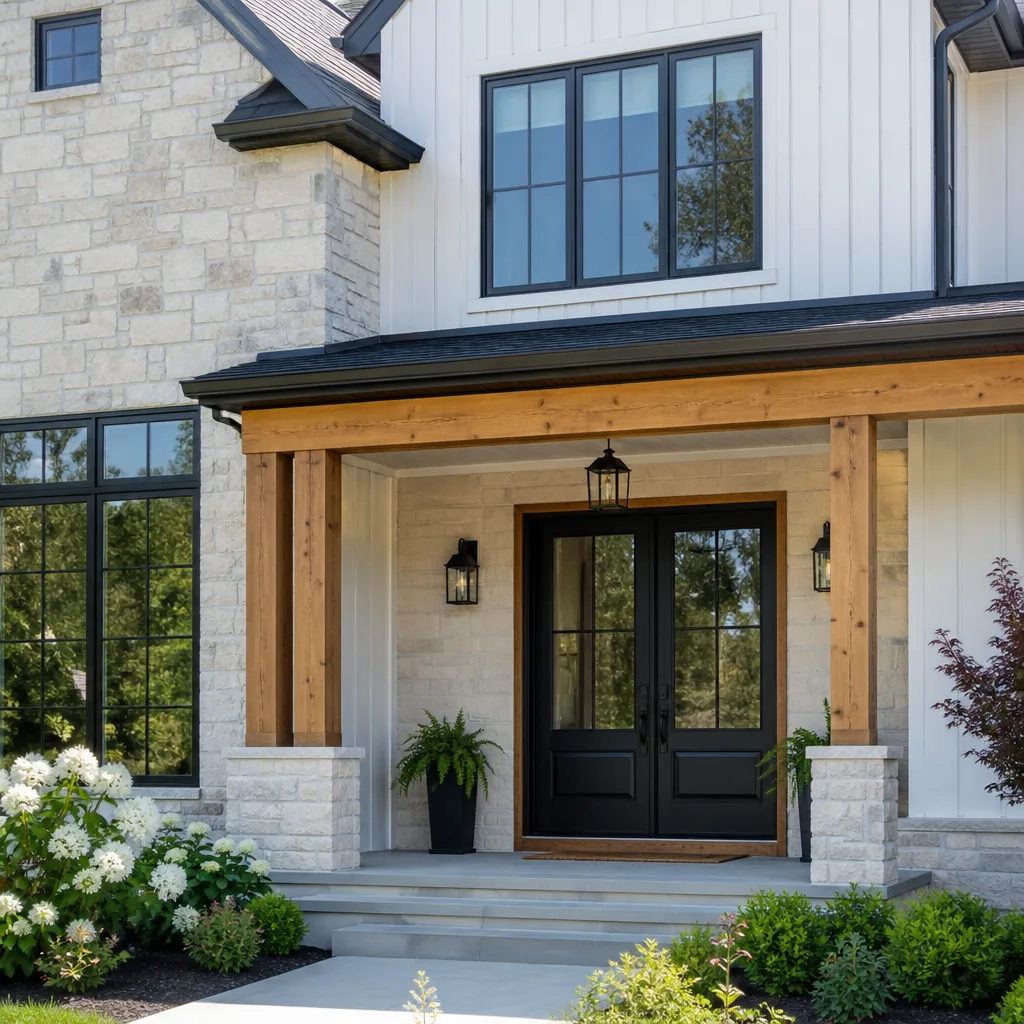
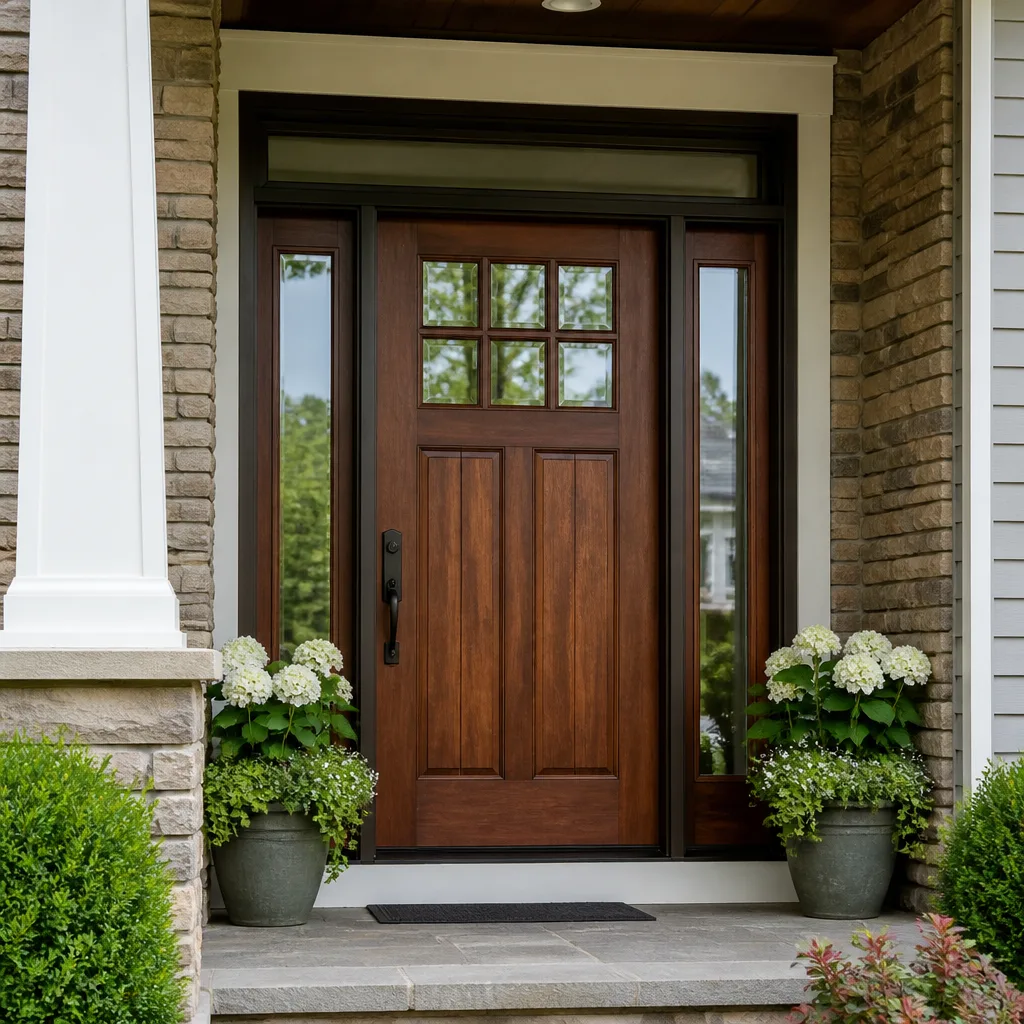 Entry doors
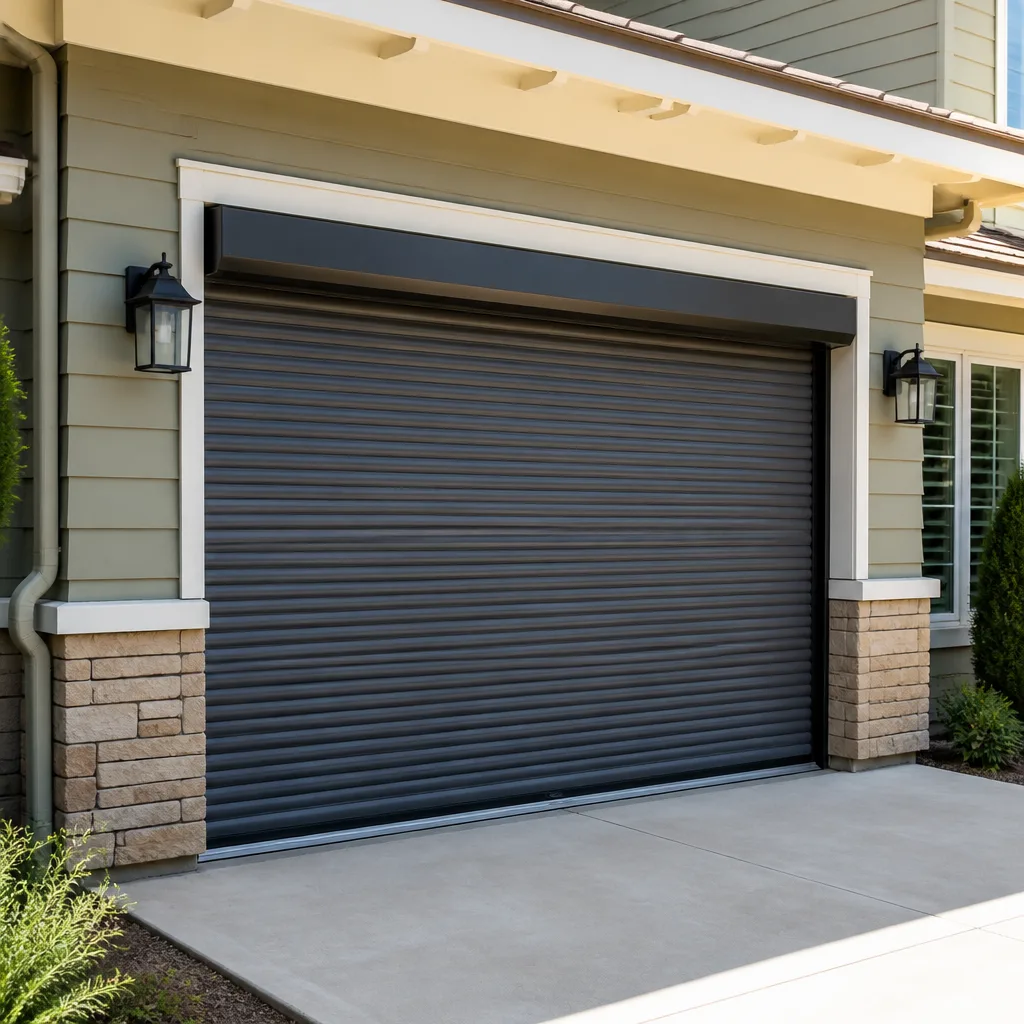
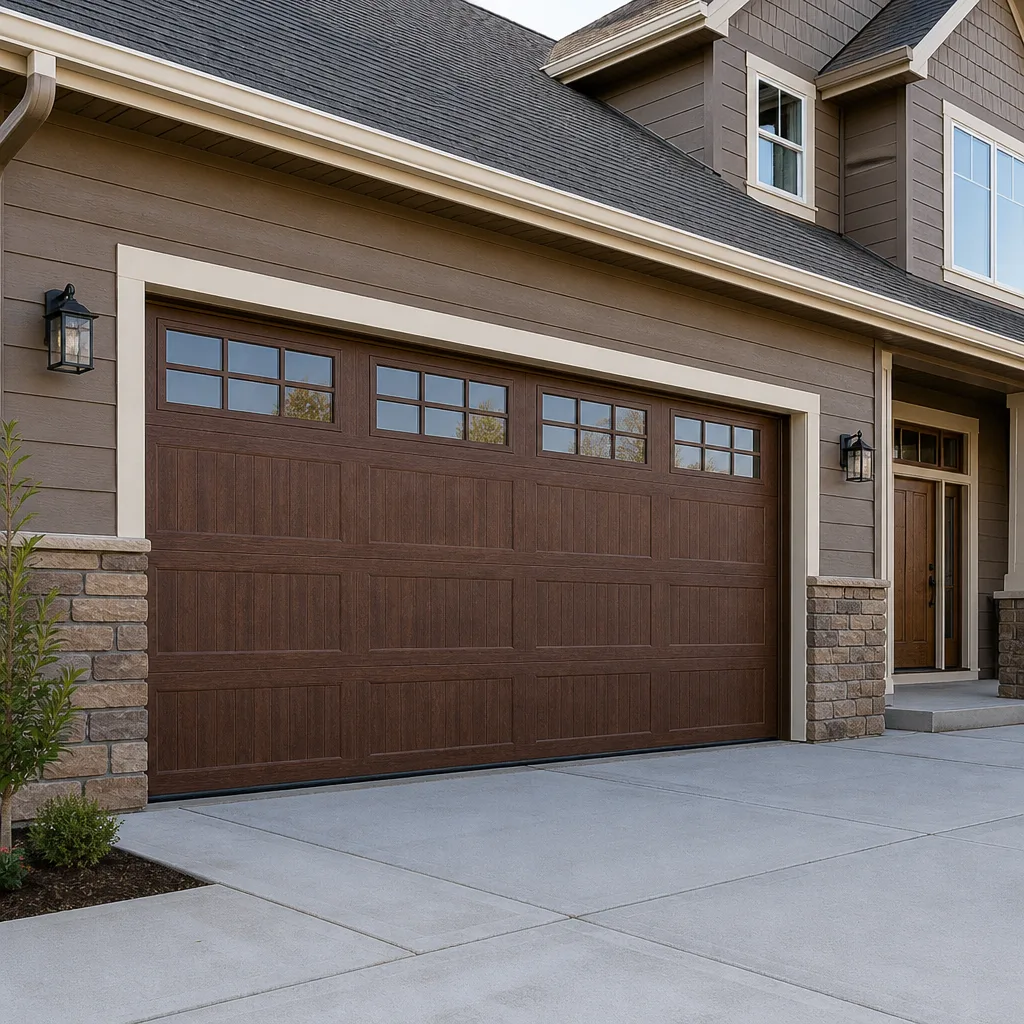 Impact garage doors
 PGT
 CGI
Free in-home measure and quote - PGT, CGI and CWS impact lines compared on your actual openings, style by style
Get your free estimateWindow Replacement Maintenance Checklist for North Las Vegas Homeowners
Vinyl frames in sustained 115°F exposure can expand up to 1/8 inch per linear foot. That means a window installed perfectly in February may bind, leak air, or stress its own glazing seal by July without a single installation error. In North Las Vegas, the sun does more damage to windows in one summer than a decade of weather does in milder climates. This guide is built backward from the failures we actually find in North Las Vegas homes: what to inspect, in what order, and what each finding really means before you call anyone. By the end you’ll be able to tell a contractor exactly what you saw, not just that something feels drafty.
Quick Answer
Walk your home’s west and southwest-facing windows first, checking for condensation between panes, binding sashes, and cracked weatherstripping. Test glazing seals yourself before paying for a service call. Then document every finding with photos and measurements so any replacement quote you receive is apples-to-apples. Most North Las Vegas window problems fall into a clear watch-and-wait or act-now category, and knowing which is which saves you money either way.
Styles & brands we work with
- Single hung
- Double hung
- Horizontal roller
- Casement
- Bay & bow
- Sliding glass doors
- Entry doors
- Impact garage doors
- PGT
- CGI
Table of Contents
- The Room-by-Room Inspection Sequence
- How to Test a Failed Glazing Seal Yourself
- Hardware That Fails Fastest in Desert Heat
- Watch-and-Wait vs. Act-Now: A Severity Framework
- The Pre-Replacement Documentation Checklist
- When to Schedule Maintenance in North Las Vegas
- Monsoon Season: What to Check Before July
The Room-by-Room Inspection Sequence
Not all windows in a North Las Vegas home age at the same rate. The sun here tracks high and hard, and the elevations that face west and southwest catch the worst of the late-afternoon load. Those are the windows where frames expand furthest, seals fail first, and interior blinds fade fastest. Start your inspection there and work clockwise through the house so you don’t lose track.
Here’s the order that works:
- West and southwest elevations first. These take the most sustained afternoon heat. Note any window where the frame feels warm to the touch from inside at 4 p.m. in July.
- South-facing windows next. High sun angle, steady UV exposure. Check for yellowed or brittle weatherstripping.
- East and north elevations last. These age slowest in North Las Vegas and often need nothing.
- Every sliding door track. Grit and dust collect in tracks faster here than anywhere else in the house, and a binding slider is a cheap fix caught early.
At each window, check four things: the sash operation, the weatherstripping, the glazing seal, and the caulk line where frame meets stucco. Stucco is the dominant exterior finish in North Las Vegas neighborhoods like Aliante and Centennial, and it cracks differently than wood or vinyl siding. A hairline crack at the corner of a window opening is normal thermal movement. A crack that widens by a quarter inch over one summer is worth a closer look.
Write down what you find room by room. A simple phone note with one line per window (“west bedroom, binds at top, weatherstrip cracked at latch”) is worth more than a memory when you call for a quote.
How to Test a Failed Glazing Seal Yourself
A failed glazing seal is the most common window problem we see in North Las Vegas, and it’s also the one homeowners most often misdiagnose. The tell is condensation between the panes, not on the glass. Fog, streaks, or a milky haze trapped inside a double-pane unit means the seal has broken and the insulating gas has escaped. That’s a different problem from condensation on the room-side surface, which is usually just a humidity difference and needs no repair.
Here’s how to tell them apart without a service call:
- Wipe the glass. If the moisture clears, it’s on the inside surface. That’s not a seal failure.
- Look at the edges. Condensation that hugs the spacer bar and never wipes away is trapped inside the unit.
- Check the time of day. Interior fog that appears only on cold mornings and clears by noon may be a room-humidity issue. Constant fog that never clears, especially after a hot day, points to a broken seal.
- Look for a mirror effect. A failing unit sometimes reflects differently than its neighbor in the same wall. Stand back and compare two windows side by side.
Once a seal fails, the window loses most of its insulating value. In a North Las Vegas summer, a fogged west-facing unit can push interior glass temperatures noticeably higher and force your air conditioner to work harder all afternoon. A single failed unit is often worth replacing on its own. Two or three on the same elevation usually means the whole run was installed at the same time and the rest are close behind. That’s when a full window replacement in North Las Vegas tends to make more financial sense than piecemeal repair.
Hardware That Fails Fastest in Desert Heat
Metal expands in heat. Plastic gets brittle. Lubricant dries out. That combination wears window hardware faster in North Las Vegas than in almost any other climate, and the failure shows up in specific places.
Casement and awning operators. The crank mechanism on a casement window is the first thing to fail. The symptom is a handle that turns with resistance and then suddenly spins free, or a sash that opens a few inches and stops. The gear teeth inside the operator strip after a few summers of thermal expansion. This is a replaceable part on most quality units, including PGT and ViewLux products, and replacing the operator is far cheaper than replacing the window.
Locks and latches. A lock that no longer engages cleanly is often a sign the sash has shifted in its frame from heat expansion, not that the lock itself is broken. If the lock engages when you lift the sash slightly but misses otherwise, the frame is out of square and the hardware is fine. If the lock feels loose or the strike plate shows wear, the hardware needs attention.
Balance rods and spiral balances on single-hung and double-hung windows. These are the spring mechanisms that hold a sash up. In desert heat they lose tension. The failure feels like a sash that won’t stay up, or one that slams down when you let go. A balance that’s lost tension is a safety concern with small children in the house, and it’s a straightforward replacement.
Weatherstripping and sweep seals. This is the cheapest failure and the most overlooked. The pile or bulb seal around a sash compresses and hardens with UV exposure. A seal that feels crunchy or crumbles when you rub it is done. Replacing weatherstripping on a handful of windows is a modest maintenance cost and restores a surprising amount of draft resistance.
We keep Mr-Glass and Therma-Tru hardware on hand for exactly these fixes, which is why we can often resolve a hardware problem in a single visit.
Watch-and-Wait vs. Act-Now: A Severity Framework
Every finding on your inspection has a severity, and the framework comes down to three questions: is it costing you energy, is it a safety risk, or is water getting in? If the answer to all three is no, it’s a watch-and-wait. If any single answer is yes, it’s an act-now.
Watch-and-wait items:
- Minor condensation on the room-side glass on cold mornings.
- A single small crack in the caulk line at a stucco corner.
- One window with a slightly stiff sash in the cooler months that frees up in summer.
- Faded or brittle weatherstripping on an east-facing window with no draft.
Act-now items:
- Energy cost: visible fog or condensation trapped between panes, especially on west-facing units. You’re paying to cool air that the window isn’t holding.
- Safety: a balance rod that won’t hold a sash up, or a window that won’t fully close and latch on a lower floor. In a home with kids, that’s a fall risk and a security gap.
- Water intrusion: any sign of moisture on the interior drywall or sill after rain, or a visibly separated caulk line. Water in the wall cavity in a North Las Vegas summer is a fast path to mold and rot.
When you call for a quote, report the severity you’ve identified. “The west bedroom window has fog between the panes and it’s been there since spring” gets you a more accurate price than “the window has some fog.” We answer the phone 24/7 with a real person, so a question at 9 p.m. after a monsoon storm doesn’t wait until morning.
The Pre-Replacement Documentation Checklist
If your inspection points toward replacement, the work now is documentation. A quote given over the phone without measurements or photos is not a quote, it’s a guess, and the guess tends to grow once the crew is on site. Prepare these before you call anyone.
- Measure each opening. Width and height, inside the frame, to the nearest quarter inch. Note the type: single-hung, double-hung, casement, slider, fixed.
- Photograph each window from inside and outside. A wide shot of the room and a close-up of the failed seal or hardware.
- Note the elevation. Label each photo “west bedroom” or “south slider.” This is how a contractor judges which units were heat-stressed.
- Note the frame material and color. Vinyl, aluminum, wood, or fiberglass, and the interior and exterior finish.
- Write down what matters to you. Noise reduction, energy savings, ease of cleaning, or the look from the street. Each of these changes the recommendation.
Walk the room with the contractor and confirm the price covers removal, disposal, installation, and disposal of old units, interior trim, exterior caulking, and any stucco repair. A written price before any work starts, every time, is our standing rule, and it’s the only way to compare two quotes fairly. The window installation in North Las Vegas page explains how the install process works once the quote is signed.
When to Schedule Maintenance in North Las Vegas
Timing matters more here than in most places because of the heat swing. The best window maintenance window in North Las Vegas is late spring, before the first sustained 100°F days, and again in October, when the overnight lows drop and the monsoon threat is past.
Spring is when you want to check and service operators, locks, and weatherstripping, because it’s the last chance before the frames start their annual expansion. Fall is when you inspect the seal lines and caulking after a full summer of thermal cycling. Small October findings become big June problems if you skip them.
If a window needs replacement rather than repair, book the estimate in the fall or winter. October through March is the easiest time for install crews to work without fighting 110°F heat, and your new seals get their first full set of summer expansion cycles starting from a clean installation. Call for a free estimate in Lightwell Windows & Doors North Las Vegas territory early in the season so the work is done on a comfortable schedule, not a rushed one.
Monsoon Season: What to Check Before July
North Las Vegas gets its moisture in bursts. The summer monsoon pushes heavy rain and wind fast enough to find every weak point in a window assembly, and a window that’s sealed fine in June can leak in a July downpour. The checks below are worth doing in late June.
- Slide your hand around the interior perimeter of each window during a heavy rain. A cool, damp feeling at the frame edge means water is getting past the exterior seal.
- Look at the caulk line above every window on the exterior. Horizontal runs above openings catch water. Any gap or lifting caulk is a monsoon leak waiting to happen.
- Stand water in the track of each sliding door. If it drains slowly or backs up inside, the weep holes are clogged with dust and grit. Clearing them takes a minute.
- Test every latch before the first big storm. A window that won’t latch tight will vibrate in wind and let driven rain past the seal.
If a window leaks during a monsoon, dry the interior immediately and don’t caulk over the wet spot. Call a professional to find the actual entry point. Interior water damage that sits in a North Las Vegas wall cavity over a hot August is a much bigger repair than the window fix itself.
Common Mistakes to Avoid
- Caulking over wet or dirty surfaces. Caulk won’t bond to dust or moisture, and in North Las Vegas dust is everywhere. The repair fails within a season.
- Replacing one failed unit when the whole elevation was installed together. If three windows on the same west wall fogged at once, the rest are on the same clock. Check before you spend piecemeal.
- Assuming interior condensation means a broken seal. Room-side moisture is usually humidity, not a seal failure. Wipe the glass before you call.
- Ignoring a balance rod that won’t hold the sash. In a home with young kids, a sash that slams is a safety issue, not a nuisance.
- Painting vinyl frames. Paint traps heat and accelerates frame expansion. Vinyl colors in North Las Vegas homes fade to a stable tone; painting over them makes the problem worse.
- Accepting a price by phone without measurements. A number without measurements is a guess, and the final invoice rarely matches it.
- Choosing a replacement window by brand loyalty instead of elevation and need. An east-facing unit and a west-facing monsoon-exposed unit need different products. The recommendation should fit the wall.
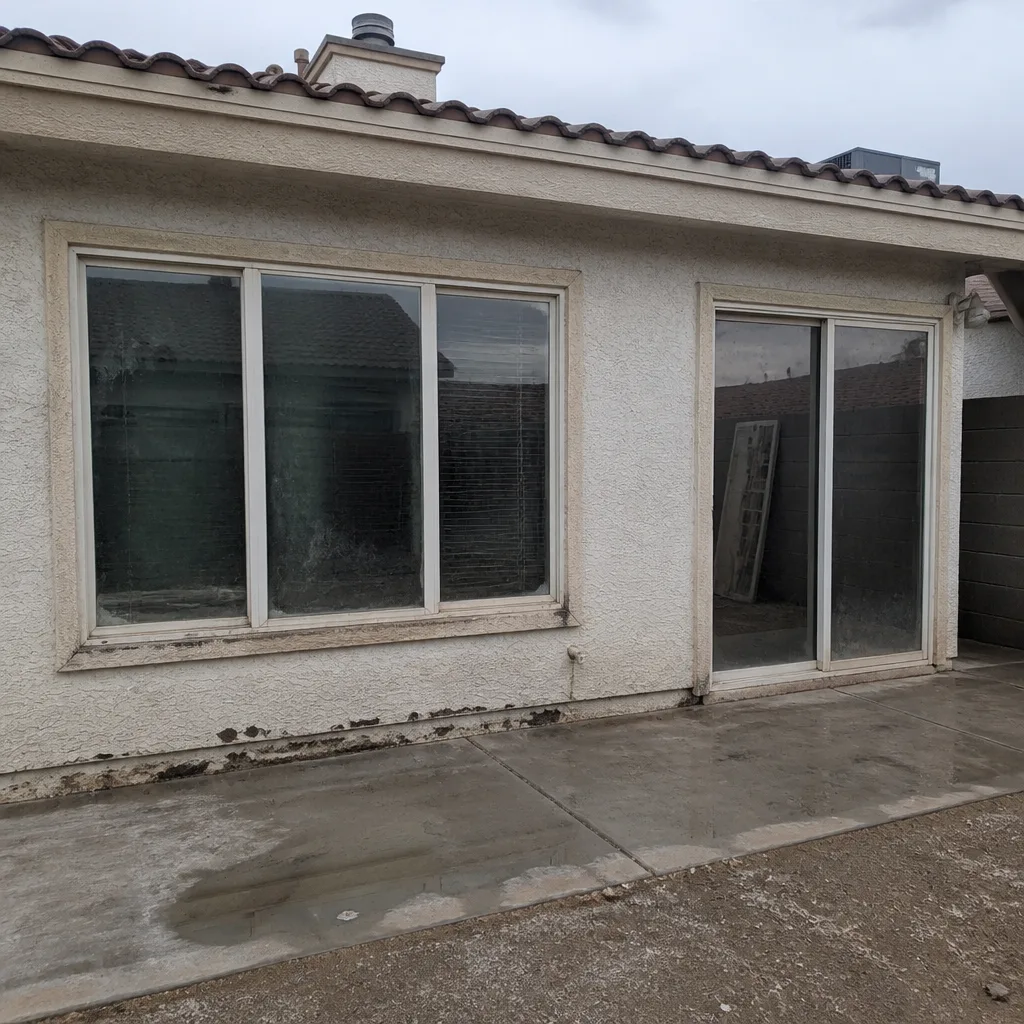
See the difference
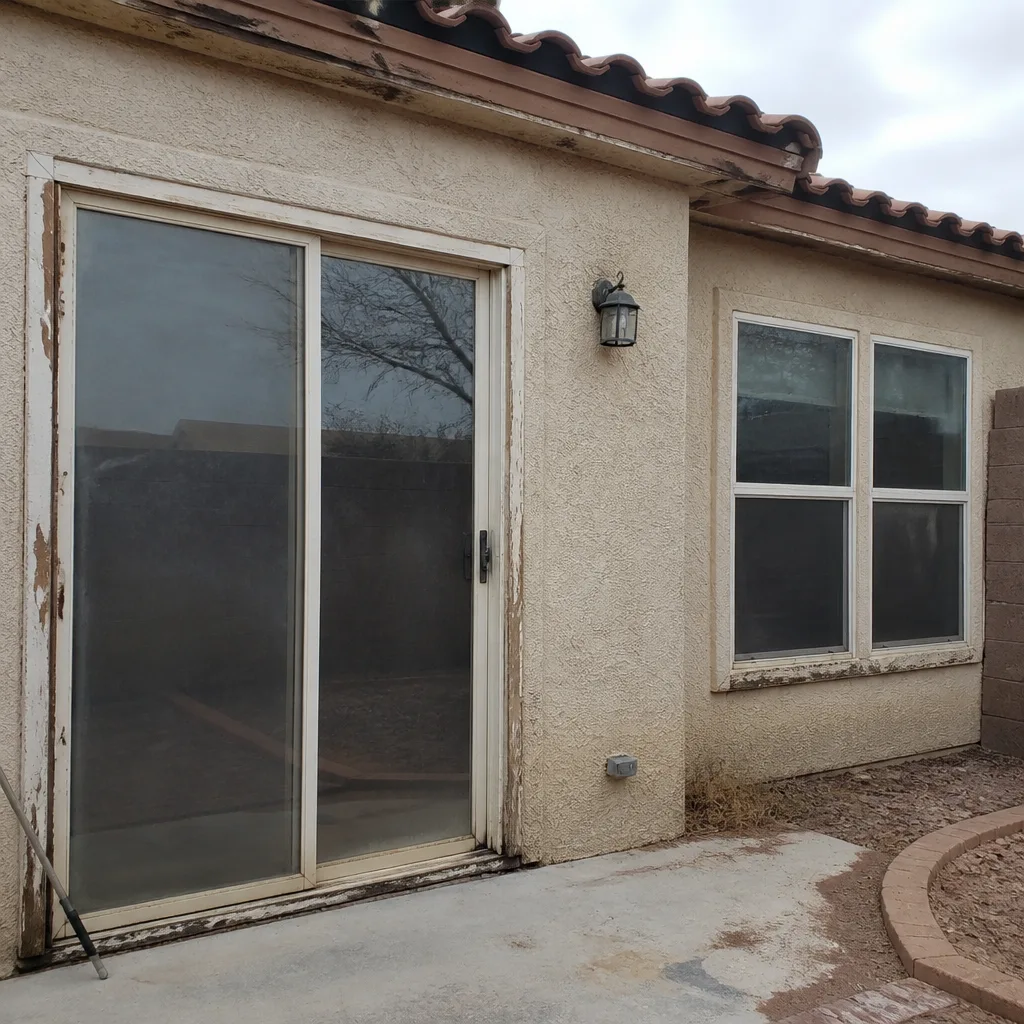 Before
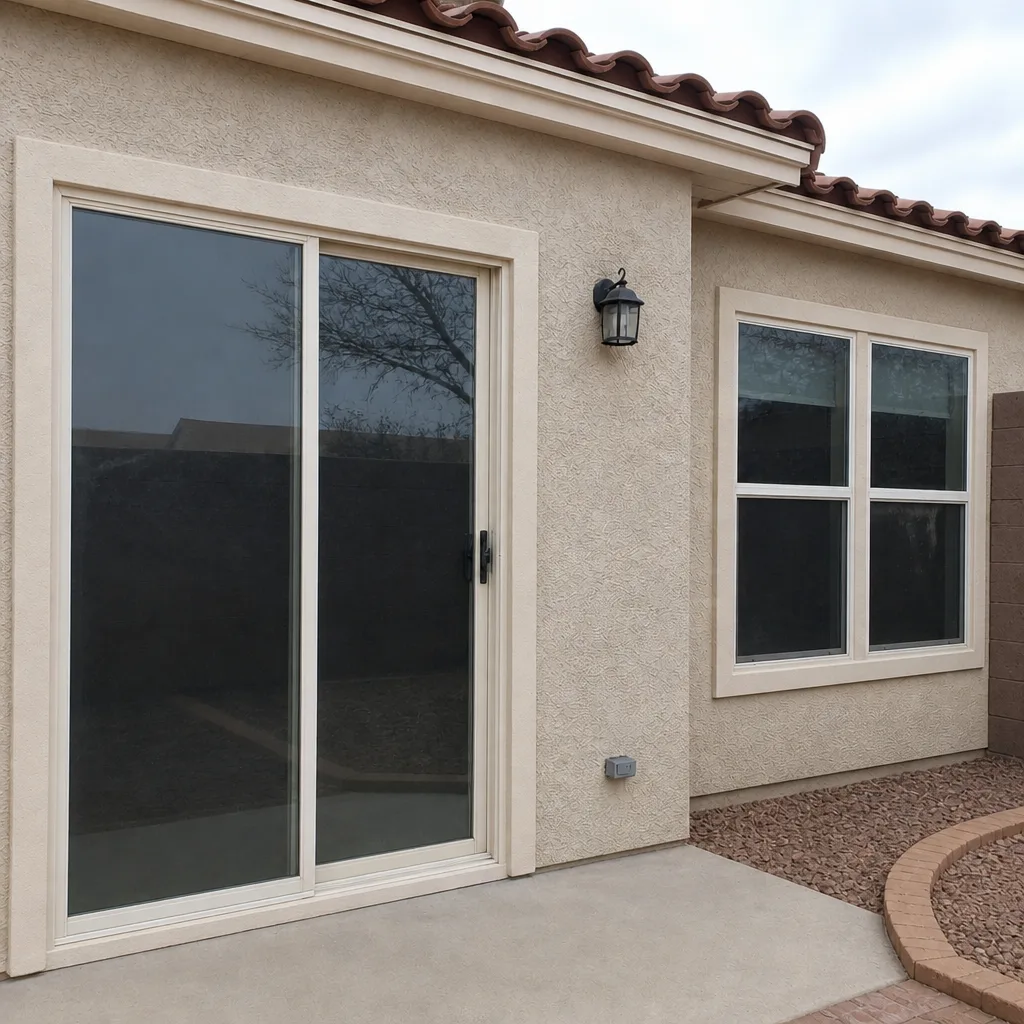 After
 Before
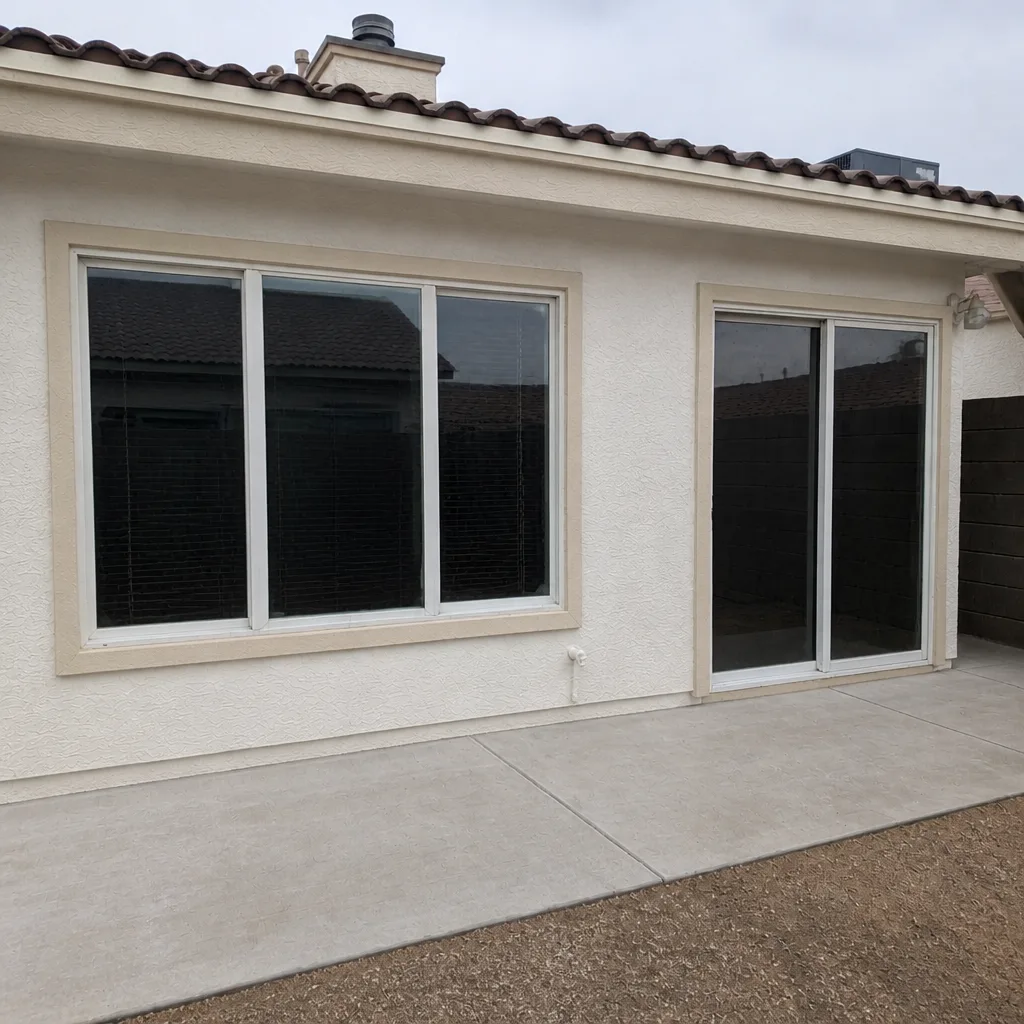 After
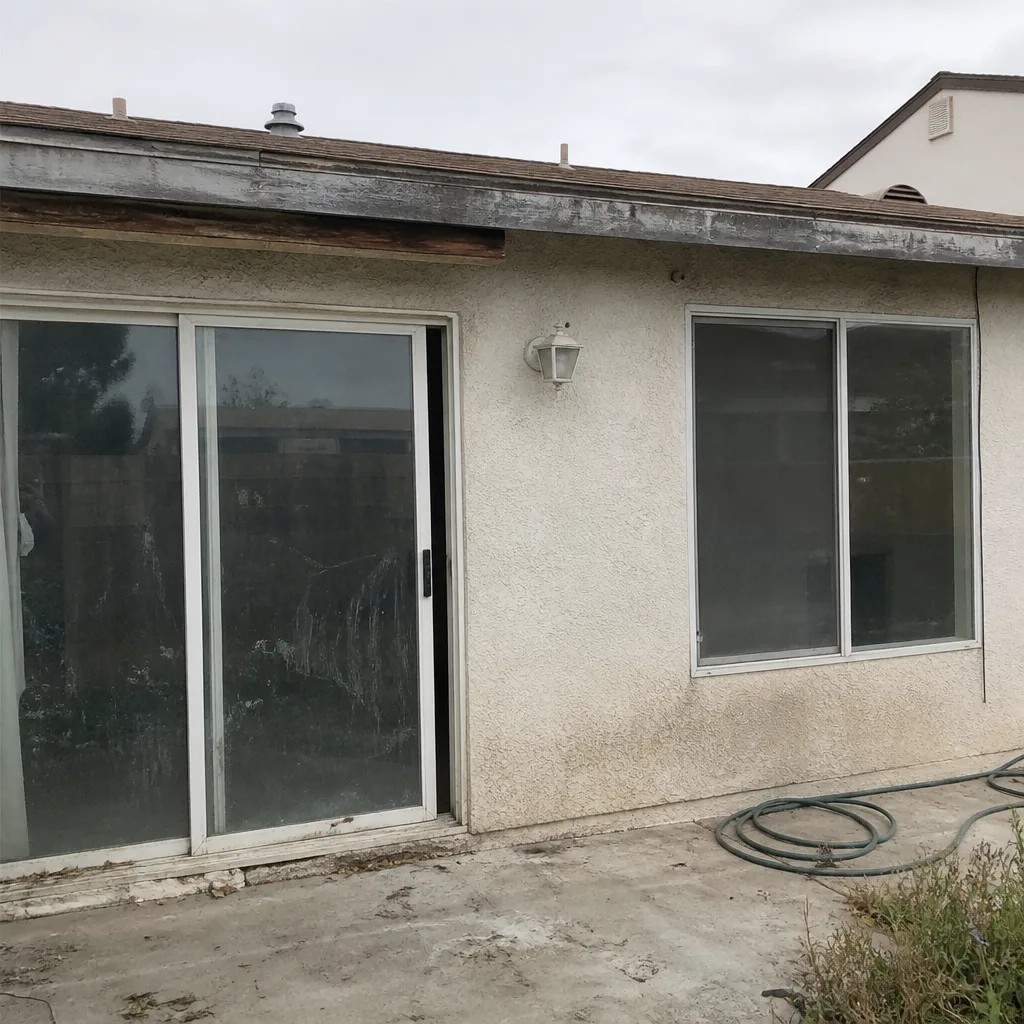 Before
 After
When to Call a Professional
Most of this checklist is safe for you to do yourself. Call a professional when you hit any of these: visible fog between panes on a west-facing unit, a balance rod that won’t hold a sash, water appearing on interior drywall after rain, a window that won’t latch on a lower floor, or a caulk gap you can’t safely reach from the ground. If you’re on a second story or higher, don’t get on a ladder to check exterior seals. Height work is worth handing to a trained technician.
Lightwell Windows & Doors North Las Vegas offers free estimates in North Las Vegas and the surrounding area. We’re part of the Cedarwell network, independently owned and operated, with technicians who have up to 16 years of experience. Call (877) 317-4920 to schedule a free estimate. A live person answers 24/7, and every price is written before any work starts. The door installation in North Las Vegas page covers the matching work on exterior doors if your inspection turns up drafts at the entries too.
Frequently Asked Questions
Twice a year: once in late spring before the first sustained 100°F days, and once in October after the monsoon season. That twice-yearly rhythm catches most failures while they’re still cheap fixes. Homeowners with west-facing windows in North Las Vegas should add a third quick check in July.
Most single-window replacements in North Las Vegas run between roughly $450 and $1,200 per opening depending on size, frame material, and glass package; whole-home replacements typically fall between $6,000 and $18,000. A written quote after measurement is the only reliable number. Call (877) 317-4920 for a free estimate and an exact price.
Yes, if it doesn’t wipe away from inside. Fog trapped between two panes means the sealed unit has lost its insulating gas, and that unit no longer provides its rated efficiency. Wipe the glass first, and if the fog stays, the seal is broken. A single failed unit can often be replaced without doing the whole window.
No. The sealed glass unit is a factory assembly, not something you can rebuild in place. Repair kits that claim to reseal failed units don’t restore the insulating gas, and the fog usually returns within a season. Have the unit replaced by a professional.
Not with us. Our written price before any work starts is a standing rule, and it stays the price. We walk the job with you up front, list what’s included in writing, and hold to that number. If unexpected conditions come up, we tell you before we touch anything.
In most residential like-for-like replacements in North Las Vegas, permits aren’t required when the opening size and type stay the same. Larger changes, new openings, or structural alterations do require permits. Check with the city before any work that changes the opening, and ask your contractor to confirm.
The Bottom Line
North Las Vegas windows age on a heat clock, and the checklist above tracks it. Start with the west and southwest elevations because that’s where the sun does the most work. Test glazing seals yourself before buying a service call. Categorize every finding as watch-and-wait or act-now based on energy cost, safety, and water intrusion. When replacement is the answer, document each opening with measurements and photos so every quote is comparable. Late spring and October are the right times to schedule the work, and monsoon prep in June catches the leaks before they do real damage. Whatever your inspection turns up, the next step is an estimate, and the price is written before anyone starts.
Written by the team at Lightwell Windows & Doors North Las Vegas.
Six Reasons Homeowners Choose Lightwell Windows & Doors North Las Vegas
Laminated glass and reinforced frames hold up to wind-driven rain, hail and flying debris, so your openings stay sealed when the weather turns.
Low-E insulated impact glass from our manufacturer lines commonly cuts monthly cooling bills 20-30%.
Laminated impact glass shuts out up to 40% of outside noise - traffic, neighbors, weather.
Monitoring services run $30-90 a month. Laminated impact glass resists forced entry around the clock, with no subscription.
Tighter seals and insulated glass even out hot and cold rooms and stop the drafts at the frame.
A full impact package upgrades curb appeal, buyer confidence and appraised value in one project.