

Last updated November 18, 2026
 Sliding glass doors
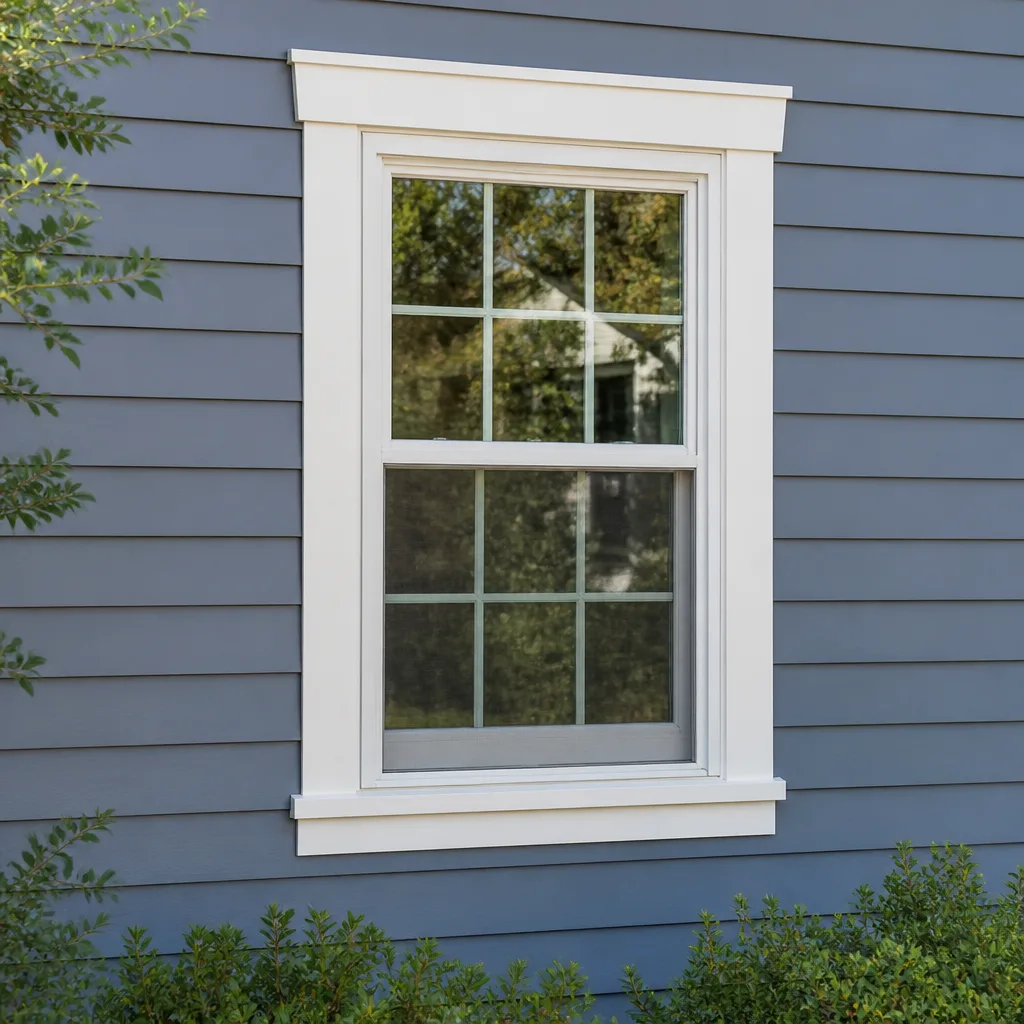 Single hung
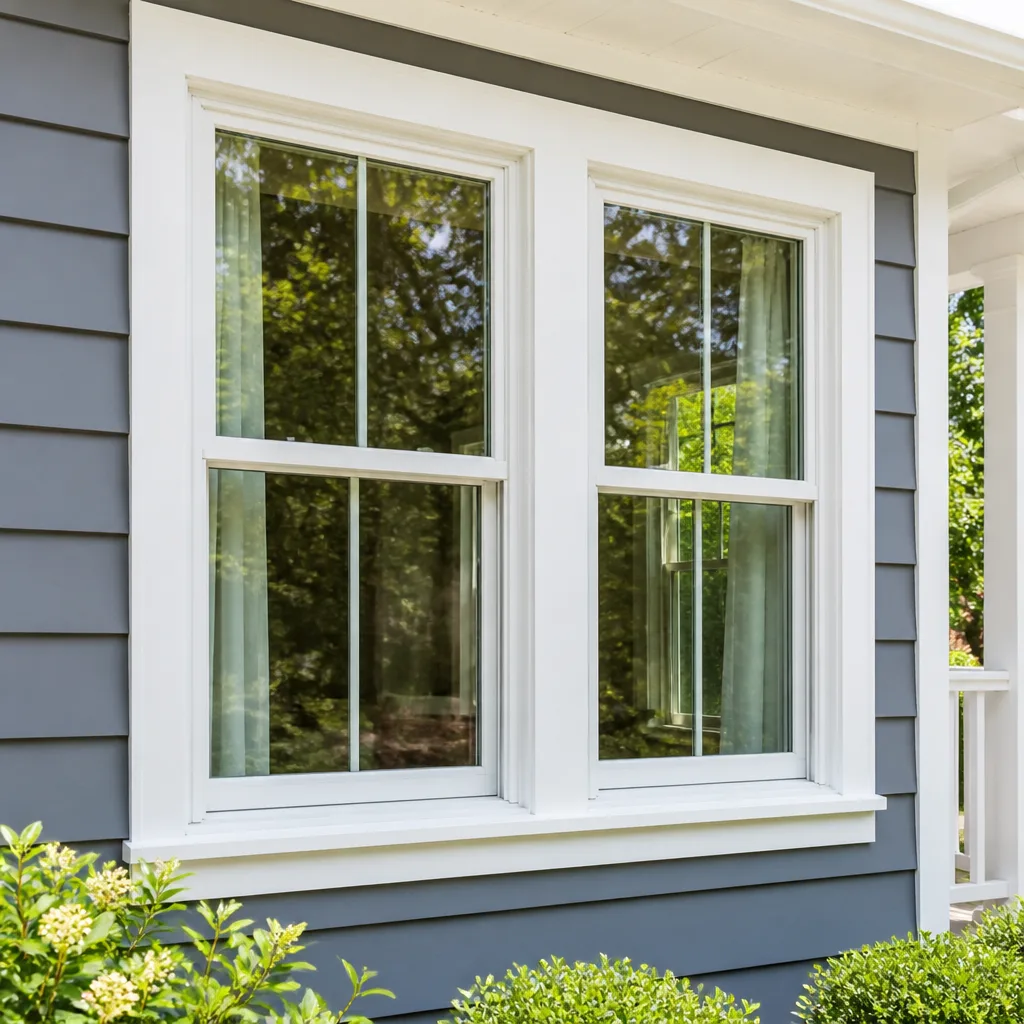 Double hung
 Horizontal roller
 Casement
 Bay & bow
 Entry doors
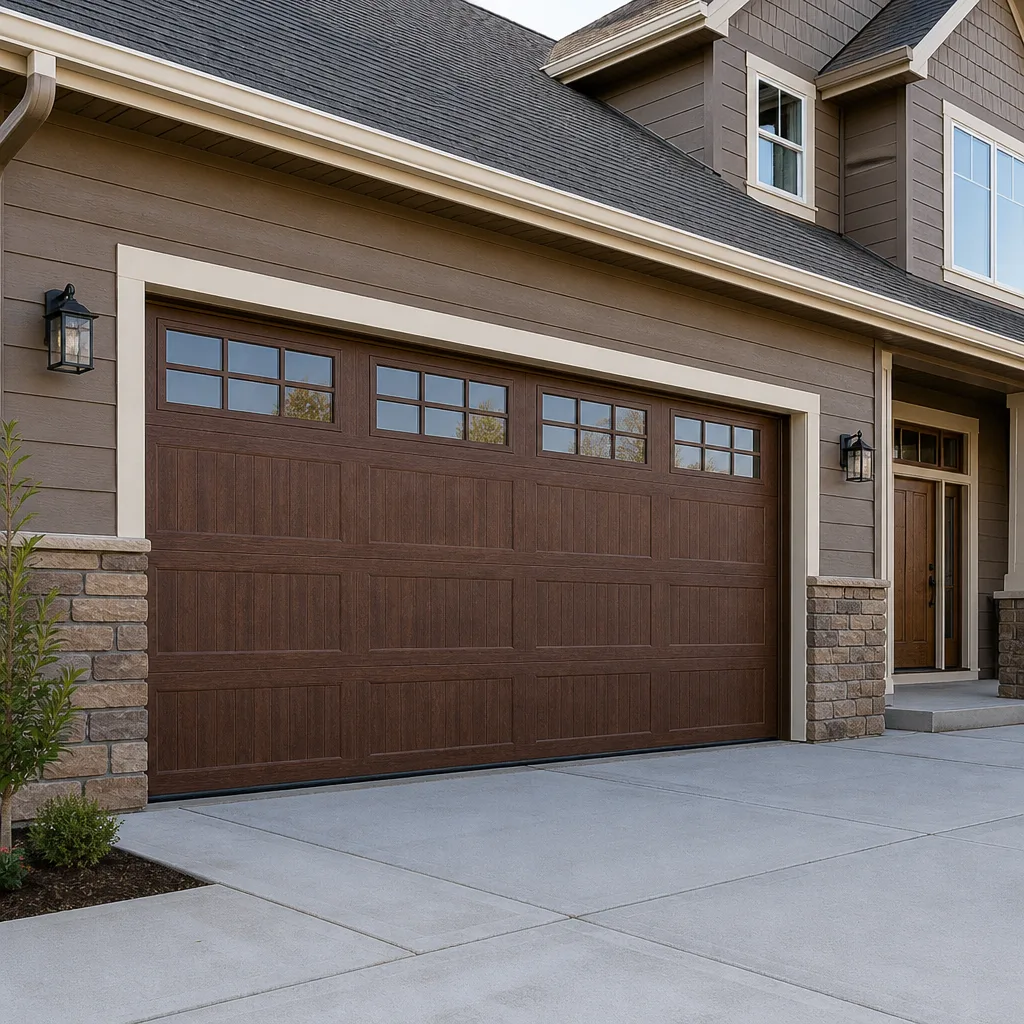 Impact garage doors
 PGT
 CGI
Free in-home measure and quote - PGT, CGI and CWS impact lines compared on your actual openings, style by style
Get your free estimateSeasonal Windows & Doors Care for North Las Vegas: Year-Round Homeowner’s Guide
January in North Las Vegas can drop to 28°F overnight while July peaks above 115°F. That’s an 87-degree swing cycling through vinyl, aluminum, and fiberglass frames all year, and most manufacturer warranties weren’t written with that kind of range in mind. The real seasonal divisions here aren’t spring, summer, fall, and winter the way coastal cities draw them. They’re haboob season, peak cooling load, the short January freeze window, and the spring wind corridor. This guide lays out what each one demands from your windows and doors, month by month, so yours last 20 years instead of 12.
Quick Answer
In North Las Vegas, window and door care follows four climate events rather than four calendar seasons: spring wind and dust (March – May), peak heat and UV (June – September), monsoon and haboob season (July – September), and the brief overnight freeze window (December – January). Each one calls for different tasks – track cleaning and weatherstripping checks before wind season, seal and glass inspection before heat peaks, post-storm inspection after dust events, and condensation checks during the cold snaps. Skipping any of them shortens the life of seals, weatherstripping, and frame finishes.
Styles & brands we work with
- Single hung
- Double hung
- Horizontal roller
- Casement
- Bay & bow
- Sliding glass doors
- Entry doors
- Impact garage doors
- PGT
- CGI
Table of Contents
- Month-by-Month Care Calendar for North Las Vegas
- Spring Wind Corridor: Prepping Doors and Windows for Dust Season
- Sliding Glass and Patio Door Prep: Tracks, Rollers, and Debris Seals
- Weatherstripping and Sill Seals That Survive Desert UV
- Peak Cooling Load: What to Check Before July
- The January Freeze Window and Condensation Clues
- Post-Haboob Inspection: Cosmetic vs. Structural Damage
- Common Mistakes to Avoid
- When to Call a Professional
- Frequently Asked Questions
Month-by-Month Care Calendar for North Las Vegas
Generic “spring and fall maintenance” advice doesn’t fit North Las Vegas. The tasks that matter map to specific weather events, and the timing shifts depending on which side of the valley you’re on. In the Aliante and Eldorado neighborhoods up north, wind exposure runs higher and dust settles faster. Down near Craig Ranch and the older sections of downtown, homes tend to face more intense reflected heat from close-set streets and low shade.
Here’s the calendar we walk homeowners through:
- January: Check for interior condensation on glass edges during cold nights. Inspect door sweeps for gaps. Test the seal on any door facing north, where overnight lows hit hardest.
- February: Inspect caulk lines around exterior frames. Winter and early spring are the best time for re-caulking before heat bakes it on.
- March – April: Clean window and door tracks thoroughly. Check weatherstripping for cracking. Test sliding door rollers for smooth travel.
- May: Pre-summer inspection: glass seals, frame-to-wall joints, screens for tears or sagging.
- June: Verify that door closers, hinges, and locks operate freely. Heat causes metal to expand and stick.
- July – September: After every haboob or dust event, inspect sills and tracks for grit that has worked its way in. Follow with a light vacuum and a damp wipe.
- October: Full seasonal inspection before temperatures drop. Check caulk and weatherstripping again.
- November – December: Test door and window seals before the freeze window. Check sliding door tracks one more time for debris accumulation from fall winds.
This is the calendar we use for North Las Vegas homes specifically. Coastal cities stretch these tasks across a gentler cycle – here, the wind and dust events compress the schedule. A homeowner who cleans tracks once a year will find grit grinding into rollers by the second spring.
Spring Wind Corridor: Prepping Doors and Windows for Dust Season
North Las Vegas sits in a wind corridor that funnels dust and grit through the valley each spring. Sustained winds of 25 – 40 mph are common in March and April, and gusts can push fine sand into window and door tracks within hours. That grit is abrasive. Left in place, it works into roller bearings and weatherstripping fibers and wears them down faster than any summer heat.
Here’s the sequence we recommend before wind season:
- Vacuum every window and door track with a narrow nozzle. Use a brush attachment for corners where a vacuum can’t reach.
- Wipe tracks with a damp microfiber cloth, then dry completely. Moisture left in a track combined with dust creates a paste that’s harder to remove later.
- Inspect weatherstripping along all four sides of doors and window sashes. Look for cracking, compression set, or gaps you can see daylight through.
- Check sill seals on exterior doors. A worn sill seal lets dust in at the bottom, which is the entry point most homeowners miss.
- Examine screens for tears, sagging, or pulled frames. A loose screen flexes in strong wind and can whip against the glass.
- Test door latches and locks. A door that closes loosely will rattle in high wind and wear the strike plate faster.
Wind season is also when we get calls about doors that suddenly stick or don’t latch. Most of those turn out to be grit in the threshold or a weatherstrip that’s compressed past its working range. Neither is a door problem – it’s a maintenance gap. When a door or window has aged past what maintenance can fix, door installation in North Las Vegas becomes the honest conversation to have.
Sliding Glass and Patio Door Prep: Tracks, Rollers, and Debris Seals
Sliding glass doors take more punishment in North Las Vegas than any other opening in the house. They’re the widest passage for dust, the biggest single pane of glass catching afternoon sun, and the heaviest moving part in most homes. We see sliding door failure more often than any other window or door issue in the valley.
The cleaning sequence matters. Doing it in the wrong order pushes grit into the rollers instead of clearing it out:
- Vacuum first, before anything wet. A wet wipe on a dry, gritty track grinds sand into the roller track like sandpaper.
- Lift out any debris seal or sweep flap at the bottom edge of the sliding panel. These thin rubber or brush seals collect the most grit and are the first component to wear out.
- Clean the track channels with a stiff brush and vacuum again. Use a mild soap solution, not oil-based cleaners – oil attracts dust.
- Inspect the rollers. Lift the door slightly (if the panel is light enough) or check by feel. Rollers should spin freely. If they drag, catch, or feel flat, they need replacement.
- Check the debris seal for cracking or loss of flexibility. A hardened seal no longer blocks dust and should be replaced.
- Adjust roller height if the door drags at the bottom or won’t lock. A quarter-turn on the adjustment screw is usually enough. Over-adjusting will cause the panel to bind.
- Lubricate the rollers with a dry silicone spray, never oil or grease. Silicone won’t hold dust; oil will.
Patio doors that face west or south catch the brunt of both sun and wind and tend to fail first. When the frame or glass itself is compromised rather than just the hardware, the conversation shifts to window installation in North Las Vegas rather than adjustment. We’ve seen Therma-Tru entry systems hold up particularly well in these conditions when the installation was done right from the start.
Weatherstripping and Sill Seals That Survive Desert UV
The foam weatherstripping sold at big-box stores typically lasts one to two summers in North Las Vegas. UV exposure breaks down the closed-cell foam structure and it crumbles. We’ve pulled strips off doors that were installed in spring and were brittle by the following August.
What holds up better here:
- EPDM rubber weatherstripping: EPDM (ethylene propylene diene monomer) resists UV degradation far better than foam tape. It stays flexible through both the 115°F summer peaks and the 28°F winter lows.
- Silicone weatherstripping: The most UV-resistant option, though it costs more. Good for door sweeps and thresholds where the strip takes direct sun.
- Pile weatherstripping with silicone-treated fibers: The right choice for sliding doors, where a brush pile seal keeps dust out without binding the panel.
- Polyurethane caulk for sill seals: Standard latex caulk shrinks and cracks under desert sun within a season or two. Polyurethane caulk has more elasticity and better UV resistance.
Sill seals on exterior doors need specific attention because they sit at the bottom of the door, exactly where dust accumulates and where rain during monsoon season pools. When a sill seal is compromised, water gets under the door and into the threshold, and that’s where rot starts.
If the existing weatherstrip channel is too narrow or damaged to accept a proper EPDM or silicone strip, the better answer is often a new door system. Brands like Therma-Tru build door frames with integrated weatherstrip channels designed to accept replacement seals. We also see strong results from ViewLux windows where the seal design accounts for high-UV environments. Whether you need a repair or a replacement, the Lightwell Windows & Doors North Las Vegas home page lays out the options. We give written pricing before any work starts on either.
Peak Cooling Load: What to Check Before July
July in North Las Vegas puts more stress on window glass and door frames than any other month. The average high hits 105°F and peaks frequently exceed 115°F. That heat doesn’t just feel hot – it expands metal frames, softens vinyl, and stresses the seal between the glass unit and its frame. Windows that held tight in April often show gaps by August.
What to check before peak heat sets in:
- Glass-to-frame seals. Run a fingernail gently around the inside edge of each window pane where glass meets frame. If the gasket or sealant is pulling away or feels soft, that’s a seal failure waiting to worsen under heat.
- Thermal breaks in aluminum frames. Aluminum doesn’t insulate – a thermal break is an internal polymer barrier that stops heat from conducting through the frame. Check for visible gaps or separation in that barrier. Breaks in the thermal break show up as hot spots you can feel from inside, even in the shade.
- Double-pane or IGU integrity. Fogging between panes is the classic sign of an IGU (insulated glass unit) seal failure, and it often appears during the first hot spell of the season. A failed unit doesn’t just look bad – it loses its insulating value, which means your AC runs harder in exactly the month when the electric bill is highest.
- Door frame joints. Check the corners of exterior door frames for gaps or cracking. Heat expansion pushes joints apart; a gap at the top corner is the first sign.
- Exterior caulk lines. Caulk that’s dry or cracking needs replacement before the heat bakes it hard. Check around frames where they meet stucco or siding.
A mid-June inspection catches seal problems before they peak, and it’s the cheapest time of year to deal with a glass unit that’s already fogging. A failed IGU replaced in spring costs less to address than one that fails in July and lets your cooling system run overtime for two months before you notice. For a bigger picture of when replacement makes more sense than repair, see window replacement in North Las Vegas.
The January Freeze Window and Condensation Clues
North Las Vegas averages a brief overnight freeze window each January – typically 10 to 15 nights when temperatures drop below 32°F and can touch 28°F. That’s short by most standards, but it’s exactly when condensation shows you problems in your frame’s thermal breaks that the summer masks.
When warm interior air meets a cold surface, condensation forms. Where it forms tells you something useful:
- Condensation at the very edge of the glass (the perimeter band, about an inch in from the frame): This is normal in cold weather if it’s brief and light. It clears when the sun hits.
- Condensation across the center of the glass: This usually means a failed IGU or a frame with poor insulating value. The center of a double-pane window should stay dry even in a hard freeze.
- Condensation between panes: That’s an IGU seal failure, plain and simple. There’s no drying it out – the unit needs replacement.
- Condensation on the interior surface of the frame itself: The frame is conducting cold air inward, which means the thermal break is compromised or absent. Vinyl frames in older homes are especially prone to this once they’ve been through enough summer heat cycles.
If your windows fog on the inside every January morning, that’s a direct read on the frame’s thermal performance. It’s also a useful benchmark for the rest of the year – a window that fogs heavily in January is a window that’s also leaking cooling in July. We’ve seen fiberglass frames like those from PGT handle this thermal cycling better than entry-level vinyl in the same exposure.
Severe exterior condensation on glass when the outside is cold is a different signal, and it usually points to excessive interior humidity rather than a window problem. Run bathroom and kitchen exhaust fans. The window is the messenger, not the cause.
Post-Haboob Inspection: Cosmetic vs. Structural Damage
A haboob is a dust storm wall that moves fast and can carry grit at 40+ mph. After one hits North Las Vegas, your windows and doors need an inspection – but not every issue needs a repair visit. Here’s how to tell what’s cosmetic and what’s serious.
Cosmetic (clean it, don’t call):
- Dust or fine grit on glass, frames, or sills. This is expected and cleans off with a damp cloth.
- Light dust in window tracks. Vacuum and wipe, then lubricate moving parts.
- Scuffing on door thresholds from grit carried inside.
Doesn’t need an emergency call but should be scheduled:
- Weatherstripping that’s been forced out of its channel or is visibly compressed.
- Screens with pulled or bent frames.
- Sliding door rollers that now grind after grit infiltration.
Call for inspection:
- Fogging or haze inside a double-pane window after a storm. This means the IGU seal has failed – the storm may have found an existing weak point rather than caused it fresh.
- Visible gaps where the frame meets the rough opening or wall. High wind can open the gap between the window frame and the surrounding wall assembly. That compromise affects water intrusion and air sealing, not just appearance.
- Water intrusion during or after a monsoon storm. If water came through around a frame, the frame-to-rough-opening sealant has failed.
- Doors that no longer close squarely. Wind pressure can shift a loose frame enough that the strike plate misaligns. A door that suddenly needs to be lifted or pushed to latch indicates the frame or its anchoring has moved.
- After the storm, look at each window from inside and outside. Check the glass for cracks or chips; check the frame-to-wall joint for gaps.
- Run your hand along the inside of each frame at the top and sides. Feel for air movement – that’s a seal gap.
- Open and close every exterior door and sliding panel. They should operate smoothly and latch easily. Any that don’t point to frame movement.
- Look for fogging between panes in the 24 – 48 hours after the storm. Seal failures often show up once the pressure equalizes.
- Vacuum and clean all tracks, then apply dry silicone spray to sliding hardware.
We also keep an eye on haboob damage in North Las Vegas neighborhoods because certain areas get hit harder. Homes in the northern parts of the city and near open desert edges catch more grit. After a major dust event, the inspection sequence above is worth doing for every window and door in the house.
Common Mistakes to Avoid
- Using oil-based lubricants on sliding door tracks. Oil grabs and holds desert dust, turning a track into an abrasive paste. Use dry silicone spray only, applied in a light coat.
- Putting off the IGU replacement when you first see fogging. A foggy double-pane is a failed seal. Waiting through a full summer lets the compromised unit lose its insulating value during the hottest months, and the cooling cost adds up.
- Replacing weatherstripping with foam tape from the big-box store. Foam tape breaks down in one to two North Las Vegas summers. Use EPDM or silicone instead, even if it costs more upfront.
- Cleaning sliding door tracks with a wet cloth first. Dry debris needs to be vacuumed before any moisture touches the track. Wet-wiping first drives grit into the rollers.
- Ignoring January condensation as “just winter.” Condensation between panes is a seal failure. Condensation on the frame interior means the thermal break is compromised. Neither improves on its own.
- Skipping the post-haboob inspection because the windows “look fine.” Fogging can take 24 – 48 hours to appear after a pressure event. A quick walkthrough after every haboob catches problems while they’re small.
- Adjusting sliding door rollers too far. A quarter-turn fixes a drag. Over-adjusting raises the panel and causes it to bind against the head jamb or fail to lock. If you’re not sure how far to go, stop and call.
When to Call a Professional
Call for help when you see fogging between window panes, gaps at the frame-to-wall joint after a storm, a sliding door that won’t roll freely after cleaning and lubrication, or condensation on the interior frame surface every cold morning. Call if a door no longer latches without being lifted, or if you notice air moving around any window or door frame on a windy day. These are all signs that maintenance has run up against a compromised component.
Heavy glass, frame anchoring, and door hardware adjustments are jobs that need proper tools and experience – there are genuine injury risks from glass handling and door panel weight that are worth respecting. Our technicians have up to 16 years of experience, and we give a written price before any work begins, every time, backed by the 365-Day Done Right Promise. Lightwell Windows & Doors North Las Vegas offers free estimates in North Las Vegas – call (877) 317-4920 to schedule yours.
Frequently Asked Questions
Every two months during wind season (March through May), and after every haboob or major dust event the rest of the year. That’s more often than most maintenance guides suggest because the dust load here is higher than in lower-wind places. Vacuum first, then wipe, then apply dry silicone spray to the rollers.
EPDM rubber or silicone strip, not the foam tape sold at big-box stores. Closed-cell foam breaks down within one or two summers of UV exposure here. EPDM and silicone stay flexible through the 115°F summer and the brief winter freeze. Ask for UV-rated strip and check the product specification before you buy. Call (877) 317-4920 if you want our recommendation for your specific door.
No. Fogging between the panes of a double-pane window means the IGU seal has failed. It often appears during the first hot week of the season or 24 – 48 hours after a haboob. The unit needs replacement before it loses more insulating value. Call (877) 317-4920 for a free estimate on IGU replacement or full window replacement.
Brief condensation at the very edge of the glass during a cold snap is normal in North Las Vegas. Fogging across the center of the glass, or condensation on the inside surface of the frame itself, points to a failed seal or a compromised thermal break. That’s information – not a call to panic, but worth a professional inspection before the next summer. Call (877) 317-4920 for an assessment.
Check for fogging between panes, gaps where the frame meets the wall, door alignment, and sliding door operation. Dust in the tracks is cosmetic and cleans off. Fogging or a door that no longer closes squarely is a signal that the storm found an existing weak point. Walk through every window and door in the house in the 24 – 48 hours after the storm. Call (877) 317-4920 if you find anything that doesn’t look right.
Yes, and before winter too. A door sweep that sits too low drags on the threshold and wears out faster. A sweep that sits too high lets dust and hot air in. Check both adjustments at the start of spring and before the January freeze window. Call (877) 317-4920 for a free estimate if your sweeps or thresholds need replacement.
The Bottom Line
Windows and doors in North Las Vegas live through four real seasonal events, not four calendar seasons: the spring wind corridor, peak summer heat and UV, haboob and monsoon season, and the brief January freeze window. Each one puts specific stress on tracks, seals, thermal breaks, and weatherstripping, and each one calls for its own tasks. Homeowners who clean tracks before wind season, check IGU seals before July, and inspect after every haboob keep their openings working 20 years instead of 12. The work is straightforward, but it only pays off if it’s done on a schedule that matches this valley’s weather – which is what we’ve laid out above. When maintenance has hit its limit, a professional assessment is the right step. Call (877) 317-4920 for a free estimate in North Las Vegas.
Written by the team at Lightwell Windows & Doors North Las Vegas.
See the difference
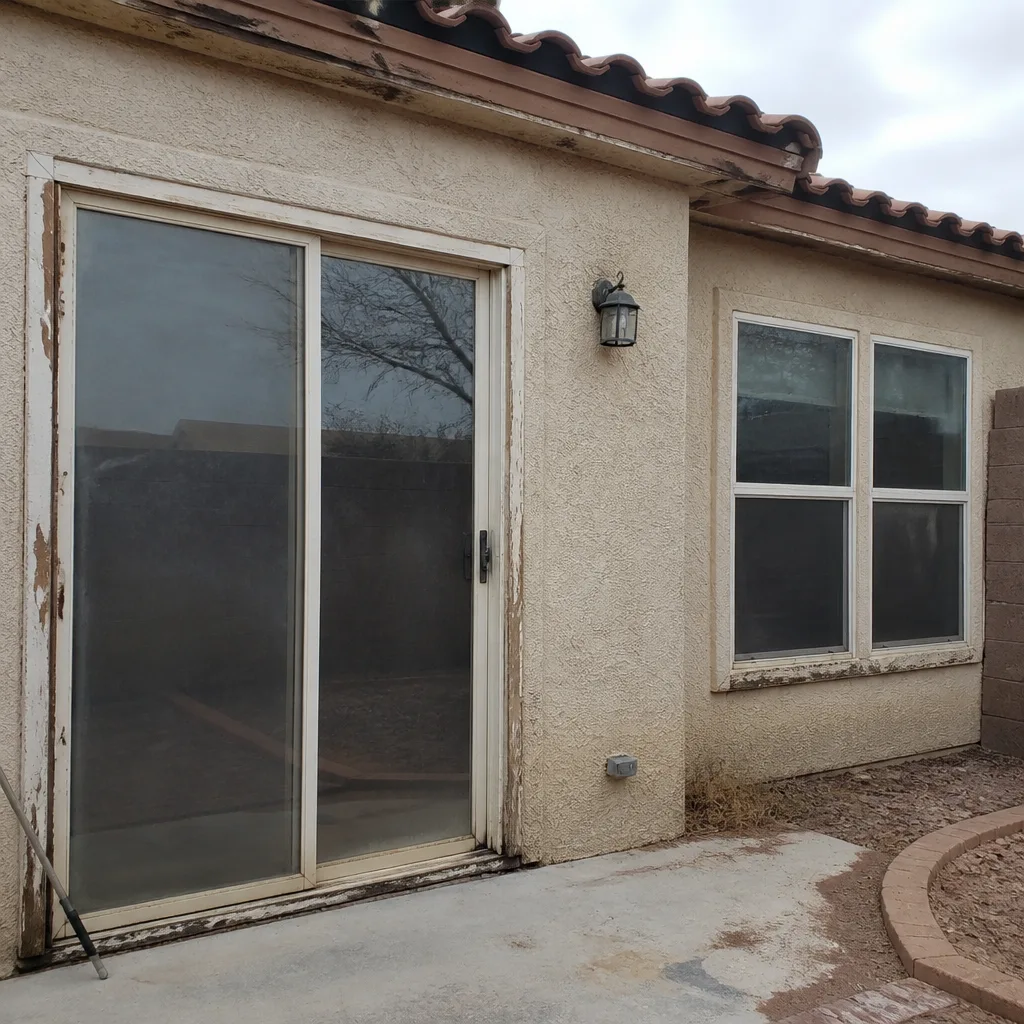 Before
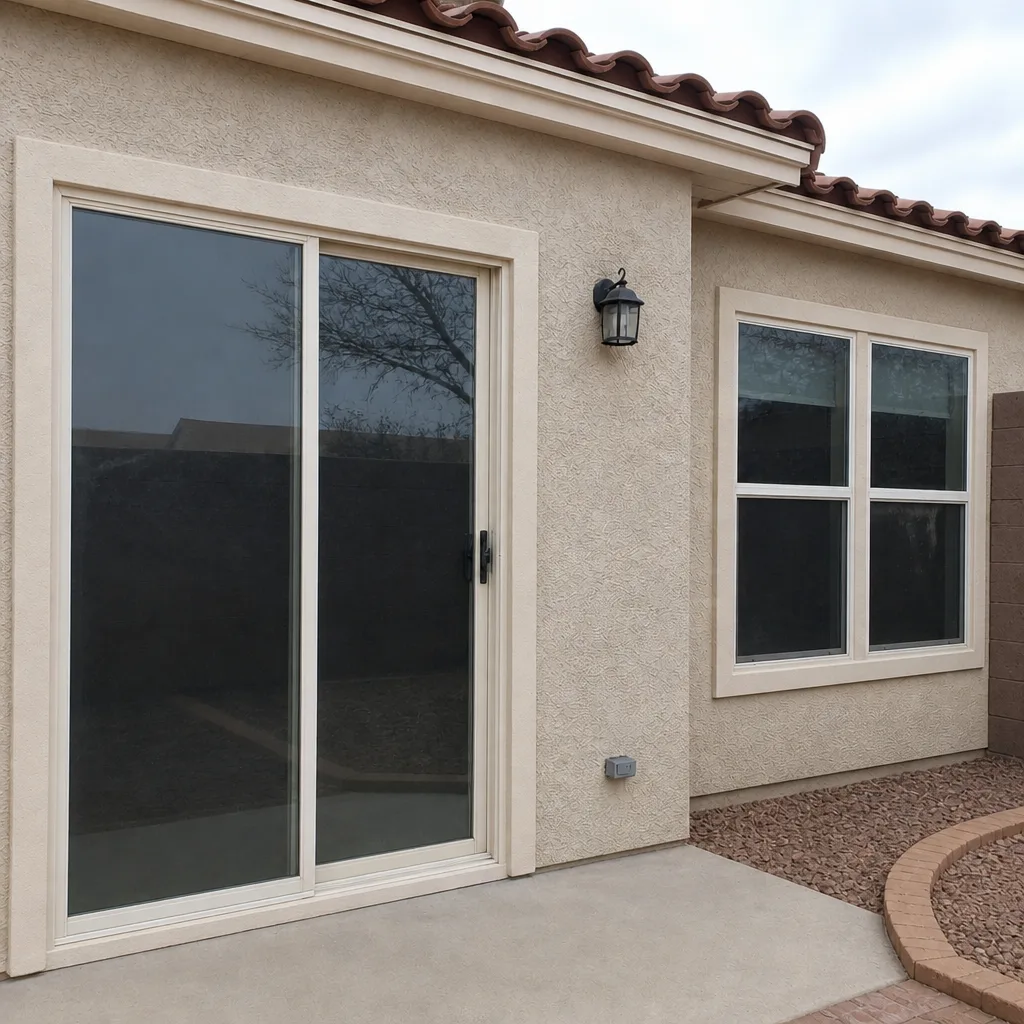 After
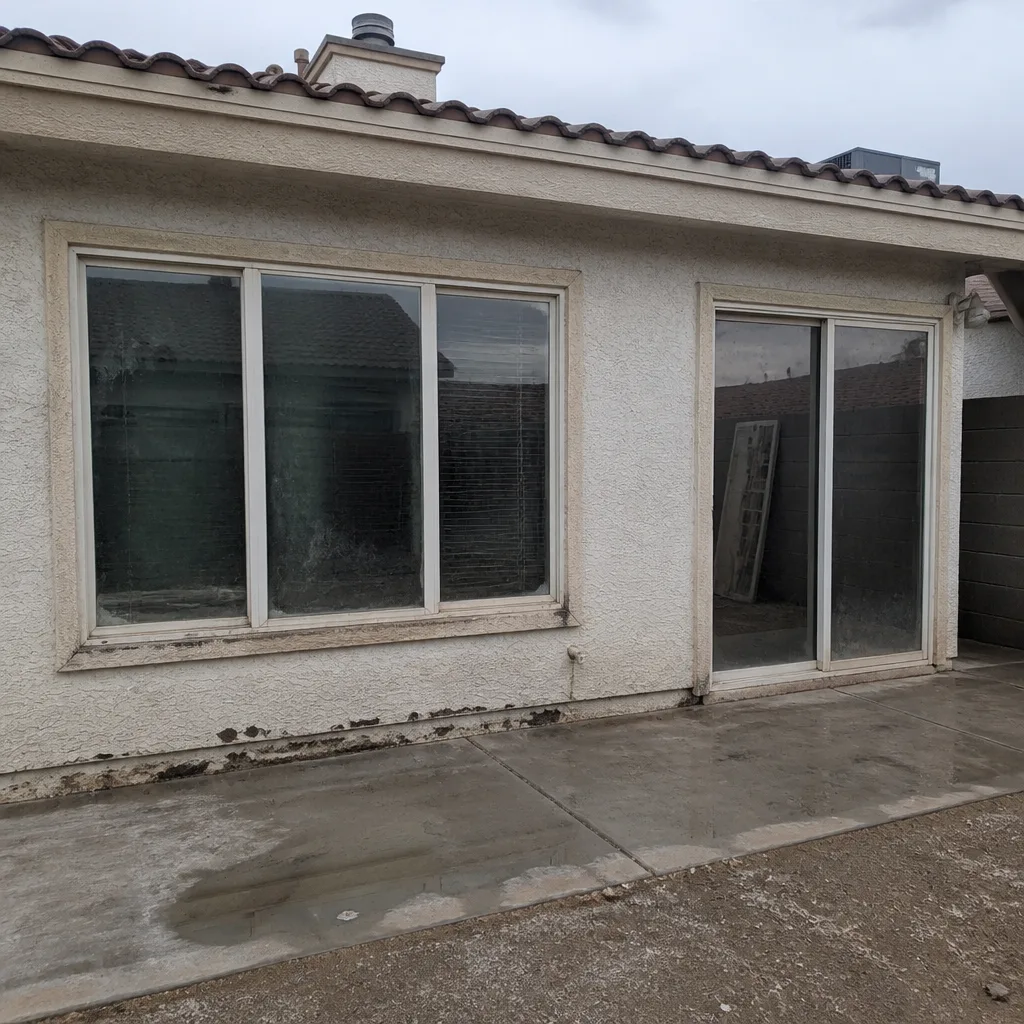 Before
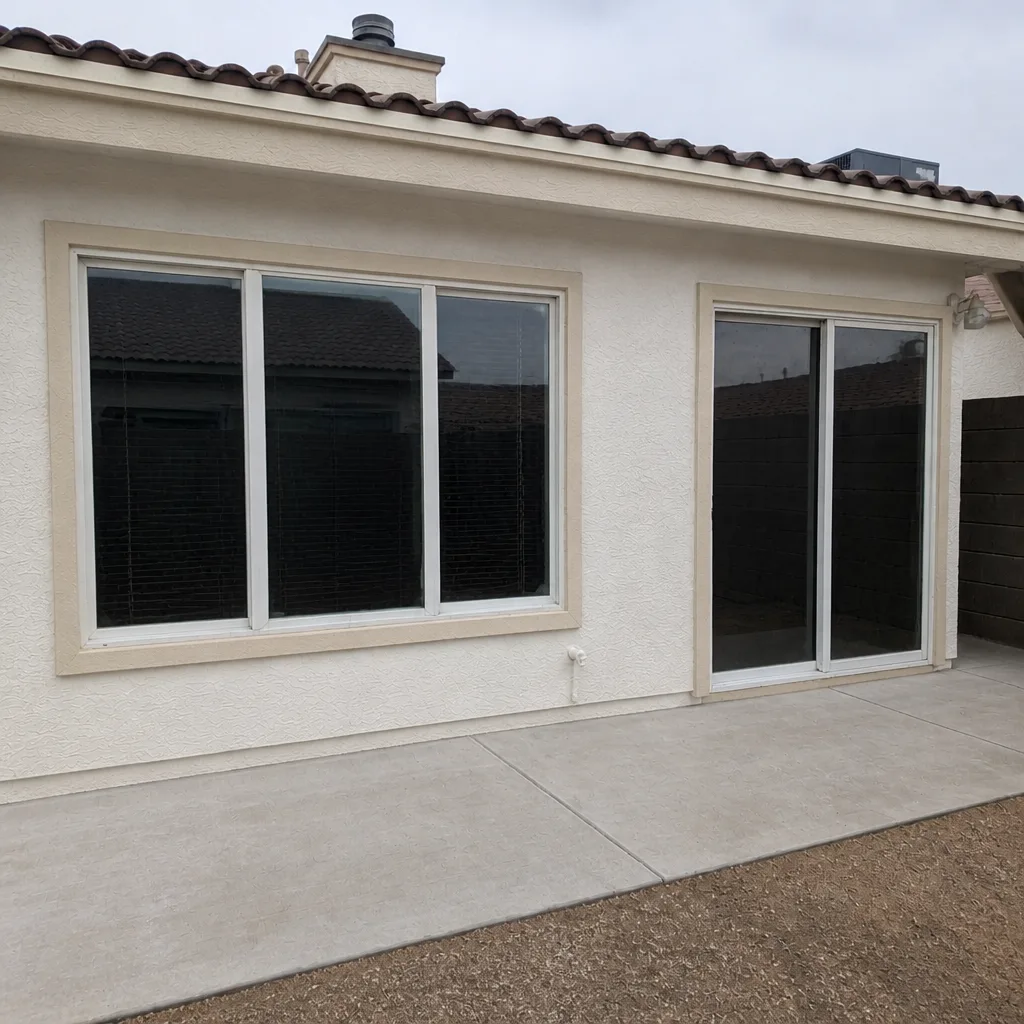 After
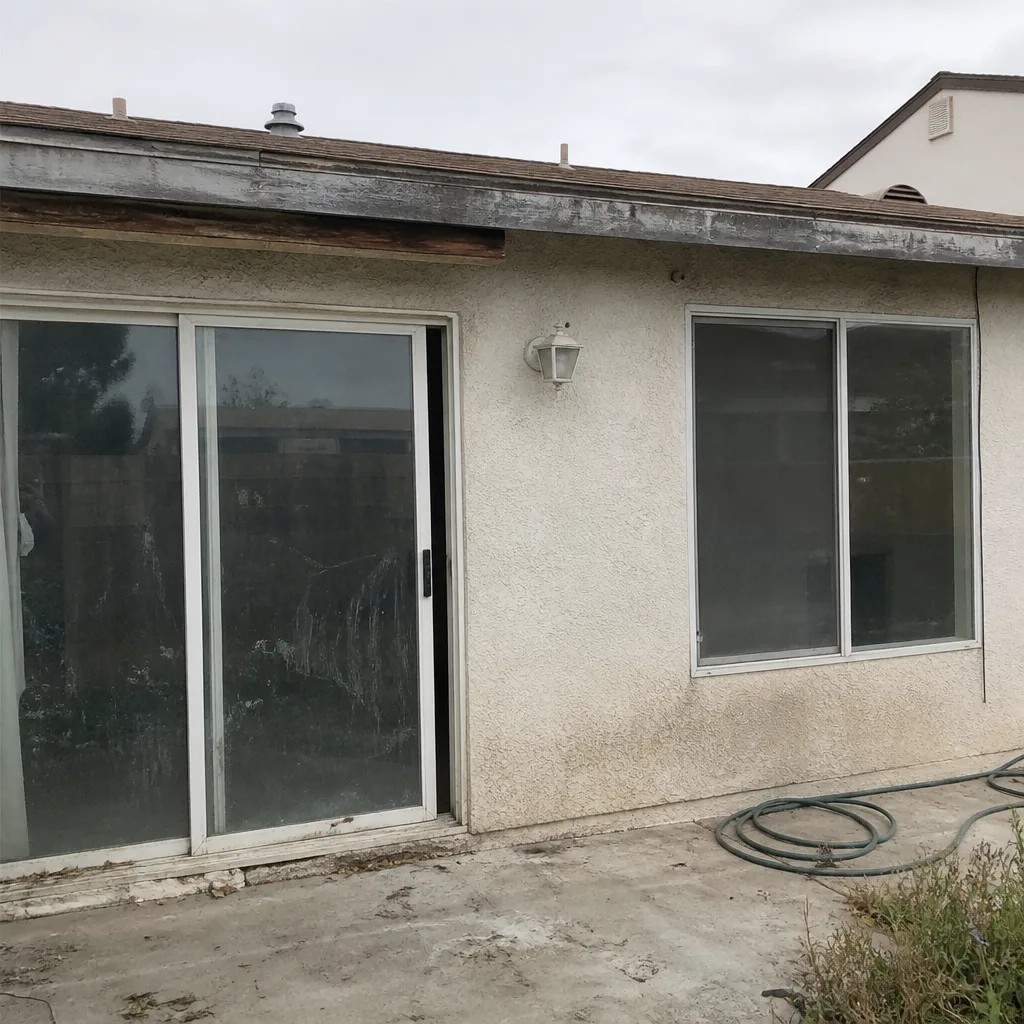 Before
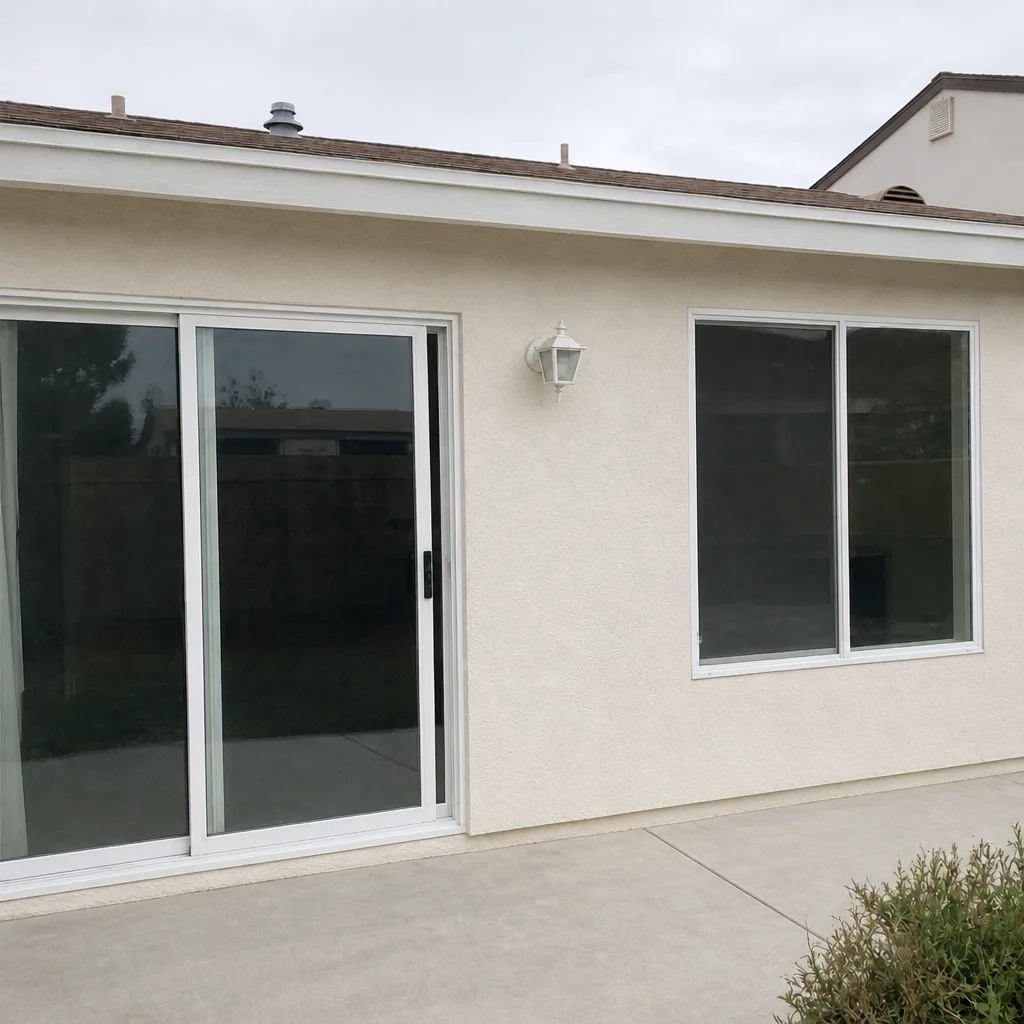 After
Six Reasons Homeowners Choose Lightwell Windows & Doors North Las Vegas
Laminated glass and reinforced frames hold up to wind-driven rain, hail and flying debris, so your openings stay sealed when the weather turns.
Low-E insulated impact glass from our manufacturer lines commonly cuts monthly cooling bills 20-30%.
Laminated impact glass shuts out up to 40% of outside noise - traffic, neighbors, weather.
Monitoring services run $30-90 a month. Laminated impact glass resists forced entry around the clock, with no subscription.
Tighter seals and insulated glass even out hot and cold rooms and stop the drafts at the frame.
A full impact package upgrades curb appeal, buyer confidence and appraised value in one project.