
Last updated November 18, 2026
 Single hung
 Double hung
 Horizontal roller
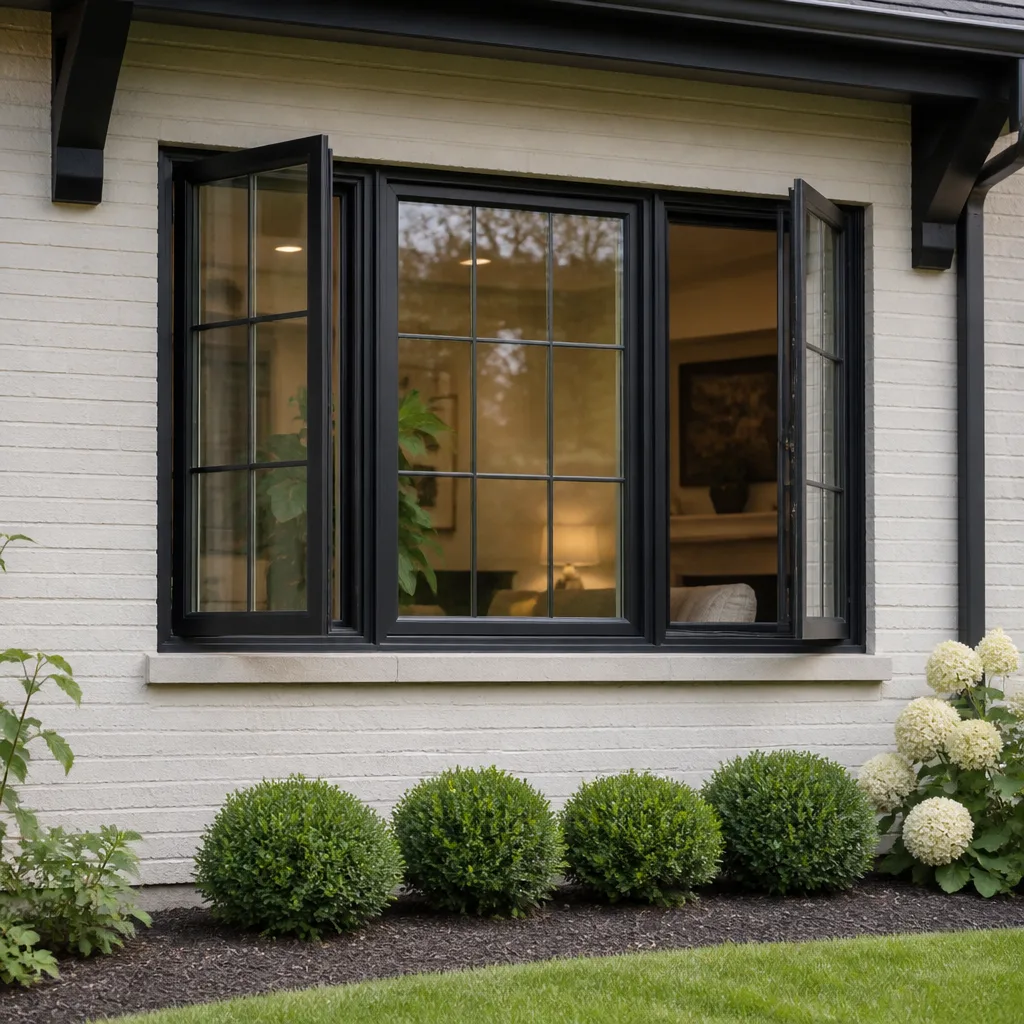 Casement
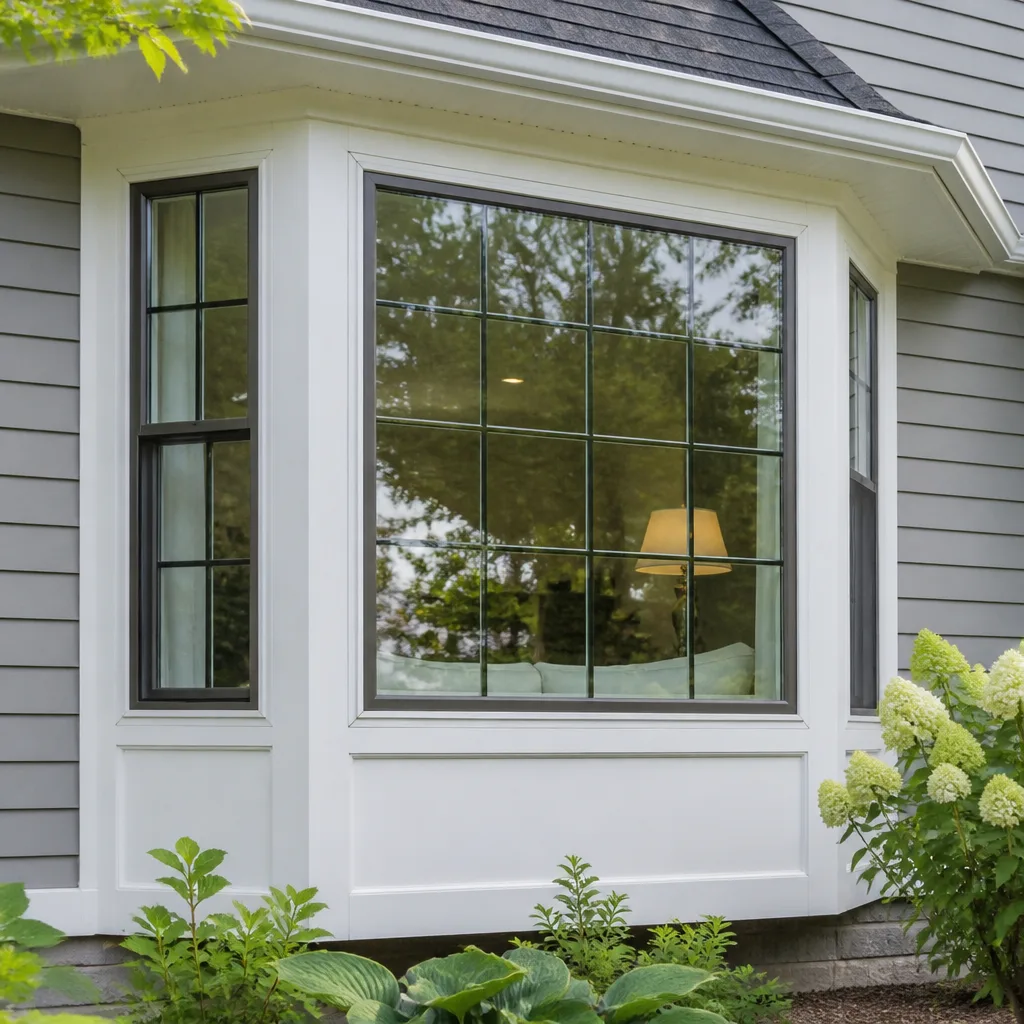 Bay & bow
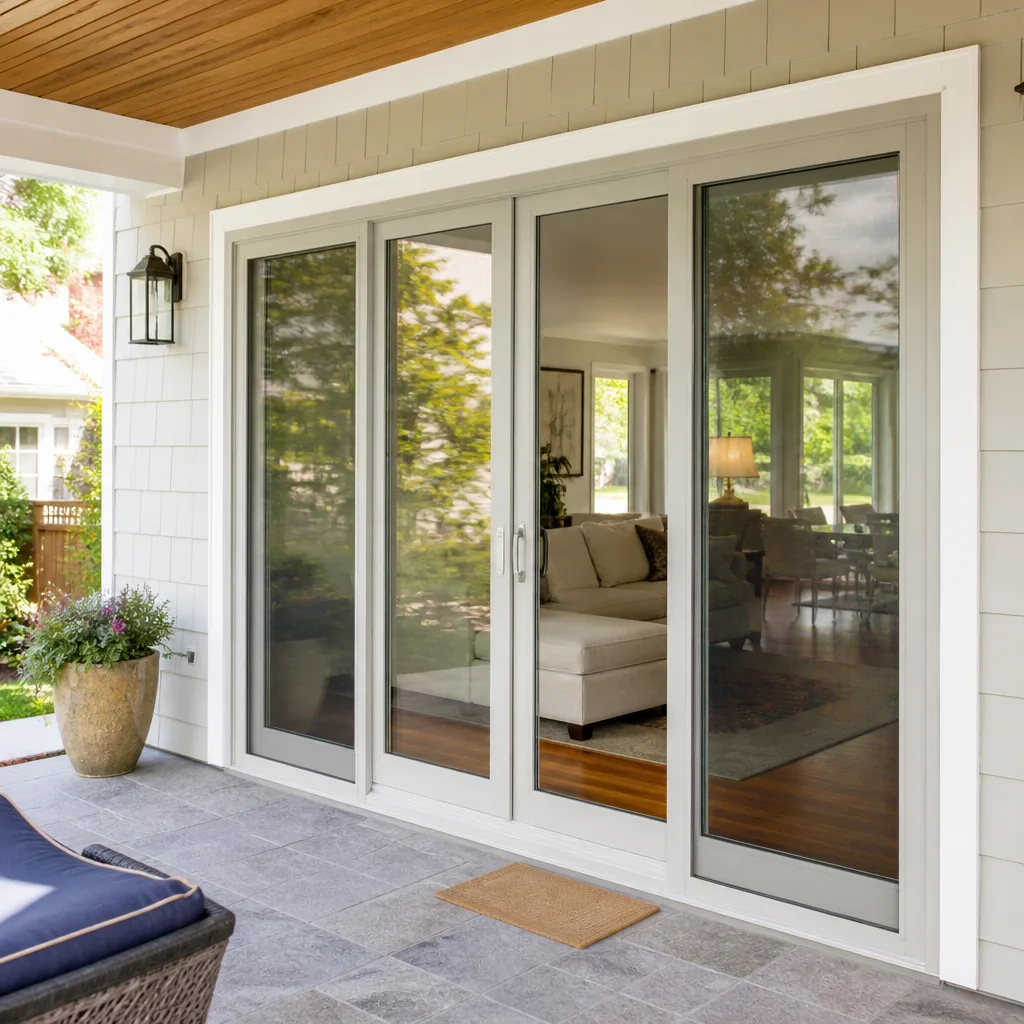 Sliding glass doors
 Entry doors
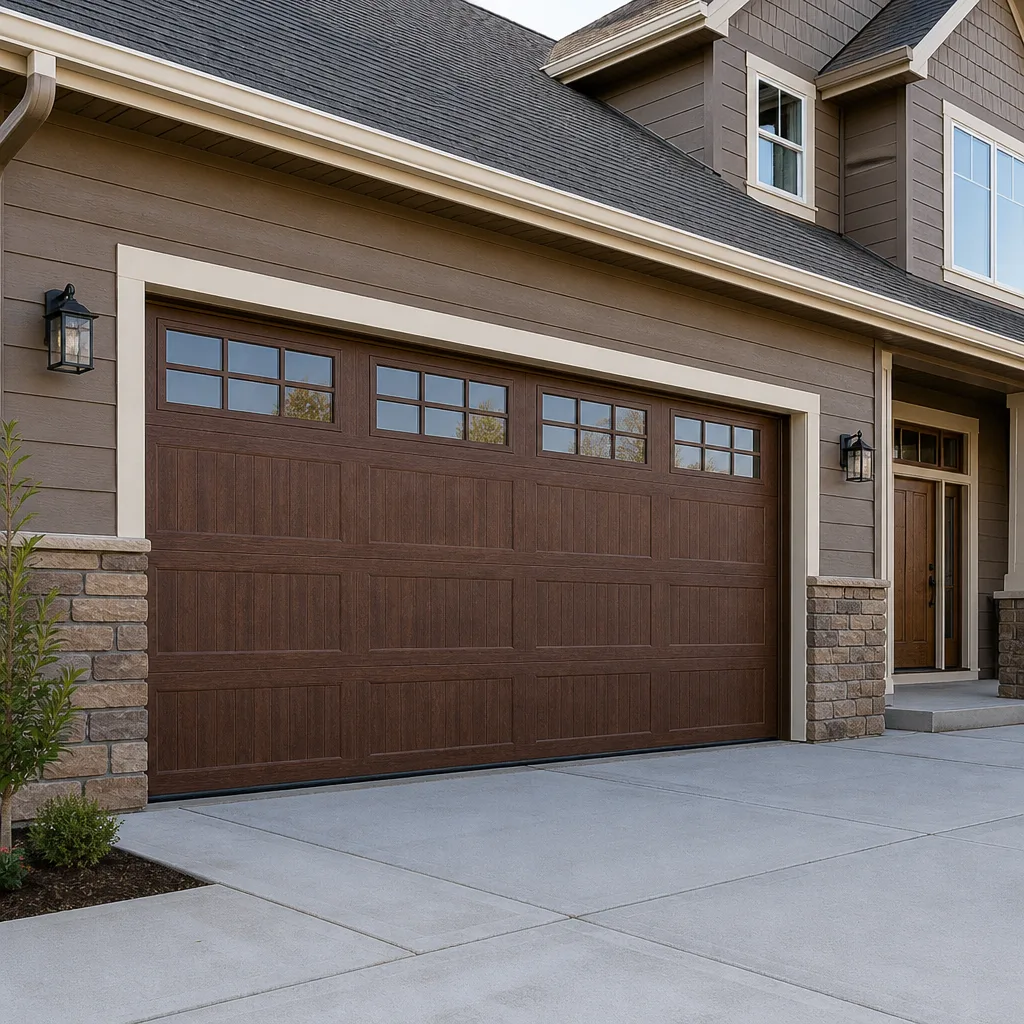 Impact garage doors
 PGT
 CGI
Free in-home measure and quote - PGT, CGI and CWS impact lines compared on your actual openings, style by style
Get your free estimateWindow Replacement Maintenance Schedule: What to Do and When
The UV index in the Las Vegas Valley sits at 10 or higher for roughly five months of the year – the same rating beaches use to warn tourists off the sand. That sustained radiation does quiet, cumulative damage to weatherstripping, screen mesh, and low-e coatings at a pace most national maintenance guides never account for. Add alkaline dust and the daily thermal swing between a 105°F afternoon and a 70°F night, and a window in North Las Vegas faces in five years what a window in a mild climate faces in ten. Here’s the calendar we’d hand a North Las Vegas homeowner, month by month.
Quick Answer
In North Las Vegas, window maintenance runs on a compressed cycle: a pre-summer inspection in April before sustained 100°F days, a glass and coating cleaning pass in May and June, a post-monsoon leak and weep-hole check in September, and a hardware lubrication pass in December before cold stiffens the seals. Replace weatherstripping and screen mesh every two to three years here, not the five to seven you’ll read in national guides.
Styles & brands we work with
- Single hung
- Double hung
- Horizontal roller
- Casement
- Bay & bow
- Sliding glass doors
- Entry doors
- Impact garage doors
- PGT
- CGI
Table of Contents
- Why the North Las Vegas Maintenance Calendar Runs Faster
- The April Pre-Summer Inspection
- Cleaning Products: What’s Safe on Low-E Glass and What Isn’t
- Weep Holes and the Dust Storm Problem
- Hardware That Wears Out (and Repairs Without Touching the Frame)
- The September Post-Monsoon Check
- The December Hardware and Seal Pass
- What to Log in a Home Maintenance Record
Why the North Las Vegas Maintenance Calendar Runs Faster
Three forces squeeze the normal window maintenance cycle in North Las Vegas. The first is UV. At 10-plus for five months, ultraviolet radiation steadily breaks down the rubber compounds in weatherstripping, the plastic in screen spline, and the chemistry of low-e films. The second is dust. The spring and early summer winds that roll across the valley carry fine alkaline particulate that settles into tracks, weep holes, and seals. The third is thermal cycling. Vinyl frames expand and contract with the daily swing, and even small movement works hardware loose over thousands of cycles.
We’ve seen the result on replacement jobs across the valley. Windows installed six or seven years ago with seals already crumbling. Screen mesh so sun-crisped it tears when you brush it. Balances that drag because the tilt-latch never got a wipe-down. None of it is a defect. It’s the schedule.
A few terms worth knowing before we start:
- Low-e coating – an invisible metallic film on the glass that reflects heat. It’s what keeps a west-facing bedroom livable in July.
- Weatherstripping – the rubber or foam seal that stops air and water at the frame.
- Weep holes – small drainage slots in the frame that let water out before it reaches drywall.
- Balances – the spring-loaded tubes in a double-hung window that counterweight the sash.
If you’re still shopping for windows, start with our guide to Window Replacement in North Las Vegas – the right product makes this calendar far easier to keep. For the installation side, see Window Installation in North Las Vegas.
The April Pre-Summer Inspection
The single most useful habit is a full walk-through in April, before the first sustained 100°F stretch. Once the heat locks in, small seal gaps turn into big cooling bills and you’ll be inspecting in discomfort. Here’s the sequence we recommend, room by room:
- Close and lock every window, then feel the perimeter. Run a hand along the inside frame on a windy day. A draft means the weatherstripping is compressed or torn.
- Open and close each sash fully. It should glide. A window that sticks in spring will likely stick worse in July.
- Look at the glass from a low angle. Haze, a milky film, or a rainbow sheen can mean the low-e coating has degraded or the seal between panes has failed.
- Check screen mesh and spline. Poke a corner gently. If the spline crumbles, the screen needs re-meshing.
- Inspect exterior caulk where the frame meets the stucco. Cracks the width of a credit card are common on south-facing walls in North Las Vegas by year four.
- Wipe the tracks and check that they drain. A rag and a vacuum nozzle do most of the work.
Note anything that fails and, if a manufacturer warranty is involved, photograph it. Broken seals on PGT or CGI units, for example, are typically covered if you can show documented care. That’s a reason to keep the log we describe further down.
Cleaning Products: What’s Safe on Low-E Glass and What Isn’t
This is where good intentions cause the most damage. Low-e coatings are tough but not indestructible, and several popular household glass sprays strip them over repeated use. The coating sits on the glass surface (or between panes on some products), so abrasive chemicals and aggressive scrubbing will dull the reflectivity that does the actual energy-saving work.
Safe on low-e glass:
- A simple solution of one part white vinegar to three parts water (mild, no residue)
- Most gentle, ammonia-free glass cleaners labeled for coated glass
- Dish soap diluted in warm water
- A soft microfiber cloth or paper towel – never a scouring pad or steel wool
Risky or damaging:
- Ammonia-heavy sprays – repeated exposure dulls coatings
- Any cleaner containing abrasive grit – scratches the film
- Razor blades used edge-on for hardwater minerals – these score the glass and are best avoided for the homeowner
- Solvent-based or citrus-heavy degreasers on glass
Clean in mild weather, not at high noon when a hot pane makes cleaner flash-dry and streak. Wipe dry. For exterior glass, a spring rinse removes the alkaline dust film before it crusts on.
Weep Holes and the Dust Storm Problem
North Las Vegas gets hit with dust storms each spring and early summer, and those storms pack fine particulate that lodges in every weep hole. A blocked weep hole seems like a small thing. Over one season, though, water that can’t drain pools inside the frame channel, works into the corners, and can cause the vinyl to stain, warp, or harbor mold behind the sash. The first symptom most homeowners notice is water inside the track after rain, or a faint musty smell near a window.
Clearing them takes a few minutes:
- Locate the weep holes. They’re the small slots at the bottom of the exterior frame, usually two to four per window.
- Clear the debris with a soft brush or a wooden toothpick. Never use a metal wire or a drill bit – you can crack the frame.
- Flush with a gentle stream of water from a spray bottle to confirm drainage.
- Test after a storm. A quick visual after a wind event catches most blockages early.
Protecting the glass itself is the other half of the job. Every window we install in North Las Vegas – whether ViewLux or CWS or a coastal-liner like PGT – benefits from a spring rinse of the dust off the outer glass. Dust left to sit in the sun cuts the clarity you paid for. If you’re curious how your home would look through cleaner, brighter panes, our story on Door Installation in North Las Vegas covers how we think about light and openings together.
Hardware That Wears Out (and Repairs Without Touching the Frame)
Most window hardware has a finite service life, and those parts fail long before the frame or the glass does. The good news is you don’t have to replace the window to fix them. Worn components are the cheapest maintenance line in this guide.
- Balance shoes and springs. The counterweight mechanism inside a double-hung window. When a sash won’t stay up, the balance is the usual culprit.
- Tilt-latches. The latches at the top corners that let a sash tilt in for cleaning. They loosen, strip, or snap with rough use.
- Operator arms and hinges. On casement and awning windows, the crank arm carries load every time the window opens. Grease and inspection matter.
- Sash locks and keepers. The small hardware that pulls sashes together. A worn lock lets air past the seal.
- Weatherstripping and bulb seals. The soft seal around the frame. Replace it every two to three years in North Las Vegas, not five.
Replacing a balance assembly or a tilt-latch is a small job compared to a whole window, and it can add years to the window’s working life. It’s also the difference between a functioning home and one where the master bedroom window won’t stay up in August. If a hardware swap isn’t enough and the frame itself is compromised, that’s a different conversation – worth reading our Lightwell Windows & Doors North Las Vegas home overview of what’s involved.
The September Post-Monsoon Check
Late-summer monsoon storms in the valley drive rain sideways, and that’s when small seal gaps you didn’t notice in dry weather show their hand. A September inspection is the second-most useful habit on this list. Walk the exterior after the first big rain and look for:
- Water stains on interior drywall near the window corners – the classic sign of failed caulk or a blocked weep hole
- Damp or discolored weatherstripping at the bottom of the sash
- Peeling or cracked exterior caulk around the frame
- Fogging between panes, which points to a broken seal in the glass unit – common on older sealed units here
- Rust spots on exposed hardware, especially on north-facing windows
If you find interior moisture, don’t shrug it off. Water that gets behind drywall sits, and mold in a North Las Vegas home is a much larger repair than fresh caulk. A caulk refresh every two to three years on south- and west-facing windows is normal here; the UV cooks the bead faster than the weather. The September check is also a fine time to confirm nothing shifted in the summer heat.
The December Hardware and Seal Pass
Cold snaps in the valley are mild but real, and when the temperature drops, rubber seals stiffen. A window that seals fine at 80°F can show a draft at 38°F. The December pass is about living comfortably through winter without surprise air leaks.
- Lubricate moving hardware with a small amount of silicone-based lubricant on tracks, hinges, and operator arms (not WD-40 or oil – those attract dust and gum up over time).
- Test every sash lock and keepers. A lock that’s out of alignment lets cold air past the meeting rail.
- Feel weatherstripping for stiffness or cracking. If it’s brittle, it’s due for replacement before summer.
- Check for condensation on interior glass on a cold morning. If it’s heavier than usual, the unit’s seal or the interior humidity may need attention. Persistent condensation can also drive up your heating load.
- Re-test every weep hole after any winter rain.
Doing a light hardware and seal pass in December means you’re not doing it on a July morning when the day is already above 100°F and you’d rather be anywhere else.
What to Log in a Home Maintenance Record
A simple logbook – paper or a notes app – turns guesswork into documented care. It’s how a warranty claim gets approved instead of investigated, and how a future estimate is grounded in real history instead of “it’s been a while.” Log these:
- Date of each cleaning, caulk refresh, and hardware fix
- Product used – which cleaner, which lubricant, which caulk
- Parts replaced and the model number of the window or component
- Photos of damage, leaks, or failed seals before repair
- Receipts for hardware and any professional service
- Notable weather events – a big monsoon storm, a dust event – so you can connect cause and effect
We’ve seen homes in North Las Vegas where a manufacturer covered a failed sealed unit because the homeowner had a dated log; we’ve also seen claims questioned for lack of records. The log is ten minutes a year and it pays for itself in warranty conversations and in negotiating a fair estimate later. When you’re ready to plan a replacement, a documented maintenance record makes the whole process smoother.
Common Mistakes to Avoid
- Following a national maintenance guide. A schedule written for Ohio will leave you two years behind in North Las Vegas. The UV index here compresses the cycle – adjust it.
- Using ammonia or abrasive cleaners on low-e glass. Repeated use dulls the coating that’s doing the energy-saving work; replace those sprays with a mild vinegar solution.
- Ignoring weep holes. A blocked weep hole after a spring dust storm can trap water inside a vinyl frame for months.
- Cleaning windows at high noon. A hot pane flash-dries cleaner and leaves streaks; clean in the morning or shade.
- Skipping the December hardware pass. Stiff cold-weather seals fail faster when locks and hinges are out of alignment.
- Lubricating with oil or spray grease. These attract dust; use silicone-based lubricant instead.
- Never documenting anything. Warranty claims and future estimates are easier with a log than without one.
See the difference
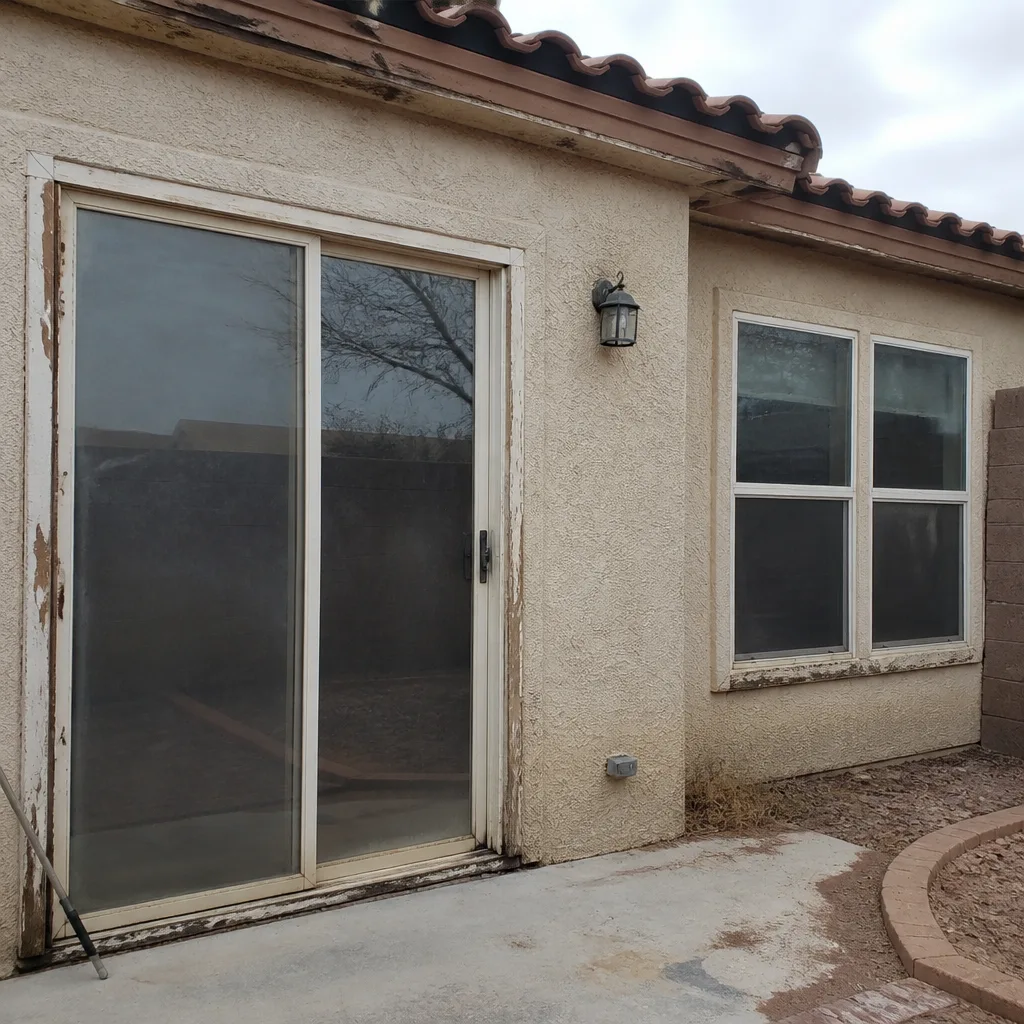 Before
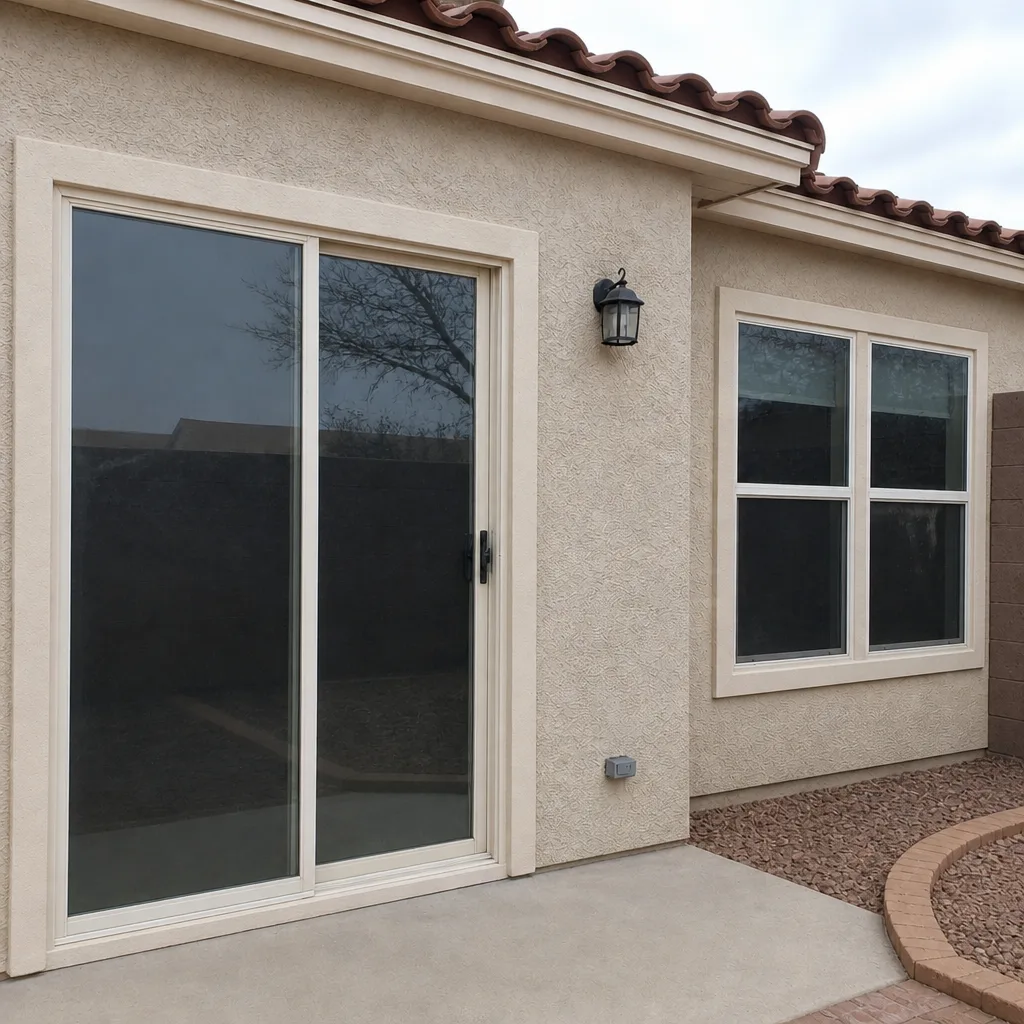 After
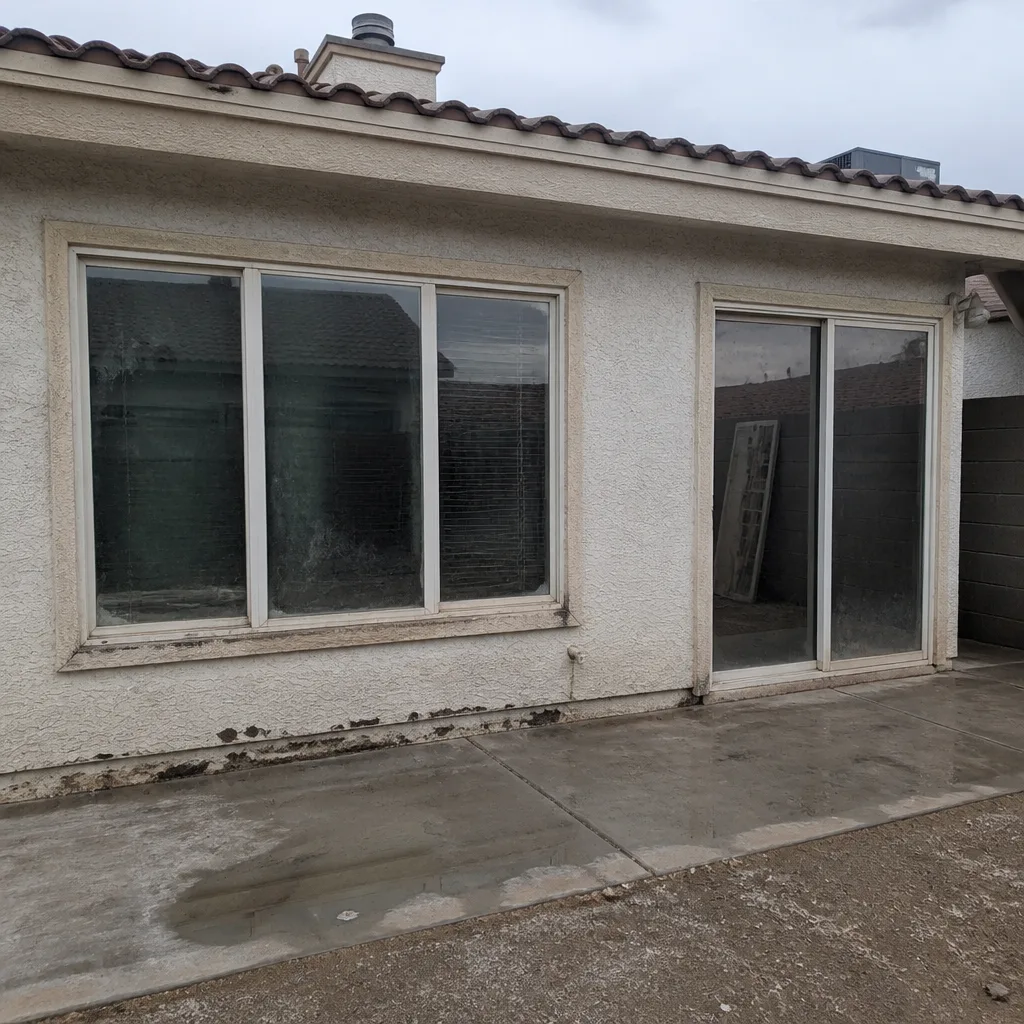 Before
 After
 Before
 After
When to Call a Professional
Most of this calendar is homeowner work. A few situations aren’t. Call a pro if you find water inside the frame or behind drywall, if the glass unit itself has fogged between the panes, if the frame is cracked or the sash won’t stay up even after a hardware swap, or if a storm has damaged a window badly enough that air or water is getting in. Window work involves glass, height, and seals, and the wrong repair can reduce the life of an expensive unit. Lightwell Windows & Doors North Las Vegas offers free estimates in North Las Vegas – call (877) 317-4920 and we’ll put a written price in front of you before any work starts.
Frequently Asked Questions
In North Las Vegas, plan a full inspection twice a year (April and September), a cleaning pass in spring and after wind events, a weatherstripping replacement every two to three years, and a hardware lubrication pass each December. That’s a tighter cycle than national guides because UV, dust, and thermal cycling wear seals and hardware faster here than in a mild climate.
Yes, with a gentle, ammonia-free cleaner or a one-to-three vinegar-and-water solution and a soft microfiber cloth. Avoid abrasive sprays, ammonia-heavy products, and scouring pads – repeated use dulls the low-e coating that keeps heat out. If you’re unsure what’s on your glass, the model number on the frame usually reveals the coating type, and we’re happy to advise.
Water can’t drain out of the frame channel, so it pools inside, works into the corners, and over one season can stain or warp a vinyl frame and harbor mold behind the sash. That’s why clearing weep holes after the spring dust storms and the summer monsoons is part of the calendar here.
Usually, yes. Balances, tilt-latches, operator arms, and sash locks are replaceable components that don’t touch the frame or glass. Replacing a worn balance can add years to a window’s working life for a fraction of replacement cost. If a frame or sealed glass unit is the problem, that’s a different conversation.
It depends on the age and condition. A window that needs one hardware fix and fresh weatherstripping is worth maintaining. A window with a failed seal, cracked frame, and constant drafts – especially on a large west-facing wall – may cost more to keep than to replace. Most window replacements here run between $650 and $1,400 per opening depending on size, glass package, and brand (ViewLux and CGI are common choices for the sun). Get a written estimate and compare.
Lightwell Windows & Doors North Las Vegas serves homes across the valley, including neighborhoods dealing with the same dust and monsoon realities – from newer builds where the caulk is still fresh to older windows overdue for weatherstripping. Call (877) 317-4920 for a free estimate and a written price before any work starts.
The Bottom Line
A window in North Las Vegas faces a harder calendar than most of the country, and the schedule that keeps it working is built around that reality: a spring inspection before the heat, a careful cleaning with the right products, weep-hole attention after the dust storms, a post-monsoon leak check in September, and a December hardware and seal pass. Track what you do. Replace weatherstripping on a shorter cycle than you’ll read elsewhere. When repair cost approaches replacement, get a written estimate first. Our technicians have up to 16 years of experience, and we can walk a whole home’s windows in an afternoon.
Every job comes with the 365-Day Done Right Promise and the Cedarwell Care Promise: shoe covers and drop cloths on every visit, a photo of the clean-up before we leave, and a written price before any work begins. A light well is what brings daylight deep into a building, and that’s what a well-maintained window should do for your home.
Ready to plan the next step? Call (877) 317-4920 for a free estimate – a live person answers 24/7, and we’ll put the price in writing before we touch anything.
Written by the team at Lightwell Windows & Doors North Las Vegas.
Six Reasons Homeowners Choose Lightwell Windows & Doors North Las Vegas
Laminated glass and reinforced frames hold up to wind-driven rain, hail and flying debris, so your openings stay sealed when the weather turns.
Low-E insulated impact glass from our manufacturer lines commonly cuts monthly cooling bills 20-30%.
Laminated impact glass shuts out up to 40% of outside noise - traffic, neighbors, weather.
Monitoring services run $30-90 a month. Laminated impact glass resists forced entry around the clock, with no subscription.
Tighter seals and insulated glass even out hot and cold rooms and stop the drafts at the frame.
A full impact package upgrades curb appeal, buyer confidence and appraised value in one project.