
Last updated November 18, 2026
 Single hung
 Double hung
 Horizontal roller
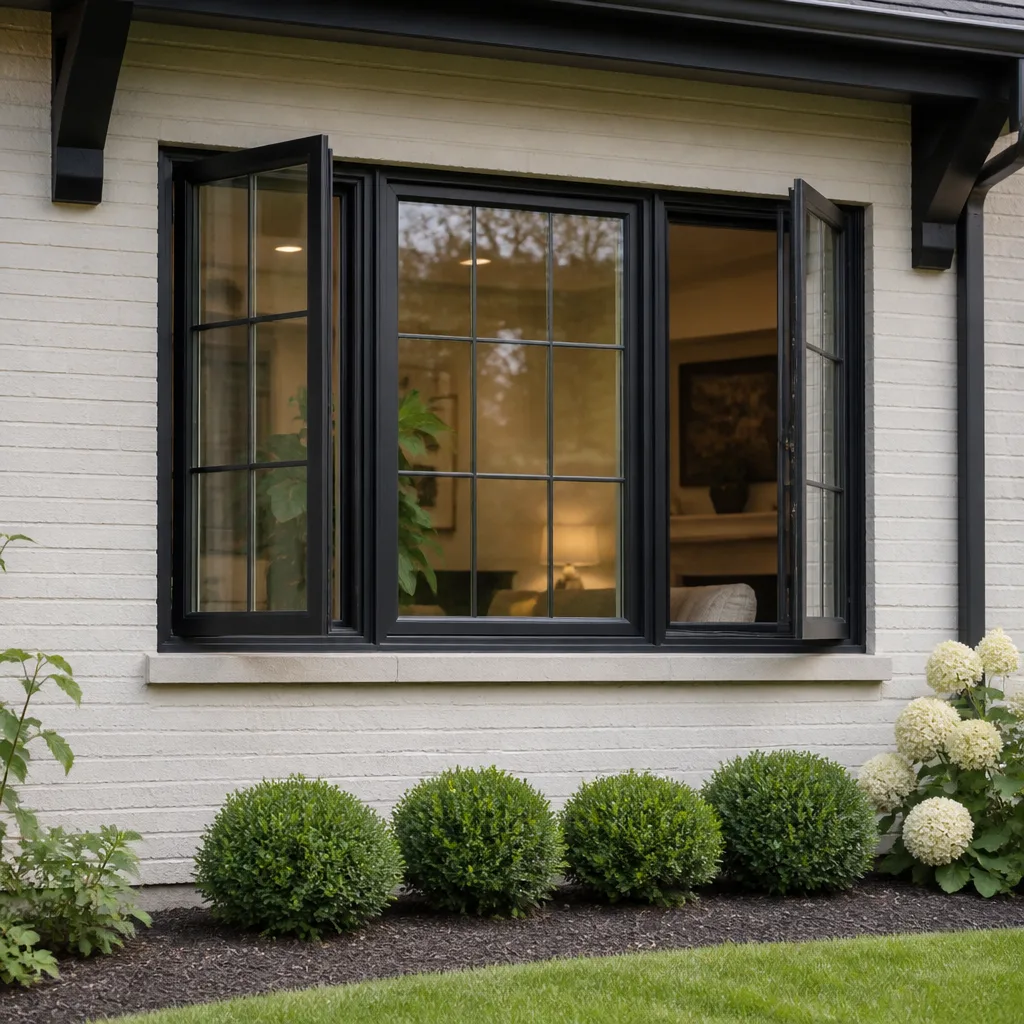 Casement
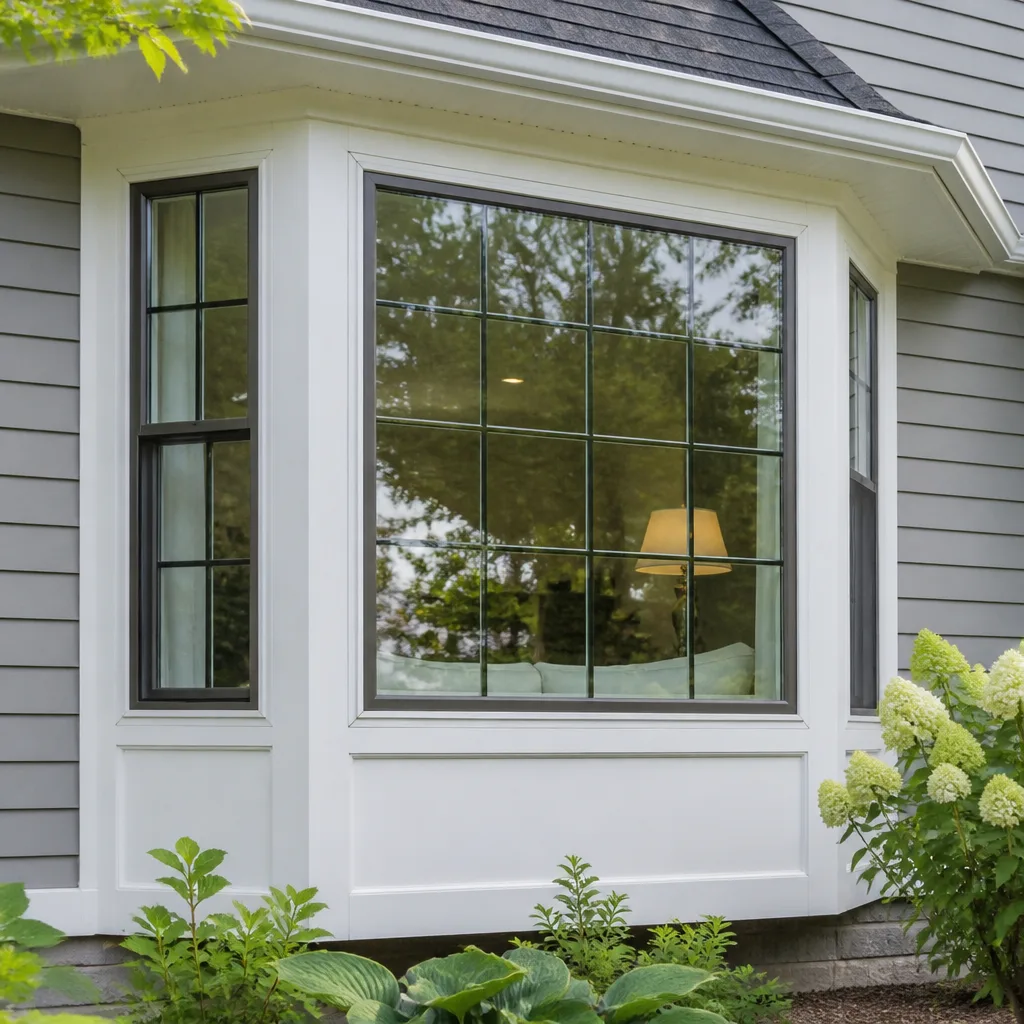 Bay & bow
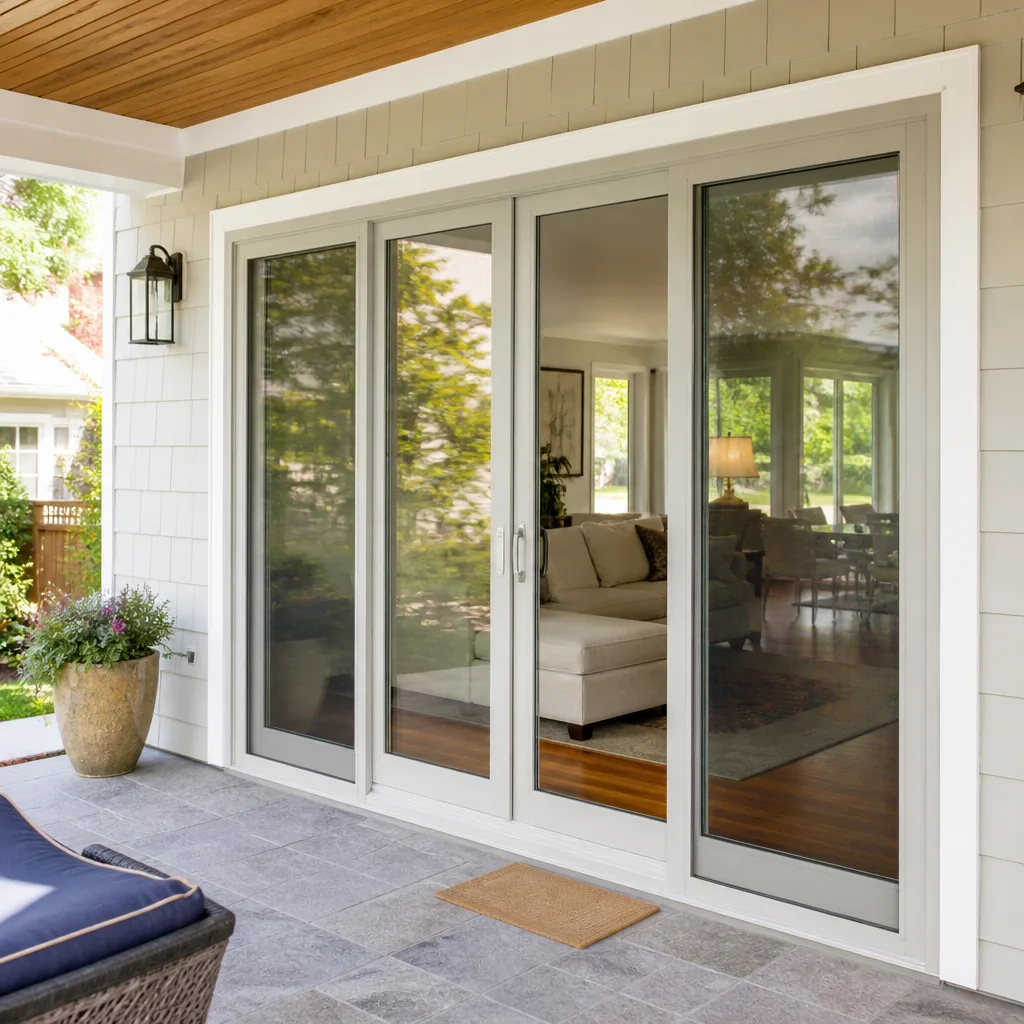 Sliding glass doors
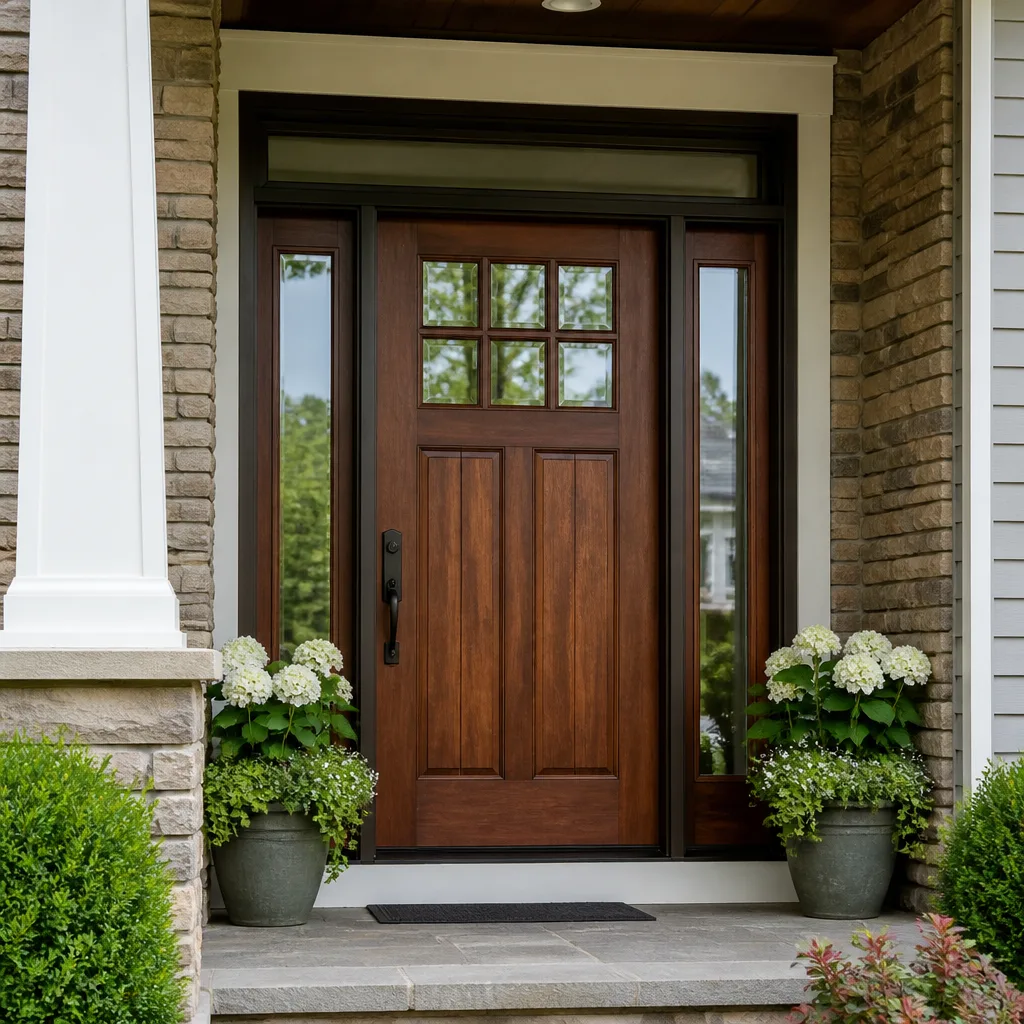 Entry doors
 Impact garage doors
 PGT
 CGI
Free in-home measure and quote - PGT, CGI and CWS impact lines compared on your actual openings, style by style
Get your free estimateDIY vs Professional Door Installation: What’s Safe to Do Yourself
A prehung interior door in a newer North Las Vegas track home is a reasonable DIY project. A steel entry door in a 1970s stucco home with a settled slab is not, and the difference between them stays invisible until you pull off the old casing. That is the whole story with door installation: the job looks identical from the driveway, but the margin for error depends on the door, the opening, and how North Las Vegas heat and soil have treated the wall around it. This guide gives you an honest viability rating for each combination of door type and opening condition, the skills a DIY install actually demands, the permit picture, and a real cost comparison including the price of fixing a botched job.
Quick Answer
Same-size prehung interior doors and same-size prehung exterior replacements in sound framing are the projects a careful homeowner can finish well. Slab doors that need a mortised frame, any install that changes the rough opening, and exterior doors in stucco homes with settled slabs are professional work. In North Las Vegas, exterior door failure almost always traces back to flashing and threshold waterproofing that looked fine on install day and leaked for a year before anyone noticed.
Styles & brands we work with
- Single hung
- Double hung
- Horizontal roller
- Casement
- Bay & bow
- Sliding glass doors
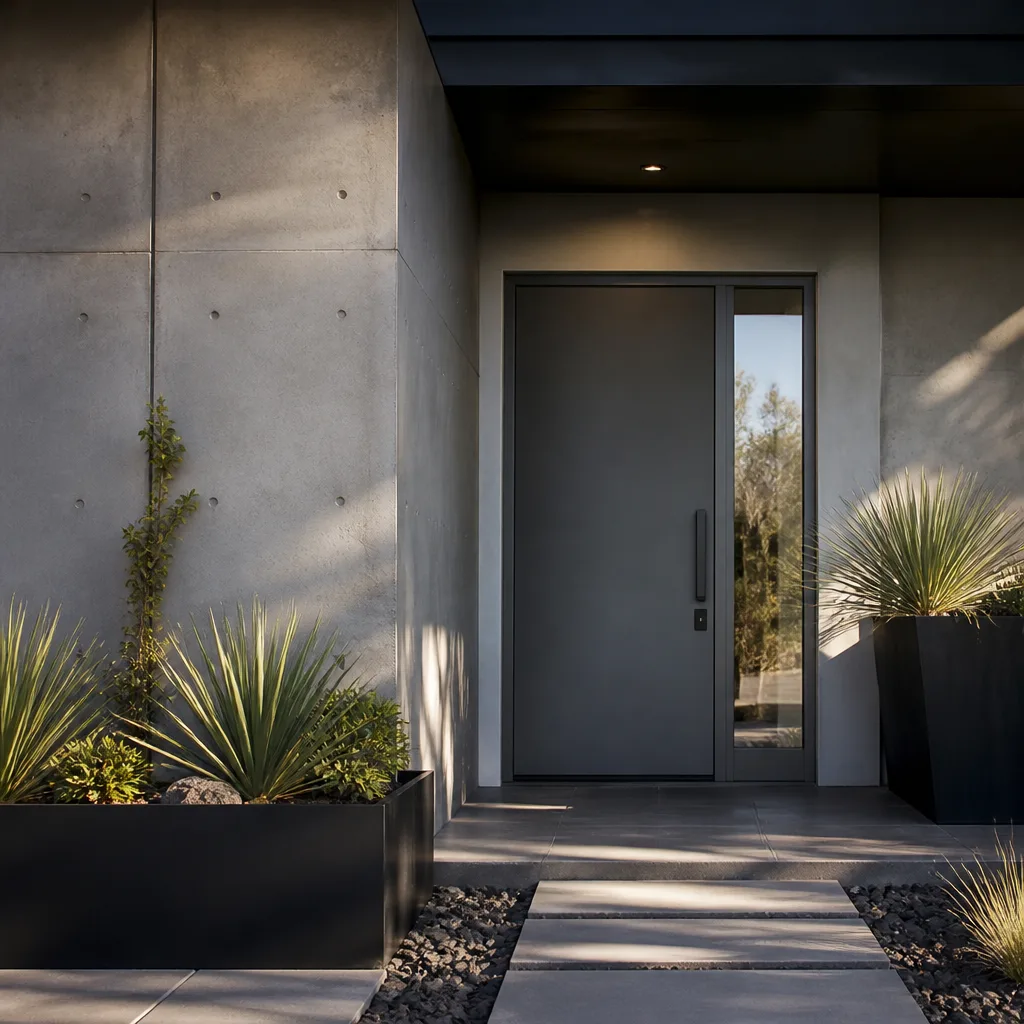
- Entry doors
- Impact garage doors
- PGT
- CGI
Table of Contents
- The DIY Decision Matrix: Which Door Jobs Are Safe
- What Door Installation Actually Requires of You
- Why Exterior Doors in North Las Vegas Are a Different Job
- Permits and Inspections: The Honest Answer
- DIY vs Professional: The Real Cost Comparison
- The Install Sequence, So You Can Judge the Work
- Common Mistakes to Avoid
- When to Call a Professional
The DIY Decision Matrix: Which Door Jobs Are Safe
Not every door project carries the same risk, and treating them the same is how homeowners get into trouble in both directions. A finished carpenter will tell you that swapping a hollow-core bedroom door and installing a new front entry share almost nothing beyond the word “door.” Use this matrix honestly. Be willing to rate your own project as a no.
- Interior, prehung, same-size opening: Green light. The jamb comes assembled, the trim is forgiving, and a mistake shows up immediately as a sticky door you can adjust. This is the classic weekend project.
- Interior, slab, existing frame: Yellow. You need a router or a sharp chisel and a steady hand to bore hinge mortises and the latch. Doable with patience, but ugly if you rush it.
- Interior, rough opening change (framing involved): Red. Moving a header or cutting a new opening touches structure and, in most cases, a permit. Leave this to professionals.
- Exterior, prehung, same-size, wood-frame wall in good condition: Yellow to green. Still requires flashing and threshold work you must get right.
- Exterior, prehung, same-size, stucco wall: Yellow at best. Removing the casing damages stucco, and the repair is its own skill.
- Exterior, same-size replacement over a settled slab: Red. A threshold that does not sit flat and drain correctly will leak, and you will not see the water for months.
- Exterior, rough opening change or new construction opening: Red. Structural framing, header sizing, and full weather-barrier integration all at once.
Our technicians have up to 16 years of experience, and in that time the calls that sting most are the ones where a homeowner did everything right except one thing: they never checked whether the slab under the door was still level. A five-minute check with a straightedge before you buy the door will tell you which column of this matrix you are actually in.
What Door Installation Actually Requires of You
Tool lists are easy and unhelpful. What matters is whether you have the skills those tools assume. Before you commit to a DIY door install in North Las Vegas, answer these questions about yourself with total honesty.
- Can you read a level and a plumb line and trust them over your eye? A door that looks straight but is out of plumb by a quarter inch will drag at the top corner within a season.
- Do you own a router, or are you comfortable with a sharp chisel and a template? Hardware mortises on a slab door are the single most common place a DIY install goes wrong.
- Have you ever shimmed a frame and checked the reveal on all four sides? Even gaps around the door are the mark of a careful install. Uneven reveals mean the frame is twisted.
- Can you cut and fit trim and caulk a clean line? The finish work is what the family sees every day, and it is the part most DIYers underestimate.
- Are you comfortable working with flashing tape and sealant? This is the exterior skill that decides whether the install lasts.
- Do you have a second set of hands? Exterior doors are heavy and awkward. A dropped entry door is an expensive mistake and a pinched finger you will remember.
If you answered no to three or more of those, the honest answer is to pay for the install. That is not a knock on your ability. It is a recognition that door installation is a craft with a learning curve, and the learning curve costs less when it happens on someone else’s project.
Why Exterior Doors in North Las Vegas Are a Different Job
Exterior door installation in North Las Vegas runs into three local realities that most national how-to content ignores. The first is stucco. Much of the housing stock in neighborhoods like Aliante and the older sections of North Las Vegas is finished in stucco, and pulling door casing off stucco is not a clean removal. It chips, cracks, and leaves a jagged edge that has to be patched and matched. That patch is a skill of its own.
The second is the weather barrier and flashing. In our dry climate, water intrusion does not announce itself. A door installed without proper flashing integration, where the weather barrier laps correctly over the rough opening, can look perfect for a year and then show rot at the subfloor or a soft spot in the stucco when a monsoon season catches up with it. We have seen this on exterior doors where the install itself was otherwise tidy.
The third is the slab. North Las Vegas soils move, and a slab that has settled even slightly changes the threshold geometry. A door threshold that does not sit level and drain outward will pool water at the interior edge every time it rains. Over a slab, that water has nowhere to go but under your flooring. This is the single most common hidden failure we encounter on exterior door replacement in North Las Vegas, and it is invisible until after the old door is removed.
None of these risks mean exterior door work is impossible for a homeowner. They mean the margin for error is thin, and thin margins are what separate a weekend project from a contractor rescue.
Permits and Inspections: The Honest Answer
Here is the permit picture in plain terms. A same-size exterior door replacement in North Las Vegas often does not require a permit, because the opening and structure are unchanged. But some door projects do require one, particularly those that alter the rough opening or involve structural framing, and a permit on that work generally has to be pulled by a licensed contractor. A homeowner cannot legally self-permit structural work they are doing for resale.
- Same-size prehung replacement: Usually permit-free. Confirm with the local building department before you buy the door, because the answer depends on your specific project.
- Rough opening change: Typically requires a permit and, in practical terms, a licensed contractor to pull it.
- New construction openings: Permit required, no exceptions.
- Work for resale: The homeowner self-permit route is not available. A licensed contractor should be doing the work.
- HOA rules: Many North Las Vegas communities restrict exterior door color, style, and material. Check before installing, not after.
When you gather estimates, ask each contractor directly whether they will pull the permit and stand for the inspection. A written price that includes permit and inspection is the only kind that matters. For a project that crosses into permit territory, professional door installation is the honest path, and a contractor who handles the permit and the inspection for you is worth the difference.
DIY vs Professional: The Real Cost Comparison
The DIY math is seductive until you count everything. Here is the honest comparison for a typical exterior door replacement in North Las Vegas, in dollars, before you decide.
- DIY, same-size prehung exterior: $500 to $1,200 in materials, plus $80 to $200 for tool rental if you need a router or a nail gun. Budget 8 to 12 hours of your weekend, realistically two days once trim, caulk, and touch-up are done.
- DIY, slab interior door: $150 to $400 in materials, plus your time and a router if you do not own one. Budget 3 to 5 hours.
- Professional install, interior prehung: Typically $250 to $500 per door installed, including the door, trim, and clean-up.
- Professional install, exterior entry replacement: Typically $1,200 to $3,500 installed depending on door type, finish, and condition of the opening.
- Botched DIY correction: $400 to $1,500 above the original cost, because the pro has to remove and redo the install, and sometimes repair water damage or framing the first attempt exposed.
That last line is the hidden cost the DIY comparison usually leaves out. The real break-even point is not the price of the door. It is whether you can get the flashing, threshold, and reveal right on the first attempt. If you can, DIY saves real money. If you cannot, the correction costs more than the professional install would have from the start. A written line-item price from a pro, before any work begins, is the honest number to compare against, not a guess.
The Install Sequence, So You Can Judge the Work
You do not need to perform these steps to hire well, but understanding the sequence lets you judge whether a crew knows what it is doing. Here is the order a careful installation follows, whether you do it yourself or hire it out.
- Measure the opening and the slab, not just the door. Check plumb, level, and square. Note any settling at the threshold.
- Remove the old door and inspect what is behind it. Rot, missing flashing, and settled framing are all revealed at this stage.
- Prepare the weather barrier and flash the rough opening. The bottom pan and the sill flashing must be integrated so water drains outward, not inward.
- Set the new door plumb and level, shim the frame, and check reveals on all sides. Even gaps all around.
- Fasten the frame, then check that the door swings freely before installing hardware. The door should open and close smoothly before you do any finish work.
- Insulate the gap between door and frame, then seal and flash the exterior. The order matters. Sealant comes after insulation.
- Install trim, casing, and hardware, then patch stucco if the casing removal damaged it. This is where the finish carpentry shows.
- Test the door and inspect the seal before the crew leaves. Open, close, lock, and check for drafts and light at the seams.
If you want a sense of the full range of work involved, see our page on Door Installation in North Las Vegas for what the complete process looks like from a professional crew.
Common Mistakes to Avoid
- Skipping the slab and level check before buying the door. In North Las Vegas, a settled slab is the number one cause of a leaking exterior door, and the problem is invisible until the old door comes out. Check first.
- Assuming the new door fits the old opening. Track homes in newer North Las Vegas neighborhoods often have nominal rough openings that vary from what the plans say. Measure the actual opening, not the old door.
- Installing exterior trim before flashing the rough opening. The sequence matters, and a door that looks tight on install day can leak for a year before you notice. The water does not appear where you can see it.
- Ignoring stucco repair. Pulling door casing off stucco leaves damage that must be patched and matched. Skipping this step leaves an obvious gap around the door frame.
- Forgetting the HOA and city permit question until after the install. Many North Las Vegas communities restrict exterior door style and color. Ask before you buy.
- Underestimating how heavy an exterior door is. A two-person job is not a suggestion. Drop a steel entry door and you have a dented door, a scraped wall, and a sprain.
- Hiring a contractor without a written price. A verbal estimate is not a price. Get the line items in writing before any work starts, so there is no surprise at the end of the day.
When to Call a Professional
Call a professional when the door is exterior, the wall is stucco, the slab has settled, or the rough opening needs to change. Call one when the job requires a permit, or when the work is for resale. Call one if you cannot confidently read a level and shim a frame, or if you have never cut a hinge mortise. These are not signs of weakness. They are the honest markers of which part of the job belongs to a craftsperson.
Lightwell Windows & Doors North Las Vegas offers free estimates in North Las Vegas, so you can compare a written installed price against your own DIY math before deciding. Call (877) 317-4920 to schedule yours. Every job comes with the Cedarwell Care Promise, which includes a written price before any work starts and a 365-Day Done Right Promise that covers the install if anything is not right.
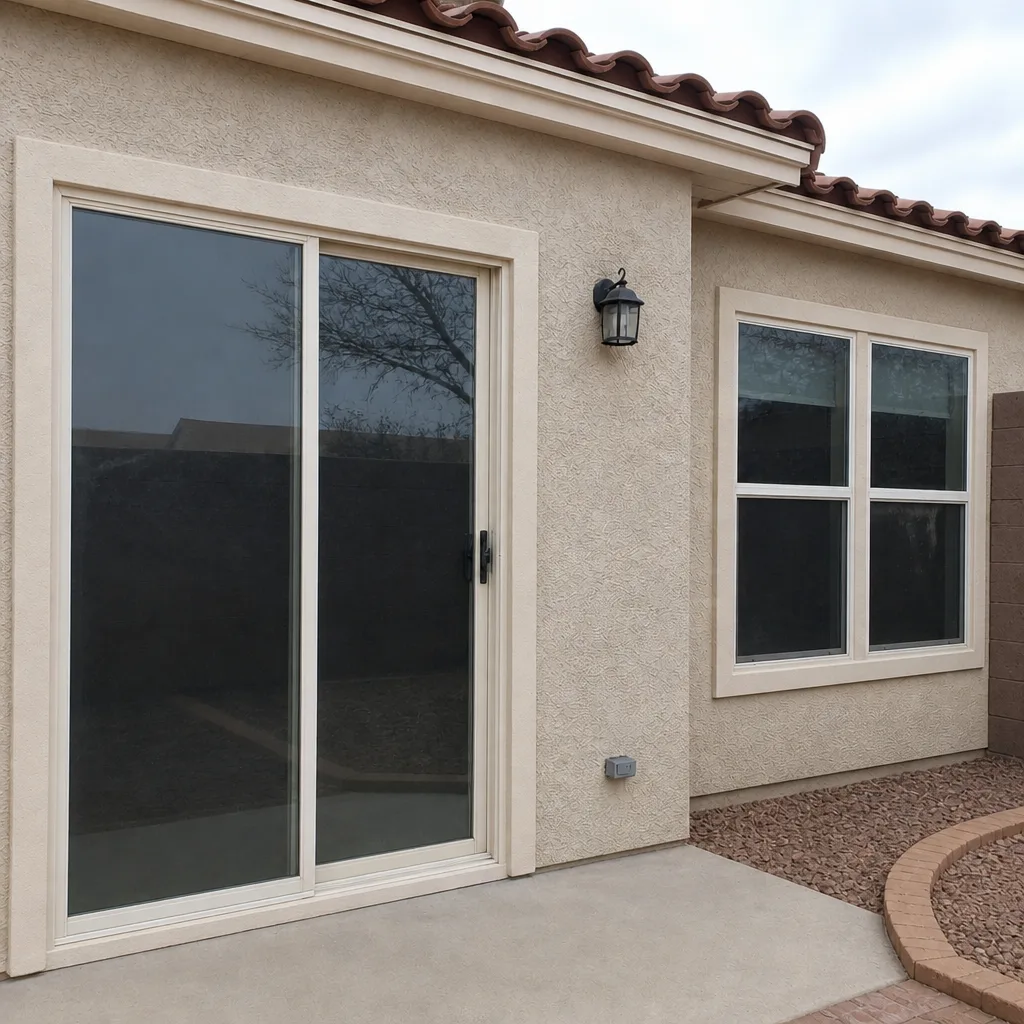
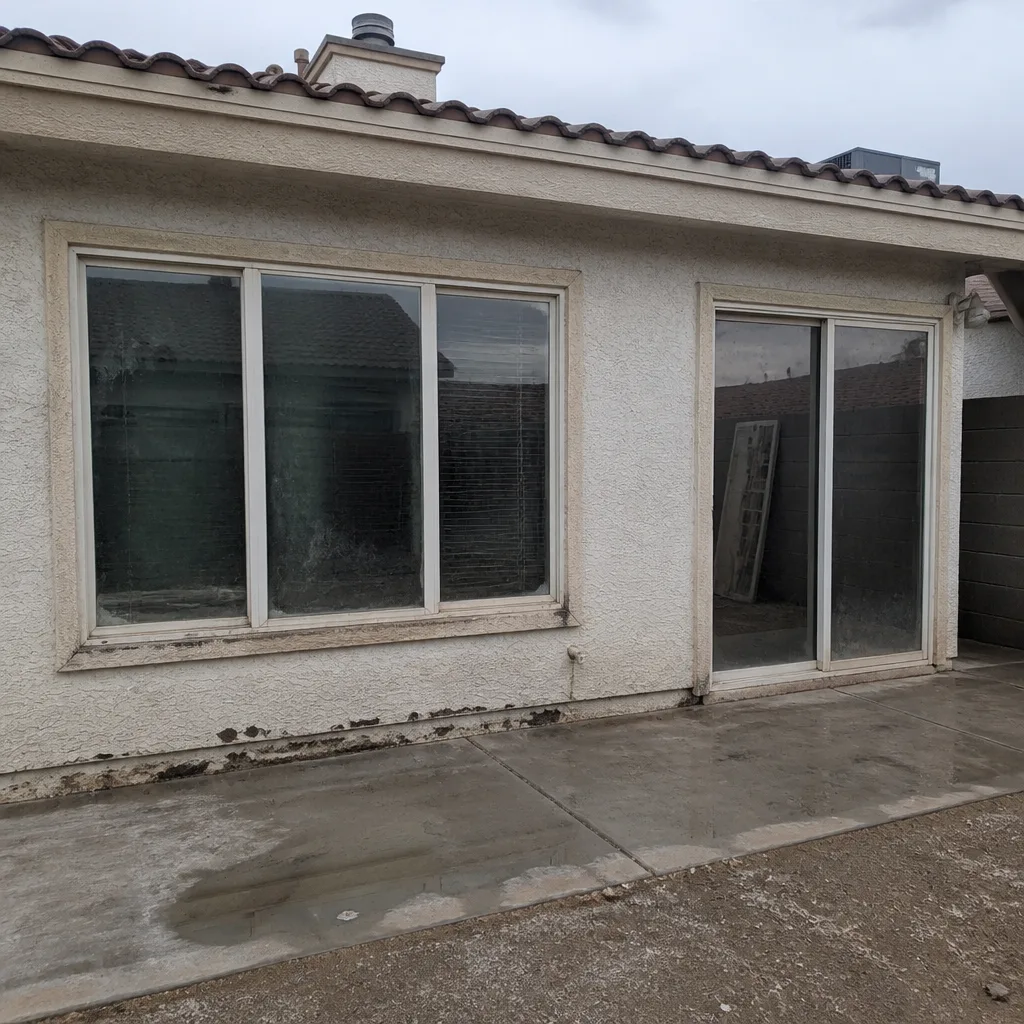
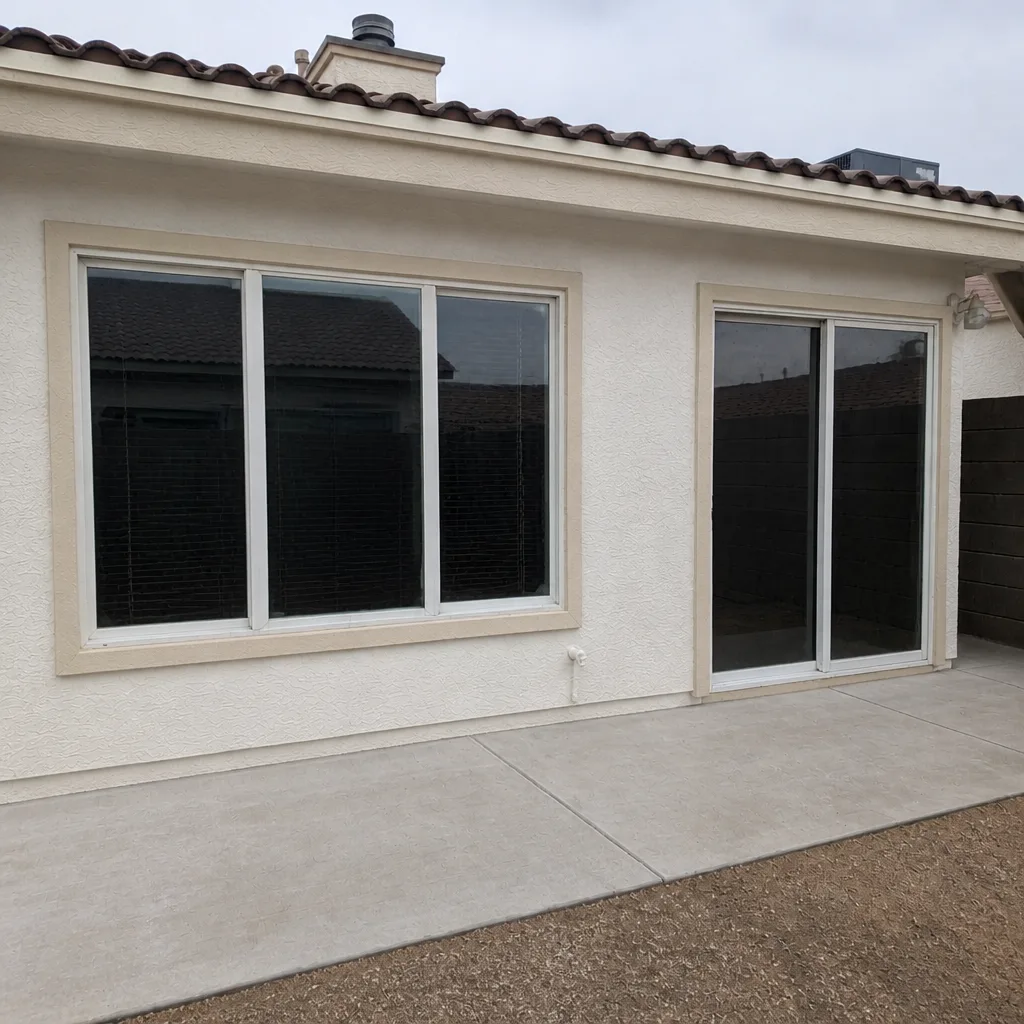
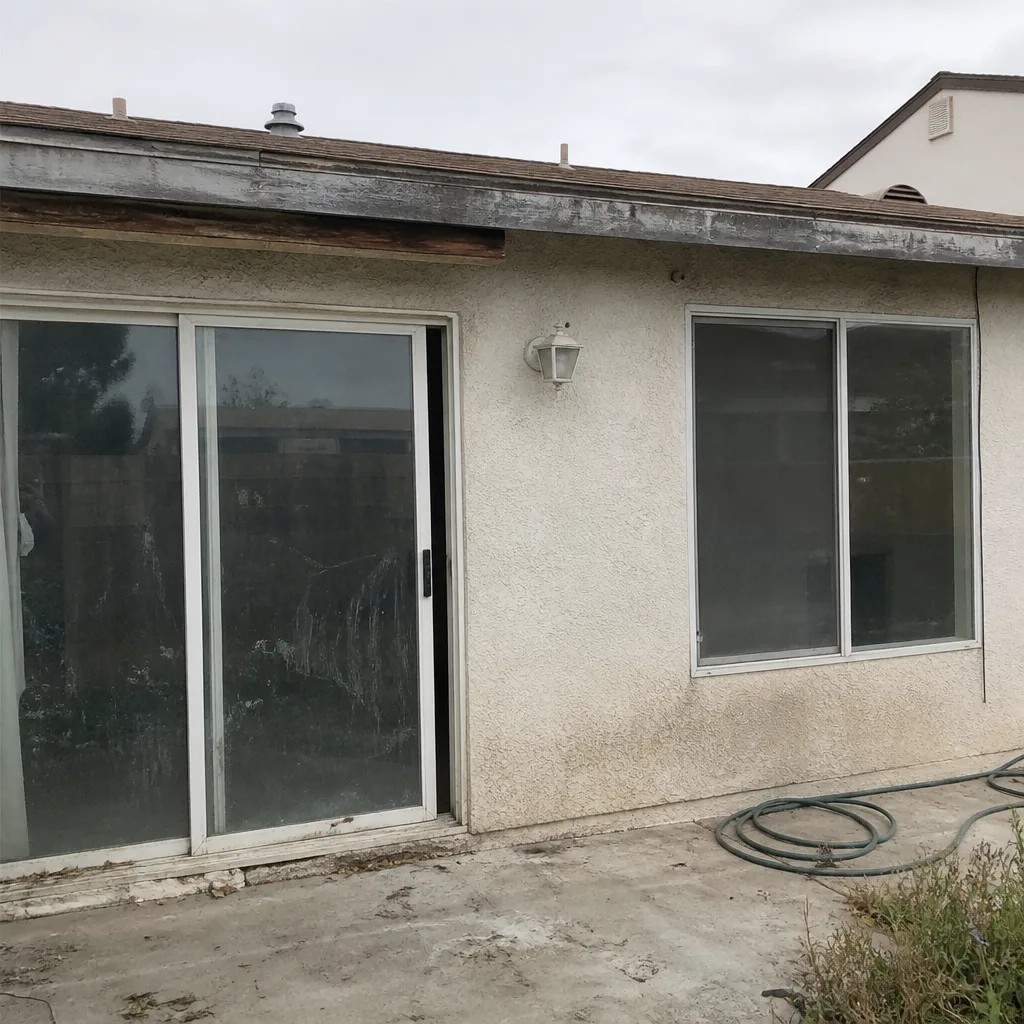
See the difference
 Before
 After
 Before
 After
 Before
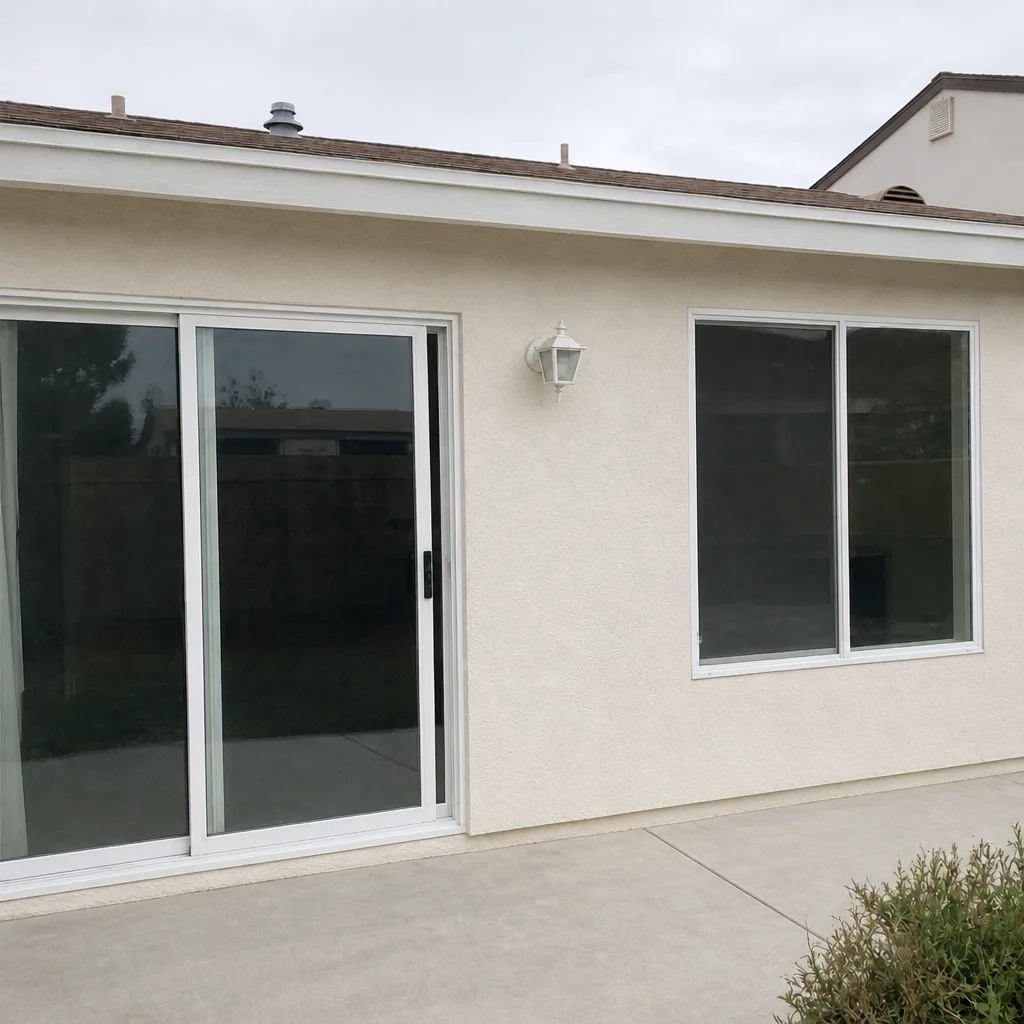 After
Frequently Asked Questions
You can if it is a same-size prehung replacement in sound framing with a level slab. That is a real DIY project. In practice, most North Las Vegas exterior doors sit in stucco walls over settled slabs, and those conditions turn the job into a professional install because the flashing and threshold work has to be right the first time. If the opening is out of square or the slab has moved, call a professional. Call (877) 317-4920 for a free estimate if you want a written price to compare against DIY.
A same-size replacement usually does not require a permit, but the answer depends on your specific project. Projects that change the rough opening or touch structural framing typically require one, and that permit generally has to be pulled by a licensed contractor. A homeowner cannot legally self-permit structural work done for resale. Confirm with the local building department before you buy the door, and call us for a free estimate if you want the permit question answered for your exact situation.
Interior prehung doors typically run $250 to $500 installed, and exterior entry doors typically run $1,200 to $3,500 installed, depending on door style, finish, and the condition of the opening. A door that needs stucco repair or slab correction lands at the higher end. Call (877) 317-4920 for an exact quote. Estimates are free, and you get a written price before any work begins.
It should not. A reputable contractor inspects the opening before quoting, so the written price covers what the job actually requires. The danger is the opposite: a DIY job that looks cheap until the door is out and the framing is rotted or the threshold is off. Our written price before any work starts is a standing rule, so there is no invoice surprise at the end of the day. Call (877) 317-4920 to schedule a free estimate.
A prehung interior door installs in a few hours and a same-size exterior replacement in a single day, including trim and clean-up. A job that turns up hidden framing repairs or needs stucco patched adds a day or more. We do not rush the flashing and threshold work, because those are the steps that determine whether the door lasts. Call (877) 317-4920 for a free estimate and an honest time estimate for your project.
Yes, but the correction costs $400 to $1,500 above the original project, because the professional has to remove and redo the install and sometimes repair water or framing damage. The most common failure we see in North Las Vegas is a threshold that was not flashed correctly, which leaks for months before it is discovered. A free estimate is the cheapest way to avoid this. Call (877) 317-4920 before you start the job, or after if you are already in trouble with it.
The Bottom Line
The question is not whether you are capable of installing a door. It is whether your door, your opening, and the North Las Vegas climate give you a margin for error you can absorb. Same-size prehung interior doors, green light. Same-size exterior doors in stucco over settled slabs, professional work. The three things that separate a lasting install from a leak that shows up a year later are the slab and level check before you buy, the flashing and threshold pan done correctly, and the honest permit answer. If you want a written installed price to compare against your own math, Lightwell Windows & Doors North Las Vegas offers free estimates. Call (877) 317-4920 to schedule one, and you will know what the job really costs before you pick up a single tool.
Written by the team at Lightwell Windows & Doors North Las Vegas.
Six Reasons Homeowners Choose Lightwell Windows & Doors North Las Vegas
Laminated glass and reinforced frames hold up to wind-driven rain, hail and flying debris, so your openings stay sealed when the weather turns.
Low-E insulated impact glass from our manufacturer lines commonly cuts monthly cooling bills 20-30%.
Laminated impact glass shuts out up to 40% of outside noise - traffic, neighbors, weather.
Monitoring services run $30-90 a month. Laminated impact glass resists forced entry around the clock, with no subscription.
Tighter seals and insulated glass even out hot and cold rooms and stop the drafts at the frame.
A full impact package upgrades curb appeal, buyer confidence and appraised value in one project.